



Antique Bronze Dishes
These antique bronze dishes bring weight and intricate decoration to a table, merging utility with the ornate craftsmanship of the nineteenth and early twentieth centuries.
Antique Bronze Dishes
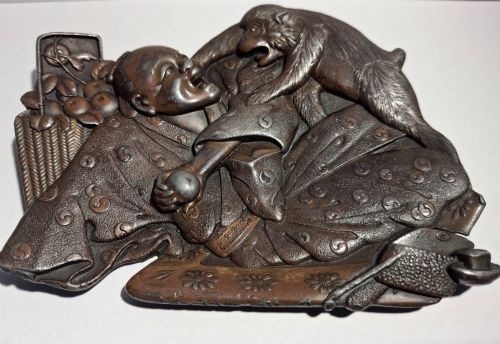
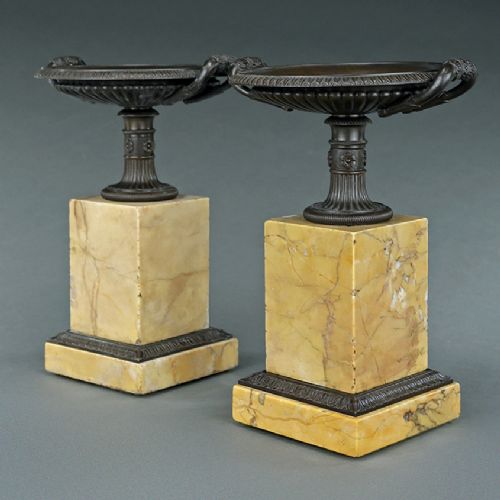
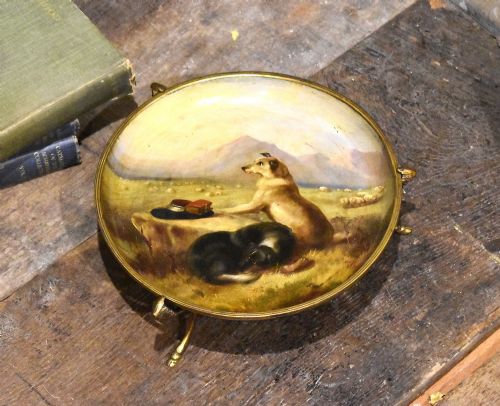
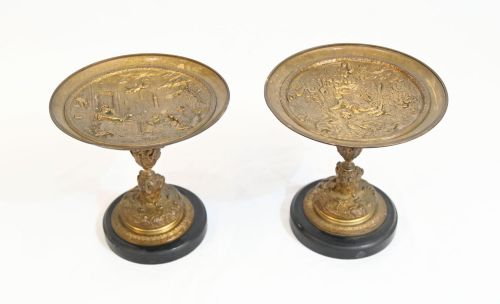
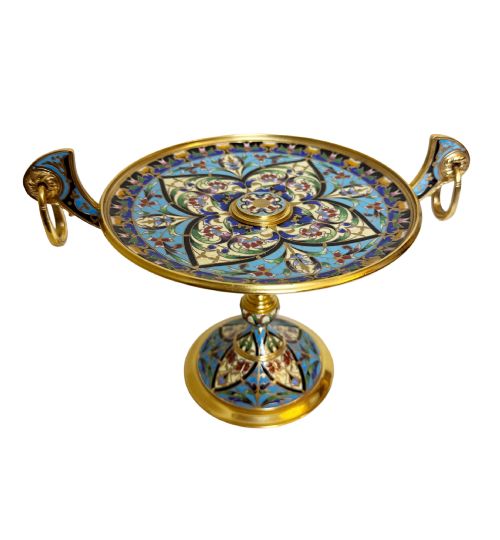
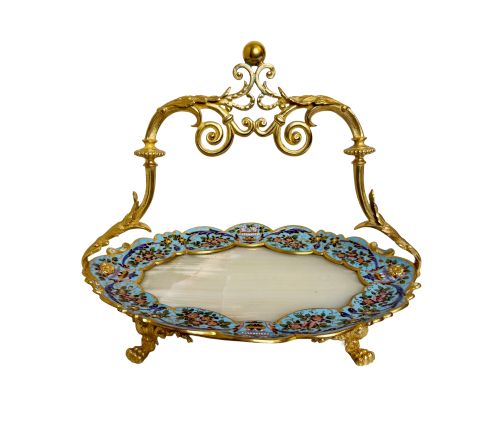
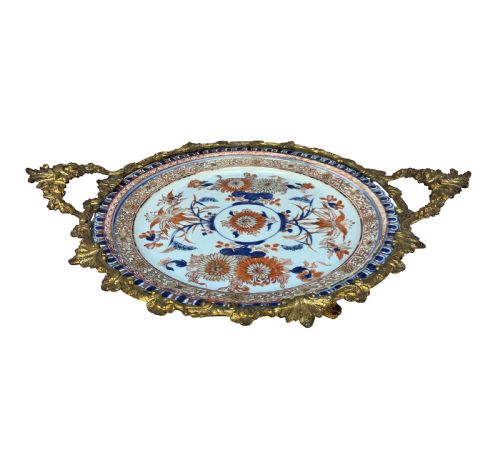
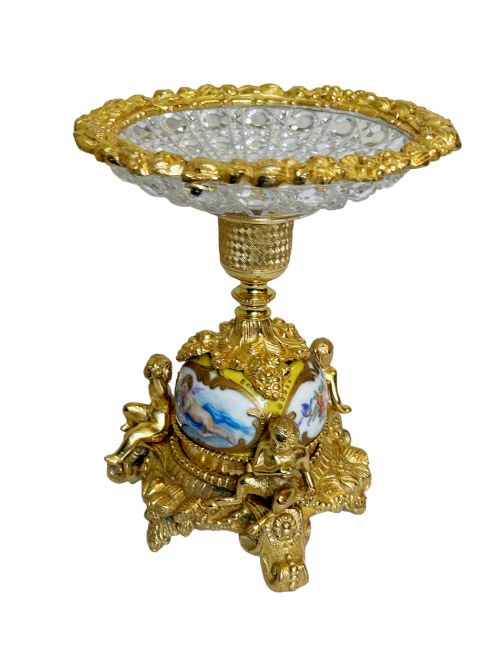
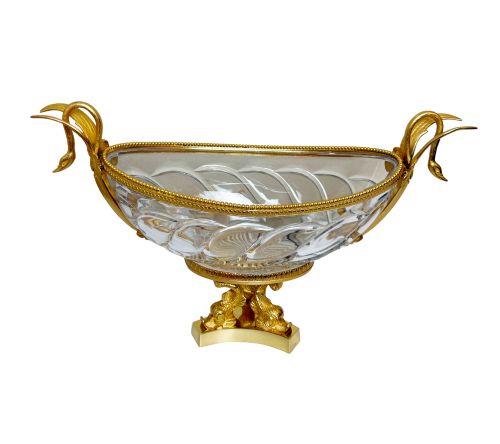
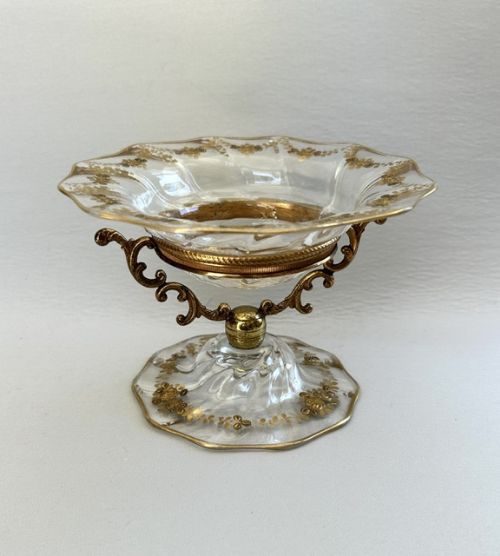
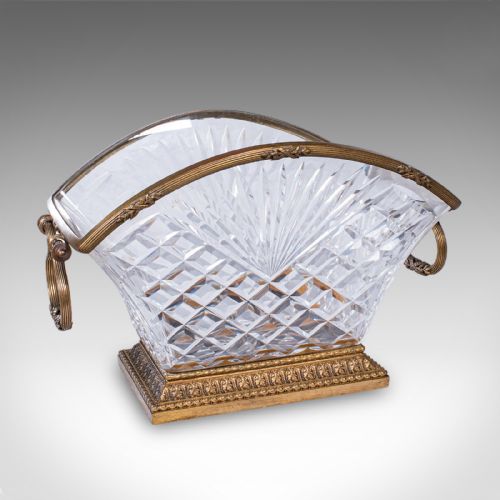
When you search for antique bronze dishes, you encounter a diverse range of vessels designed for display, desk use, and serving. These pieces span from small catch-alls to large centrepieces, incorporating various forms such as tazzas, chargers, and shallow trays.
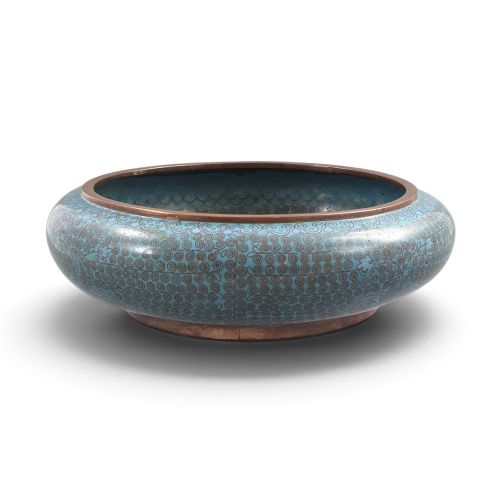
The selections on this page lean heavily towards nineteenth-century French manufacture and Japanese Meiji period metalwork. French examples frequently draw on Rococo and Empire styles, incorporating ormolu, marble bases, and enamel work, while Japanese pieces showcase intricate cloisonné and patinated metal finishes.
How they were made
Manufacturers utilised casting techniques to shape the primary bronze, brass, or copper foundations. Ormolu and gilt bronze additions provided bright, reflective surfaces that contrasted with patinated or darkened body elements.
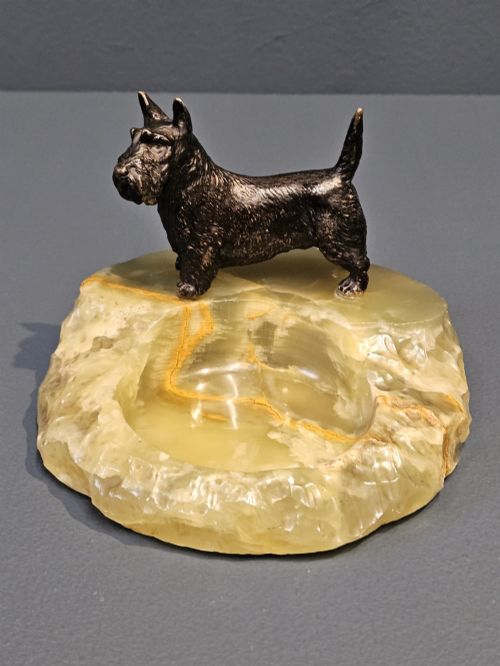
Many vessels integrate secondary materials like porcelain, cut glass, onyx, and champlevé enamel. Artisans applied these elements through careful mounting, cold painting, or wire-inlaid cloisonné to build complex pictorial surfaces.
Antique Bronze Dishes Retail Price Guide 2026
Typical asking prices for bronze dishes among the pieces listed under this phrase on Sellingantiques today, from the lower quarter to the upper quarter. They describe what is for sale here now, not the wider market.
Listings feature items spanning the Victorian era through the 1920s, incorporating bronze, brass, copper, and cloisonne enamel.
What varies in quality
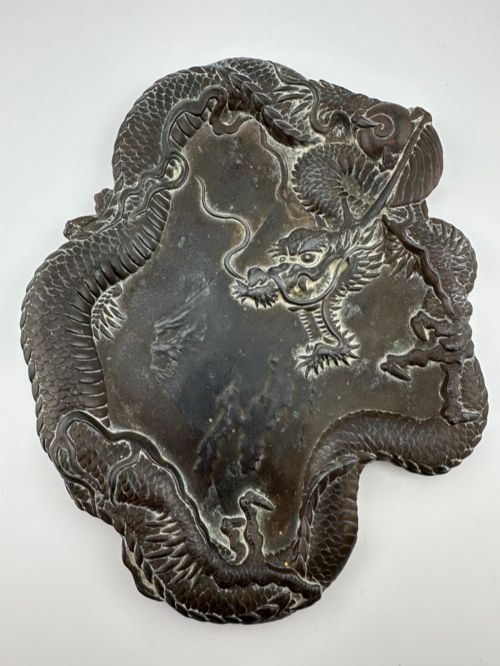
The standard of a piece rests in the crispness of the cast detailing and the depth of the hand-finishing. High-tier examples display sharply defined motifs, such as winged cherubs or dragons, rather than softened or repetitive stampings.
Material combination and structural weight also differentiate the output. Heavy bronze foundations paired with polished hardstones, fine crystal, or complex enamel work demonstrate superior workshop execution.
The Antique Bronze Dishes Glossary
- Ormolu
- Gilded brass or bronze mounted on decorative objects, created through a mercury-gilding process that produced a brilliant golden surface.
- Champlevé
- An enamelling technique where troughs are dug into the metal surface and filled with vitreous paste before firing.
- Tazza
- A shallow ornamental bowl raised on a stem and foot, frequently utilised as a centrepiece or display dish.
- Cloisonné
- Enamelling work where metal wire creates cells on a base plate, which are then filled with coloured enamel pastes.
- Meiji Period
- The era in Japanese history spanning from 1868 to 1912, noted for highly detailed metalwork and enamel chargers.
Antique Bronze Dishes: Frequently Asked Questions
How were antique bronze dishes used originally?
These vessels served multiple domestic functions, from holding calling cards in hallways to displaying fruit or floral arrangements on dining tables. Desk accessories held writing implements, while large chargers and tazzas functioned purely as decorative art objects in formal rooms.
Over time, their roles shifted as interior fashions changed, turning utilitarian serving vessels into focal points for collectors of metalwork.
How do I clean an antique bronze dish?
Dusting with a dry, soft cloth is generally sufficient for maintaining patinated and gilt surfaces. Moisture and abrasive cleaners damage delicate finishes like cold paint, enamel, and mercury gilding.
Consulting a professional restorer is advisable if a piece requires deeper attention to prevent accidental removal of historical patination.
How do I distinguish French and Japanese pieces?
French items frequently draw on classical, Empire, or Rococo Revival vocabularies, often combining cast ormolu with marble bases, crystal bowls, or Sevres porcelain inserts. Their motifs lean toward cherubs, scrolls, and floral garlands.
Japanese pieces from the Meiji period typically feature complex cloisonné enamel panels, patinated bronze finishes, and imagery involving dragons, birds, and chrysanthemums.
What is the difference between a tazza and a charger?
A tazza is an elevated dish supported by a central stem and foot, designed to draw the eye upward when placed on a surface. A charger is a large, flat or shallow decorative plate intended to sit flush on a table or hang on a wall.
Both forms utilise bronze and mixed metals, but their physical profiles serve different display purposes within a room.