

Antique Bronze Candle Sconces
Antique bronze candle sconces bring sculptural depth and warm illumination to an interior, transforming plain walls with historic metalwork.
What antique bronze candle sconces are
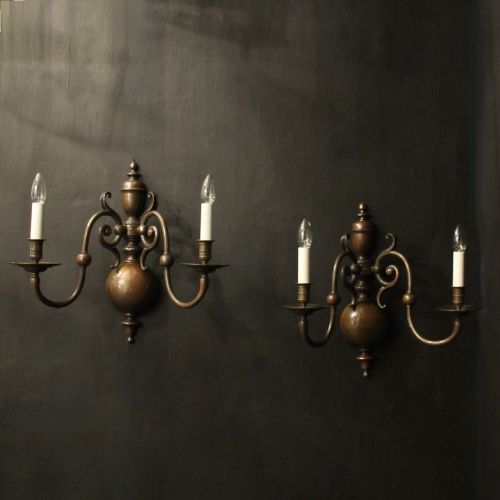
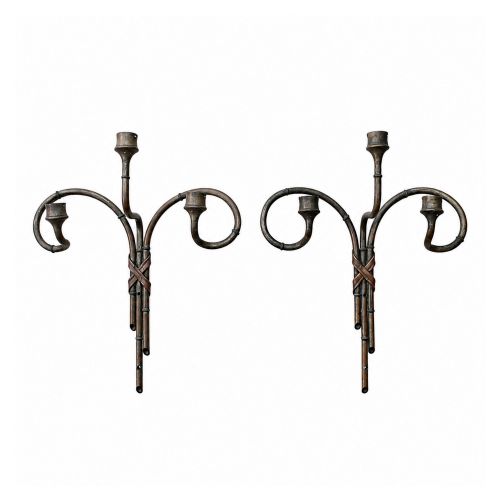
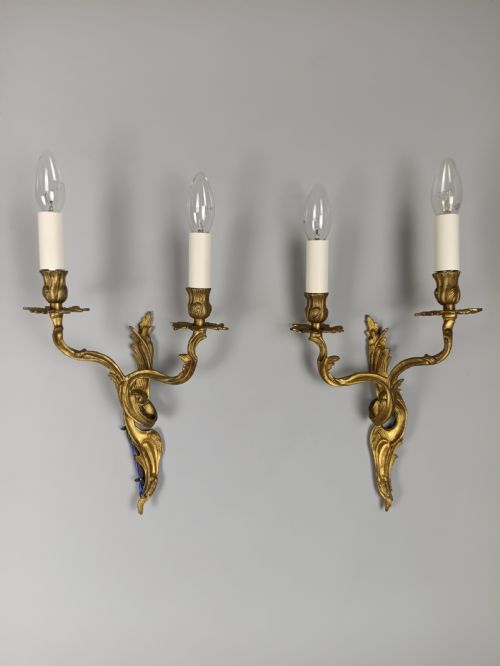
Antique bronze candle sconces are wall-mounted light fittings designed to hold candles, constructed from bronze and frequently adapted for electricity in modern settings. These fixtures project from the wall on arms, carrying single or multiple lights.
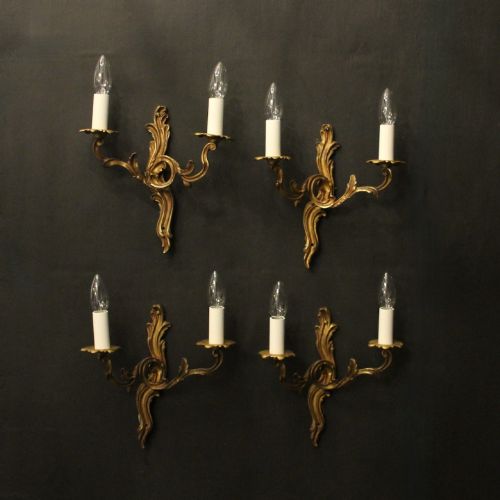
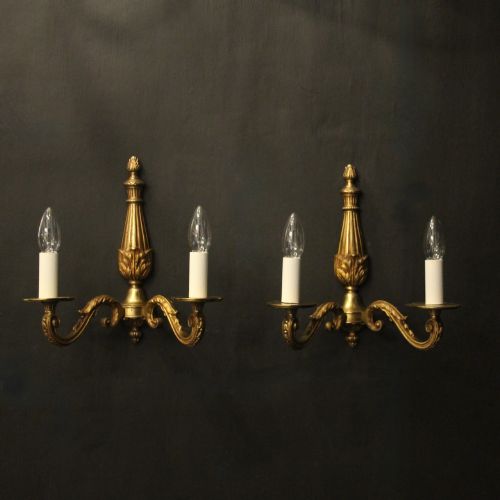
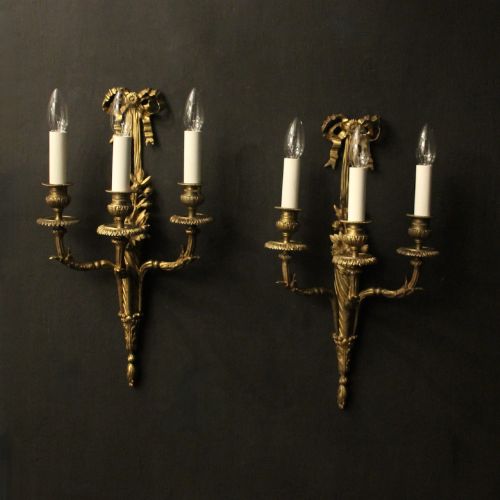
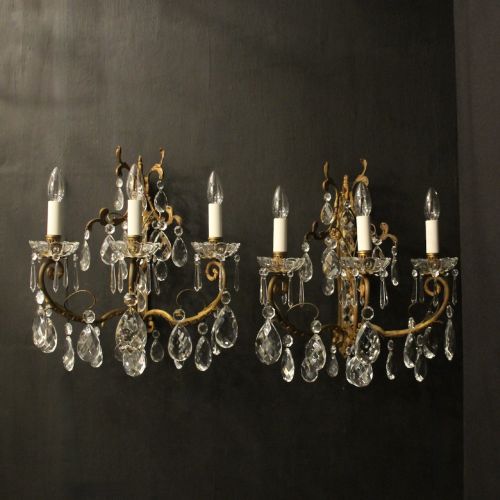
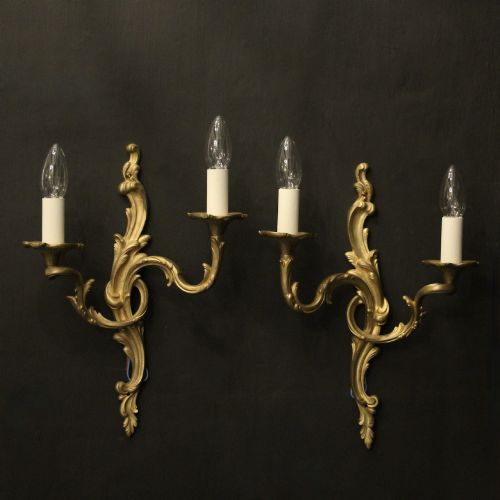
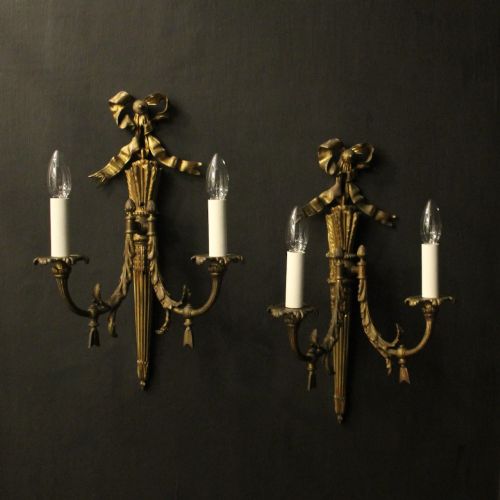
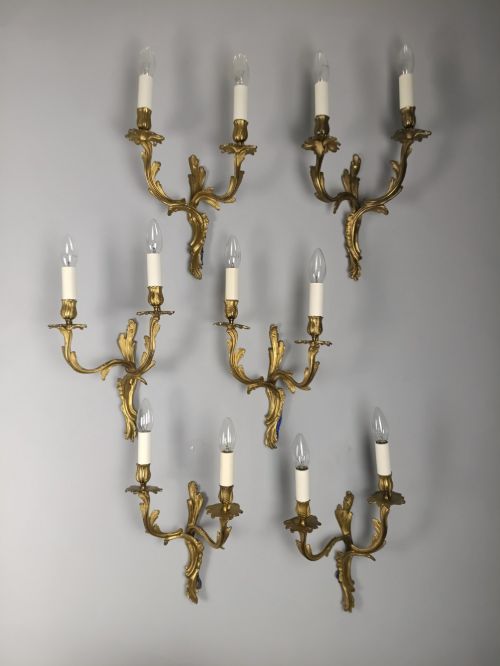
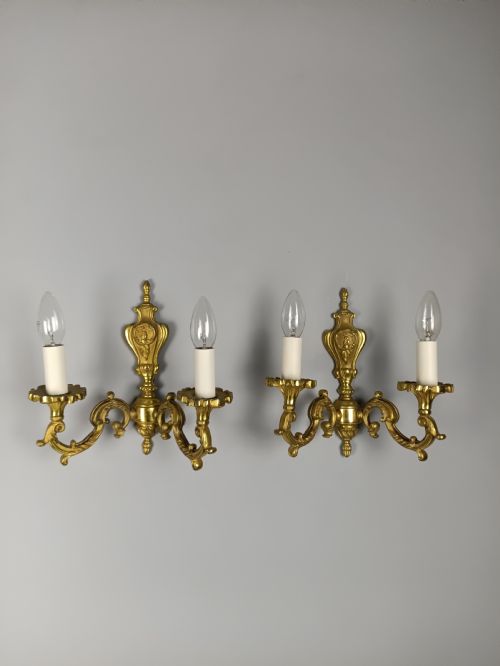
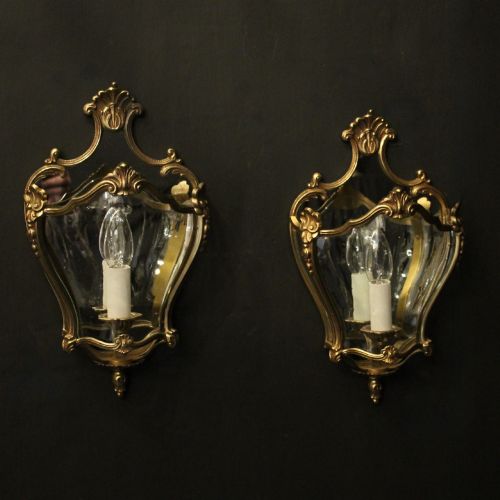
The pieces available here lean heavily toward French designs, including ornate Rococo, Louis XVI Revival, and Neoclassical styles. Pairs predominate in the selection, offering symmetrical options for flanking mirrors, fireplaces, or architectural doorways.
Dated examples span the nineteenth century and the early twentieth century, featuring periods such as eighteen-fifty, eighteen-eighty, eighteen-ninety, and nineteen-twenty. Makers and origins frequently trace to France, alongside English interpretations.
How they were made
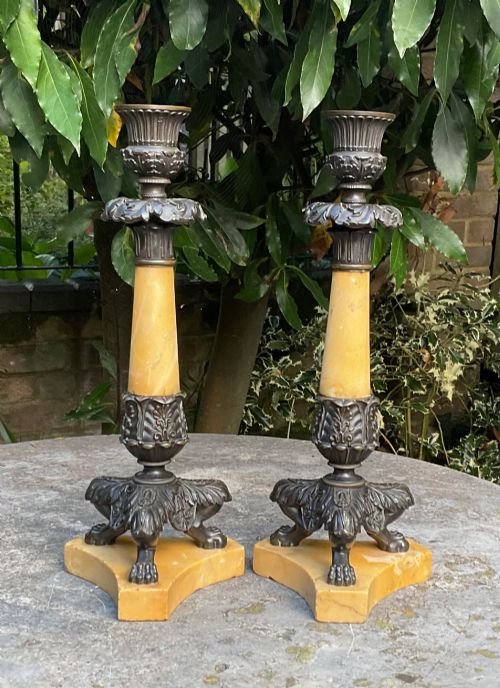
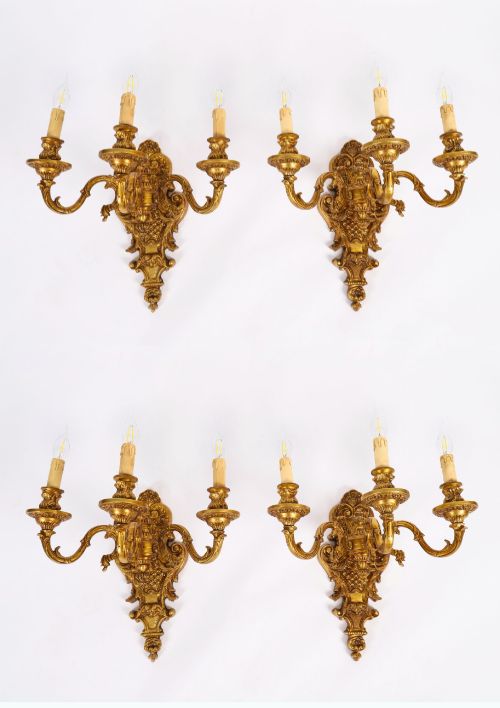
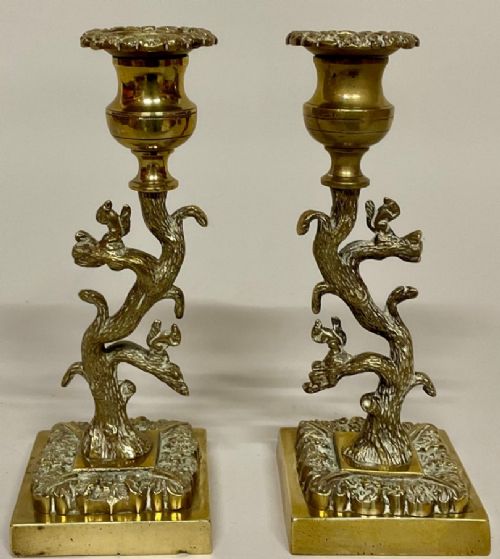
Foundries cast bronze and brass using traditional techniques to create heavy, rigid frames and decorative backplates. Metal was shaped into intricate foliate scrolls, cherubs, and arm branches designed to support heavy candle sockets.
Surfaces received various treatments, including gilding with gold, ormolu finishes, and dark patinated bronze effects. Crystal glass components occasionally augmented the metalwork, adding reflective sparkle to the wall lights.
Retail Price Guide 2026
Typical UK retail prices for bronze candle sconces, calculated from the Sellingantiques database of over a million retail prices indexed since 2003. This retail price guide relies exclusively on Sellingantiques data; no external sources or auction records are used, so the figures do not describe the wider market.
Cast-bronze cherubs peer out from the nineteenth-century wall lights, keeping a watchful, gilded eye over the room.
What varies in quality
The refinement of the casting separates standard production from exceptional work, visible in the crispness of chased details on leaves, cherubs, and scrolling arms. Heavier metal gauge and deep, layered gilding or patination indicate superior craftsmanship.
The complexity of the design also dictates the standard of the piece, with multi-arm configurations and combined gilt and patinated surfaces requiring greater artistry than simple single-light brackets.
Maison Baques
The Antique Bronze Candle Sconces Glossary
- Ormolu
- Gilt bronze, referring to a technique of applying finely ground high-carat gold to a bronze object. This method creates a rich, enduring metallic surface prized in French decorative arts.
- Patinated bronze
- Bronze that has been treated chemically or naturally to darken the surface. This finish accentuates the underlying contours and sculptural relief of the metal.
- Rococo
- An ornate, asymmetrical design style characterised by C-scrolls, shell motifs, and organic plant forms. It dominated mid-eighteenth-century French decorative arts and saw revivals later.
- Sconce
- A wall-mounted lighting fixture designed to carry candles or electric lamps. Historical versions project outwards from a decorative backplate.
- Gilt bronze
- Metal cast in bronze and coated with a layer of gold leaf or gold paint. The technique protects the underlying metal while providing a brilliant finish.
Frequently Asked Questions
How do I install antique sconces?
Most antique wall lights require professional wiring and secure mounting to wall studs to support their substantial weight.
Ensure that a qualified electrician handles the installation, particularly with older fixtures that have been converted from candles to electricity.
How do I clean bronze wall lights?
Dust the metal gently with a soft, dry cloth to prevent the accumulation of grime on intricate castings.
Avoid abrasive cleaners or chemical polishes, as these can strip historical gilding or damage the original patination.
How do I date antique bronze sconces?
Examine the casting quality, fastening methods, and stylistic cues such as Neoclassical symmetry or Rococo asymmetry.
Comparing the decorative motifs to known nineteenth-century design patterns helps narrow down the period of manufacture.