

Gilt Bronze Appliques
These gilt bronze appliques bring French decorative metalwork and lighting into interiors through cast bronze and ormolu.
Gilt Bronze Appliques
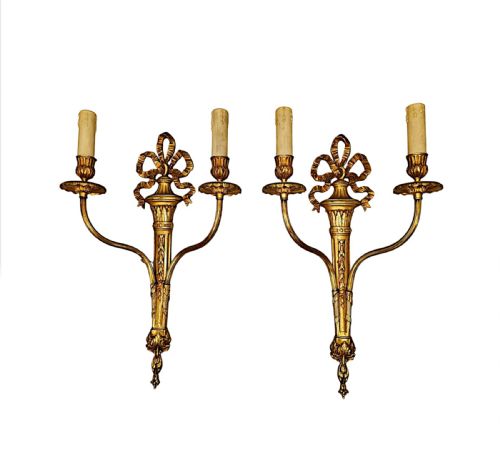
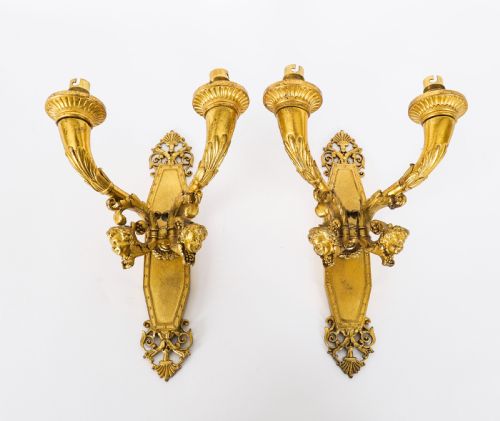
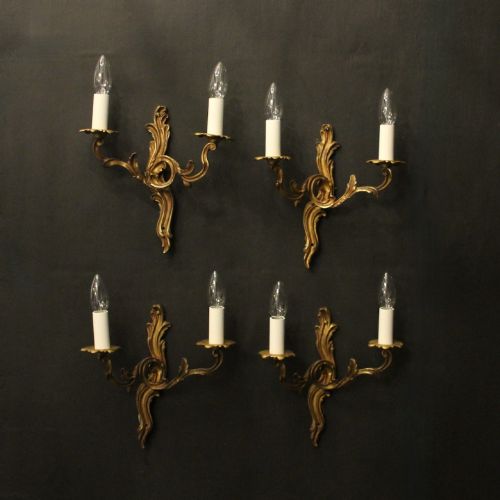
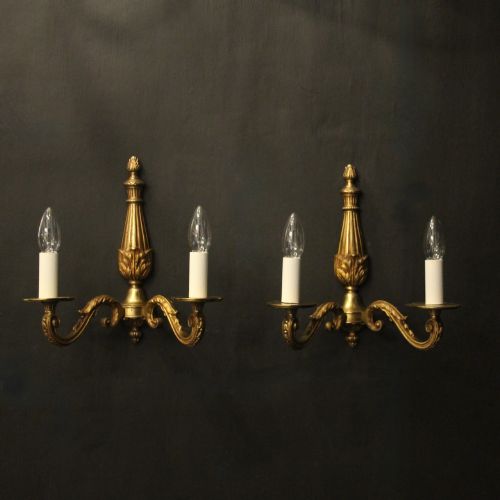
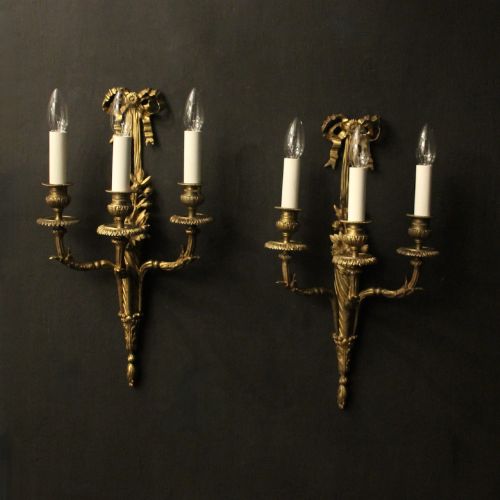
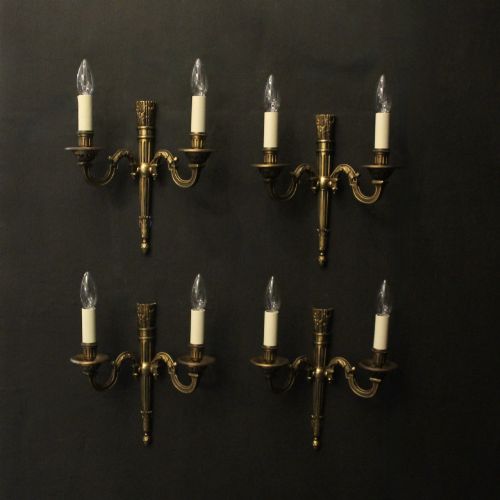
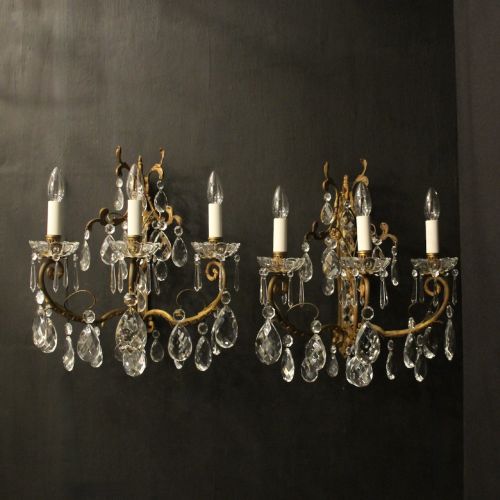
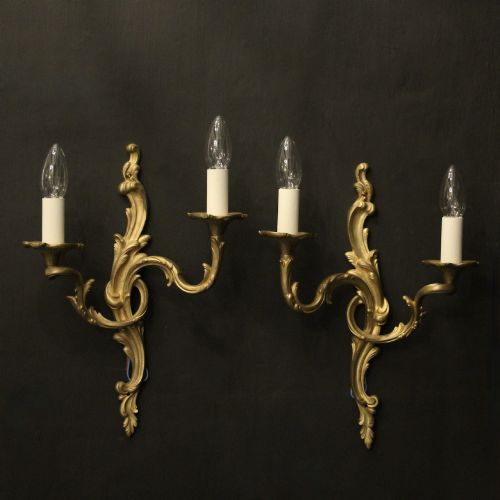
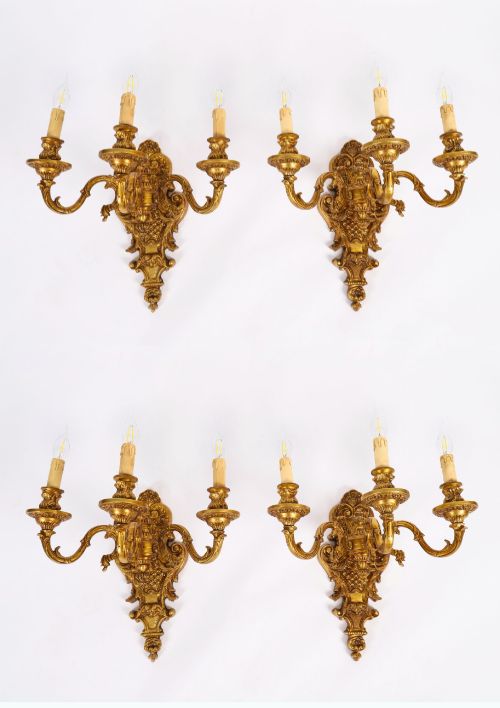
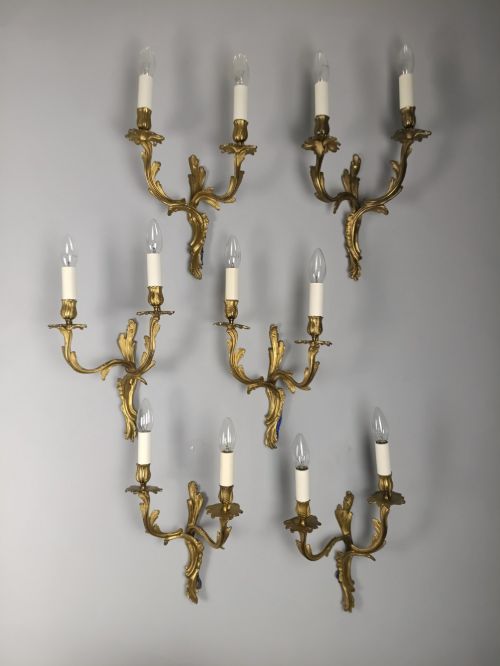
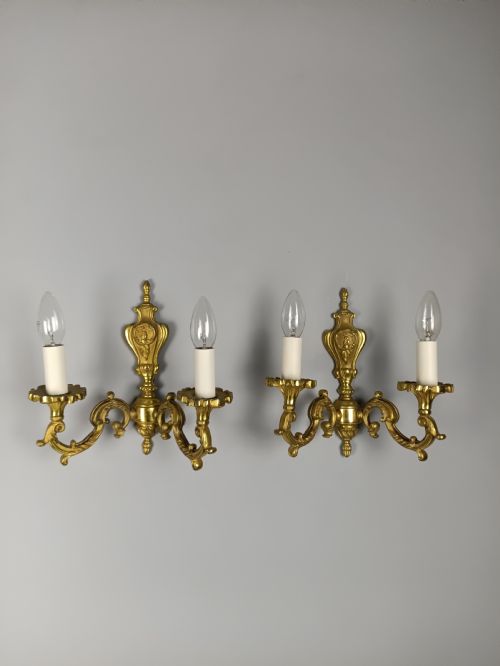
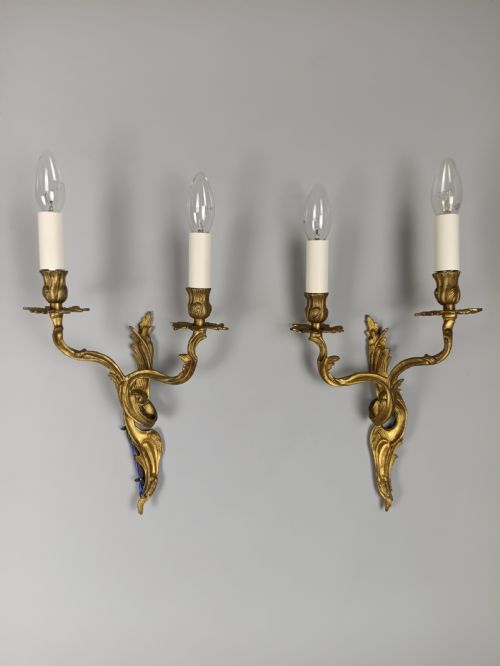
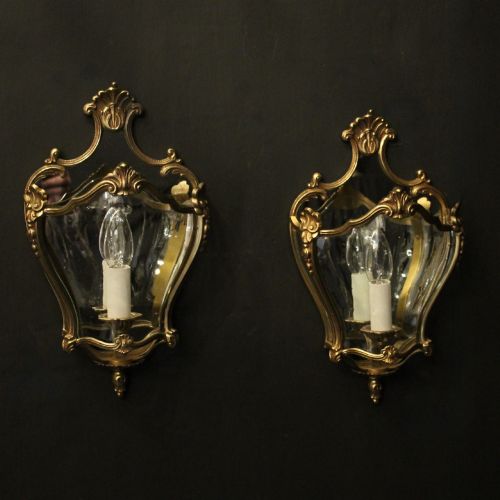
When you search for gilt bronze appliques, you encounter French wall lights, sconces, and furniture mounts spanning the nineteenth and early twentieth centuries. The selection on this page centres predominantly on pairs and sets of twin or triple arm wall lights originating from France.
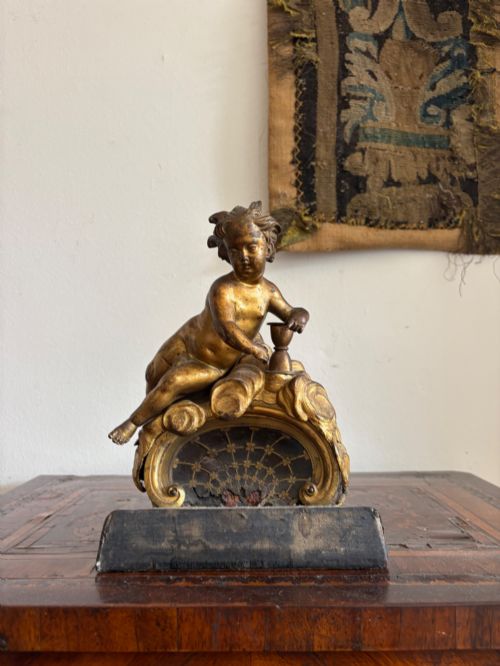
The forms encompass functional lighting fixtures alongside decorative mounts and finials designed for cabinetry and architectural placement. Styles draw heavily from French Rococo, Louis XVI, and Empire traditions, reflecting revival periods through nineteenth century production and into the 1930s.
How they were made
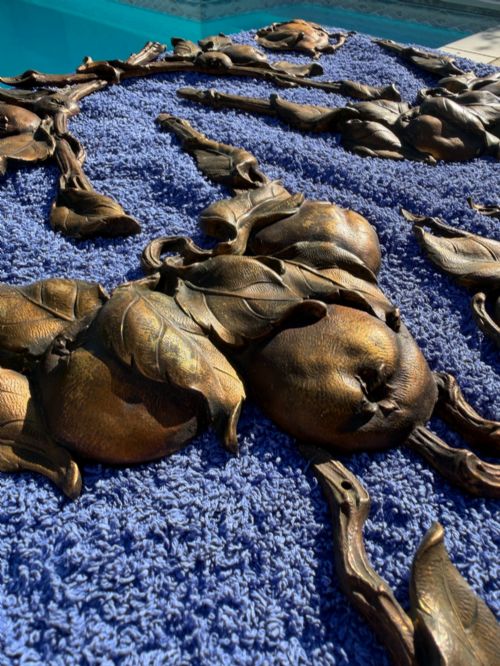
Maker workshops utilised bronze, brass, and metal casting techniques to form intricate backplates, arms, and mounts. Surfaces received fire gilding or ormolu application to produce a durable golden finish across the metal.
Certain examples incorporate crystal drops, porcelain flowers, or combine cast bronze components with fitted electrical or candle wiring configurations. Construction often involves multiple assembled sections secured with threaded fixings.
Gilt Bronze Appliques Retail Price Guide 2026
Typical asking prices for gilt bronze appliques among the pieces listed under this phrase on Sellingantiques today, from the lower quarter to the upper quarter. They describe what is for sale here now, not the wider market.
Several wall lights feature cheeky cherubs and porcelain flowers hiding amongst the scrolling arms.
What varies in quality
Quality rests in the crispness of the chased detail across the cast bronze or ormolu surface, where sharper relief denotes superior artisan work. Heavier gauge metalwork and substantial casting weight differentiate standard production from finer ornamental output.
The sophistication of the stylistic execution, whether in Rococo asymmetry or neoclassical symmetry, dictates the aesthetic standing of each piece. Completeness of matching sets and the retention of the original fire gilt surface further separate individual examples.
Poix Blin
The Gilt Bronze Appliques Glossary
- Applique
- A decorative wall-mounted lighting fixture or ornamental mount applied to a vertical surface. These items function as sconces or wall lights.
- Ormolu
- Finely ground high-carat gold applied to a bronze base using a mercury amalgamation technique. This historic process yields a distinct warm lustre.
- Finial
- A relatively small decorative ornament terminating an object such as a furniture mount or lighting bracket. They accent the extremities of the cast design.
- Rococo Revival
- A nineteenth-century design movement resurrecting eighteenth-century asymmetrical scrollwork and naturalistic motifs. It dominates many of these wall light forms.
- Furniture Mount
- Cast metal hardware secured to the surface of cabinets and case pieces for ornamentation. These mounts echo the motifs found on matching wall lights.
Gilt Bronze Appliques: Frequently Asked Questions
How were gilt bronze appliques originally used?
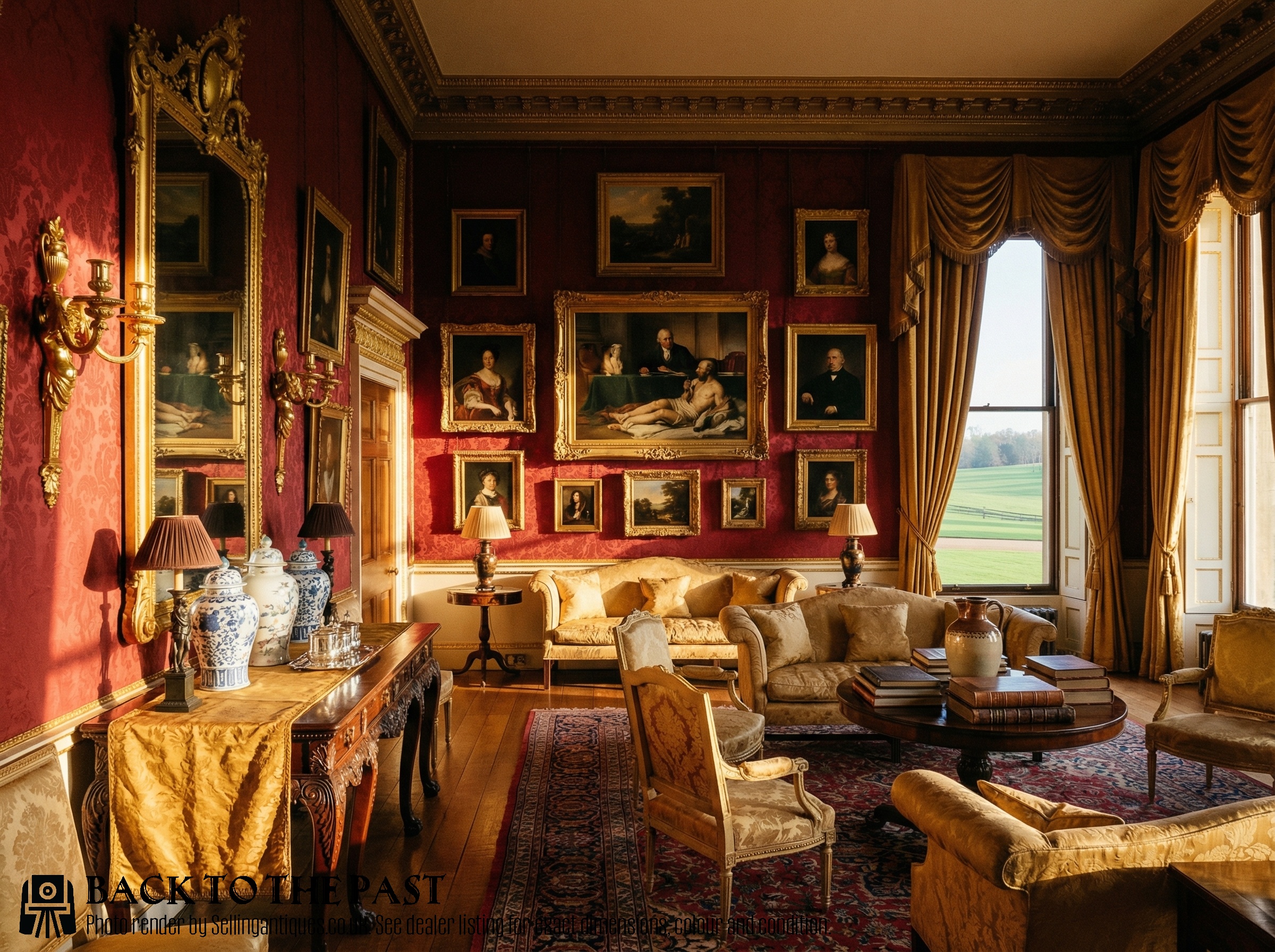
These pieces served primarily as interior wall lights or candle sconces within grand rooms, supplementing natural daylight and chandelier illumination. They were positioned around spaces to reflect candlelight against walls and mirrors.
Secondary forms functioned as decorative mounts affixed directly to fine furniture and architectural woodwork. Their placement emphasised symmetry and status within French domestic interiors.
How do I install antique wall lights safely?
Many surviving wall lights arrive rewired for modern electrical standards, though professional installation by a qualified electrician remains essential for structural and wiring safety. Backplates require secure anchoring to wall studs or appropriate cavity fixings to support the weight of the cast bronze.
Wiring channels must integrate cleanly behind the mounting bracket without straining the historic metal arms. Local electrical regulations should guide the final connection to household circuits.
How do I clean and maintain gilt bronze?
Maintenance requires only gentle dusting with a soft, dry cloth to prevent the accumulation of grit within the chased recesses of the bronze. Avoid chemical polishes, abrasive cloths, and liquid cleaners which can strip or damage the underlying ormolu and gilding.
Handling the metal with clean hands or cotton gloves minimises oil transfer from skin to the historic surface. Environmental humidity should remain stable to protect both the metal and any integrated crystal elements.
How can I tell different period styles apart?
Louis XVI and Empire styles rely on strict symmetry, neoclassical urns, ribbons, and geometric laurel wreaths. These designs reflect a formal architectural discipline.
Rococo and Louis XIV revival styles embrace asymmetry, C-scrolls, acanthus leaves, and naturalistic shell motifs. Examining the cast ornamentation reveals the shift from structured classical restraint to exuberant curves.