
Antique Bronze Animal
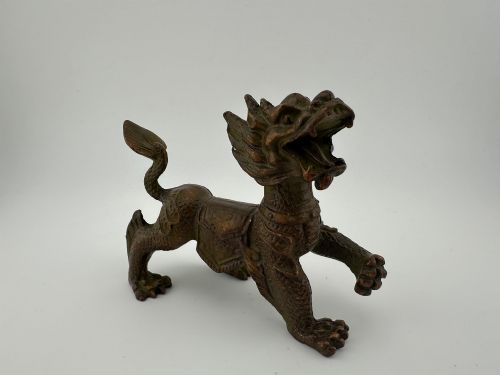
An antique bronze animal captures the character of wildlife and domestic creatures through metalwork spanning the nineteenth and twentieth centuries.
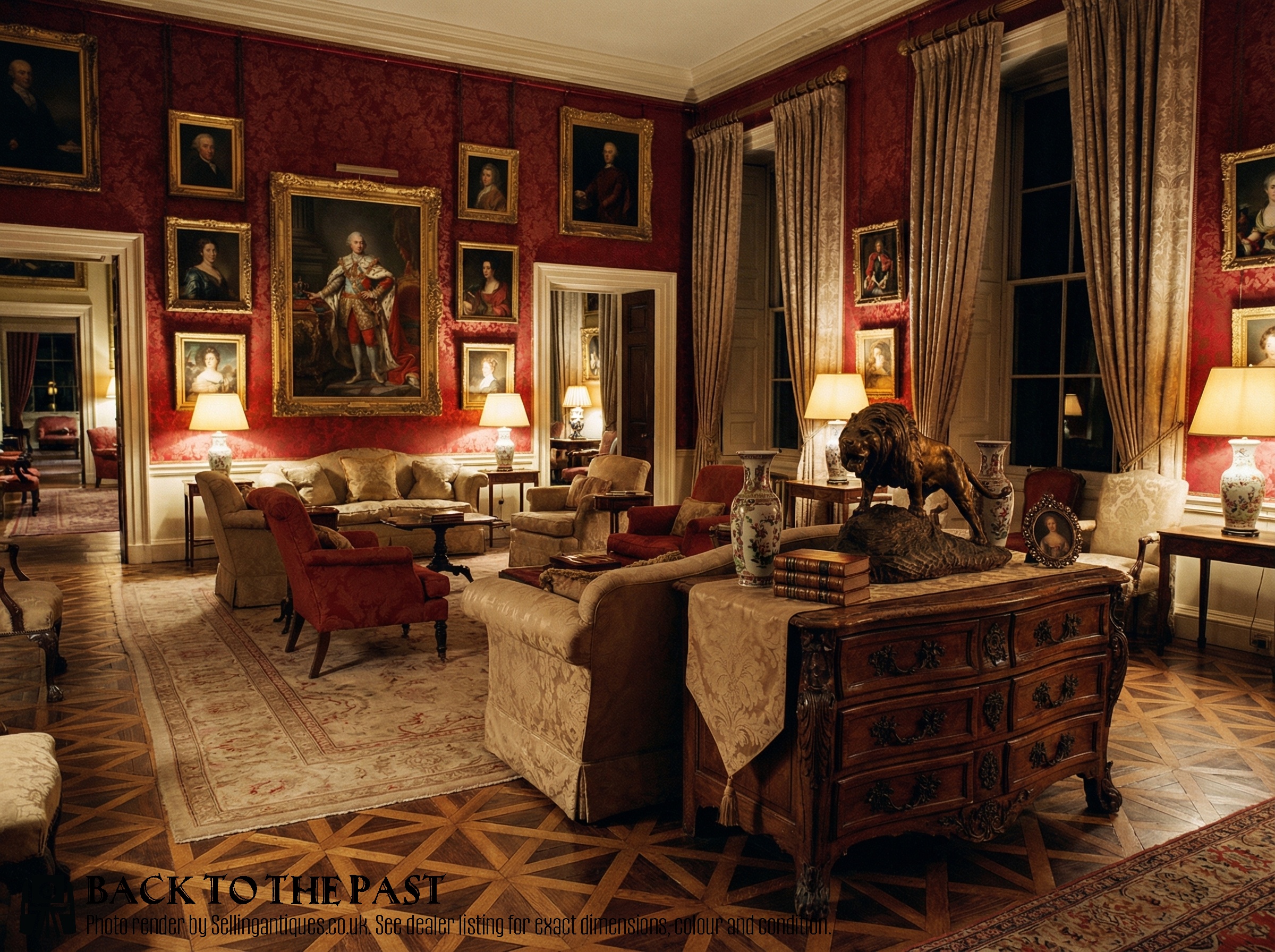
Antique Bronze Animal
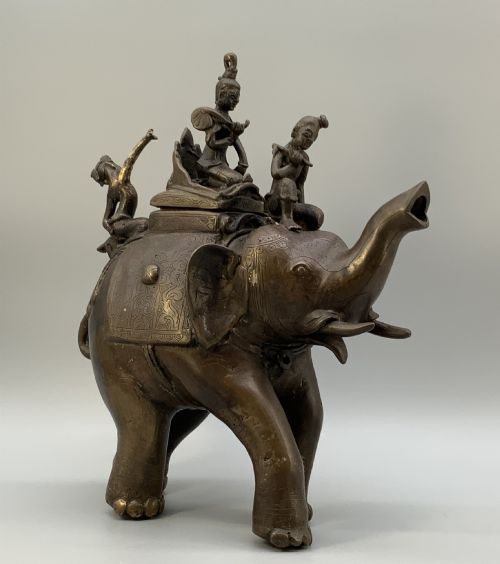
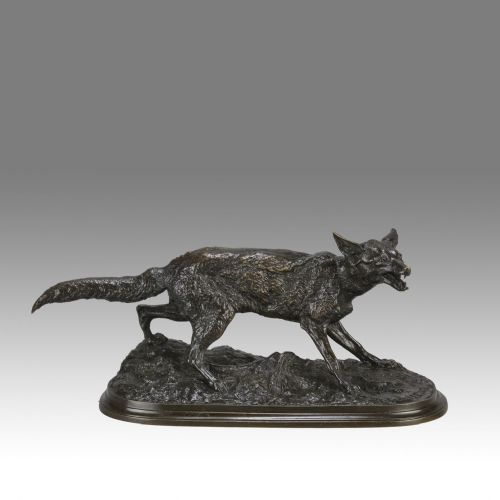
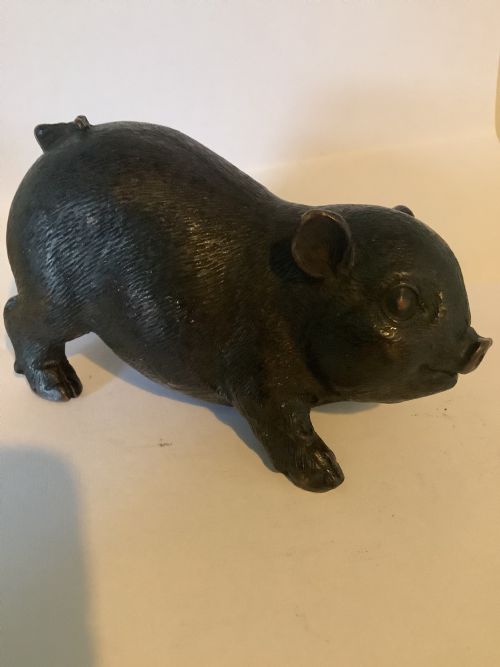
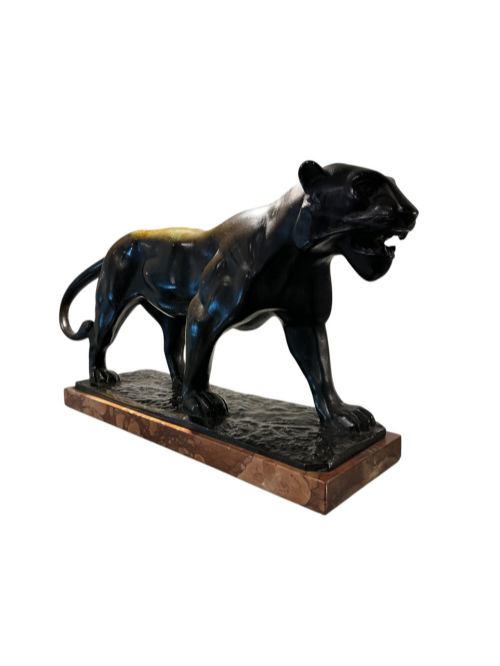
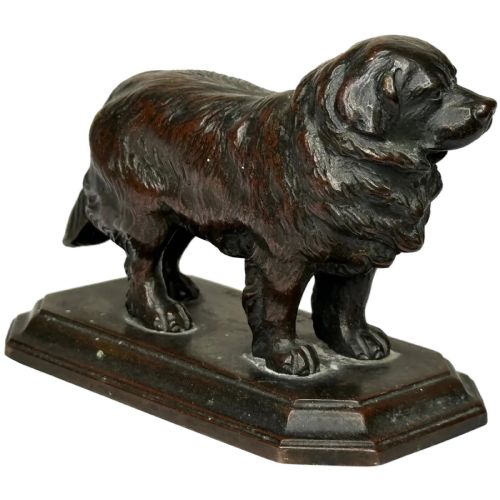
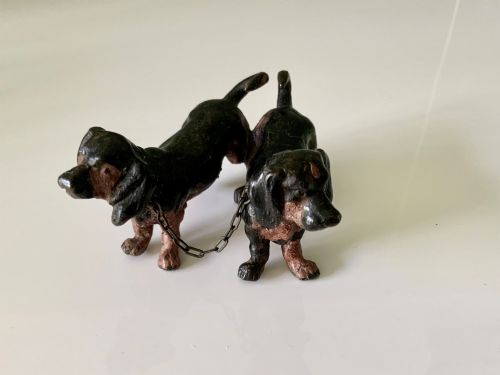
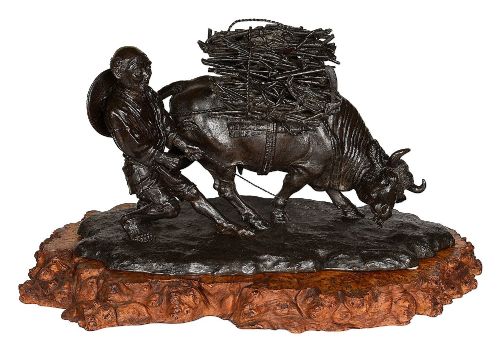
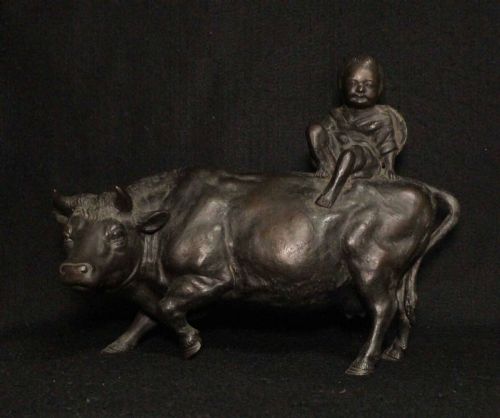
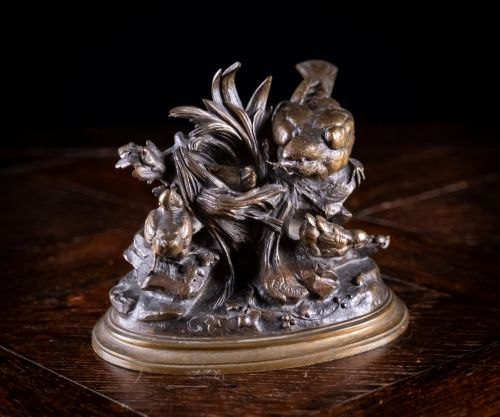
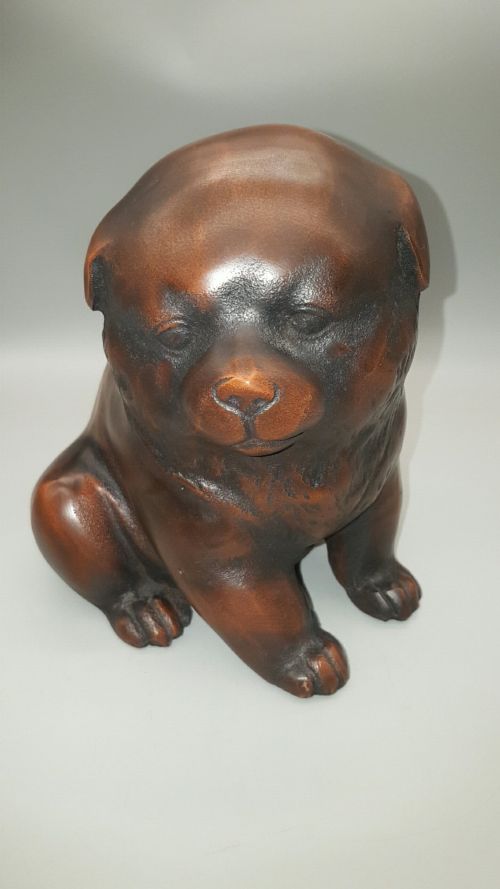
When searching for an antique bronze animal, buyers encounter a diverse selection of European and Asian sculptures, bookends, and household objects. These pieces range from realistic nineteenth-century French Animalier studies of lions and hounds to whimsical twentieth-century Austrian cold-painted figures.
Bookends, table lamps, and incense burners demonstrate how these metal figures served practical functions in period interiors, combining utility with sculptural form.
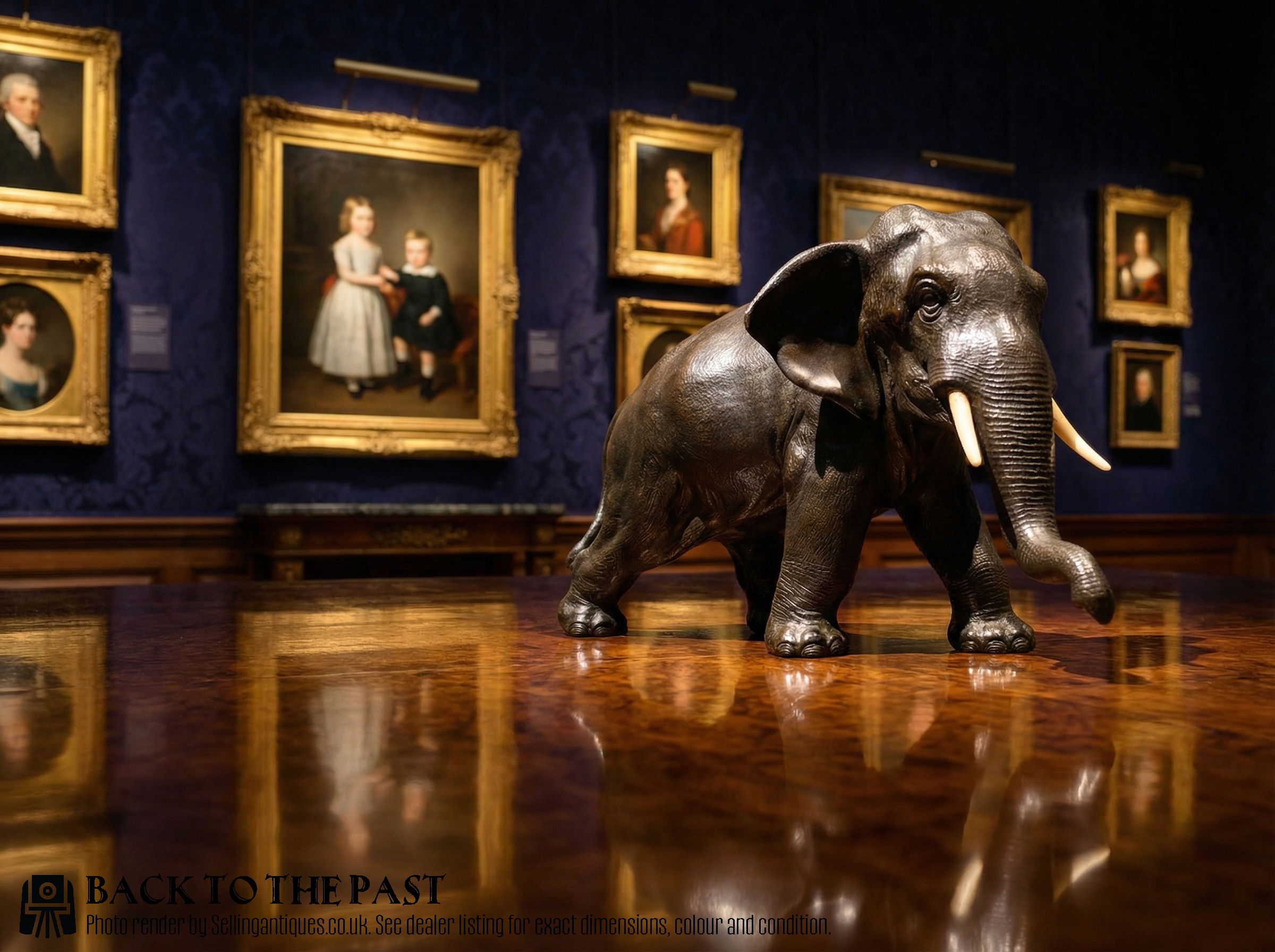
Materials and casting methods
Foundries utilised traditional casting techniques, primarily lost-wax casting, to achieve intricate detail in bronze and patinated bronze figures. Many pieces incorporate additional materials, such as marble or onyx bases, ivory details, and hand-applied polychrome paint.
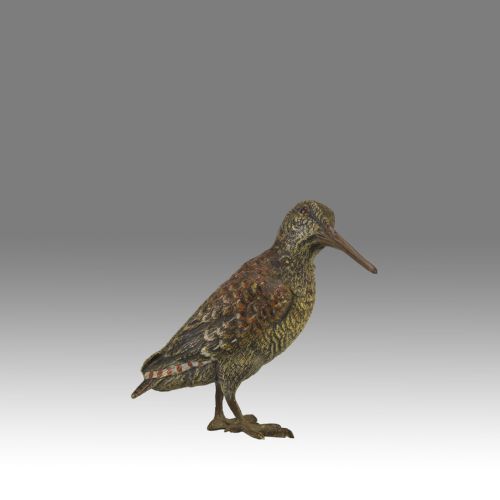
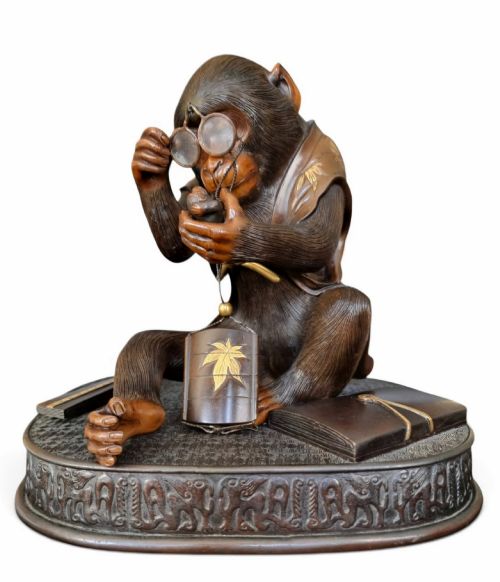
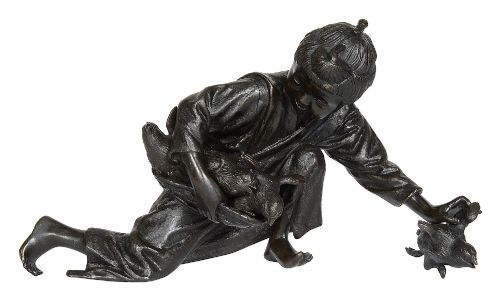
Cold-painted Austrian figures relied on multi-layered enamel paints applied to unheated bronze surfaces, creating vibrant plumage and fur textures. Mixed-metal Japanese okimono combined bronze with various metal alloys to achieve contrasting tonal effects on scholar monkeys and rural scenes.
Antique Bronze Animal Retail Price Guide 2026
Typical asking prices for bronze animal among the pieces listed under this phrase on Sellingantiques today, from the lower quarter to the upper quarter. They describe what is for sale here now, not the wider market.
Listings feature nineteenth-century French Animalier studies alongside Meiji period Japanese okimono and twentieth-century Art Deco bookends.
Distinguishing quality in metal sculptures
Quality rests upon the crispness of the chasing and the fidelity of the surface texture, which dictates how convincingly fur, feather, and muscle are rendered. Finer castings preserve subtle anatomical nuances and artist signatures without obscuring detail beneath heavy patination or thick paint layers.
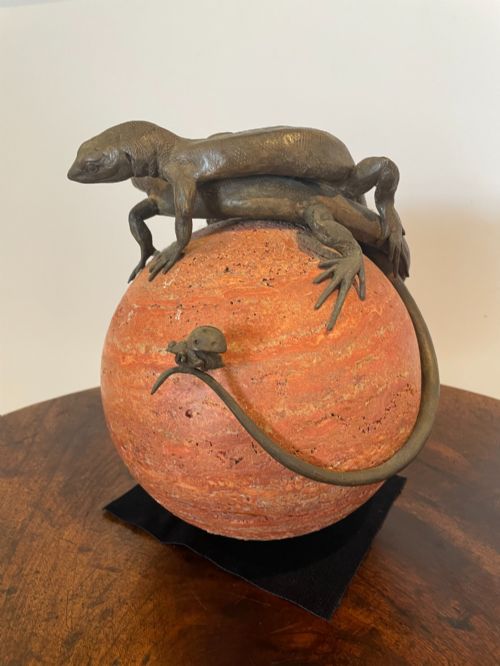
The integration of secondary materials, such as fitted marble or onyx plinths and carved ivory elements, also influences the overall standard of the finished sculpture.
P J Mêne·Franz Bergman·Christophe Fratin·Antoine Louis Barye·Alexandre Ouline
The Antique Bronze Animal Glossary
- Animalier
- A nineteenth-century European artistic movement focused on the realistic depiction of animals, particularly predators and domestic beasts. Practitioners frequently exhibited at the Paris Salon.
- Cold-painted bronze
- A manufacturing technique where bronze sculptures are painted with cold enamel rather than fired in a kiln. This finish requires careful preservation to prevent flaking.
- Okimono
- A Japanese term for a decorative object traditionally displayed in a tokonoma alcove. These sculptures depict animals, figures, and daily scenes from the Meiji period.
- Patinated bronze
- Metal treated with chemical solutions to produce a specific surface colour ranging from deep brown to verdigris green. This coating protects the underlying alloy and defines the visual tone.
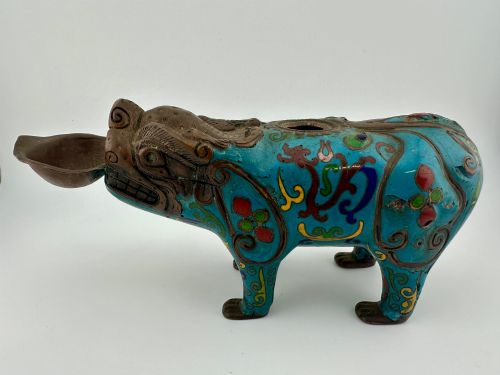
- Cloisonné
- An enamelwork technique where metal wires are soldered to a bronze body to create cells filled with coloured paste. It appears frequently on Chinese mythical beast censers.
Antique Bronze Animal: Frequently Asked Questions
What is an animalier bronze sculpture?
Animalier bronzes are nineteenth-century sculptures focusing on naturalistic depictions of animals in motion or repose. French founders popularised this genre across Europe.
Collectors prize these works for their anatomical accuracy and expressive capture of wildlife behaviour.
How do I identify cold-painted bronze?
Cold-painted bronzes feature hand-applied oil or enamel paints on the metal surface rather than fired ceramic glazes. Austrian workshops specialised in this technique for small bird and mammal figures.
Examination under magnification often reveals brushwork and natural wear patterns characteristic of the period.
Where were Meiji period bronzes made?
Meiji period bronzes originated in Japan during the late nineteenth and early twentieth centuries. Artisans produced detailed okimono and figures for both domestic use and export.
These pieces frequently combine bronze with mixed metals to highlight natural textures.
How should I clean antique bronze?
Antique bronze requires minimal intervention to preserve the original patina accumulated over decades. Dusting with a soft brush is usually sufficient for routine maintenance.
Harsh chemical polishes should be avoided because they strip away historical patination and reduce the value of the piece.