

Antique British Military Art
Antique british military art captures centuries of service through oils, watercolours, and delicate portrait miniatures.
Antique British Military Art
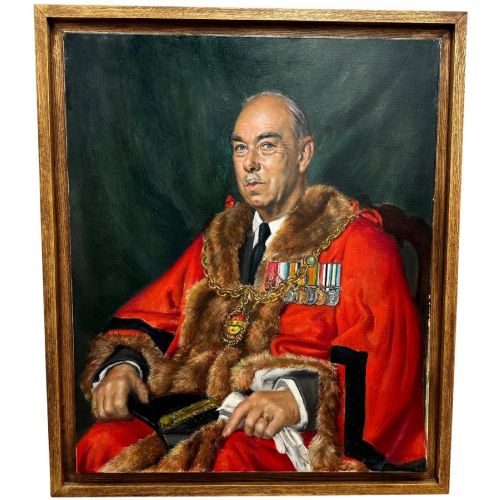
When searching for antique british military art, collectors encounter a diverse record of officers, regiments, and campaigns spanning multiple centuries. These pieces function as both historical documents and fine portraits, capturing individual service members from the 17th century through the mid-20th century.
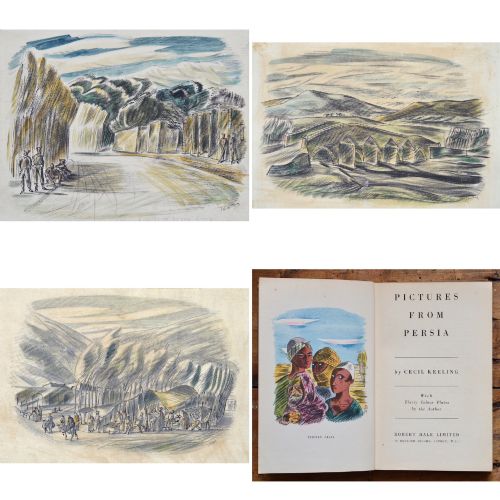
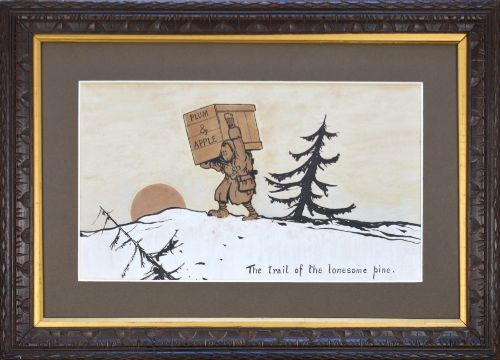
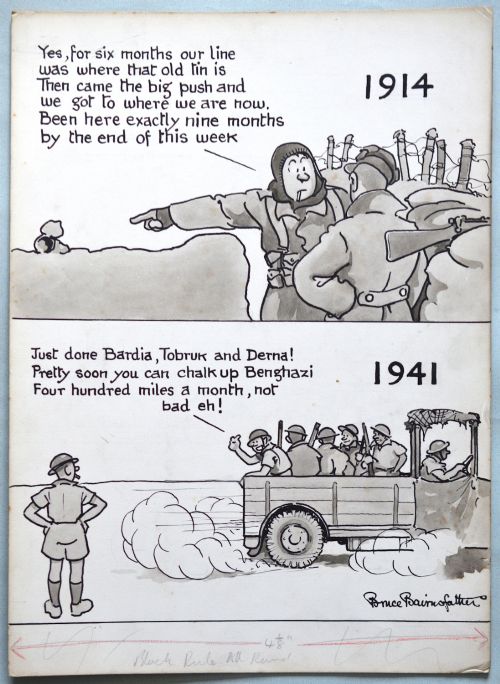
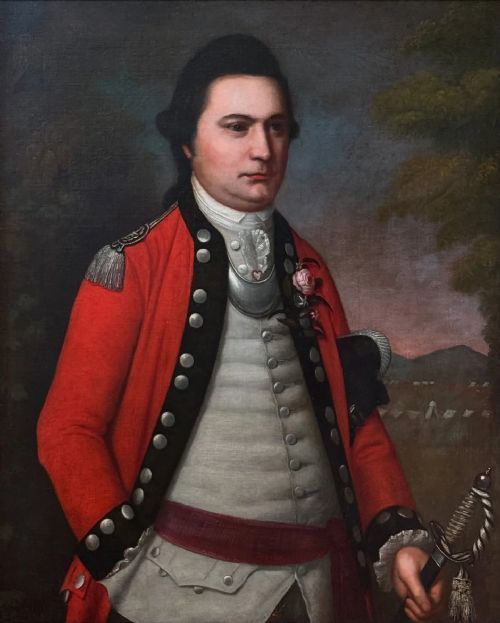
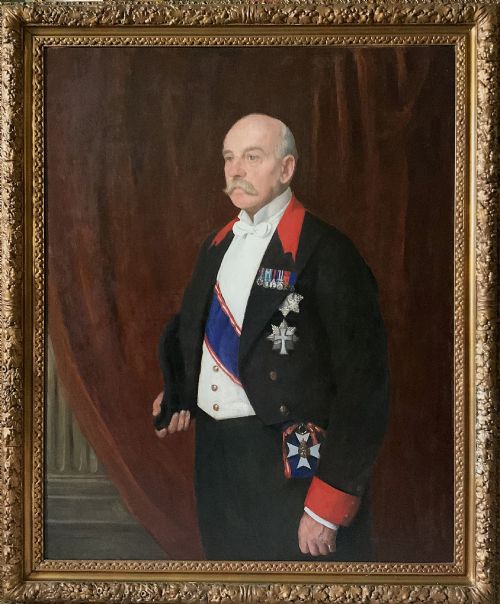
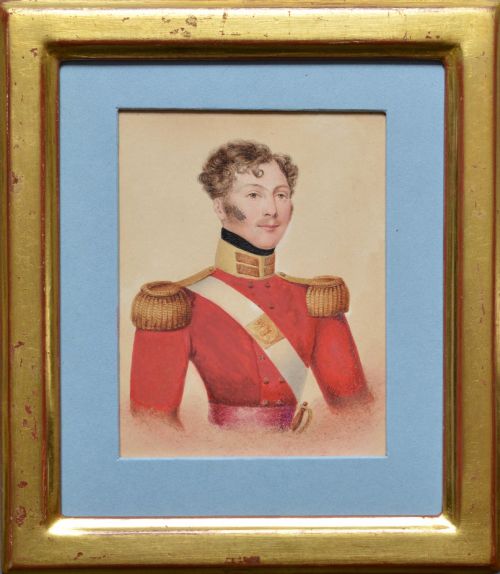
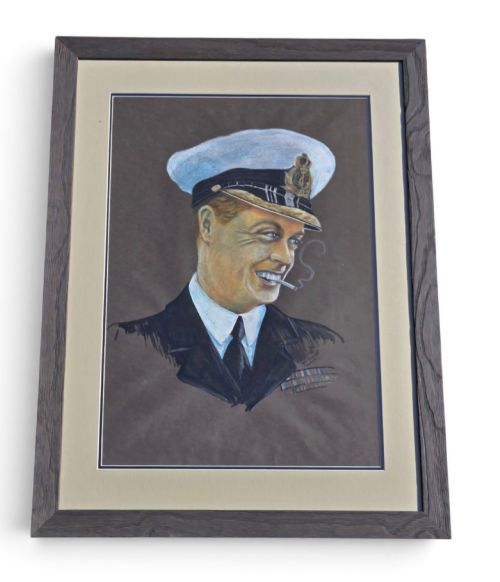
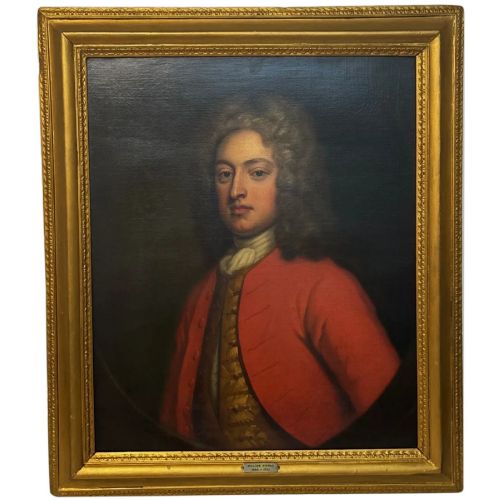
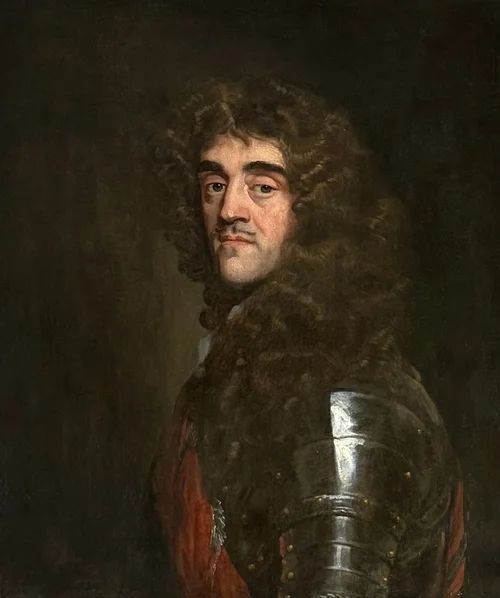
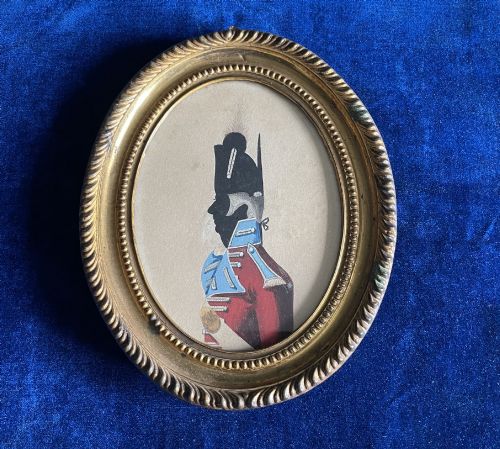
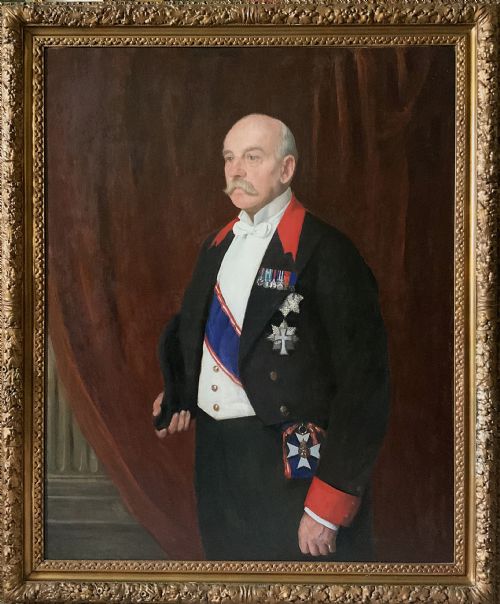
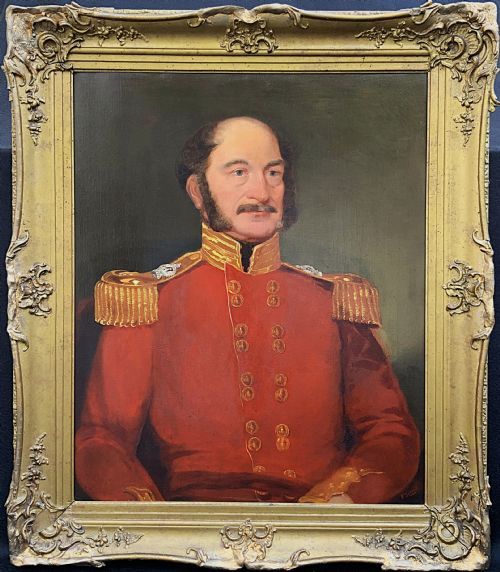
The selections available here lean heavily into portraiture, ranging from monumental oil paintings on canvas down to intimate portrait miniatures framed in gold. Alongside formal oils, buyers find wartime pastel sketches, watercolour studies, and illustrated prints depicting soldiers and sailors.
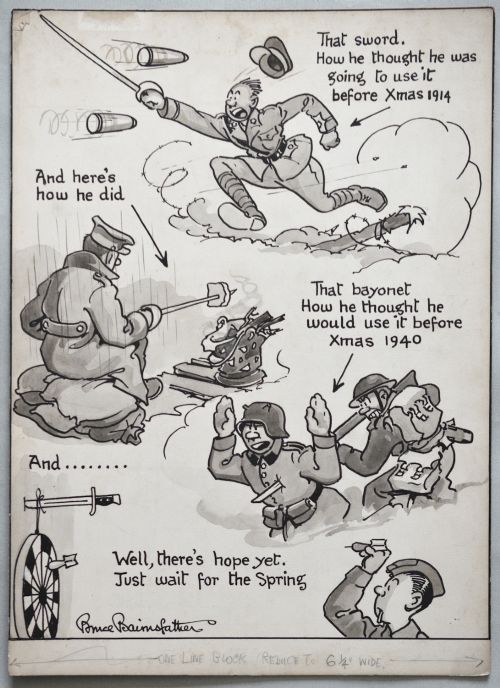
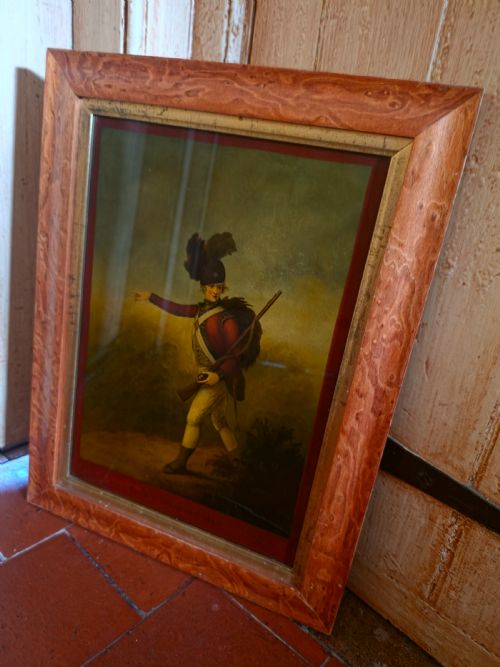
The scope extends from early Georgian officers and redcoat infantrymen to First World War illustrations and Second World War pastel drawings. Each medium offers a direct visual link to the regiments, campaigns, and domestic postings that shaped British military history.
Materials and Technique
The physical construction of these works relies on traditional fine art mediums, predominantly oil on canvas and detailed watercolour on paper. Artists also utilised pastel and gouache for swift wartime sketches, alongside specialised formats such as reverse glass painting and miniature painting on agate panels set in gold.
Frames form an integral part of the construction, with period pieces housed in original giltwood or solid rosewood mouldings. Support structures range from traditional wooden panels and stretched canvases to heavy paper, card, and silk needlework employed in commemorative pieces.
A midshipman contemplates the shore while an infantry officer stands frozen in time.
Markers of Quality
Quality in these works rests upon the precision of the draughtsmanship and the psychological depth of the portraiture. Master portraitists capture specific regimental uniform details, facial expressions, and anatomical proportions with greater clarity than anonymous primitive or provincial hands.
The survival of original framing and unblemished surfaces elevates certain examples above standard archival items. Condition issues such as heavy fading on watercolours, canvas punctures, or later overpainting naturally shift pieces lower within the range.
Bruce Bairnsfather·Bernard Hailstone·Stickland Lowry·John Greenhill·Ernest Crofts
The Antique British Military Art Glossary
- Portrait Miniature
- A small, highly detailed painting, typically executed on ivory, vellum, or card, and frequently mounted in a gold pendant or locket frame.
- Reverse Glass Picture
- An image painted directly onto the back of a glass panel so that the final composition is viewed through the transparent front.
- Giltwood
- Timber, most commonly carved gessoed wood, coated with a thin layer of gold leaf or metal gilt.
- Gouache
- An opaque water-based paint consisting of pigment mixed with a water-soluble binder and added inert white material.
- Campaign Armchair
- A portable piece of seating furniture designed for folding or dismantling for military travel during active service.
Antique British Military Art: Frequently Asked Questions
What periods do these military artworks cover?
The works span from the 17th century through the Georgian, Victorian, and Edwardian eras up to the mid-20th century. Earlier pieces often depict cavaliers and roundheads, while later items document the World Wars.
Collectors can trace the evolution of British uniforms, artistic styles, and military portraiture across this multi-century timeline.
How were portrait miniatures worn or displayed?
Many portrait miniatures were housed in precious metal frames, such as 18th-century gold or pearl-set mountings, designed to be worn close to the body. They functioned as intimate tokens of affection or remembrance for family members left behind during active campaigns.
Over time, collectors transitioned these delicate items from personal adornments into framed wall art and cabinet pieces.
What mediums are most common in military art?
Oil on canvas dominates the formal portraiture, offering large-scale depictions of high-ranking officers and major-generals. Watercolours, pastels, and gouache appear frequently in field sketches and illustrative works.
Alternative formats include reverse glass paintings, wood engravings, and commemorative silk needlework panels.
How do I identify a regiment from the painting?
Uniform details such as red coats, distinct facings, shakos, and cap badges provide primary clues to the specific regiment. Inscriptions on the reverse or within the title often name the sitter, their rank, and their unit.
Cross-referencing historical army lists with the artist's active dates helps confirm the precise posting.