


Antique British Firearm
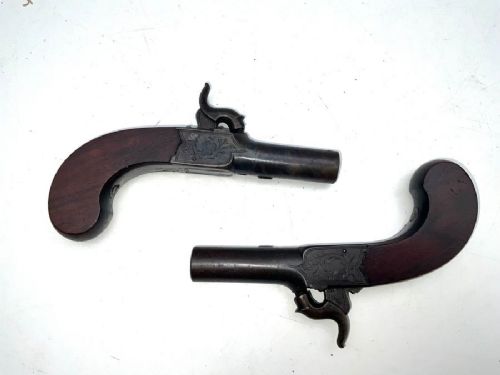
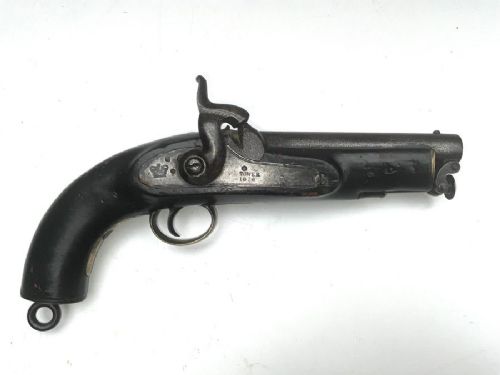
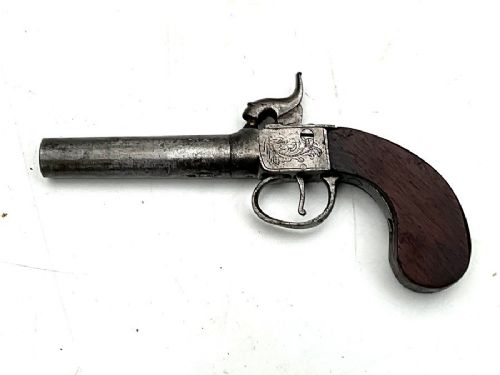
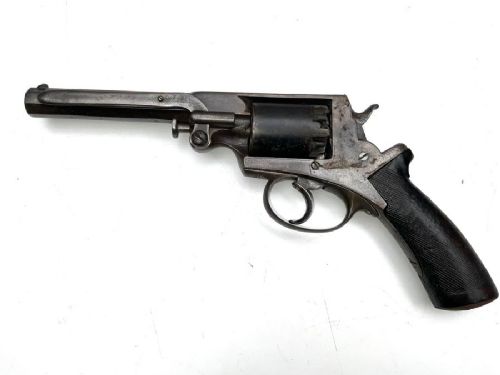
An antique british firearm carries the tactile weight of service, engineering, and craftsmanship from the eighteenth and nineteenth centuries.

Antique British Firearm
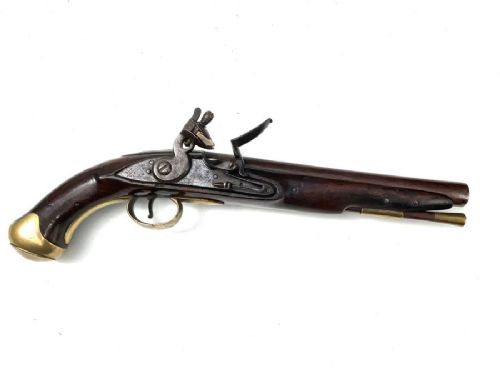
The selection ranges from heavy cavalry holster pistols and smoothbore Brown Bess muskets to rifled longarms like the Enfield and Martini Henry. Many examples originate from military contracts or colonial service, bearing regimental stamps and inspector marks.
Materials and construction
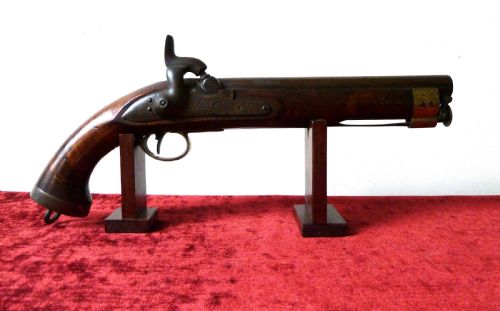
Stocks are predominantly fashioned from dense walnut or seasoned wood, fitted with brass or iron furniture including trigger guards, butt caps, and ramrod pipes. Barrels and locks are forged from steel and iron, machined or hand-finished to withstand black powder ignition.
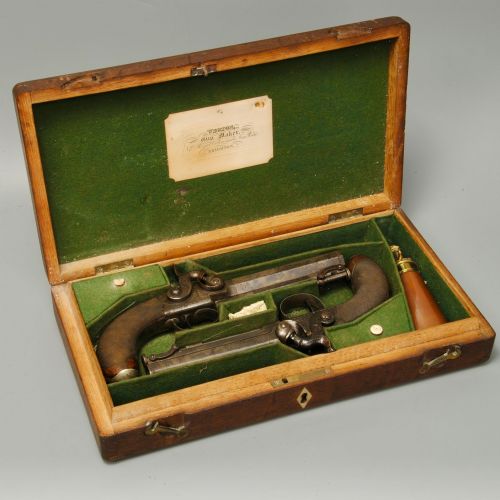
Ignition systems evolved from primitive flintlocks utilising struck sparks to percussion caps that detonated reliably in damp conditions. Wooden stocks often display hand-cut checkering and brass mounts stamped with ordnance proofs.
Mail coach inspectors required specialised overcoat pistols to safeguard transit against highwaymen.
Assessing standard and condition
Quality rests in the crispness of maker signatures, ordnance stamps, and the preservation of original metal finish and stock contours. Untouched components with matching barrel and lock markings command greater regard than altered or heavily polished pieces.
The precision of lock mechanism assembly and the legibility of engraved maker details separate standard contract pieces from bespoke officer commissions. Original accessories such as matching wooden ramrods and designated leather holsters elevate the integrity of a piece.
Harrison of London·Mortimer·T. Potts·Sargant and Son·Dutton·Wilson·Brasher
The Antique British Firearm Glossary
- Flintlock
- An ignition mechanism where a flint strikes a steel frizzen to create sparks that ignite the priming powder. This system preceded the percussion cap throughout the eighteenth and early nineteenth centuries.
- Percussion cap
- A small metal cup containing fulminate of mercury placed on a nipple, struck by the hammer to fire the charge. It replaced the flintlock system around the middle of the nineteenth century.
- Smoothbore
- A firearm barrel lacking internal rifling grooves, designed to fire spherical lead balls. Muskets like the Brown Bess utilised this bore type.
- Proof mark
- An official stamp applied to a barrel after passing pressure testing to guarantee structural safety. London and Birmingham proof houses stamped these symbols onto British arms.
- Furniture
- The metal or brass mounts on a firearm that secure the stock to the barrel and add structural reinforcement. These components include trigger guards, side plates, and butt plates.
Antique British Firearm: Frequently Asked Questions
How do I clean an antique british firearm?
Maintenance requires light conservation using specialised oils on metal surfaces to prevent corrosion without stripping historic patina. Wooden stocks benefit from occasional applications of traditional wax rather than modern varnishes.
Harsh abrasives and chemical solvents must be avoided to preserve original maker stamps, ordnance marks, and aged surface textures.
Can I shoot an antique british firearm?
Firing these historic pieces requires professional inspection by a qualified gunsmith to verify metal integrity and barrel safety under modern black powder loads. Most collectors prefer to retain them as inert display objects rather than risking damage to fragile eighteenth and nineteenth-century mechanisms.
Original components suffer from centuries of metallurgical fatigue, making modern discharge structurally hazardous.
What is a Tower marked firearm?
Tower marked pieces were manufactured for or inspected by the British Board of Ordnance and stamped at the Tower of London. These arms served regular military forces across global campaigns during the Georgian and Victorian eras.
Crown ciphers accompanying the Tower stamp denote the reigning monarch during the period of production.
How do flintlocks differ from percussion pieces?
Flintlocks rely on a piece of flint striking steel to generate a spark into an open pan of powder. Percussion arms use an enclosed hammer striking a primed metal cap to ignite the internal charge.
The percussion system offered faster ignition times and greater reliability in wet weather conditions.