


Antique British Art
When you search for antique british art, you encounter centuries of creative expression in paintings and works on paper.
Antique British Art
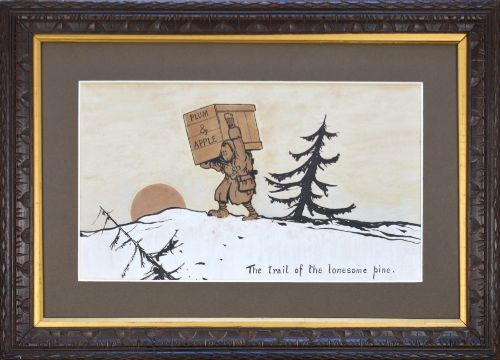
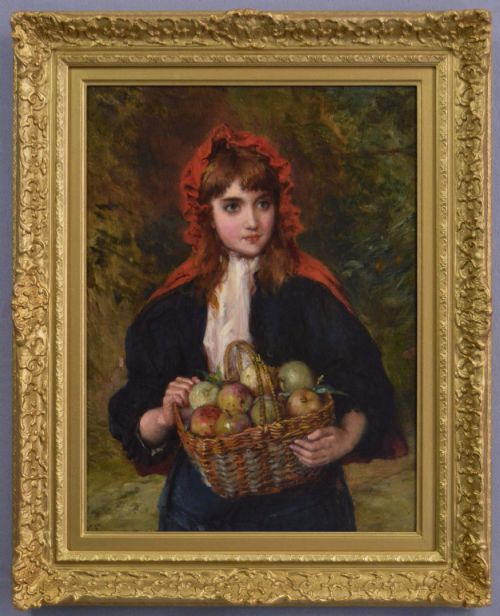
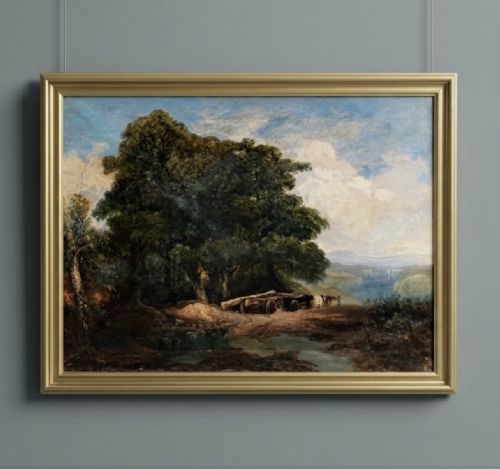
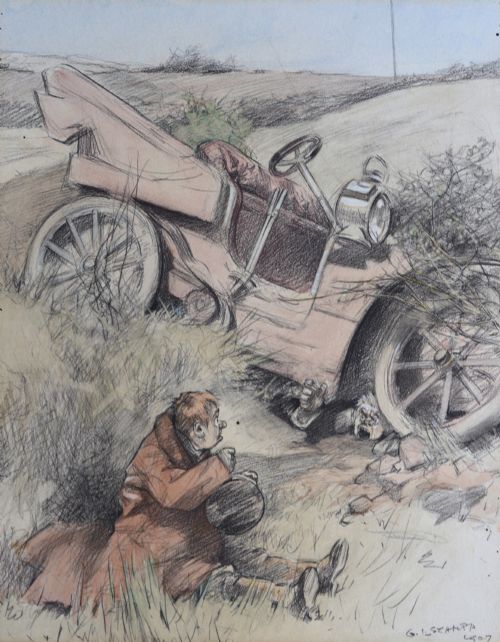
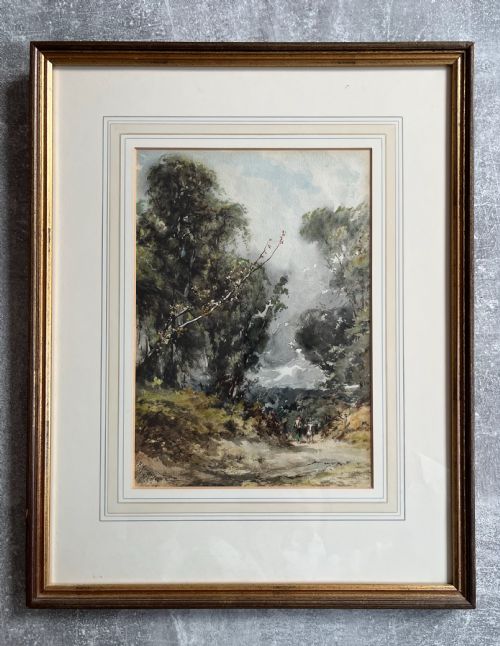
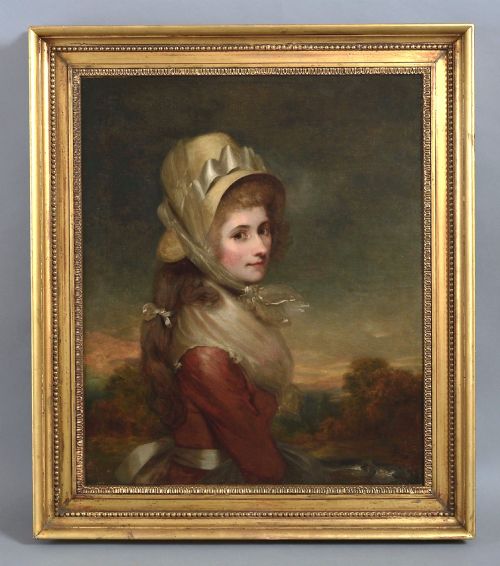
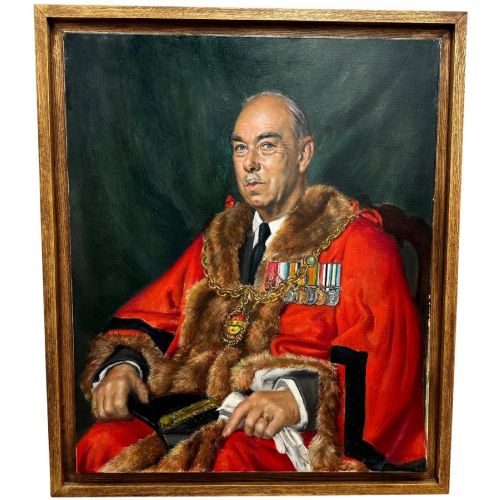
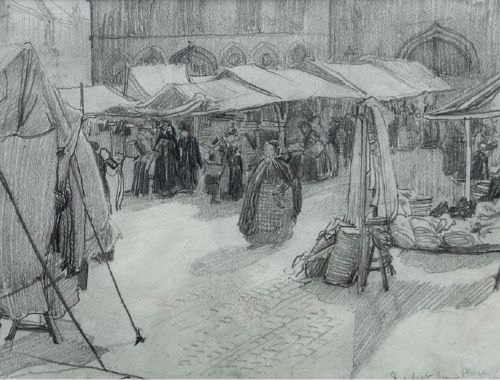
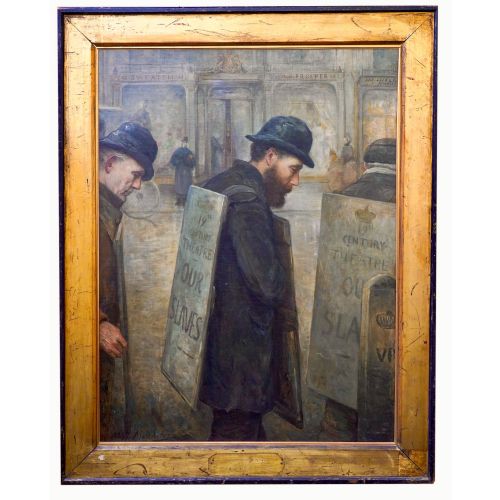
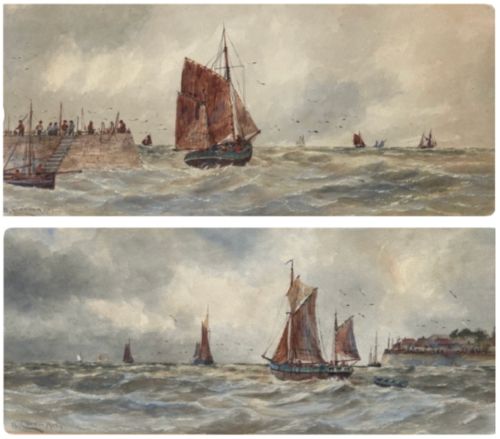
When searching for antique british art, you inspect oil paintings, watercolours, drawings and engravings produced across several centuries. The material ranges from grand portraits on canvas to delicate landscape watercolours on paper and small wood panel works.
The selection on this page frequently includes Victorian and Edwardian pieces alongside Georgian examples and twentieth-century works. These pieces capture domestic scenes, rural landscapes, coastal views and historic portraits.
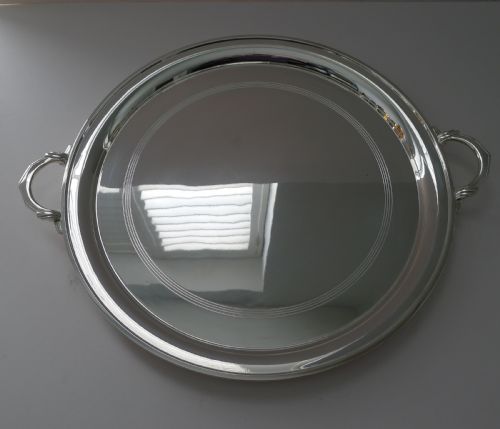
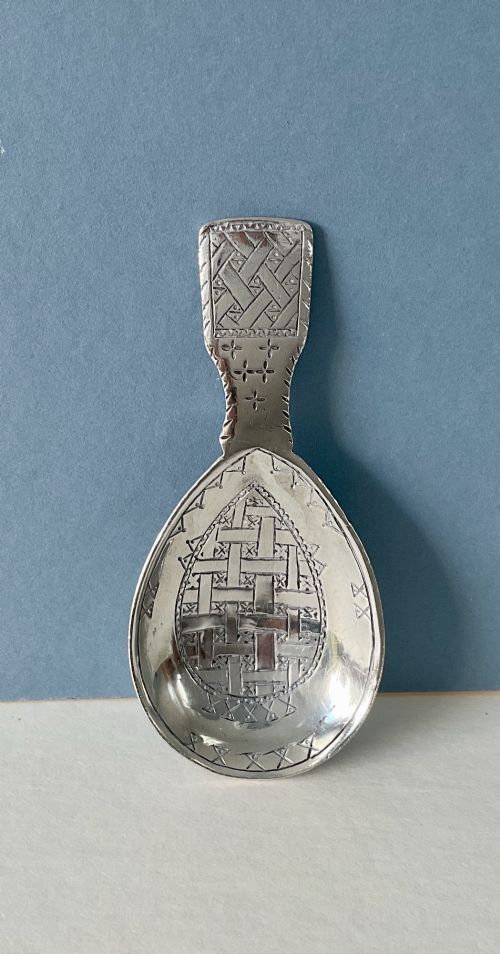
Beyond traditional canvases, the category encompasses specific items like decorative trays, silver bowls, and plaster reliefs. Each object reflects the stylistic shifts from baroque and georgian tastes through to arts and crafts and art deco.
How They Were Made
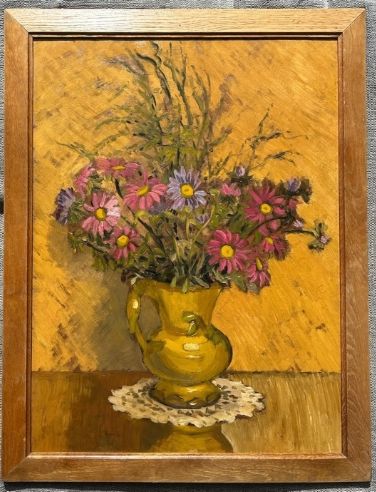
Artists applied oil paint to stretched canvas or wooden panels, building rich textures and deep tones. Watercolours were brushed onto paper, often capturing light and atmosphere with transparent washes.
Engravings and mezzotints utilised metal plates to transfer inked impressions onto paper for multiplication. Giltwood and wood frames were shaped and carved to house these paintings and drawings.
Metal items and silver pieces involved casting, hammering, and detailed silversmithing techniques. Plaster reliefs employed moulded compositions finished with polychrome pigments.
Antique British Art Retail Price Guide 2026
Typical asking prices for british art among the pieces listed under this phrase on Sellingantiques today, from the lower quarter to the upper quarter. They describe what is for sale here now, not the wider market.
Racing pigeons make unexpected art subjects, appearing here alongside grand portraits and landscapes.
What Varies in Quality
Technical mastery of proportion, brushwork and perspective distinguishes accomplished works from simpler studies. The handling of light and shadow in an oil painting reveals the confidence of the hand behind it.
The survival of original surfaces, frames and uncompromised pigments affects the integrity of a piece. Works bearing clear signatures, legible dates and well-documented provenance carry greater historical weight.
Material selection, from heavy sterling silver down to fine paper quality, dictates the durability and execution of the item. The ambition of the composition, whether a grand narrative portrait or a swift coastal sketch, frames the achievement of the maker.
Keith Murray For Mappin And Webb·William Oliver·Richard Sebastian Bond·George Lorain Stampa·Sir Martin Archer Shee·Bernard Hailstone·James Orrock·Henry Percy Huggill·Felix Stone Moscheles·William Cannon·Sir James Dromgole Linton·John R Prentice·William H Myers·George Graham·John Smith·Valentine T Garland·Emily Eyres·Tom Campbell·Alfred Young Nutt·John Maler Collier·Sir Peter Lely·Charles Jervas·Percy Lancaster·William Howard Hardy·Frederick Marriott
The Antique British Art Glossary
- Mezzotint
- A printmaking process where the printmaker works from dark to light by roughening the copper plate. This technique allows for rich tonal gradations and subtle shadows in portraits.
- Oil on Canvas
- Pigments suspended in a drying oil medium applied to a woven fabric support. This combination provides flexibility and allows for deep, luminous colour layering.
- Watercolour
- A painting method where water-soluble pigments are suspended in a water-based solution. Applied to paper, it creates translucent washes of colour.
- Porringer
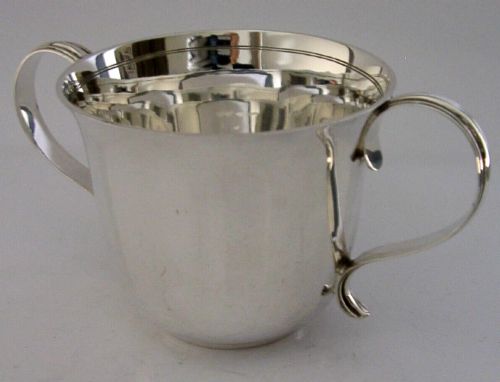
- A small, two-handled bowl used for porridge or broths in historical households. These items showcase domestic metalwork skills in silver.
- Giltwood
- Wood carved and coated with a thin layer of gold leaf. It is commonly found on traditional frames surrounding fine paintings.
Antique British Art: Frequently Asked Questions
What defines british art from the eighteenth century?
Eighteenth-century british art is characterised largely by portraiture, grand landscapes, and meticulous engraving techniques. Artists working during this era often depicted nobility, gentry, and pastoral scenes with formal composition.
These pieces reflect the neoclassical and georgian influences of the period. They provide visual records of contemporary dress, architecture, and society.
How do I care for antique oil paintings?
Antique oil paintings require stable environmental conditions away from direct sunlight and extreme temperature fluctuations. Dust should be removed gently with a soft, dry brush without applying pressure to the canvas.
Avoid using liquid cleaners or household solvents on the painted surface. Professional conservation is recommended for any deeper cleaning or structural repairs.
What is the difference between an oil and a watercolour?
Oil paintings use pigments bound in drying oils applied to canvas or wood panel, allowing for thick impasto and deep colour blending. Watercolours use water-soluble pigments applied to paper, producing light, transparent effects.
Oils are generally framed behind glass only when delicate, whereas watercolours require glass protection to prevent moisture and surface damage.
How can I identify the period of a painting?
Dating a painting involves examining the materials, stretcher frames, canvas type, and stylistic conventions. Signatures, inscriptions on the reverse, and exhibition labels often offer clues to creation dates.
Clothing styles, hair fashions, and landscape details depicted within the artwork also help narrow down the historical era.