

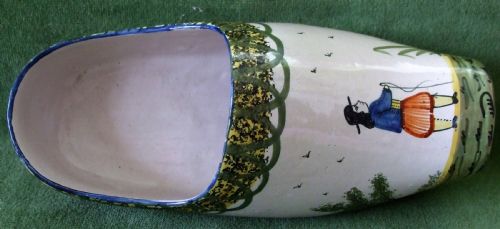


Antique Breton Ceramic
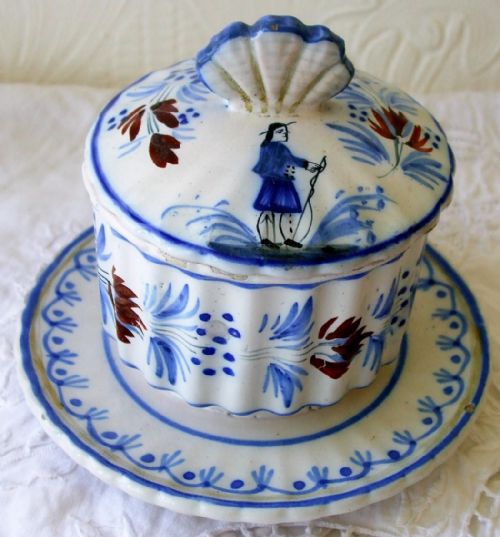
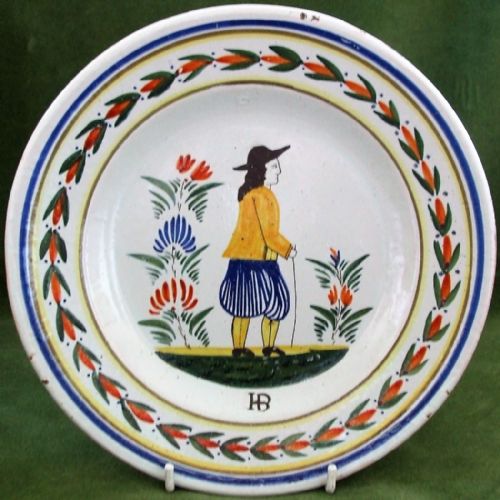
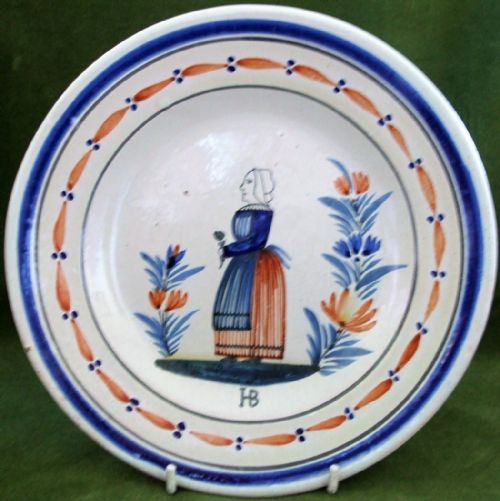
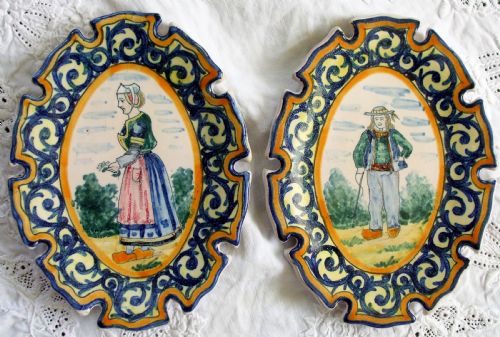
Antique breton ceramic pieces bring rustic French provincial charm to a table with their hand-painted folk art scenes.
Antique Breton Ceramic
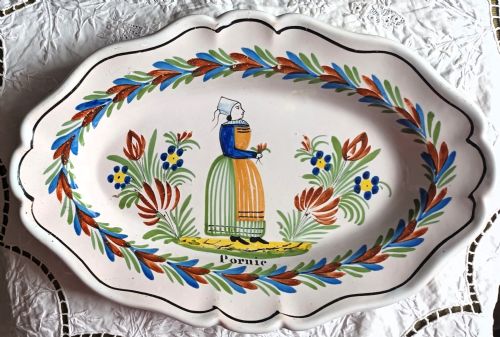
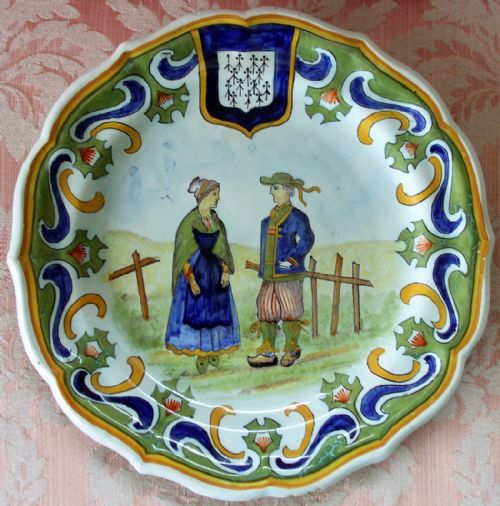
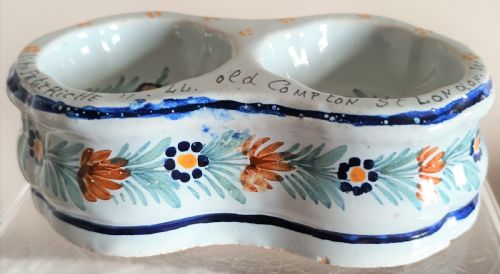
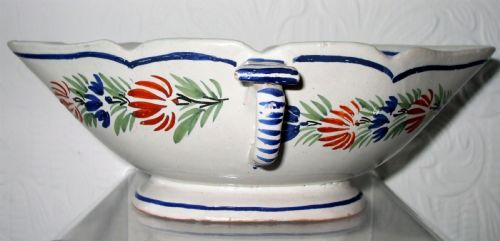
Antique breton ceramic pieces include decorative plates, double sauceboats, double table salts, pin trays, sabots, platters, and serving dishes. These forms represent traditional French country domestic ware created during the nineteenth century and the early decades of the twentieth century.
The regional style relies on French provincial and French country folk art aesthetics. Buyers frequently encounter Quimper and Desvres wares displaying distinct local character across plates, dishes, and small tabletop items.
How antique breton ceramic was made
Potters shaped these items using earthenware and faience, applying tin glaze surfaces to prepare the body for decoration. Pigment was brushed directly onto the unfired or bisque surface to build up the rustic folk art imagery.
The application of glaze sealed the surface and gave the pieces their characteristic glossy finish during firing. Artisans utilised traditional pottery techniques suited to regional French workshops.
Object forms include decorative plates, double sauceboats, salt cellars, sabots, pin trays, and serving dishes.
What varies in quality
The clarity and detail of the hand-painted folk art decoration set individual items apart. Crisp brushwork on regional figures and floral motifs indicates a higher level of workshop execution.
The preservation of the tin-glazed earthenware surface and the consistency of the glaze application determine the visual appeal. Subtle differences in modelling on forms such as sabots and double sauceboats reflect the hand of the maker.
HB Quimper·HR Quimper·Desvres
The Antique Breton Ceramic Glossary
- Faience
- Tin-glazed earthenware produced in Europe, particularly in France. It provides an opaque white background suitable for colourful hand-painted designs.
- Tin Glaze
- A lead glaze made white and opaque through the addition of tin oxide. This surface allowed potters to paint directly onto the unfired glaze.
- Sabot
- A traditional wooden shoe shape rendered in ceramic form. These decorative items served as novelty pieces or small containers in French households.
- Sauceboat
- A vessel designed for serving sauces at the table. Double versions feature two pouring spouts or compartments for different condiments.
- Earthenware
- Porous pottery fired at relatively low temperatures. It requires a glaze, such as tin glaze, to hold liquids.
Antique Breton Ceramic: Frequently Asked Questions
What are antique breton ceramic pieces?
These items are regional French pottery forms, including decorative plates, sauceboats, salts, and pin trays, originating from production centres such as Quimper and Desvres.
They display hand-painted folk art motifs reflecting nineteenth-century and early twentieth-century French provincial life.
How were these ceramics used?
Pieces like double sauceboats and serving dishes functioned directly at the dining table for condiments and meals. Smaller items such as pin trays and sabots served decorative or incidental roles in the home.
Their domestic utility combined visual charm with everyday practicality for rural French families.
How do I live with antique breton ceramic?
Display plates and platters on walls or dressers to showcase their folk art paintings. Keep functional vessels like sauceboats and salts on open shelving or use them gently for display.
Hand washing protects the tin-glazed earthenware surface from modern detergents and thermal shock.
How do I tell periods apart?
Nineteenth-century items often exhibit traditional Quimper markings and looser hand-painted folk art styles. Pieces from nineteen-ten and nineteen-twenty show shifts in factory marks and decorative accents associated with later French faience production.
Comparing workshop initials helps place individual items within their specific era of manufacture.