





Antique Bread Rack
An antique bread rack brings domestic history into a modern kitchen, offering both practical storage and the warmth of well-worn timber or polished silver.
Antique Bread Rack
When you search for an antique bread rack, you encounter a surprisingly varied selection of kitchen furniture, tabletop pieces, and wall-mounted storage. The items range from tall French boulangerie shelves and Welsh oak dressers to smaller silver toast racks designed for the breakfast table.
The pieces appearing on this page span several centuries, drawing on periods from the eighteenth century through to the Art Deco era and the early twentieth century. Oak, sterling silver, wrought iron, and brass dominate the forms, reflecting both rustic farmhouse utility and formal dining room elegance.
How they were made
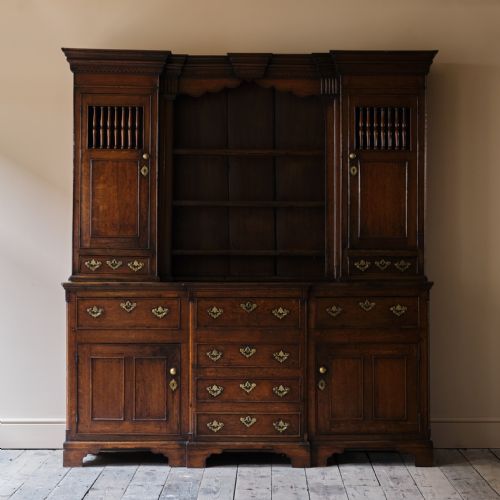
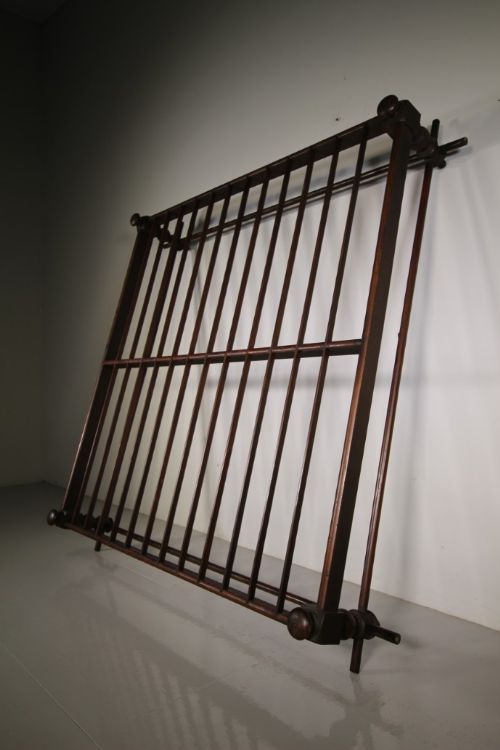
Larger storage units rely heavily on solid timber construction, particularly oak, fashioned with traditional joinery suited to heavy kitchen and pantry use. Metal versions utilise wrought iron or brass, often shaped by hand for structural support in bakery and pantry settings.
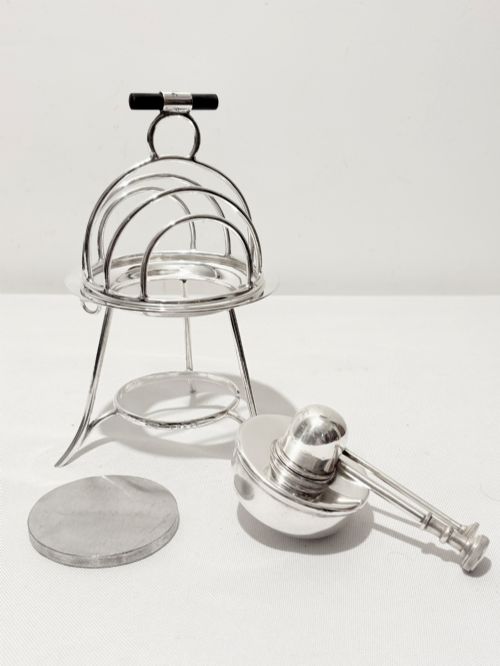
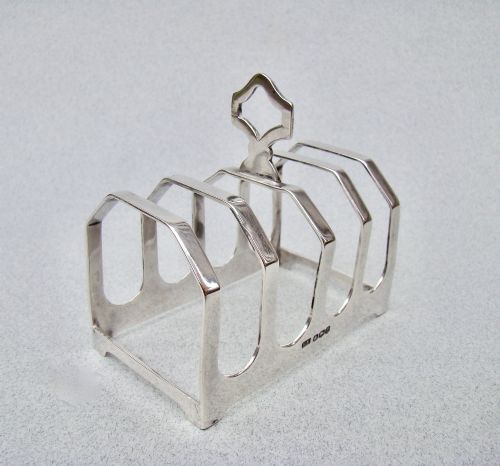
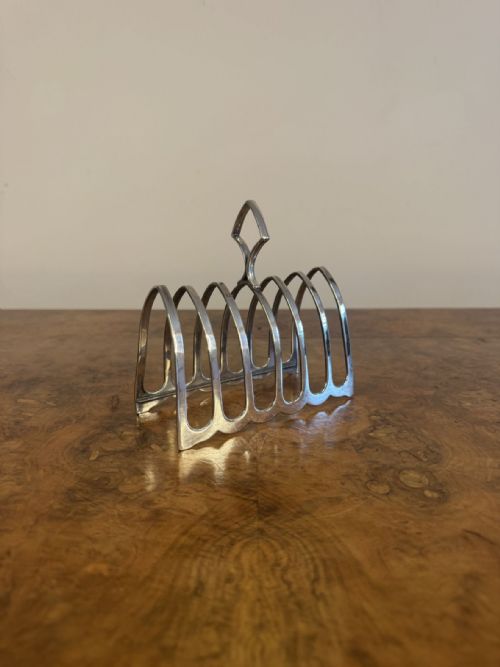
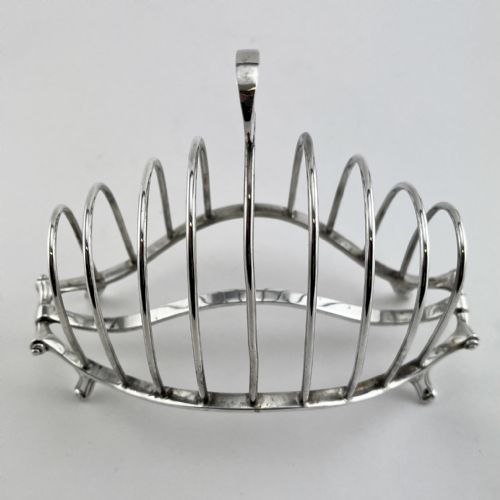
Tabletop examples demonstrate silversmithing techniques, utilising sterling silver or silver plate over nickel silver or steel. Makers employed soldering, hallmarking, and wire-bending to create individual divisions for toast.
Antique Bread Rack Retail Price Guide 2026
Typical asking prices for bread rack among the pieces listed under this phrase on Sellingantiques today, from the lower quarter to the upper quarter. They describe what is for sale here now, not the wider market.
Even the humblest slice of morning toast once demanded its own dedicated silver architecture.
What varies in quality
The distinction between standard domestic items and finer pieces lies in the weight of the materials and the precision of the construction. Solid oak furniture shows careful attention to timber selection and structural integrity, while silver items display crisp hallmarks and balanced proportions.
Maker attribution also influences standing, as marked pieces from established silversmiths or recognised firms carry distinct indicators of quality. Surface patination, the depth of wear on timber, and the preservation of silver plating reveal how a piece aged through active daily use.
Mappin and Webb·Roberts and Belk·Elkington
The Antique Bread Rack Glossary
- Toast rack
- A small tabletop framework with metal divisions designed to hold slices of toast upright and prevent them from becoming soggy. These pieces usually feature a central carrying loop and small feet.
- Boulangerie rack
- A tall metal or wire shelving unit originating in French bakeries for cooling and displaying loaves. They are built with open sides to allow air circulation around bread.
- Dresser
- A large wooden kitchen or dining room furniture piece incorporating shelves, cupboards, or drawers. Welsh country examples often combine plate racks with base storage.
- Hallmark
- An official stamp applied to precious metals indicating the standard of purity, the assay office, and the date letter. These marks help identify the origin of silver items.
- Electroplated nickel silver
- A base metal alloy of copper, nickel, and zinc coated with a thin layer of pure silver through an electrolytic process. This technique provided an affordable alternative to solid silver.
Antique Bread Rack: Frequently Asked Questions
What is the difference between a bread rack and a toast rack?
Bread racks generally refer to large freestanding wooden or metal shelving units used in bakeries or country kitchens for storing loaves of bread and baking equipment. Toast racks are small tabletop tableware accessories designed specifically to hold individual slices of hot toast.
While both share a function of holding bread products, their scale and context differ entirely. One belongs in the pantry or kitchen floor space, while the other sits upon the formal dining table.
How were boulangerie racks used originally?
French boulangerie racks served in commercial bakeries to hold freshly baked bread as it cooled on the shelves. Their open wire or metal construction allowed maximum air circulation around the loaves.
Today, these industrial pieces find new life in domestic interiors as open shelving for books, linens, or kitchenware. Their robust metal frames suit modern utility rooms and living spaces alike.
Are silver toast racks safe to use today?
Silver toast racks remain completely functional for serving food at the breakfast table. Sterling silver and silver-plated items require only gentle cleaning with appropriate polish to maintain their finish.
Using them daily adds utility to historic craftsmanship. Regular handling also prevents heavy tarnish from accumulating on the metal.
How do I date an oak kitchen rack?
Dating wooden kitchen racks involves examining the tool marks, construction methods, and the type of timber used. Eighteenth and nineteenth-century pieces often exhibit hand-cut joints and distinct surface patination acquired through decades of exposure to kitchen environments.
Hardware, such as iron hooks or hinges, also provides clues to the manufacturing period. Secondary woods used in the backing or internal structure help confirm the era of origin.