




Iron Bakers Rack
An iron bakers rack brings robust utility and classic French style to a kitchen or dining room.
Iron Bakers Rack
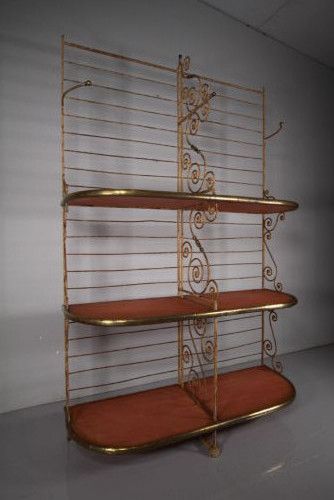
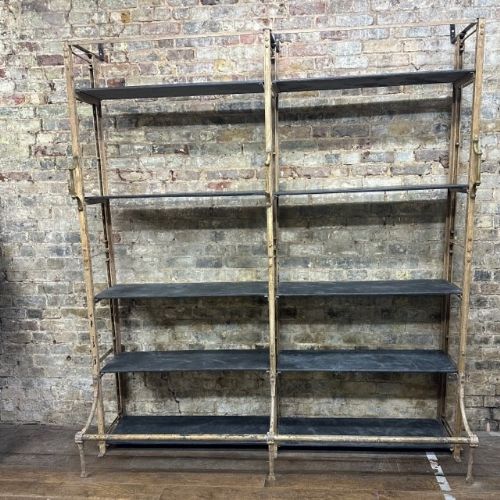
An iron bakers rack is a functional shelving unit historically used in European patisseries and boulangeries for cooling bread and pastries. When you search for an iron bakers rack, you are looking at substantial storage furniture designed with open metal frameworks.
The versions you are most likely to meet on this page hail from the nineteenth century and the early twentieth century. They manifest in forms such as bakers racks, shelving units, display shelving, and plant stands.
Most examples lean towards French Country, French Industrial, and Victorian aesthetic traditions. They originate predominantly from French and English workshops, offering durable display space for contemporary homes.
How they were made
Makers constructed these racks using sturdy metals like wrought iron, cast iron, steel, and painted metal, frequently combining them with brass details. This robust metalwork provides the structural backbone necessary for heavy commercial use.
Shelving surfaces often incorporate natural materials such as slate or timber like pine to balance the coldness of the metal frame. Skilled artisans utilised scroll-work and stamping techniques to ornament the ironwork, blending decorative flair with industrial utility.
One signed nineteenth-century rack carries the stamp of Dubois of Lyon, proving that even bread shelves once boasted high fashion.
What varies in quality
The distinction between standard utility shelving and superior examples lies in the finesse of the metalwork and the originality of the components. Pieces featuring intricate scroll-work and stamped maker details demonstrate a higher grade of craftsmanship.
Material combination also defines the hierarchy, particularly the inclusion of heavy slate shelving or solid brass elements alongside wrought iron. The integration of authentic period patination and structural integrity separates workshop-floor survivors from ordinary storage.
Dubois of Lyon
The Iron Bakers Rack Glossary
- Wrought iron
- Iron that has been heated and worked with tools, known for its fibrous texture and malleability. It forms the durable scroll-work seen in many traditional French bakery racks.
- Boulangerie
- A French bakery establishment. These racks originally served inside these shops for cooling and displaying fresh loaves.
- Patisserie
- A French pastry shop. Racks from these environments often exhibit refined decorative metalwork suited to front-of-house display.
- Scroll-work
- Ornamental spiral or curved scroll designs forged into metal. This technique adds visual lightness to heavy iron structures.
- Slate
- A fine-grained metamorphic rock used for shelving inserts. It provides a cool, smooth, and durable surface for food preparation and display.
Iron Bakers Rack: Frequently Asked Questions
What is an iron bakers rack?
An iron bakers rack is a heavy-duty metal shelving unit originating from nineteenth and early twentieth-century European bakeries. They were built to hold cooling bread and pastries in commercial settings.
Today, these robust pieces function as decorative storage and display furniture in domestic kitchens, living spaces, and gardens. Their open metal frames provide practical vertical storage without blocking light.
How were bakers racks used originally?
Bakers used these racks in boulangeries and patisseries to store and cool freshly baked goods straight from the oven. The open shelving design allowed air to circulate around loaves and pastries.
Some variations served as shop display stands to showcase goods to customers before purchase. Their sturdy construction easily supported heavy trays of dough and metal baking equipment.
How do I style an iron bakers rack?
Integrate an iron bakers rack into a kitchen or dining room to hold heavy cookware, crockery, and cookbooks. The open metal shelves keep everyday items accessible while adding industrial character to the room.
You can also utilise plant stand variants to display potted greenery, or place them in living areas for books and ornaments. Their neutral metal and slate tones complement both traditional and modern interiors.
How can I tell the age of a rack?
Examine the construction methods, materials, and stamps to determine the period of a rack. Nineteenth-century examples often feature hand-forged wrought iron, scroll-work, and heavy slate or timber shelves.
Early twentieth-century pieces may incorporate steel or painted metal finishes alongside industrial framing techniques. Maker stamps or workshop signatures can also pinpoint the exact origin and manufacturing era.