




Antique French Shelving
Antique french shelving brings together practical storage and decorative display, offering everything from tall open bookcases to iron bakers racks for the home.
Antique French Shelving
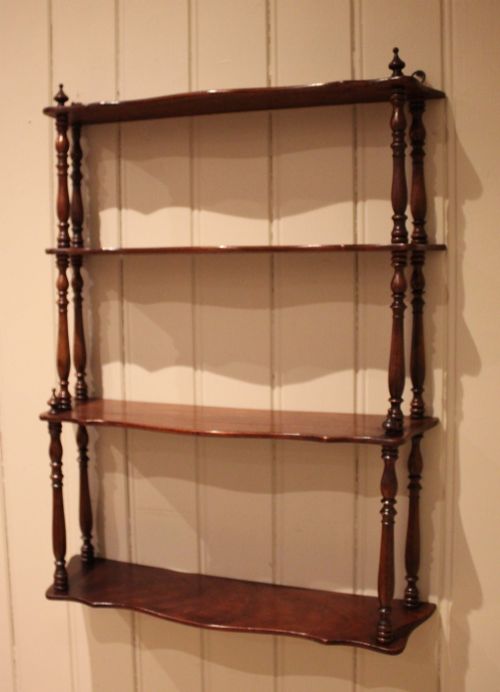
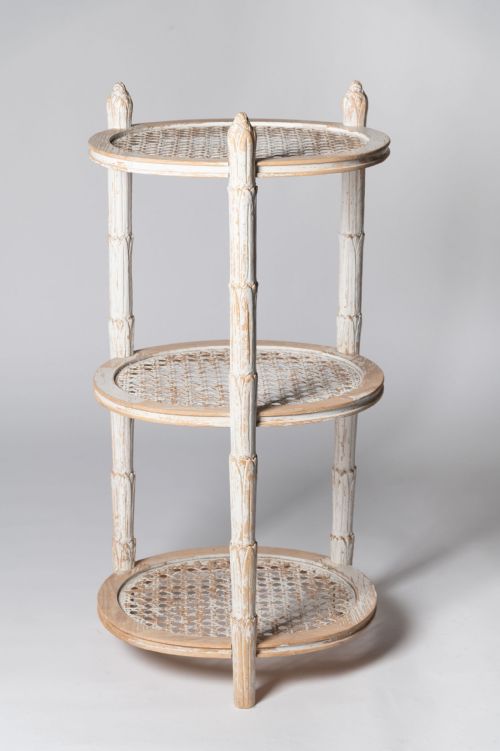
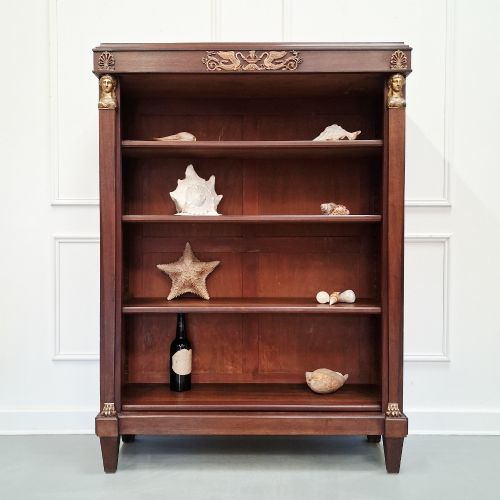
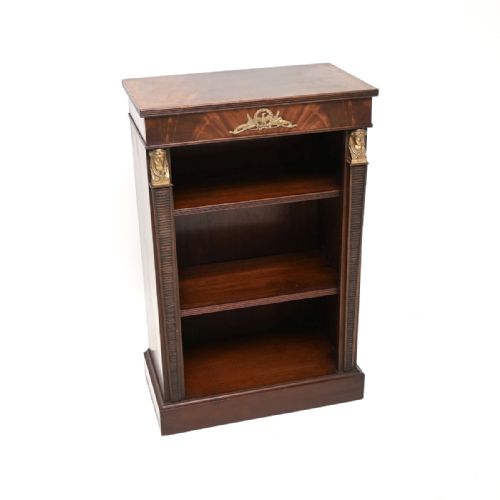
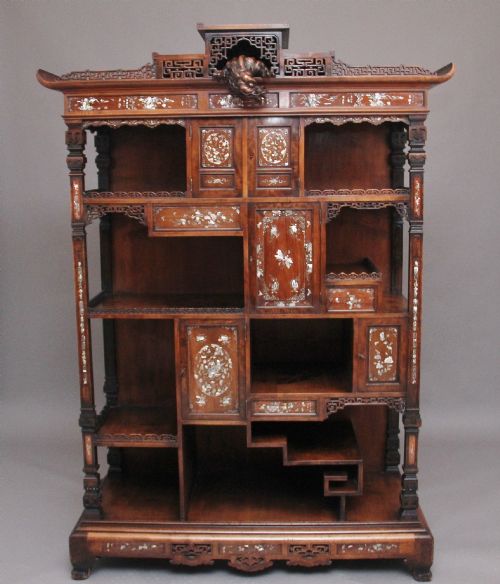
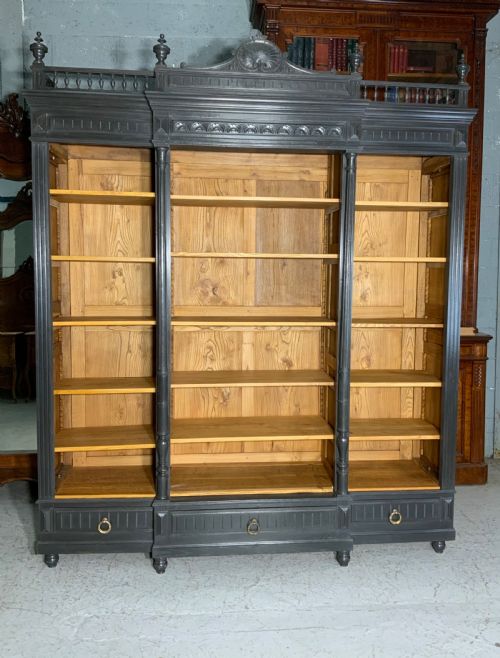
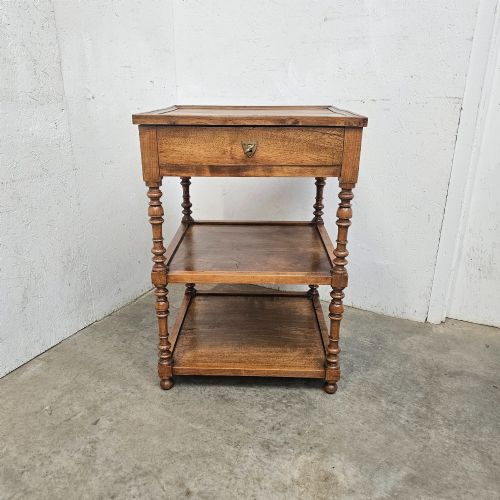
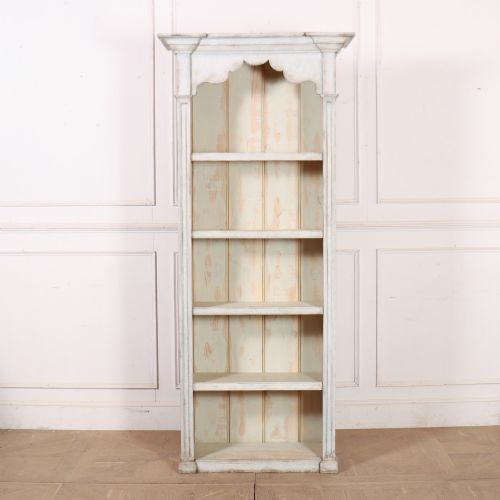
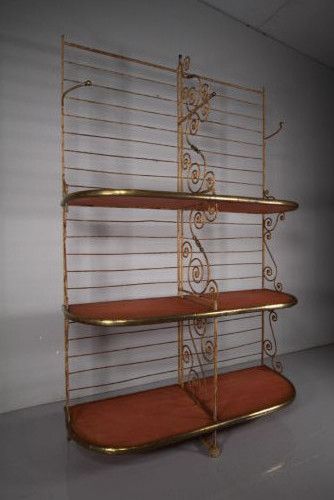
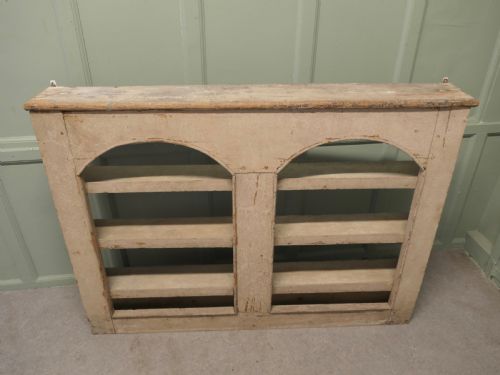
When hunting for antique french shelving, buyers encounter a diverse range of forms spanning open bookcases, etageres, wall brackets, and large bakers racks. These pieces predominantly emerge from the nineteenth century, reflecting periods such as Victorian, Napoleon III, and Edwardian eras.
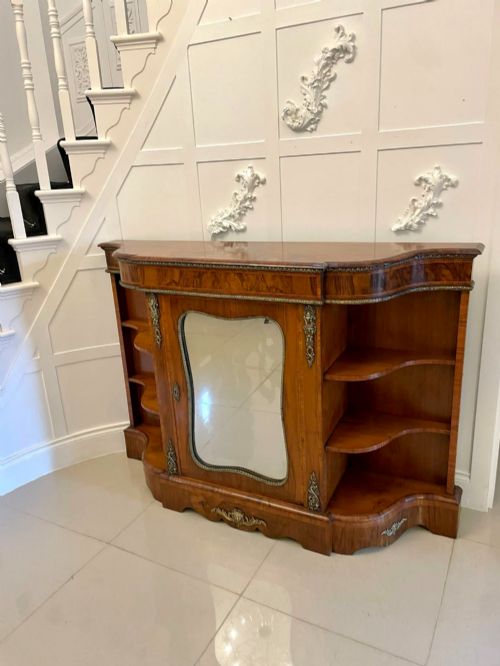
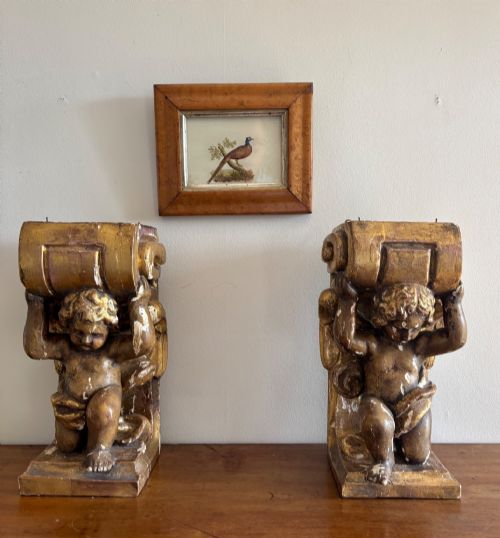
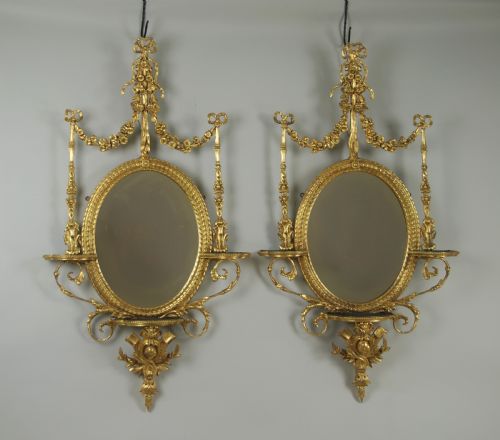
The selection on this page frequently includes walnut, mahogany, and painted pine library bookcases alongside wrought iron patisserie racks. Smaller wall-mounted items, such as giltwood brackets and waterfall shelves, also appear regularly to provide compact display options.
Provincial and chateau styles dominate the aesthetic, ranging from rustic oak cupboards to highly polished ormolu-mounted rosewood etageres. Pieces span various decades from the eighteen-seventies through to the nineteen-thirties, showing continuous craftsmanship across centuries.
Materials and construction methods
Craftsmen utilised solid timbers such as walnut, oak, and mahogany for structural frameworks, often applying rosewood, kingwood, or satinwood veneers alongside intricate parquetry inlay. Pine and softwood served as the foundation for painted or gesso-finished items intended for domestic interiors.
Metalwork played a significant role, with cast brass, gilt bronze ormolu mounts, and hand-forged wrought iron utilised for structural support, embellishments, and bakers racks. Carved giltwood and turned wooden elements, including bobbin-moulded supports, added decorative detail to wall shelves and etageres.
Antique French Shelving Retail Price Guide 2026
Typical asking prices for french shelving among the pieces listed under this phrase on Sellingantiques today, from the lower quarter to the upper quarter. They describe what is for sale here now, not the wider market.
Dubois of Lyon left us a towering nine-foot six-inch bakers rack, proving that nineteenth-century bakers took their shelving vertical.
Distinguishing quality in construction and ornament
The standard of antique french shelving is evident in the selection of timbers and the precision of cabinetmaking joints, where finely figured veneers and tight parquetry distinguish superior examples from plain utility pieces. Hand-carving depth and the crispness of turned wooden legs reveal the skill invested by the maker.
Metal mounts elevate a piece significantly when cast bronze ormolu is crisply chased and securely fitted to the woodwork rather than stamped from thin sheet brass. Original painted finishes and patination preserved over generations separate well-retained items from heavily restored alternatives.
Dubois of Lyon
The Antique French Shelving Glossary
- Etagere
- A tiered piece of furniture with open shelves designed for displaying small objects and ornaments.
- Cartonnier
- A desktop cabinet fitted with shelves or compartments specifically for holding papers and documents.
- Ormolu
- Gilded bronze mounts applied to furniture as decorative hardware and corner embellishments.
- Baker rack
- A large iron or metal shelving unit historically used in commercial food preparation but now utilised in domestic kitchens and living spaces.
- Parquetry
- Geometric wood inlay patterns assembled from small veneer tiles to create decorative surfaces on tabletops and shelves.
Antique French Shelving: Frequently Asked Questions
What rooms suit antique french shelving?
Open bookcases and etageres fit well in studies or living rooms to hold books and display decorative ceramics.
Smaller wall brackets and waterfall shelves work effectively in hallways or bedrooms where floor space is limited.
How do I care for wooden shelves?
Dust surfaces regularly with a dry cloth and apply natural beeswax occasionally to nourish old timber and veneers.
Keep pieces away from direct sunlight and radiators to prevent the wood from warping or cracking.
Can iron bakers racks support heavy items?
Wrought iron bakers racks were originally built for heavy commercial kitchen use and offer robust structural strength.
They easily support heavy cookware, plants, or large collections of books without bending.
How do I identify nineteenth-century pieces?
Examine the construction joints, timber types, and backboards to spot hand-cut elements typical of older manufacturing methods.
Stylistic cues like Empire proportions, ormolu mounts, and hand-turned bobbin legs often point toward nineteenth-century origins.