
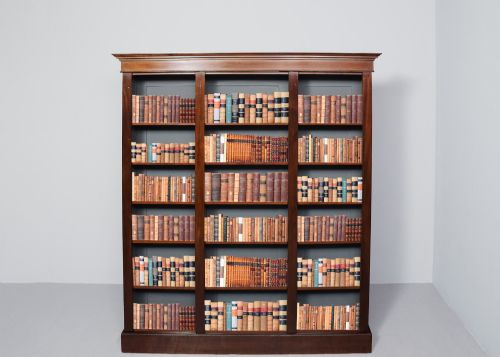
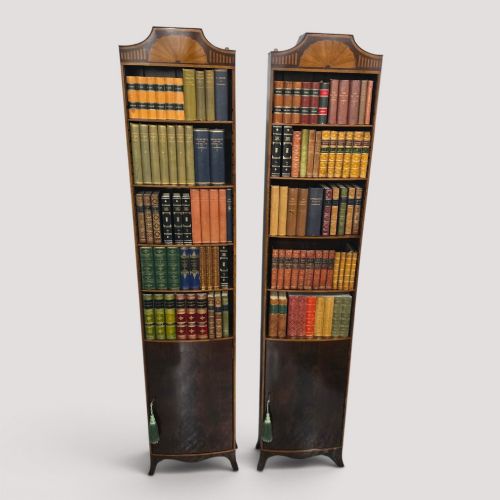
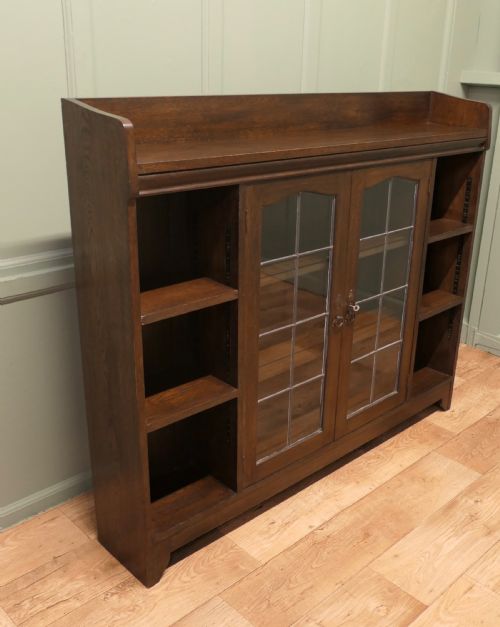
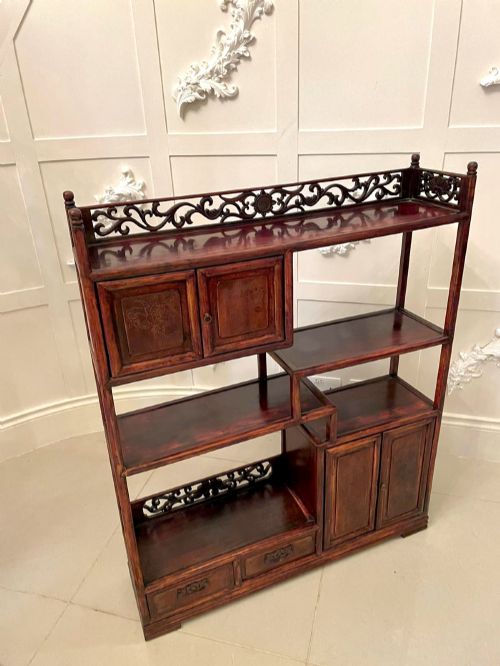


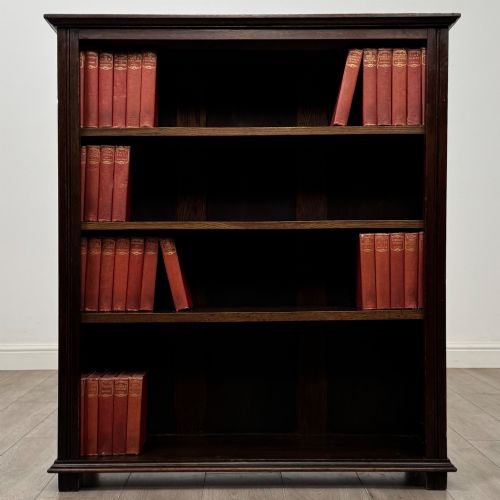
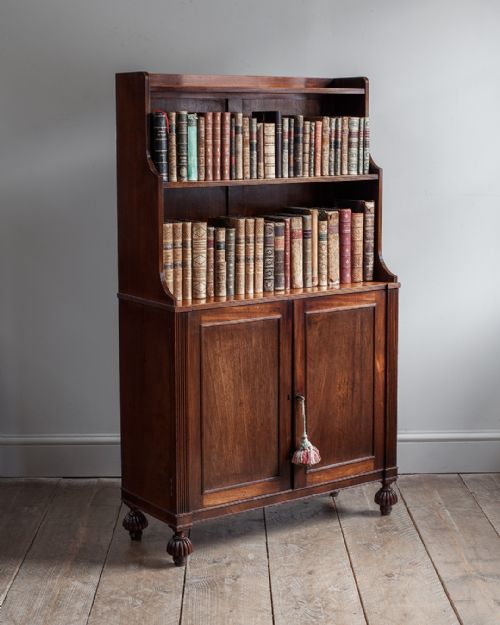
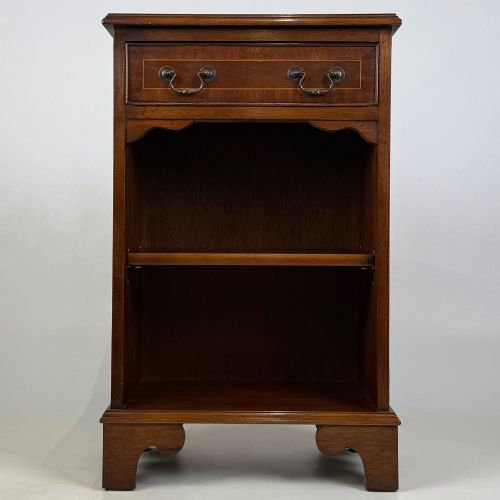
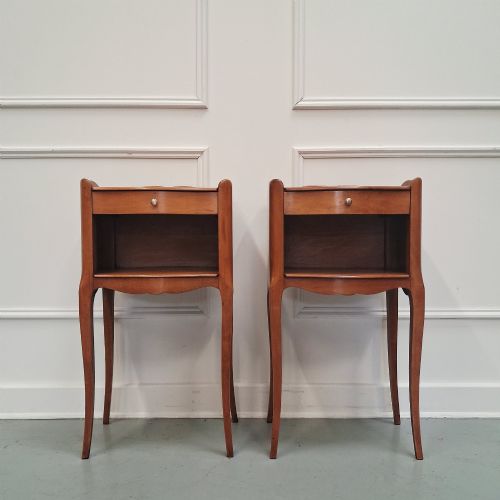
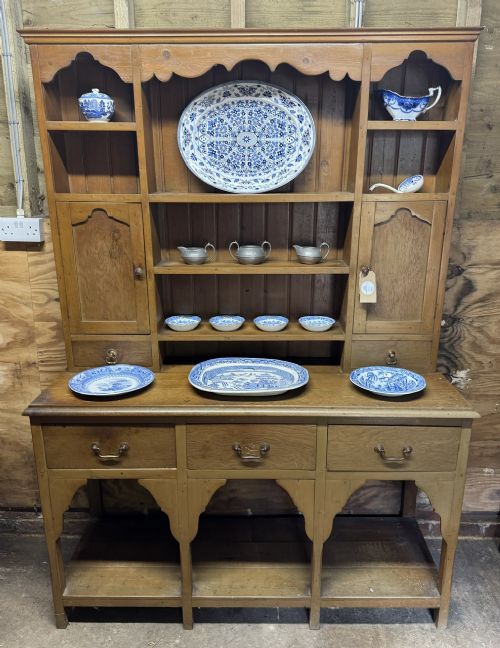
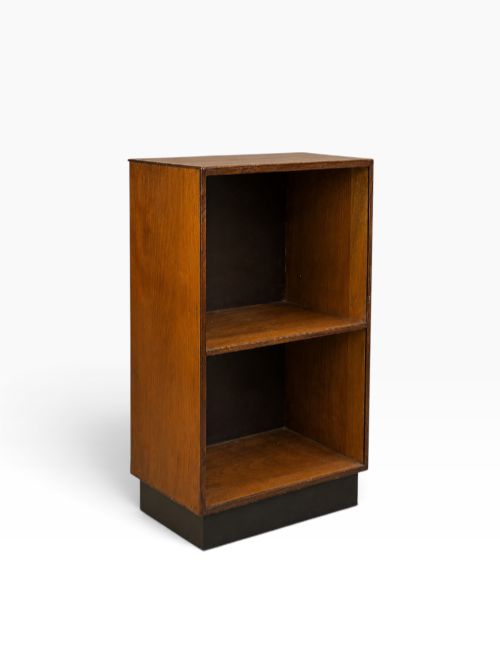
Vintage Open Cabinet
A vintage open cabinet brings instant character to a room while keeping your books and displays accessible.
How they were made
Cabinet makers utilised a range of solid timbers, predominantly mahogany, oak, walnut, and pine, often complemented by decorative veneers like burr walnut or satinwood. Brass hardware and inlay work appear on specific revival and Edwardian pieces, adding refined detail to the construction.
Construction techniques evolved across the periods represented, from nineteenth-century hand-jointed cabinetry to early twentieth-century production methods. Surfaces received various finishes, including polished wood, painted treatments, and original patinas that highlight the natural grain of the elm, birch, or hardwood.
What varies in quality
The standard of a vintage open cabinet depends heavily on the selection of timber and the precision of the joinery. Finer pieces display carefully matched veneers, sophisticated inlay work, and robust construction that withstands decades of use.
Listings feature woods including mahogany, oak, walnut, pine, ash, elm, and satin birch across multiple centuries.
Heals·Whytock and Reid
The Vintage Open Cabinet Glossary
- Waterfall bookcase
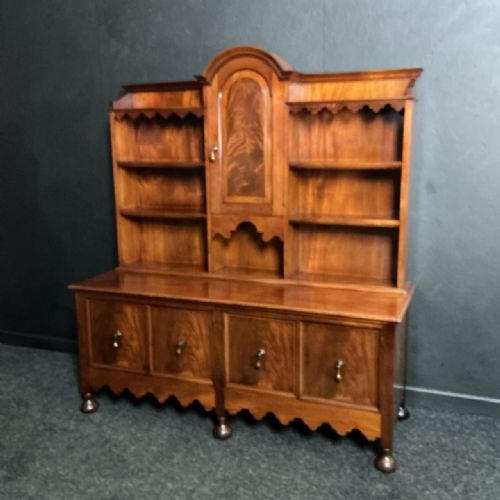
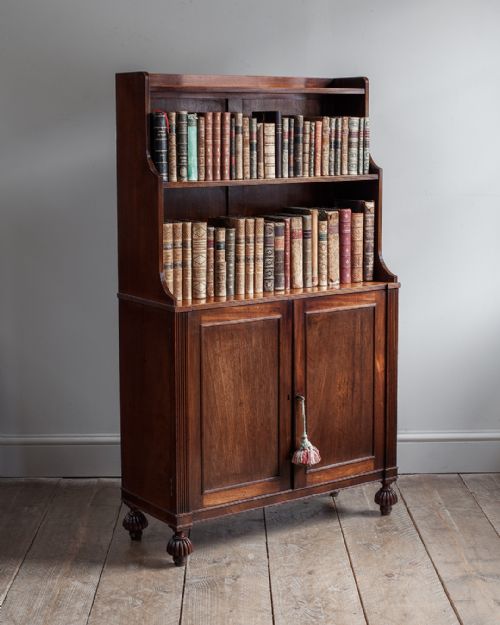
- A shelving unit with tiers that step back progressively from bottom to top, often featuring curved sides.
- Dresser
- A piece of furniture incorporating shelving or cabinetry, frequently used for display and storage in kitchens or living spaces.
- Veneer
- A thin layer of finer wood applied to a base timber surface to provide decorative grain patterns.
- Etagere
- A set of open shelves for displaying small objects, typically supported by slender columns or legs.
- Patina
- The surface sheen and colour developed on wood through age, use, and polishing.
Vintage Open Cabinet: Frequently Asked Questions
What is a vintage open cabinet?
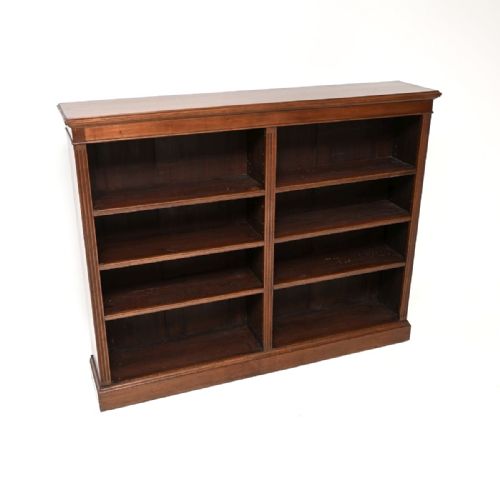
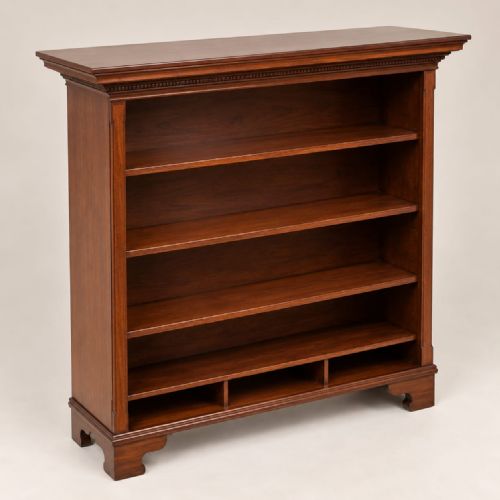
A vintage open cabinet is a piece of storage furniture without doors, designed to display books, ceramics, or decorative objects on accessible shelves.
These pieces encompass bookcases, display shelves, and dressers originating from the nineteenth and twentieth centuries in various woods.
How do I date an open cabinet?
Dating relies on identifying the prevailing style, construction methods, and timber choices characteristic of periods like Victorian, Edwardian, or Art Deco.
Details such as inlay styles, turning on legs, and the type of wood finish help narrow down the decade of production.
Where should I place one?
These cabinets suit living rooms, studies, and bedrooms where easy access to books or display items is desired.
Smaller units function well as bedside tables or corner shelves, while larger bookcases anchor the main walls of a room.
How do I care for the wood?
Maintain the timber by keeping the cabinet away from direct heat sources and strong sunlight that can dry out the finish.
Regular dusting with a soft cloth and occasional application of appropriate furniture wax preserves the surface patina.