
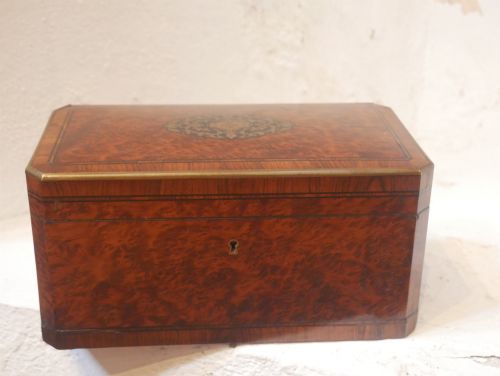
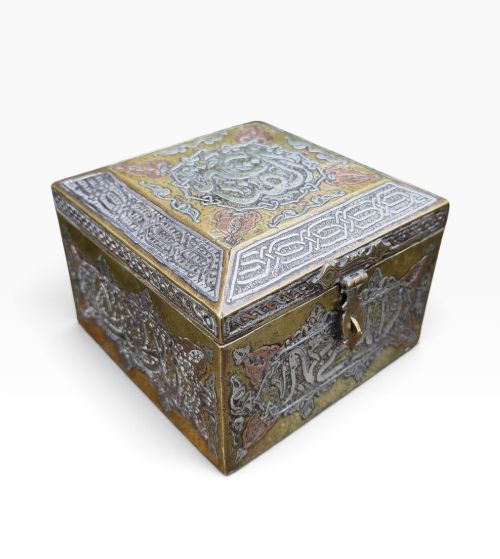
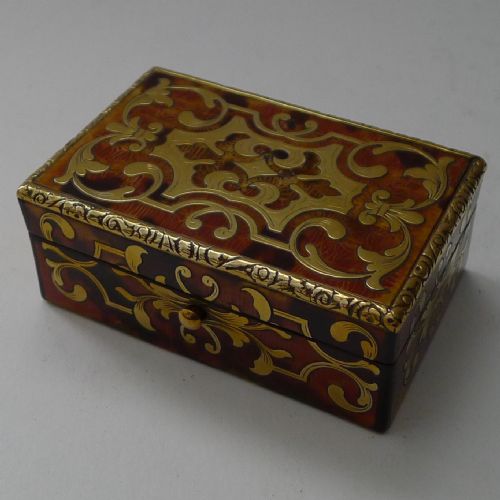

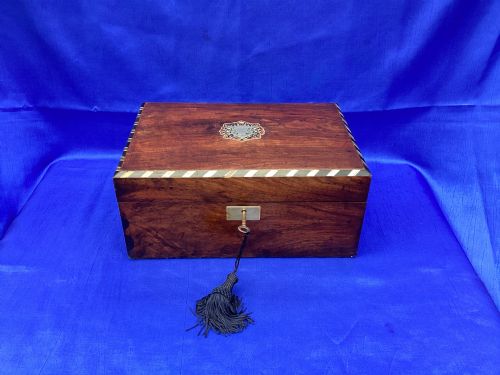
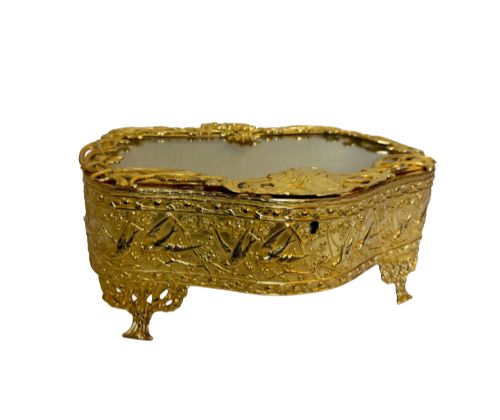
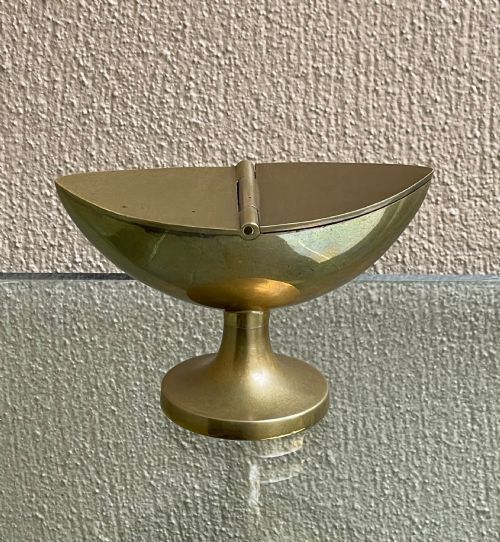
Antique Brass Trinket Box
These antique brass trinket box pieces are small metal receptacles that hold keepsakes and small valuables, sought after for their period craftsmanship.
What these boxes are
An antique brass trinket box is a small lidded container designed for keepsakes, snuff, tobacco, or jewellery. The selection ranges from Georgian table snuff boxes and Victorian jewellery boxes to Edwardian engraved metalware.
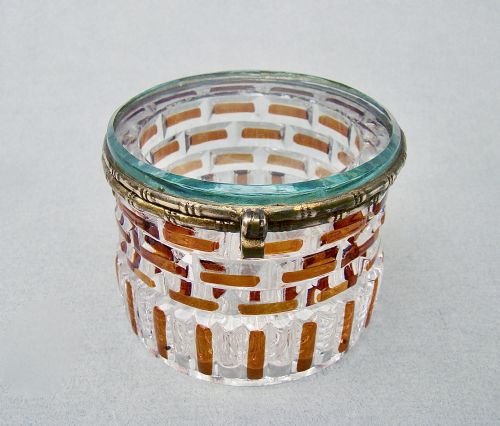
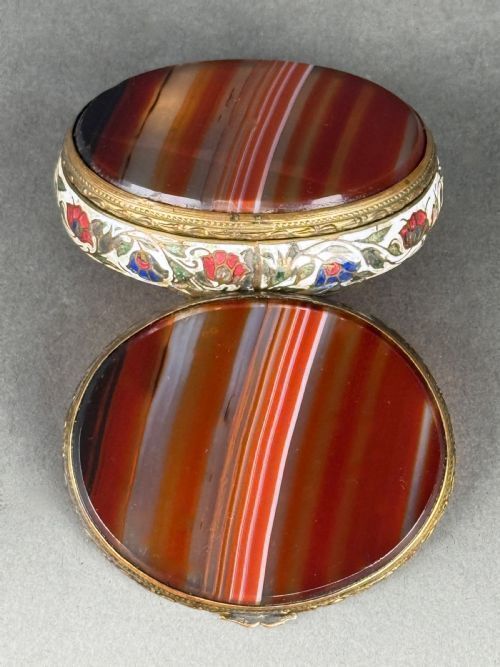
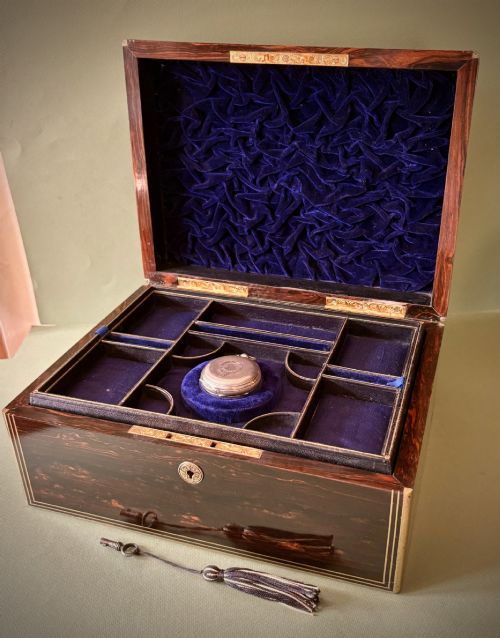
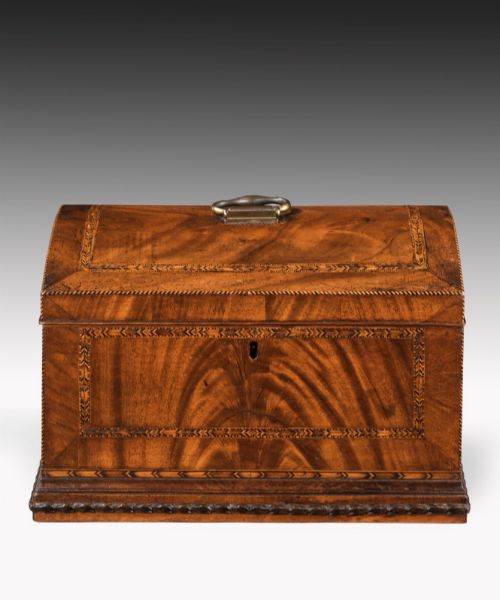
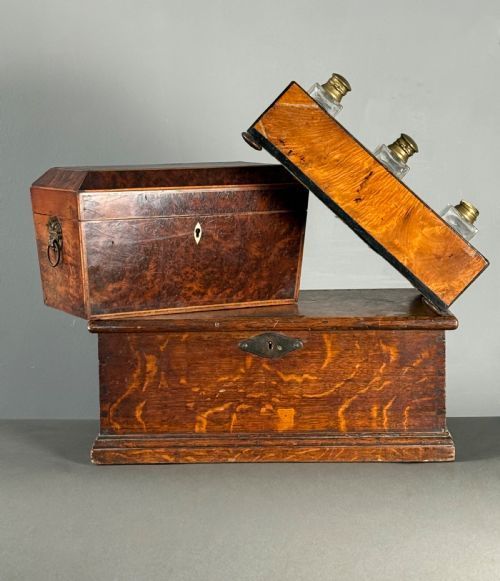
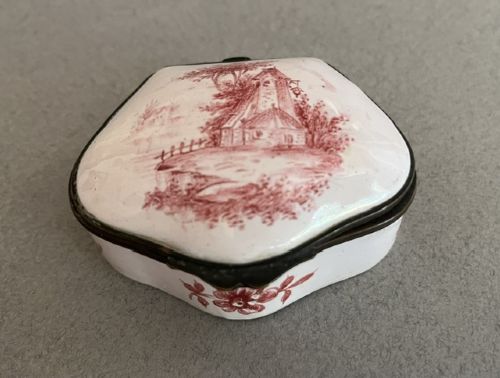
Forms include navette-shaped snuff boxes, tobacco boxes, and betal boxes, spanning Georgian, Victorian, and Edwardian periods. Materials stretch beyond pure brass to incorporate bronze, silver inlay, ceramic, enamel, agate, mahogany, and rosewood.
The versions most commonly met on this page are metal receptacles from the nineteenth and early twentieth centuries. These encompass utilitarian tobacco boxes, engraved personal items, and decorative containers.
How they were made
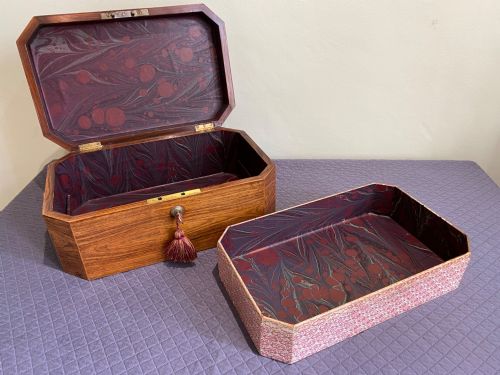
Construction relies on working brass and bronze, often combined with secondary materials such as silver inlay, blue enamel, and agate stones. Wooden carcasses in mahogany and rosewood frequently receive brass fittings or binding to secure the structure.
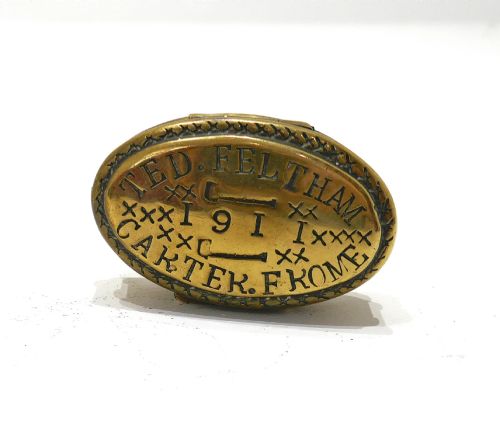
Surface decoration involves hand engraving, as seen in pieces marked with names and dates, alongside metal casting and inlay techniques. Gilt finishes and enamel panels add colour and texture to the brass foundation.
Retail Price Guide 2026
Typical UK retail prices for brass trinket box, calculated from the Sellingantiques database of over a million retail prices indexed since 2003. This retail price guide relies exclusively on Sellingantiques data; no external sources or auction records are used, so the figures do not describe the wider market.
One Edwardian brass snuff box carries the engraved name Ted. Feltham alongside the specific year 1911.
What varies in quality
Quality rests in the crispness of the engraving and the precision of the metalwork joints. Pieces featuring hand-engraved details or intricate silver inlay demonstrate higher artisanal input than plain utilitarian containers.
The integration of decorative stones like agate, or applied blue enamel panels, elevates a piece above standard production. The preservation of original patination on the brass and the structural integrity of hinges and lids define the upper tier.
The Antique Brass Trinket Box Glossary
- Navette
- A boat-shaped outline with pointed ends, commonly found on Georgian table snuff boxes. This profile gives a distinct elongated silhouette to the lid and base.
- Betal box
- A container used for storing betal nuts and leaves, often rendered in bronze with silver inlay. These originate from Southeast Asian traditions.
- Agate
- A crystalline quartz variety used as a decorative inset panel on Victorian boxes. The stone displays natural banded patterns.
- Snuff box
- A small pocket or table container designed to hold ground tobacco. These items feature tightly fitted lids to preserve the contents.
- Patina
- The surface sheen developed on brass and bronze through age and handling. This coloration indicates authenticity and length of existence.
Frequently Asked Questions
What were antique brass trinket boxes used for?
These boxes served multiple domestic and personal purposes, holding snuff, tobacco, jewellery, and small keepsakes. Their compact scale allowed them to sit on desks, dressing tables, or be carried in pockets.
Over time, owners adapted them to store whatever small valuables required secure containment away from dust and loss.
How do I identify a Georgian box?
Georgian pieces often display specific geometric profiles, such as the navette shape seen on table snuff boxes from that era. The construction methods and engraving styles align with eighteenth and early nineteenth-century manufacturing.
Examining the hinges, metal thickness, and any inscribed dates helps anchor the piece within the Georgian period.
Are all these boxes made entirely of brass?
Not every box is solid brass, as makers frequently combined materials to achieve decorative effects. Evidence shows bronze, silver inlay, ceramic, enamel, and inset agate stones.
Some examples also feature wooden carcasses in rosewood or mahogany with brass fittings and binding.
How should I clean my brass box?
Cleaning should be approached with caution to preserve the aged surface appearance known as patina. Aggressive polishing removes the historical depth that collectors value on older metalware.
Dusting with a soft, dry cloth is generally sufficient for routine maintenance without altering the surface.
What is a betal box?
A betal box is a specialised container originating from Southeast Asia, used for holding ingredients for betal quid chewing. They are typically cast in bronze and decorated with silver inlay.
These pieces represent regional metalworking traditions distinct from standard European box forms.