

Antique Brass Screen
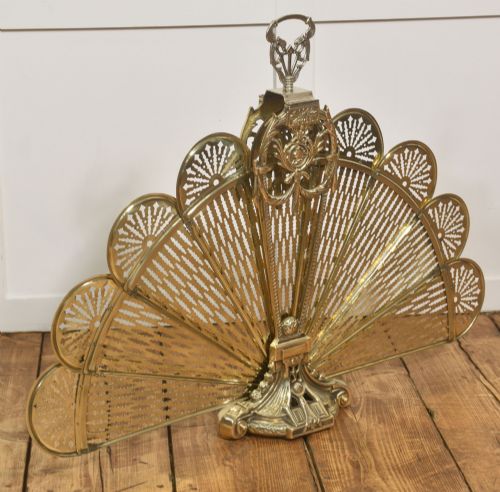
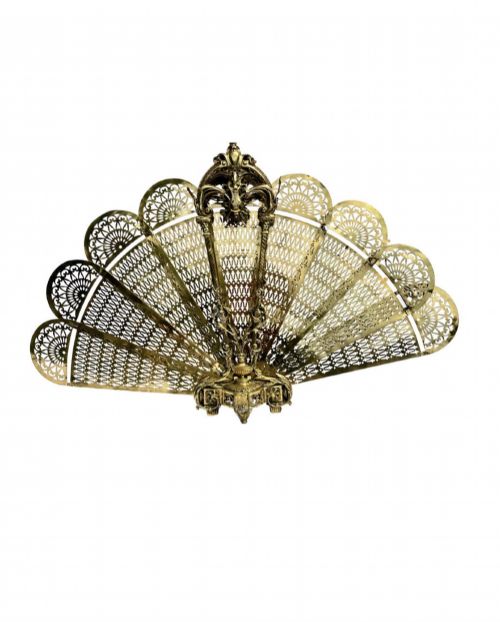
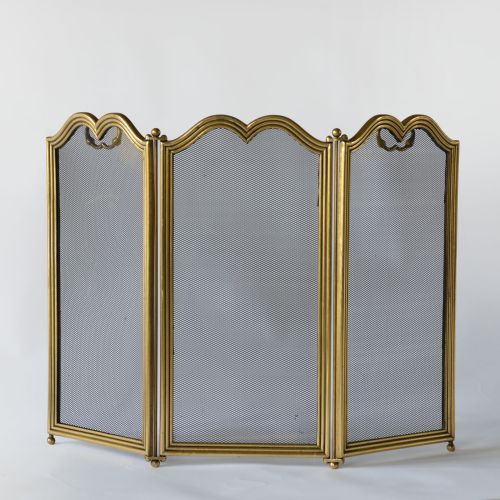
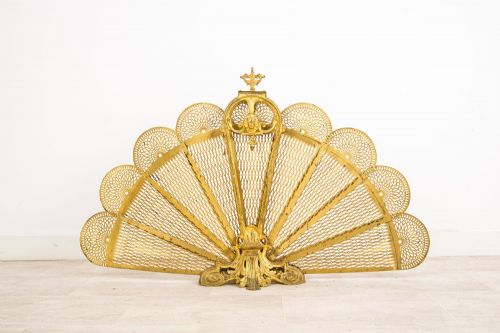
An antique brass screen brings warmth and sculptural presence to a hearth, whether you choose an elaborate folding peacock fan or a solid glazed panel.
Antique Brass Screen
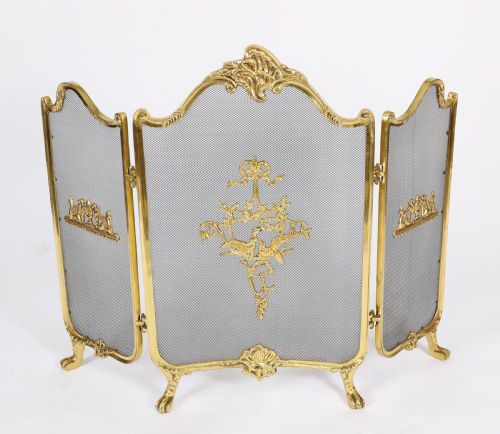
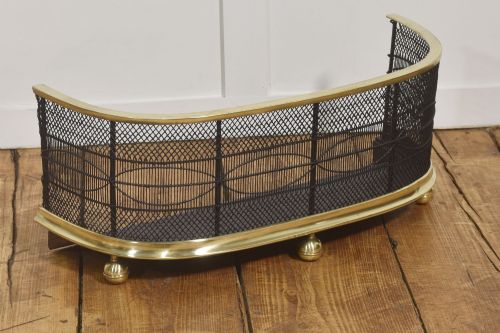
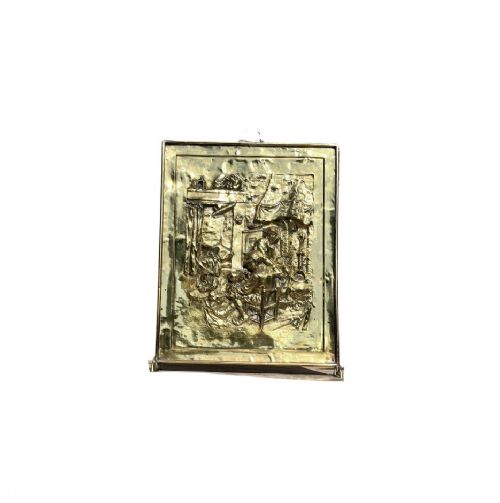
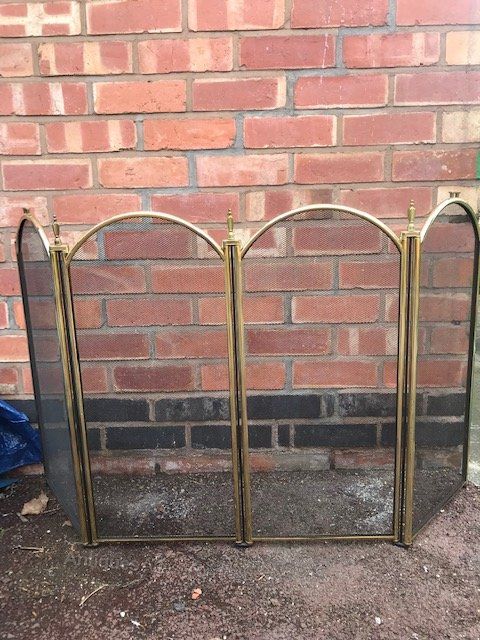
An antique brass screen is primarily a fireplace accessory designed to shield a room from excessive heat or flying embers when a hearth is unlit. The forms range from simple wirework guards and nursery fenders to decorative folding panels and rigid frames inset with glass or mirror.
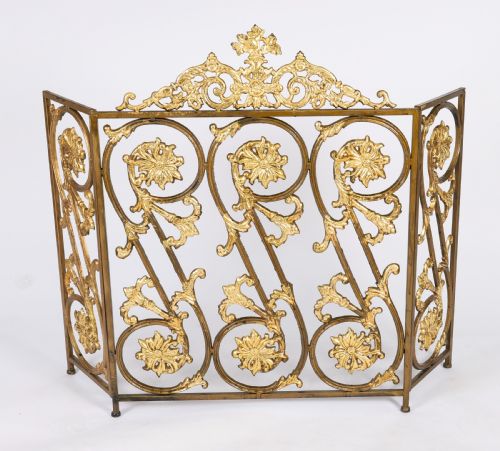
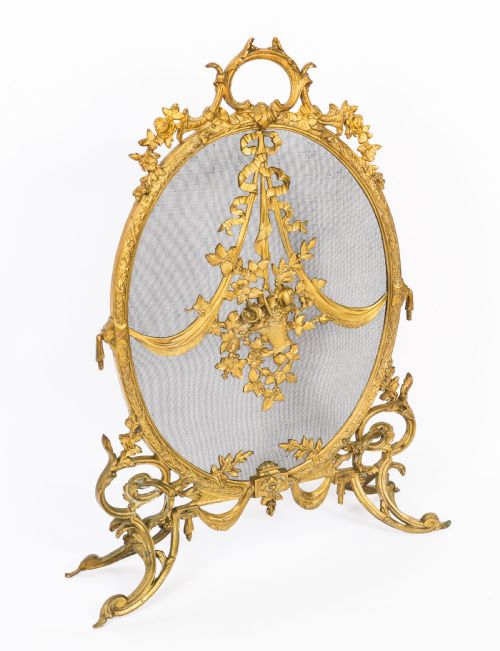
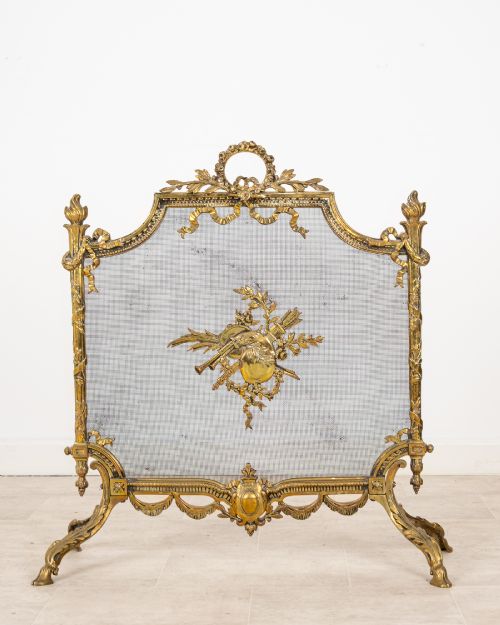
The most common versions encountered here are Victorian and Edwardian examples, alongside French styles showing Rococo, Louis XIV, and Empire revivals. Makers utilised brass, gilt bronze, and wire mesh to create both utilitarian spark guards and ornate decorative centrepieces for the drawing room.
Beyond standard fire screens, the selection encompasses related hearth equipment such as pole screens, nursery guards with clothes rails, and occasional candle holders with adjustable shades. These pieces combine practical domestic utility with the characteristic decorative metalwork of the nineteenth and early twentieth centuries.
How they were made
Construction relies heavily on sheet brass, cast brass frames, and fine wire mesh, frequently paired with secondary materials like iron, oak, and lead. Metal components were often pierced, chased, or embossed to produce intricate surface patterns before receiving polished or gilt finishes.
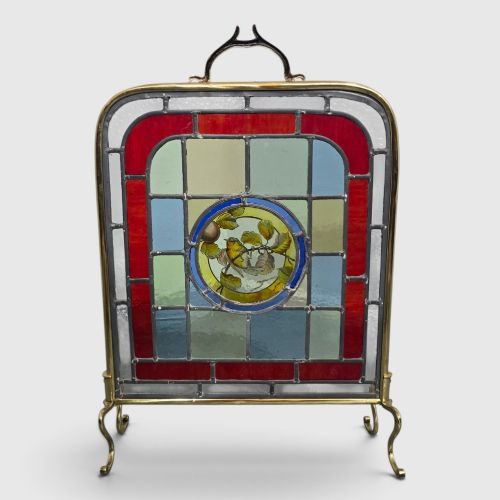
Many folding and multi-section screens utilise integrated hinges and pivoting mechanisms to allow the frame to expand or contract around the hearth. Panels featuring stained glass, cut glass, or bevelled mirrors required specialist leadwork and secure bezel settings within the heavier metal frames.
Listings span from the seventeenth century through to the 1920s, incorporating Victorian, Regency, Edwardian, and Art Nouveau styles.
What varies in quality
Quality rests significantly on the crispness of the casting and the depth of hand-chasing on the brass or gilt bronze. Heavy gauge metal and tightly articulated folding joints distinguish substantial pieces from lighter, mass-produced domestic guards.
The sophistication of the design dictates much of the distinction, visible in the balance of French Rococo scrolls, the fluidity of Art Nouveau plant motifs, or the precision of pierced decorative panels. Original elements, such as intact bevelled mirror glass or period wire mesh, retain greater integrity than later replacements.
The Antique Brass Screen Glossary
- Fire screen
- A movable panel placed before a fireplace to hide the unlit grate or deflect excess heat. These objects combine metal framing with mesh, glass, or decorative panels.
- Peacock fan
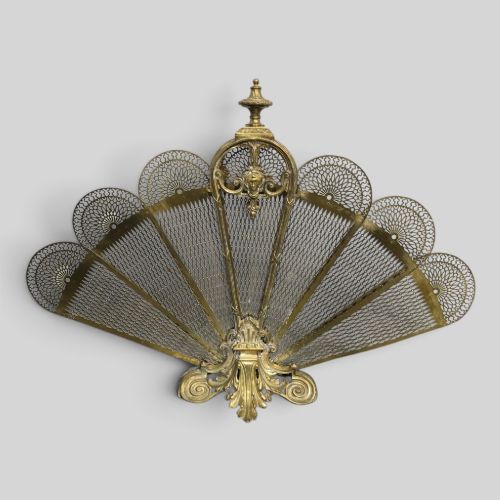
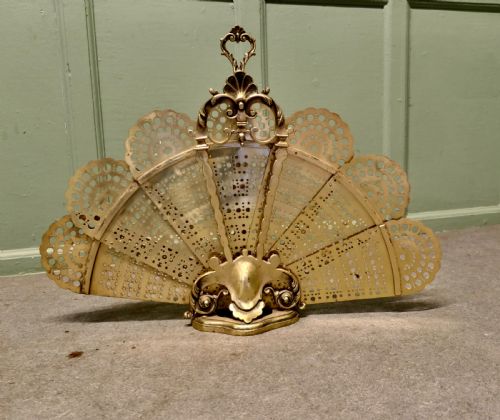
- A folding screen composed of radiating metal blades that fan outwards like a tail. This form became particularly popular during the Victorian period.
- Nursery fender
- A low metal barrier placed around a hearth to protect young children from open flames and burning coals. They often incorporate brass top rails or integrated clothes drying attachments.
- Ormolu
- Gilt bronze mounted onto decorative objects and furniture, widely used in French revival pieces. The technique involves applying finely ground gold to a bronze base.
- Chasing
- The method of indenting and texturing the surface of metal with small punches and hammers. This toolwork brings definition and shadow to cast brass ornaments.
Antique Brass Screen: Frequently Asked Questions
Are these screens safe to use with a real fire?
Many solid brass, wire mesh, and iron screens were specifically engineered as spark guards to contain embers. However, delicate folding fan screens and those inset with glass or mirror serve primarily a decorative purpose when the hearth is cold.
Check the construction of the mesh and frame before placing any guard close to an active, open fire. Lighter decorative variants are better suited to unlit fireplaces.
How do I distinguish French revival styles from Victorian pieces?
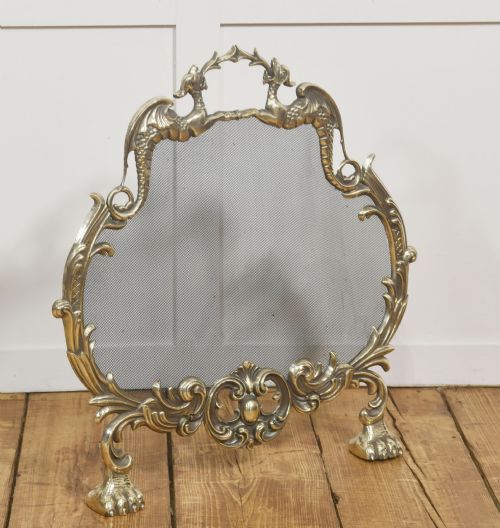
French revival screens often feature gilt bronze mounts, heavy casting, and motifs derived from Louis XIV, Louis XV, or Empire design. They typically display high relief Rococo scrolls and classical trophies.
Victorian and Edwardian British pieces tend to focus on functional domestic forms, such as folding peacock fans or simple brass wire guards. The metalwork on British iterations frequently leans towards utilitarian sturdiness or simpler Aesthetic Movement styling.
What is the difference between a fire screen and a pole screen?
A fire screen is a broad, freestanding panel placed directly on the floor in front of the hearth opening. It is designed to block heat or cover the empty grate.
A pole screen consists of an adjustable vertical stand holding a small embroidered or painted panel, which could be slid up and down to shield a person's face from the direct glare of the fire.