

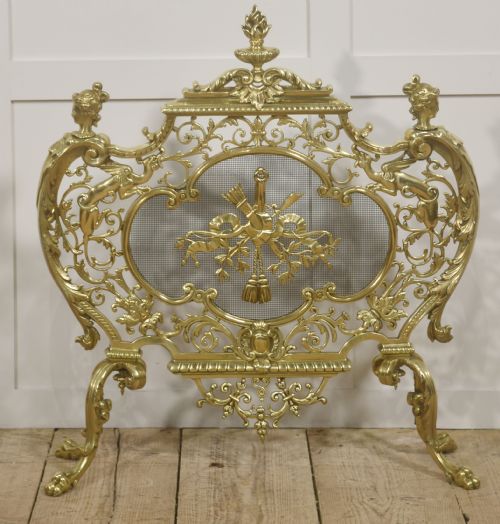


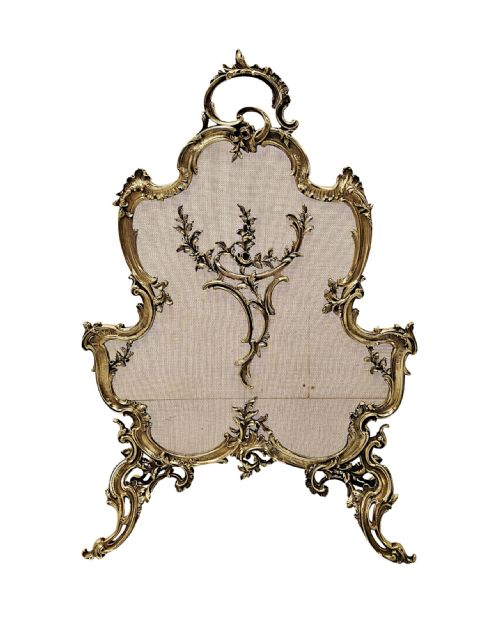


French Rococo Fireguard
A french rococo fireguard brings swirling asymmetrical elegance to the hearth, screening stray sparks with ornate metalwork.
French Rococo Fireguard
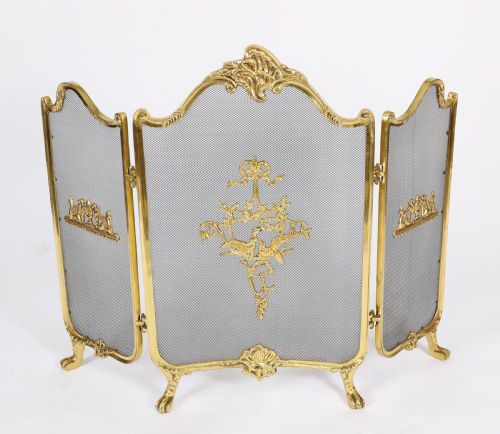
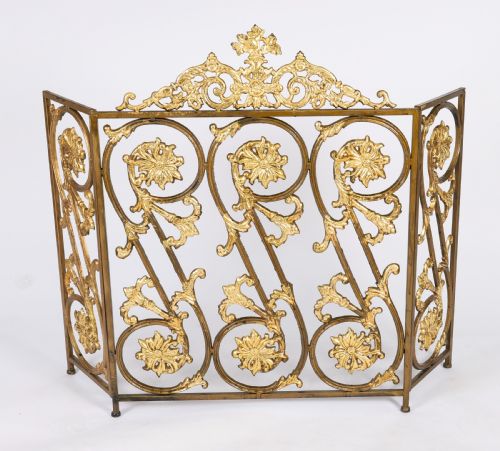
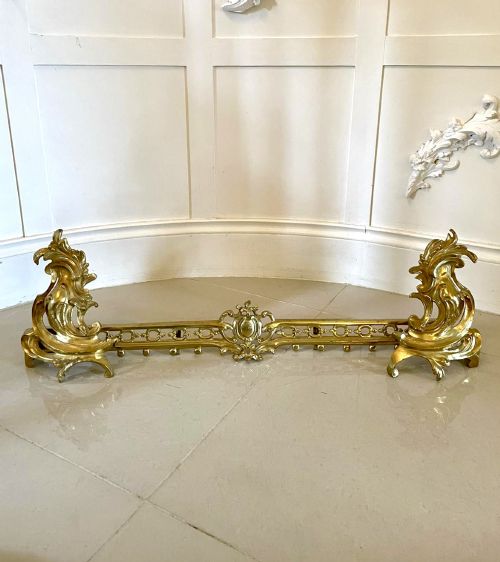
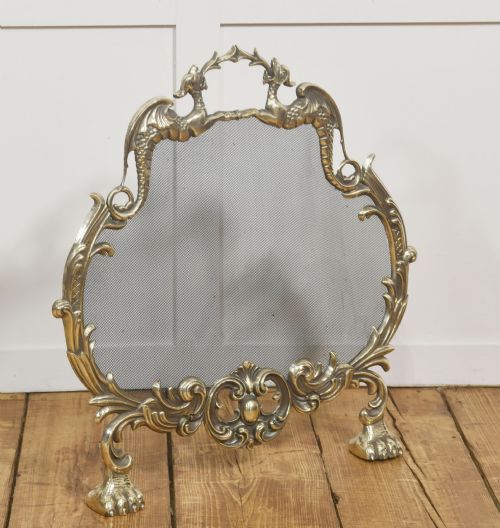
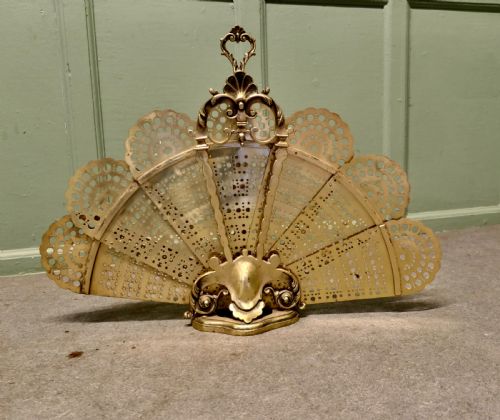
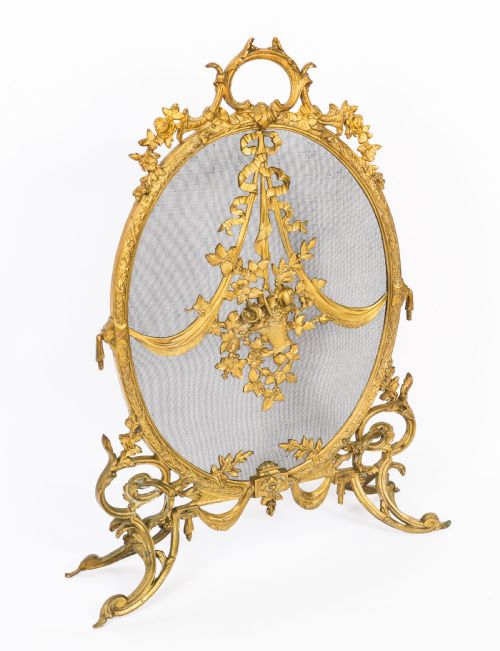
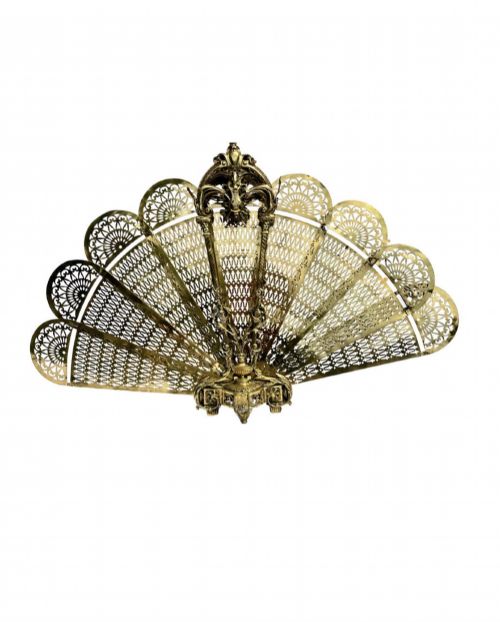
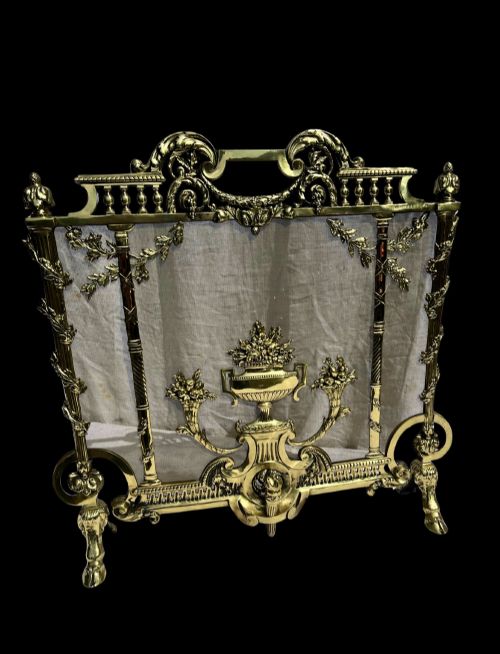
A french rococo fireguard takes the form of fire screens, folding spark screens, and extending fenders designed to protect the room from stray embers. These pieces span the nineteenth century and the early twentieth century, drawing heavily on French Rococo, Rococo Revival, and Louis XV styles.
The buyer meets various configurations on this page, ranging from single-panel brass frames to triple screens and expanding peacock tail designs. Brass and gilded bronze dominate the selection, often paired with metal wire mesh to catch ash and sparks.
Origins trace directly to France and the broader continental revival taste, capturing the swirling asymmetry and naturalistic motifs characteristic of the period. These items function both as practical hearth accessories and as decorative focal points within the reception room.
What varies in quality
The distinction between standard domestic items and finer examples lies in the depth of the casting and the crispness of the chased detail upon the brass or gilt bronze. Heavier gauge metalwork and more complex three-fold or extending configurations indicate a higher tier of production.
Subtleties in the handling of rococo asymmetry and the integration of decorative elements like dolphins or flaming torches separate run-of-the-mill foundry work from exceptional cabinet and metalwork output.
The material palette centres on brass, gilt bronze, and metal mesh, occasionally incorporating painted decorative panels.
The French Rococo Fireguard Glossary
- Gilt bronze
- Metal alloy cast and coated with a layer of gold. It provides a durable, lustrous finish found on finer decorative hearth furnishings.
- Rococo Revival
- Design movement reviving eighteenth-century French styles during the nineteenth century. It relies on asymmetrical scrolls, C-scrolls, and organic plant forms.
- Fire screen
- Standing metal guard placed before an unlit hearth. It shields the room from drafts and displays decorative metalwork.
- Spark screen
- Protective mesh barrier designed to catch flying embers from an open fire. It combines functional wire mesh with an ornate frame.
French Rococo Fireguard: Frequently Asked Questions
How do I clean a brass fireguard?
Dust the metal gently with a soft dry cloth to remove soot and surface particles. Avoid harsh chemical polishes that can strip original gilt surfaces.
Use warm soapy water only if necessary, drying the piece immediately to prevent tarnishing on the brass and wire mesh.
Were these screens used for coal or wood fires?
These guards were designed primarily for open coal and wood-burning hearths in nineteenth-century salons. They served to block intense radiant heat when the fire died down.
The fine wire mesh panels also caught stray sparks, protecting carpets and upholstery from burning embers.
How do I date a nineteenth-century fire screen?
Examine the casting quality, the weight of the brass, and the specific style revival indicators present in the frame. Heavier cast bronze and finer chasing often point to earlier nineteenth-century production.
Simpler sheet brass and mass-produced folding designs typically align with the later decades and the turn of the twentieth century.
Can I use this screen with a working fireplace?
Most antique screens function effectively with modern hearths, provided the dimensions suit the fireplace opening. Ensure the mesh and frame are stable before placing them near active flames.
Delicate gilt surfaces require careful placement to avoid heat damage from roaring fires.