

Gold Spark Screen
A gold spark screen stops errant embers from reaching the room while adding a warm metallic gleam to the hearth.
Gold Spark Screen
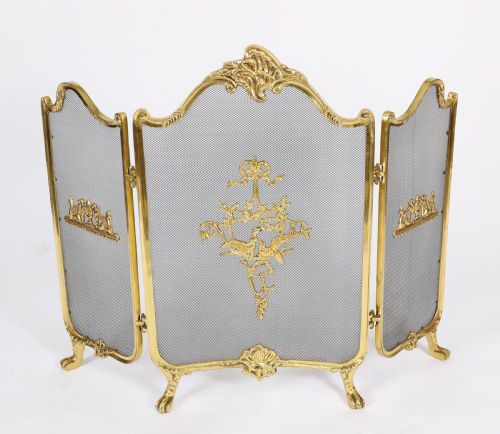
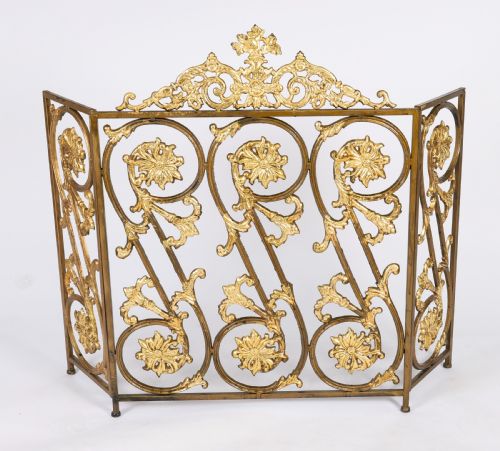
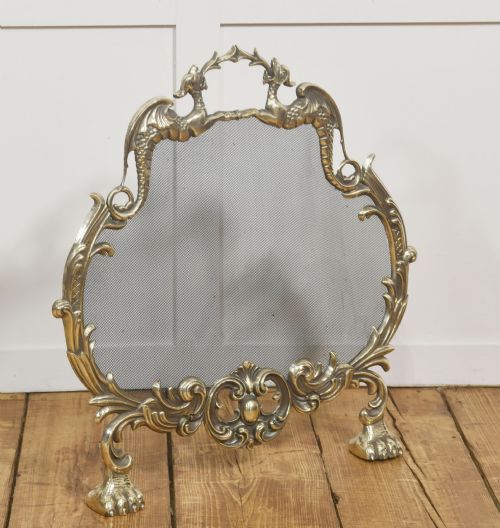
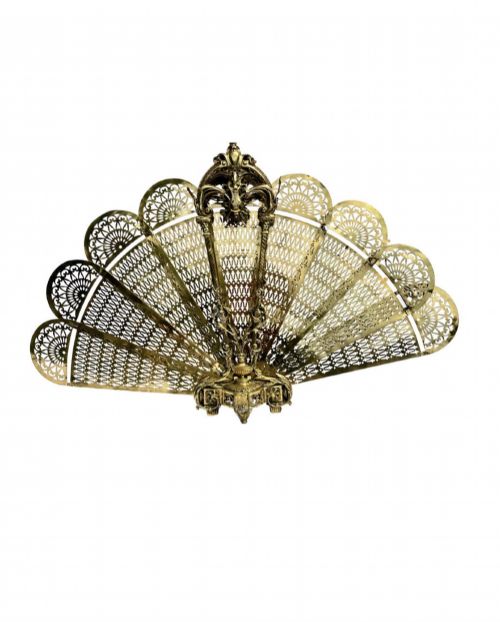
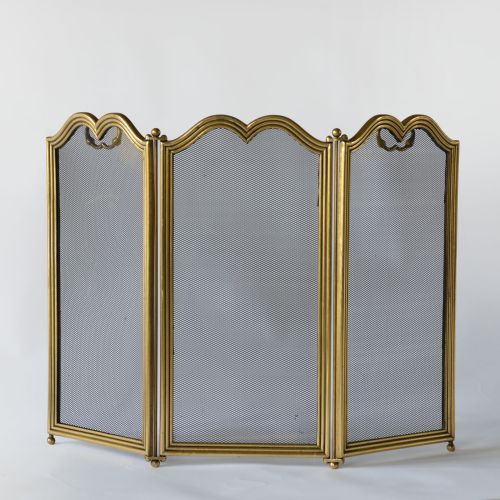
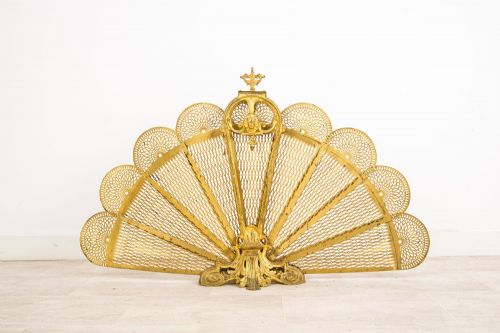
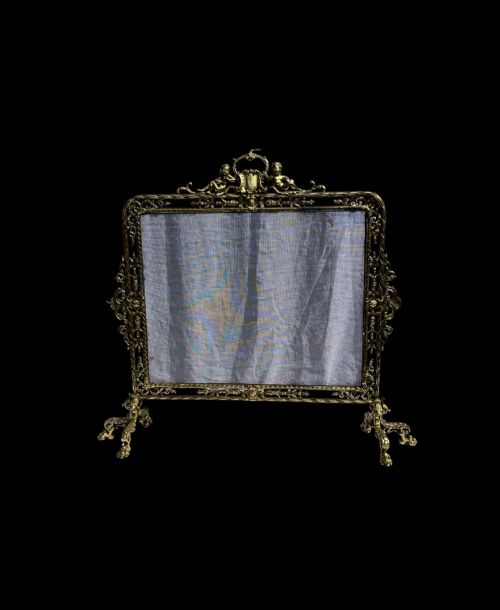
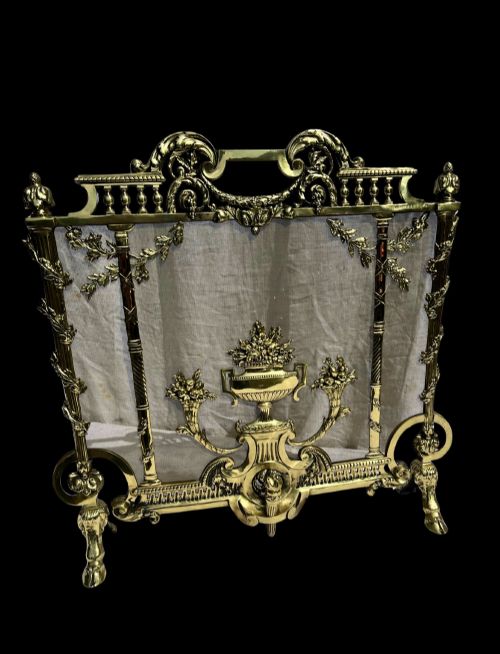
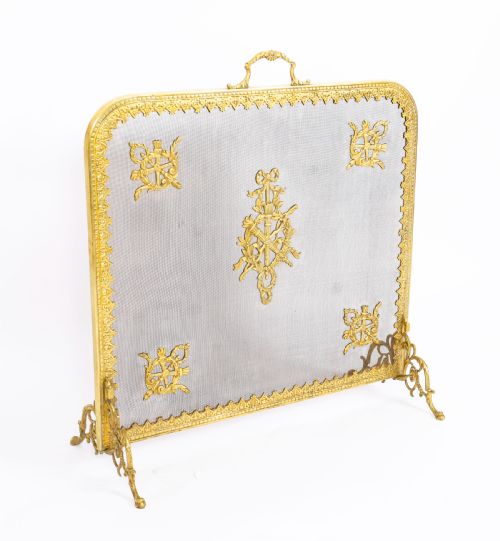
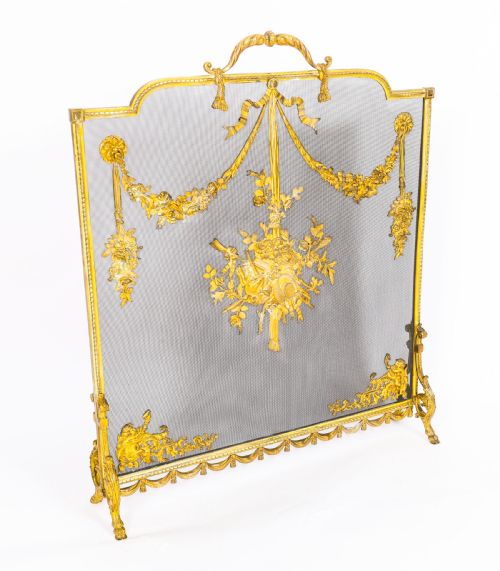
A gold spark screen serves as both a protective barrier for the fireplace and a decorative focal point for the interior. When searching for a gold spark screen, buyers encounter various forms including folding fan screens, tripartite guards, and rigid frames. These pieces originate predominantly from the nineteenth century through the early twentieth century.
French and English workshops produced the majority of these guards, drawing on revival styles like Rococo, Louis XIV, and Empire. The most common examples utilise brass, gilt bronze, and wire mesh to combine utility with ornate ornamentation.
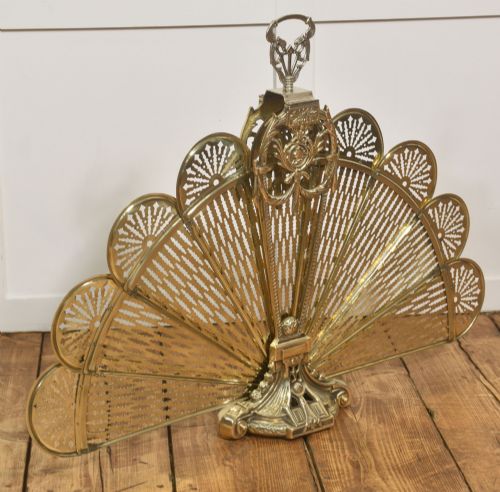
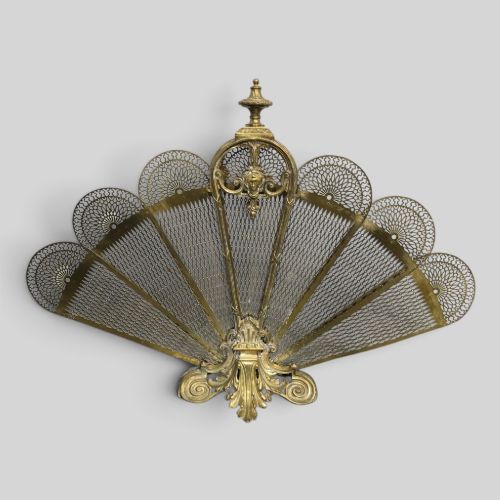
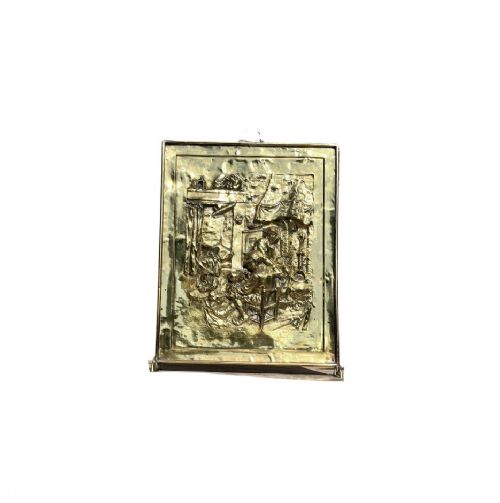
Design variations range from simple utilitarian frames to complex folding peacock designs and pierced brass panels. Each variant reflects the domestic habits and decorative tastes of the Victorian and Edwardian periods.
Materials and construction
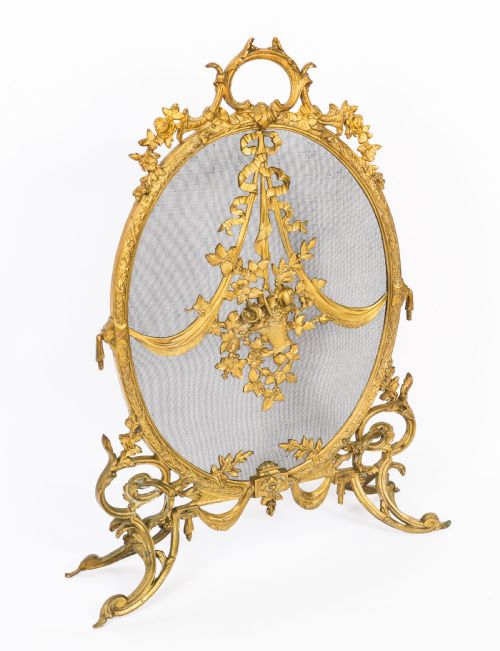
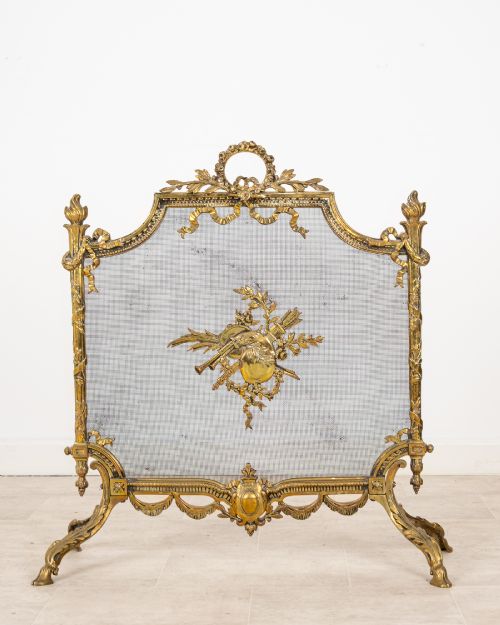
Metalworking formed the foundation of these hearth guards, employing solid brass, gilt bronze, and iron frameworks. Artisans cast, pierced, and chased the metal components to create intricate scrollwork, floral trophies, and classical motifs.
Fine wire mesh and expanded metal screens were integrated into the metal frames to catch sparks while maintaining transparency. Articulated hinges allowed tripartite and folding fan models to expand or contract around the hearth opening.
Some Victorian households deployed metal peacocks to fan away summer drafts before the hearth even saw its first winter spark.
Evaluating craftsmanship
Quality in these pieces depends heavily on the depth of the metal casting and the crispness of the hand-chased details. Superior examples display sharply defined motifs such as flaming torches, musical trophies, and rococo scrolls rather than soft, mass-produced edges.
The choice of material and finish sets apart the finest screens. Heavy gauge brass and genuine gilt bronze retain their presence and structural integrity better than lighter alloys or modern plated alternatives.
The Gold Spark Screen Glossary
- Fire screen
- A movable decorative panel placed before a fireplace when not in use or to block excessive heat. They evolved into essential spark guards during the nineteenth century.
- Gilt bronze
- Copper alloy coated with a thin layer of gold through fire gilding or electroplating. This technique imparts a rich golden sheen that resists tarnishing.
- Peacock fan
- A folding screen design where individual brass blades pivot open to resemble a peacock tail. These were popular in Victorian and Edwardian interiors.
- Rococo revival
- A nineteenth-century design movement inspired by eighteenth-century French style, characterised by asymmetrical scrolls, C-curves, and naturalistic plant motifs.
- Tripartite
- Composed of three hinged sections that allow the guard to stand independently and fold compactly. This configuration offers adjustable coverage for various hearth sizes.
Gold Spark Screen: Frequently Asked Questions
How do I use a gold spark screen?
Place the screen directly in front of the fireplace opening when a fire is burning to catch stray embers. Folding models can be adjusted to curve around the hearth for maximum coverage.
When the fireplace is not in use, position the screen flush against the opening to serve as a decorative room focal point. Ensure the base sits firmly on the hearth surface for stability.
How do I clean a brass fire guard?
Dust the metal surfaces regularly with a soft, dry cloth to prevent soot accumulation. Avoid harsh chemical cleaners that can strip away original gilding or patina.
For gilt bronze and ormolu, gentle wiping is sufficient to maintain the golden surface without damaging the finish. Consult a professional restorer if the metal requires deeper conservation.
How do I identify a 19th-century screen?
Examine the construction methods and weight of the metal components. Nineteenth-century examples often utilise heavy cast brass, hand-chased gilt bronze, and riveted wire mesh rather than modern spot-welding.
Stylistic cues such as French Rococo revival motifs or classical trophies also point towards Victorian and Edwardian production dates.