



Antique Brass Optics
Antique brass optics encompass precision instruments like telescopes, microscopes, and magnifiers that bring historical craftsmanship and functional clarity into daily settings.
Antique Brass Optics
When buyers search for antique brass optics, they encounter a diverse array of historical scientific instruments, pocket spyglasses, desk magnifiers, and surveying tools originating from the eighteenth, nineteenth, and early twentieth centuries. These objects reflect the rapid expansion of scientific enquiry, maritime navigation, and domestic education through durable metalwork.
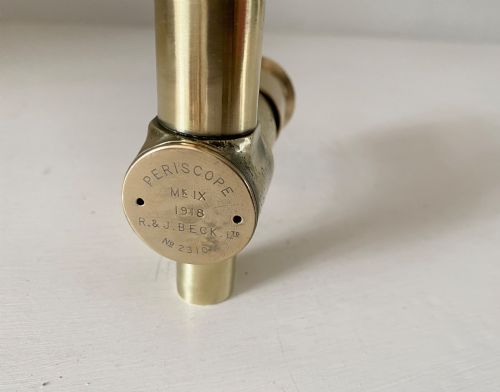
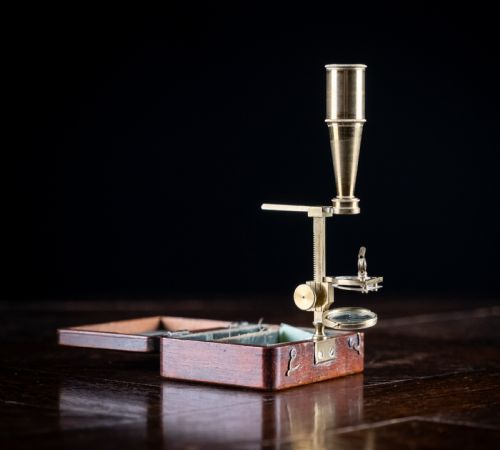
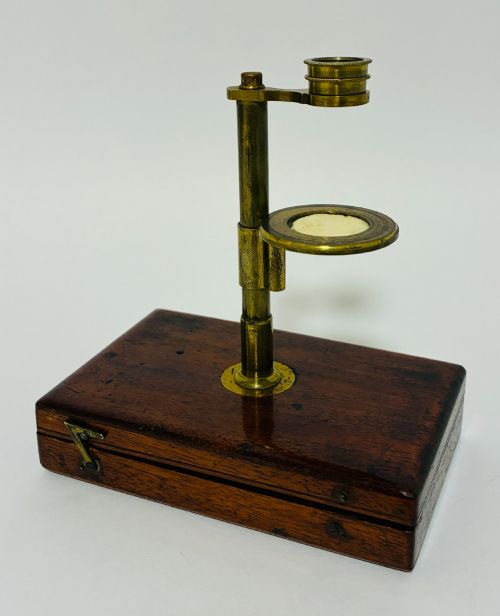
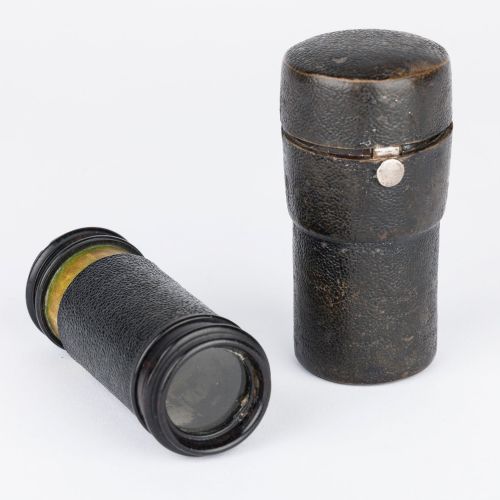
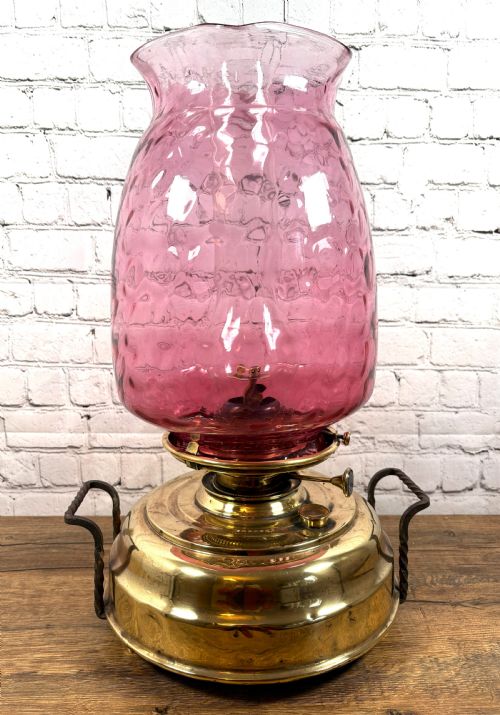
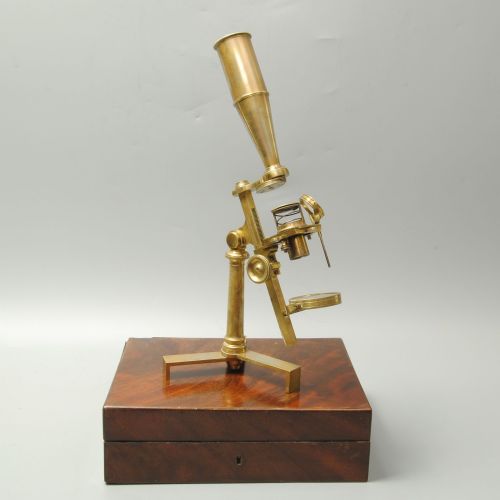
The selections available here range from compact pocket microscopes and library telescopes on stands to military periscopes and opticians' examination sets. Pieces frequently feature original fitted wooden cases lined with velvet or fabric, alongside specialised accessories such as candle shades and botanical field equipment.
Originating across Georgian, Victorian, and Edwardian periods, these instruments demonstrate the evolution of optical design from hand-assembled components to standardised military and commercial production. Buyers often select them for their combination of functional utility and robust material presence in a study or library.
Materials and construction
Makers utilised brass as the primary structural and decorative metal, shaping tubes, mounts, and stands through turning, casting, and polishing. Brass components were frequently paired with glass lenses ground to specific focal lengths, alongside secondary materials such as mahogany, bone, leather, and lacquered finishes.
Fitted cases integrated soft linings of velvet or fabric to protect delicate glass and metal surfaces during transport. Mechanical joints, threaded focuses, and folding mechanisms required precise manual fitting to ensure smooth operation without compromising structural stability.
Form categories represented include desk accessories, naval telescopes, botanical field microscopes, and surveying architects' levels.
Distinctions in quality
Quality in these instruments depends upon the precision of the optical glass and the mechanical integrity of the focusing threads and sliding draws. Fine examples exhibit crisp engraving on maker signatures and dial plates, indicating the hand of a recognised workshop.
The survival of original fitted cases, matching lens caps, and auxiliary equipment elevates the integrity of a piece. Superior casting and finishing in the brasswork differentiate standard commercial output from specialised laboratory or observatory instruments.
R & J Beck Ltd·Cary London·M Pillischer of London·Clarkson London·Ross of London·Matthew Berge London·John Gilbert·WF Stanley
The Antique Brass Optics Glossary
- Achromatic lens
- An optical lens designed to reduce chromatic and spherical aberration by combining two types of glass with different dispersive properties.
- Bullseye magnifying glass
- A thick, convex lens mounted on a pivoting stand or frame, traditionally used to concentrate light or enlarge text.
- Compound microscope
- An optical instrument utilising multiple lenses to achieve higher magnification of small specimens than a single lens permits.
- Periscope
- An optical instrument consisting of a tube with prisms and lenses that allows an observer to see objects above eye level or behind obstacles.
- Spyglass
- A small, portable refracting telescope with sliding draws, historically carried by naval officers and travellers.
Antique Brass Optics: Frequently Asked Questions
How do I clean antique brass?
Dust gently with a soft dry cloth to preserve the natural aged patina and historical surface finish.
Avoid chemical polishes or abrasive cleaners, which strip the protective oxidation and diminish the historical character.
Are these instruments still functional?
Many telescopes and magnifying glasses retain clear optics and operational focusing mechanisms suitable for practical use.
Some historical scientific instruments function primarily as decorative objects or study pieces due to age-related wear on internal lenses.
How do I identify the maker?
Makers typically engraved their names, firm titles, and addresses directly onto the brass draw tubes, mounting plates, or lens rims.
Matching these inscriptions with historical trade records helps establish an approximate date of production.
Why do some pieces have fitted cases?
Original wooden cases lined with velvet or leather protected delicate glass lenses and precise brass assemblies during travel.
These fitted enclosures often contain specialised accessories, spare lenses, or adjustment tools belonging to the instrument.