

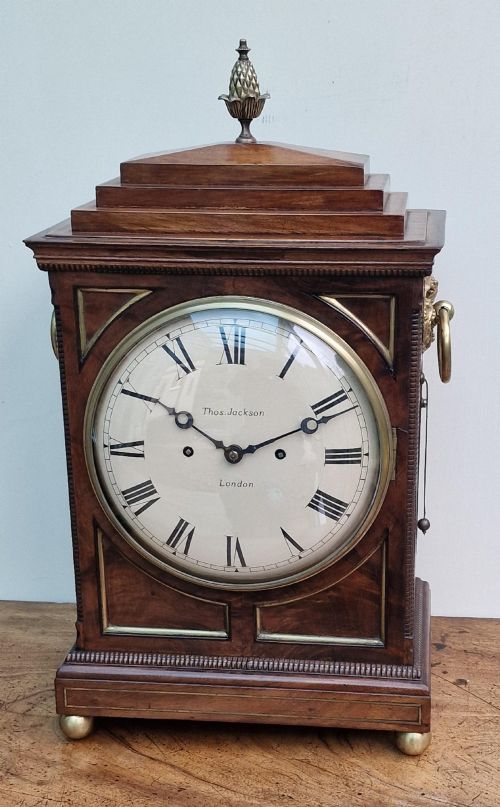


Antique Brass Mounted Bracket
These antique brass mounted bracket pieces combine rich woods and cast metalwork, offering both structural elegance and timekeeping utility for your interior.
Antique Brass Mounted Bracket
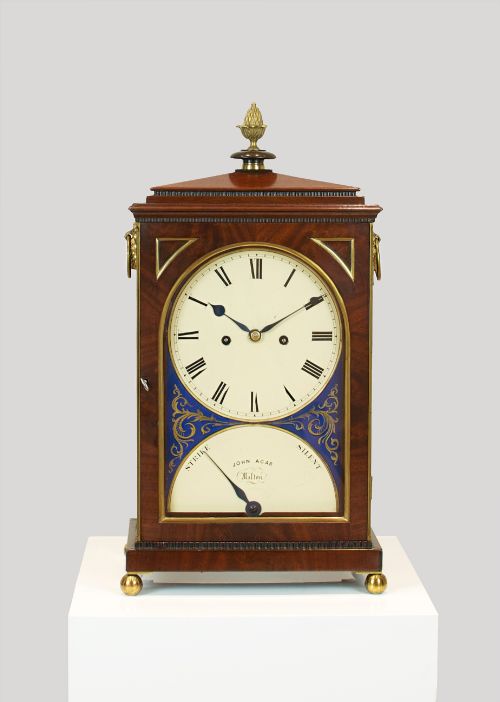
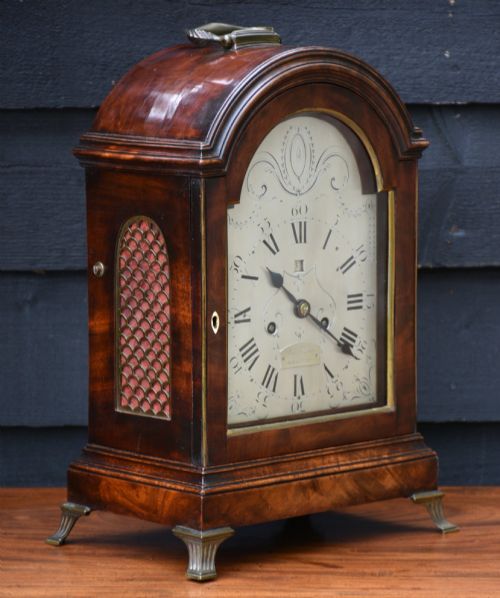
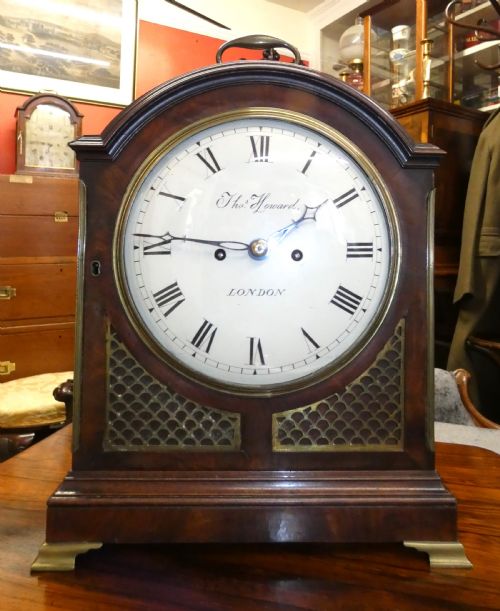
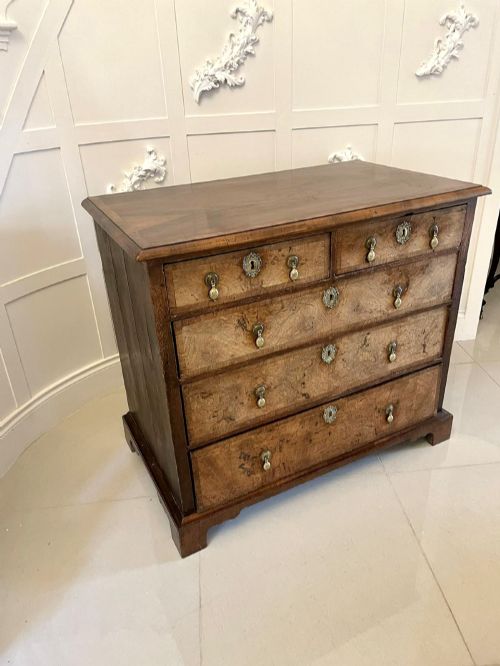
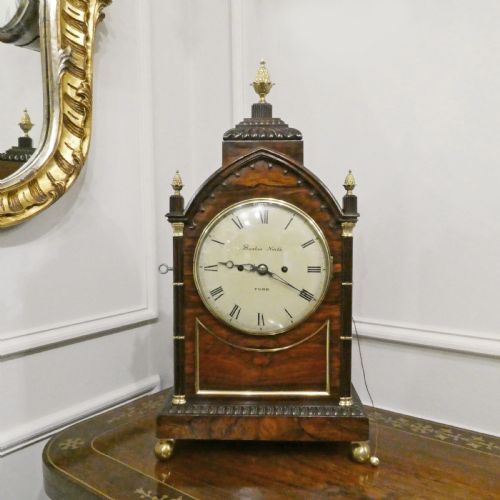
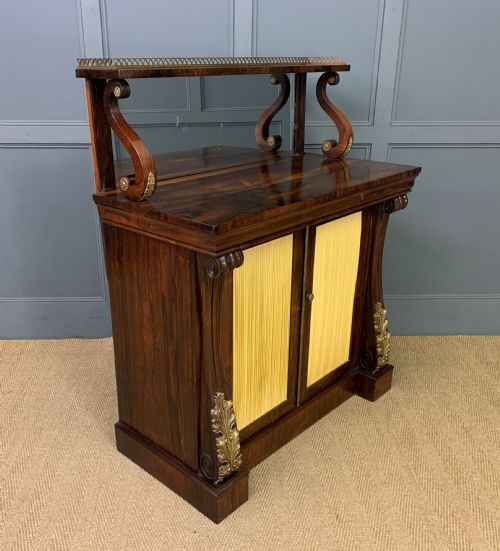
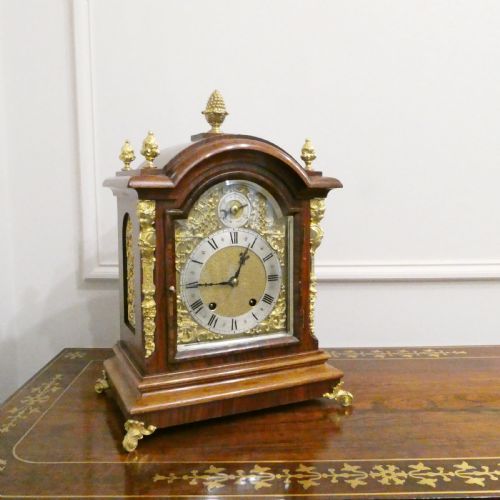
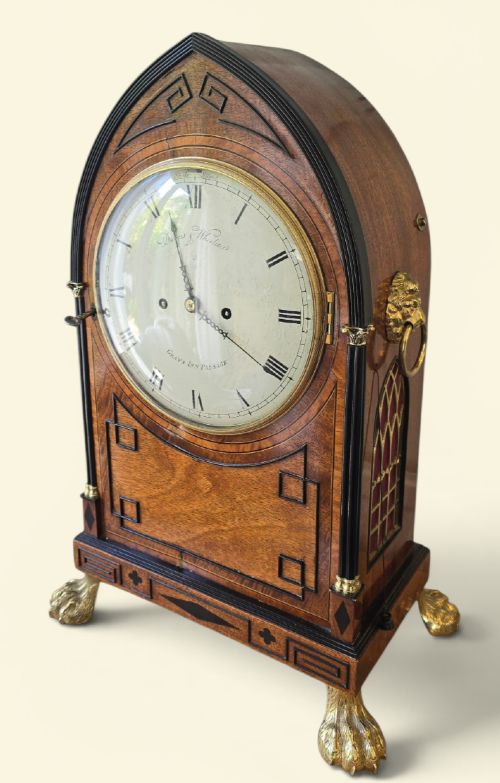
When you search for an antique brass mounted bracket, you are looking at items primarily taking the form of mantel clocks, table clocks, and wall shelves. The selection on this page relies heavily on 18th century, Georgian, Regency, and 19th century periods, bringing together horology and decorative furniture.
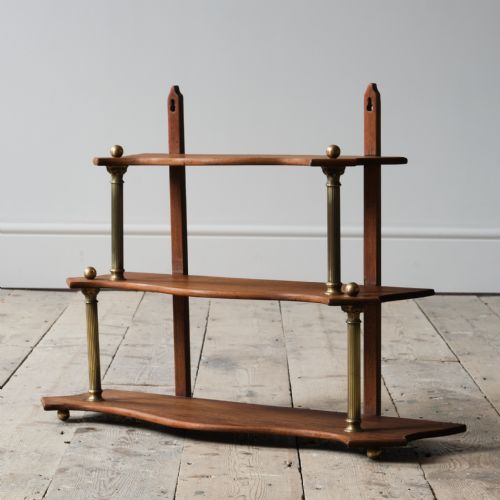
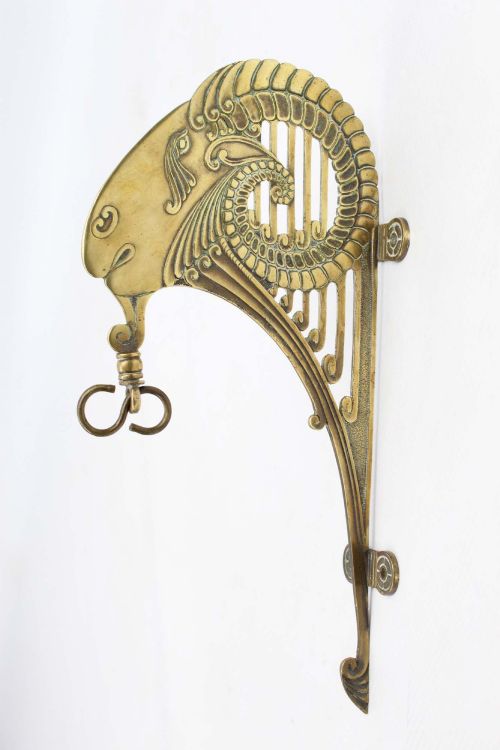
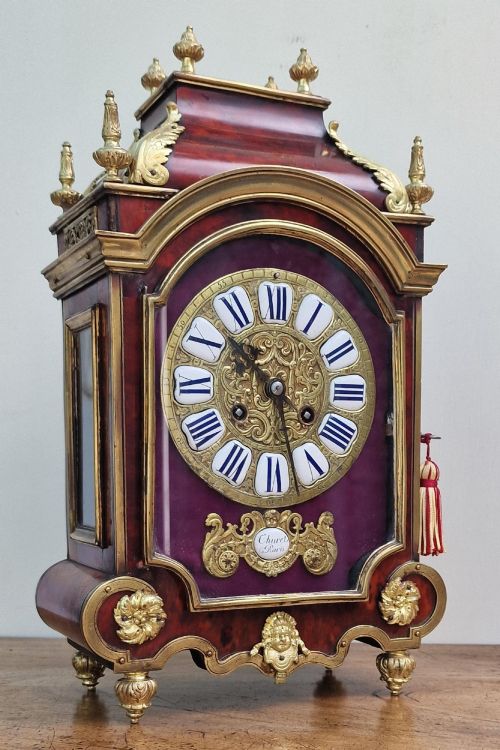
The most common versions met here include mahogany and rosewood bracket clocks alongside French mantel clocks featuring elaborate boullework. Wall hanging shelves and wall sconces also appear, showing how brass mounts served both functional shelf supports and decorative clock embellishments.
Materials and construction methods
Craftsmen utilised dense primary woods such as mahogany, rosewood, ebonised wood, and burr walnut to form the structural carcasses. These timbers provided a stable foundation for intricate veneering and tortoiseshell or ceramic inlays.
Mounts, bezels, and dial frames were cast in brass, ormolu, and gilt bronze, often securing corners, feet, and structural brackets. Skilled metalworkers chased and gilded these components to contrast against the dark polished woods.
Antique Brass Mounted Bracket Retail Price Guide 2026
Typical asking prices for brass mounted bracket among the pieces listed under this phrase on Sellingantiques today, from the lower quarter to the upper quarter. They describe what is for sale here now, not the wider market.
Some clocks possess ting-striking mechanisms, adding a polite chime to your parlour every half hour whether anyone is listening or not.
Distinctions in craftsmanship
The division between standard items and exceptional examples rests in the crispness of the brass casting and the depth of the woodwork. Finer pieces display hand-chased ormolu mounts with sharp definition and meticulously fitted veneers that wrap seamlessly around complex bracket forms.
Movement complexity further separates items at the upper end of the range, where musical chimes, quarter-striking mechanisms, and signed dials by noted makers demonstrate superior horological engineering alongside exterior artistry.
Thuret Paris·Barber & North of York·Thomas Jackson·Desbois & Wheeler·Schneckenburger·Francis Perigal·Turner of London·John Witherston·John Pepys·Henry Jones·John Bull of Bedford·Des Granges·Paul Philip Barraud·Lenzkirch·Payne & Co
The Antique Brass Mounted Bracket Glossary
- Bracket clock
- A portable clock originally designed to sit on a wall bracket or table. These spring-driven timepieces often feature carrying handles and glazed side panels.
- Ormolu
- Finely ground high-zinc brass applied to bronze objects to achieve a gold-coloured finish. This technique was widely utilised by French and English makers for decorative mounts.
- Boullework
- Marquetry consisting of tortoise-shell and brass inlaid in contrasting patterns. Named after the French cabinetmaker André-Charles Boulle, it defines many 19th-century mantel clocks.
- Pad top
- A raised, domed section on the upper case of a clock. This traditional Georgian profile frequently incorporates a brass carrying handle.
- Fusee
- A conical pulley used in clock and watch movements to maintain even tension on the chain as the mainspring unwinds. It ensures consistent timekeeping accuracy.
Antique Brass Mounted Bracket: Frequently Asked Questions
What is a bracket clock?
A bracket clock is a spring-driven timepiece originally built to rest upon a wall-mounted bracket or a table surface. They frequently feature intricate wooden cases and brass carrying handles for portability.
Historically, these clocks served as the primary portable timekeepers in wealthy households before smaller mantel and desk clocks became commonplace.
How do I care for these pieces?
Keep wooden cases and brass mounts away from direct sunlight and extreme temperature fluctuations to prevent veneer cracking. Dust regularly with a soft, dry cloth without applying modern chemical polishes.
Mechanical clocks require professional servicing every few years to keep the gear trains clean and properly lubricated.
How are Georgian clocks identified?
Georgian clocks typically present understated mahogany or kingwood cases with silvered metal dials and restrained brass feet or handles. Their proportions remain classical and balanced. Nooks and bracket feet often reflect the architectural tastes of the 18th century.
What is French boullework?
French boullework is a decorative technique combining tortoiseshell and brass inlay to create ornate surface patterns. It appears frequently on 19th-century mantel clocks influenced by Louis XIV styles.
This meticulous craft requires cutting thin sheets of metal and shell simultaneously before gluing them into the wood carcass.