



Decorative Wall Shelf
These decorative wall shelf pieces bring period character to empty walls, holding small treasures with practical flair.
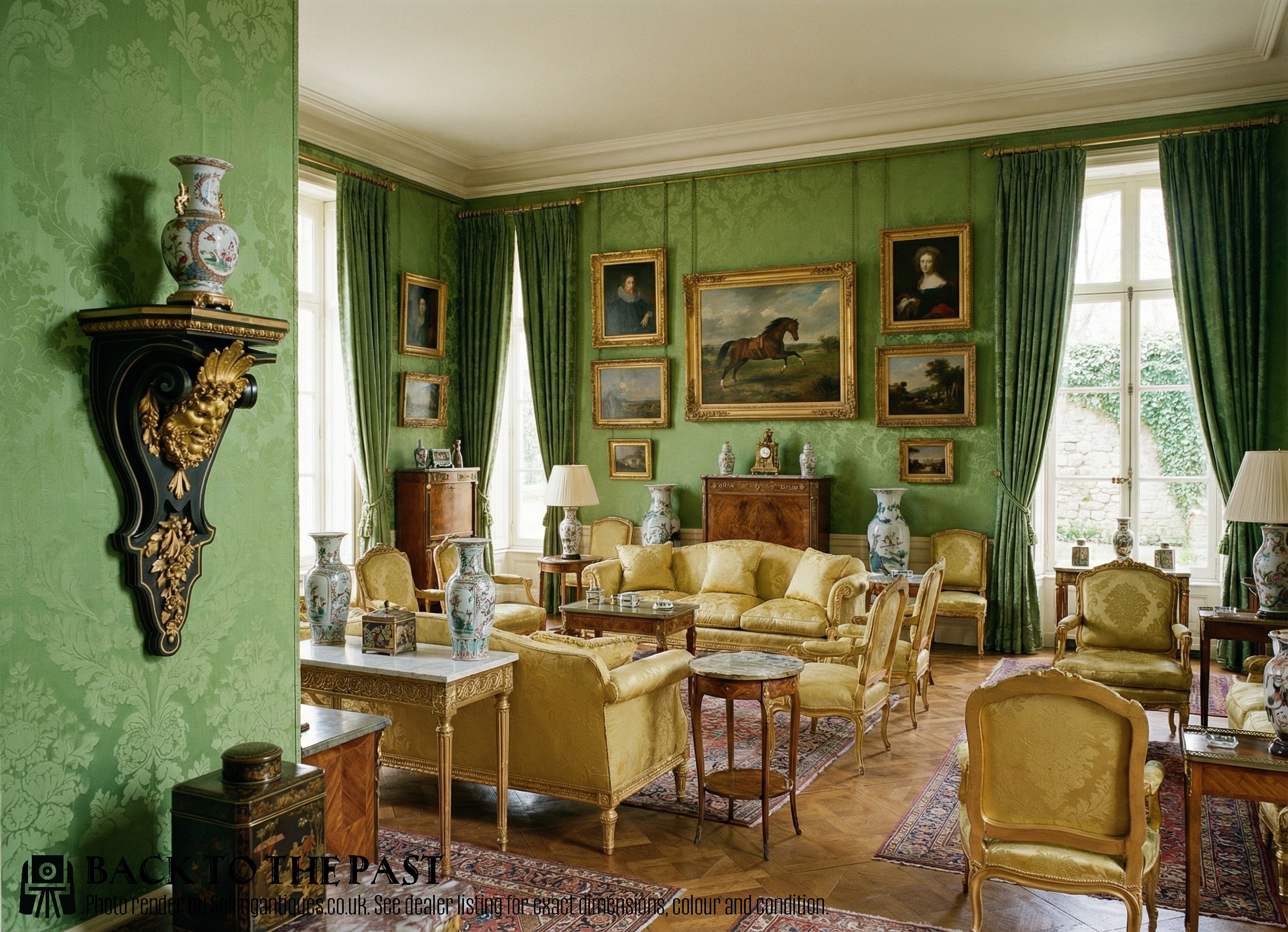
Decorative Wall Shelf
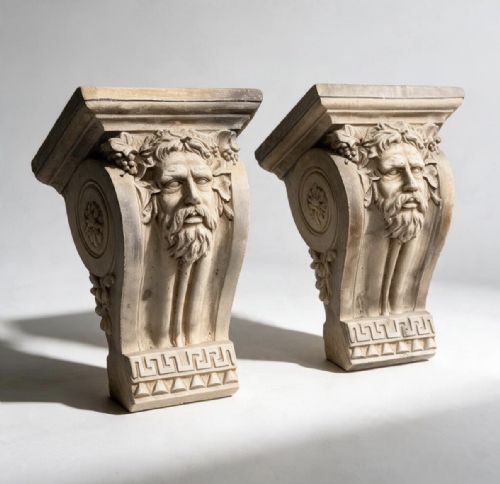
A decorative wall shelf serves as both a functional platform and an ornamental accent, often taking the form of wall brackets, display shelves, and corbels. These items emerge from various periods including the eighteenth, nineteenth, and early twentieth centuries, reflecting diverse aesthetics from Regency simplicity to elaborate revival styles.
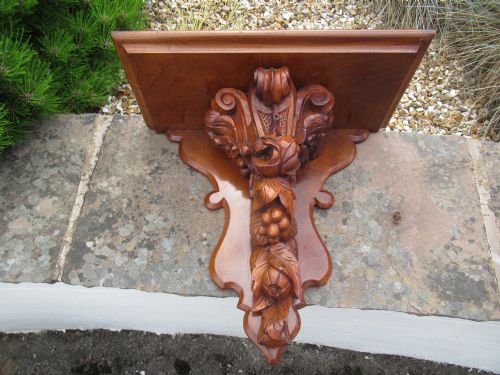
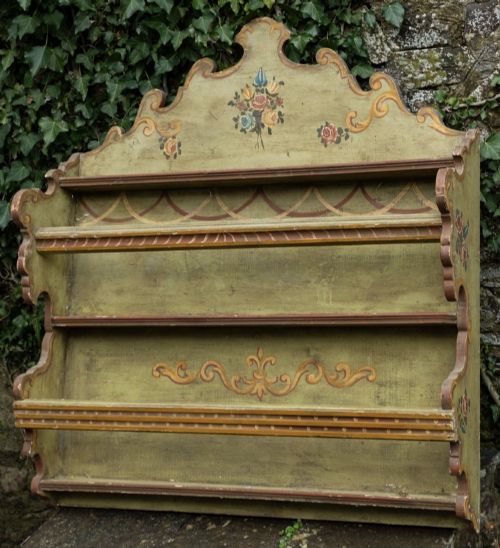
Buyers most frequently encounter carved wood and giltwood examples alongside iron, brass, and ceramic variations. The forms range from single tier brackets designed for clocks or figures to multi-tiered hanging shelves intended for books and plates.
Origins span English, French, Italian, and Asian traditions, introducing materials like mahogany, walnut, and pine into domestic interiors. Each piece demonstrates how period makers combined utility with ornamental carving, turning simple wall supports into focal points.
Materials and Construction Techniques
Makers utilised solid timbers such as mahogany, walnut, oak, and pine, shaping them through hand carving, fretwork, and turning. Giltwood and gesso pieces received layers of gold leaf or paint over a prepared surface to achieve a brilliant finish.
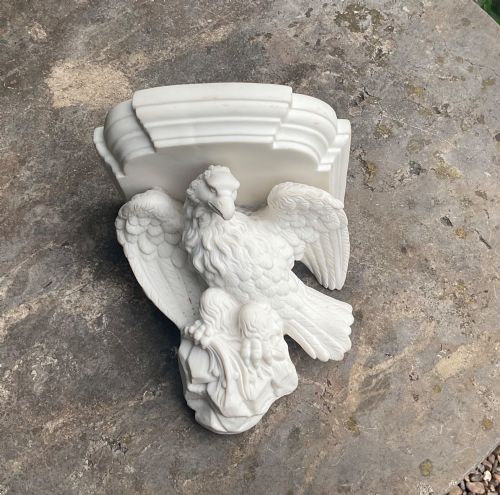
Metal elements incorporate cast iron, bronze, brass, and wrought iron, sometimes finished with ormolu or paint. Ceramic, porcelain, and parian components introduce moulded detail, while inlay work employs contrasting veneers and decorative woods.
Decorative Wall Shelf Retail Price Guide 2026
Typical asking prices for decorative wall shelf among the pieces listed under this phrase on Sellingantiques today, from the lower quarter to the upper quarter. They describe what is for sale here now, not the wider market.
Listings span centuries of design, encompassing Victorian cast iron, Edwardian painted wood, and seventeenth-century carved oak.
Assessing Quality and Execution
Depth and crispness of hand carving distinguish superior wooden brackets from simpler moulded or cast alternatives, where finer details remain sharp and well defined. The quality of gilding, whether gold leaf on gesso or applied ormolu, dictates how effectively a piece catches the light.
Structural integrity relies on the joinery connecting the shelf to its backplate or corbel, with robust construction ensuring safe wall mounting. Finer examples display thoughtful attention to secondary timbers, careful inlay, and balanced proportions that complement the chosen decorative style.
Henri Dasson
The Decorative Wall Shelf Glossary
- Corbel
- A projecting bracket fixed to a wall to support a weight, typically carved from wood or stone.
- Giltwood
- Timber that has been coated with gold leaf or a gold-coloured substance, prominent in Baroque and Rococo revival styles.
- Ormolu
- Finely ground high-carat gold applied to a bronze object, frequently seen on nineteenth-century mounts and decorative brackets.
- Fretwork
- Ornamental design created by cutting patterns through thin boards, common in Chippendale style hanging shelves.
- Parian
- A fine white porcelain resembling marble, used for nineteenth-century figures and decorative wall brackets.
Decorative Wall Shelf: Frequently Asked Questions
How were antique wall brackets used originally?
These pieces supported ornamental items such as mantel clocks, porcelain figures, and vases, elevating them to eye level for better display.
They also served practical functions in period homes as ledges for small books, lighting sconces, or occasional storage.
What styles are common in these wall shelves?
Victorian, Rococo Revival, and Baroque Revival styles dominate, featuring ornate carvings, scrolls, and gilded surfaces.
Other examples draw on Arts and Crafts, Art Nouveau, Chinoiserie, and Moorish traditions, offering inlaid woods and distinct regional motifs.
How do I date an antique wall shelf?
Dating relies on examining the timber types, tool marks, joinery methods, and the specific decorative style of the period.
Nineteenth-century pieces often show machine-sawn backing or specific revival vocabularies, while earlier eighteenth-century examples exhibit distinct hand-worked characteristics.
Can these antique shelves hold heavy objects?
Load capacity depends entirely on the construction material and how securely the bracket is anchored to the wall.
Cast iron and heavy carved timber brackets handle substantial weight, whereas delicate giltwood or fretwork shelves suit only lightweight ornaments.