

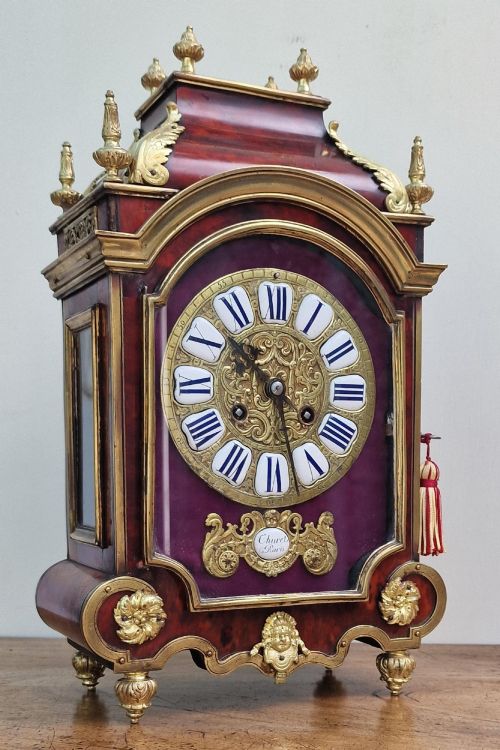


Louis XIV Style Bracket
These louis xiv style bracket pieces are ornate architectural supports and clock mounts that bring grand baroque decoration into a room.
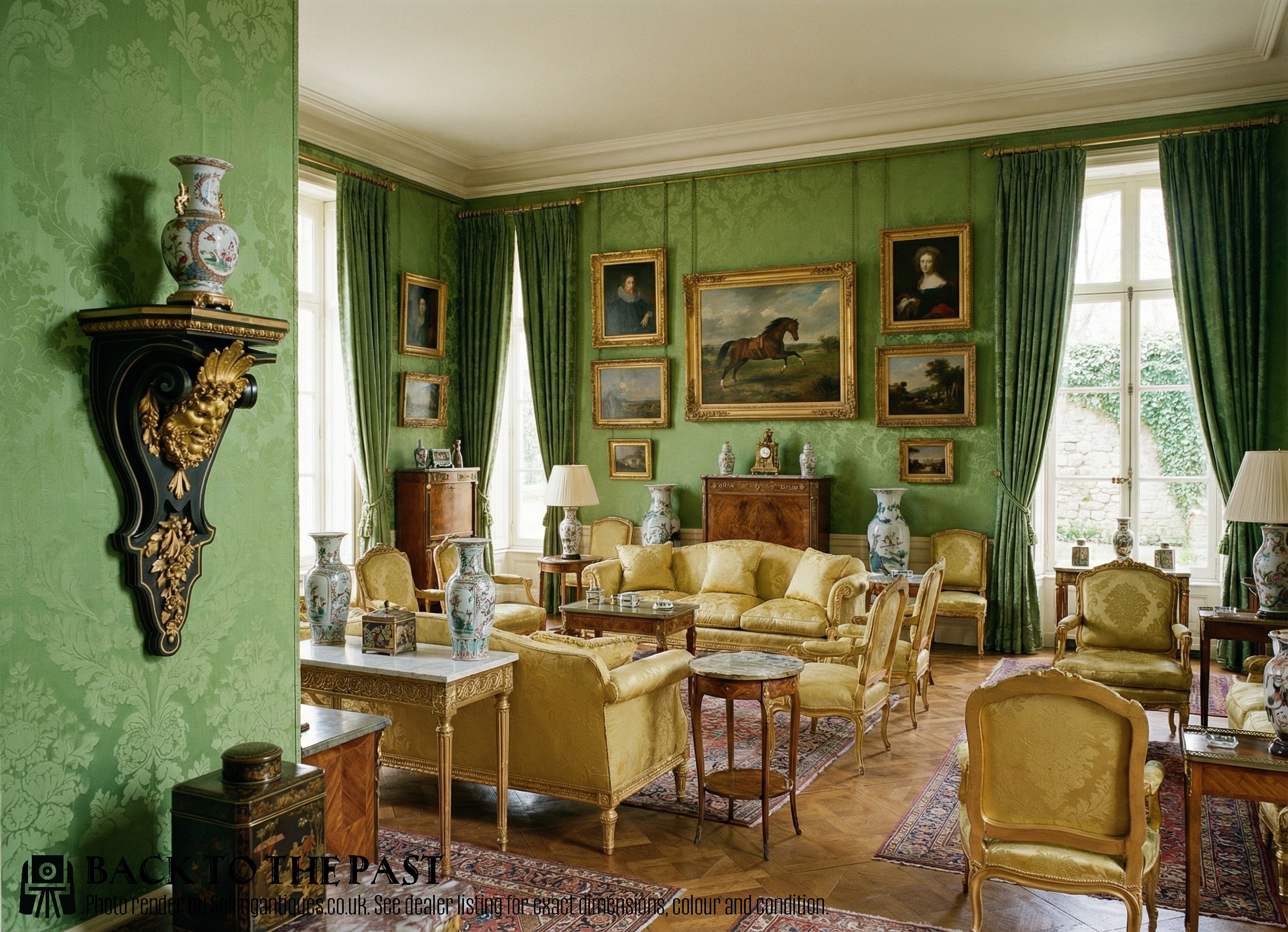
Louis XIV Style Bracket
A louis xiv style bracket encompasses decorative wall brackets, mantel clocks, and wall sconces drawing on French baroque design. These items originate predominantly from the nineteenth century alongside Victorian, nineteen-twenties, and nineteen-sixties revivals.
Buyers commonly encounter mantel clocks housed in tortoiseshell or ebonised wood alongside gilt bronze wall sconces. The selection also includes wall brackets designed to display clocks or decorative objects.
These pieces reflect the formal grandeur associated with French Louis XIV and Napoleon III aesthetics. Makers across France and Italy produced these works using traditional materials to emulate the seventeenth-century manner.
Materials and Construction
Workers shaped ebonised wood and mahogany to form the structural bodies of clock cases and wall brackets. Artisans applied tortoiseshell veneers often using Boulle techniques alongside enamel details on clock faces.
Foundries cast ormolu, brass, silvered bronze, and gilt bronze to create intricate mounts, bezels, and wall lights. Carved giltwood also appears in wall lights dating to the early twentieth century.
Louis XIV Style Bracket Retail Price Guide 2026
Typical asking prices for louis xiv style bracket among the pieces listed under this phrase on Sellingantiques today, from the lower quarter to the upper quarter. They describe what is for sale here now, not the wider market.
Materials represented across the selection include tortoiseshell, ebonised wood, mahogany, ormolu, brass, gilt bronze, and silvered bronze.
Assessing Quality
The sophistication of the cast metalwork separates standard items from superior examples. Finely chased ormolu and gilt bronze display crisp botanical and scroll motifs rather than soft or blurred edges.
The precision of the tortoiseshell inlay and the depth of the ebonised wood finish indicate the skill of the workshop. Attributions to known makers such as Samuel Marti or Henri Dasson elevate the standing of a piece.
Thuret Paris·Samuel Marti·Henri Dasson
The Louis XIV Style Bracket Glossary
- Ormolu
- Gilded bronze used extensively for decorative mounts on furniture and clock cases. This technique involves applying a mercury and gold amalgam to bronze before heating.
- Boulle
- A style of marquetry utilising brass and tortoiseshell inlaid in contrasting patterns. Named after the master cabinetmaker André-Charles Boulle, it defines many nineteenth-century revival clocks.
- Ebonised Wood
- Timber treated to resemble ebony, providing a dark contrasting background for gilt metal mounts. It creates a striking visual balance typical of French baroque furniture.
- Wall Sconce
- A wall-mounted lighting fixture designed to hold multiple candles or electric bulbs. These pieces match the architectural style of bracket clocks and wall brackets.
- Silvered Bronze
- Bronze treated with a silver finish to produce a reflective metallic surface. It provides an alternative tone to standard gilt bronze mounts.
Louis XIV Style Bracket: Frequently Asked Questions
What is a louis xiv style bracket used for?
These pieces serve as decorative wall supports for clocks or sculptures, or function as freestanding mantel clocks and wall sconces. They provide both structural utility and formal baroque decoration within an interior.
Historically, such items adorned formal reception rooms and grand hallways. Today, they remain functional timekeepers and decorative wall ornaments.
How do I identify a nineteenth-century revival piece?
Nineteenth-century revival works often utilise characteristic French Louis XIV motifs combined with Victorian or Napoleon III production methods. Examine the cast gilt bronze mounts and timber construction for period manufacturing techniques.
Makers working during the eighteen-eighties frequently recreated seventeenth-century styles using advanced casting and marquetry methods.
Are these clocks and brackets French in origin?
Many of the listed items originate from France, reflecting Parisian workshop traditions and makers such as Samuel Marti and Henri Dasson. Some wall-lights also show Italian influences from the early twentieth century.
French ateliers dominated the production of Boulle clocks and gilt bronze wall sconces throughout the nineteenth century.
How should I care for tortoiseshell and ormolu?
Keep tortoiseshell surfaces away from direct sunlight and excessive heat to prevent warping or cracking. Dust gilt bronze gently with a dry, soft cloth without applying harsh chemical cleaners.
Stable indoor humidity levels help preserve delicate wooden cases and applied brass inlay.