

Antique Brass Metal Bed
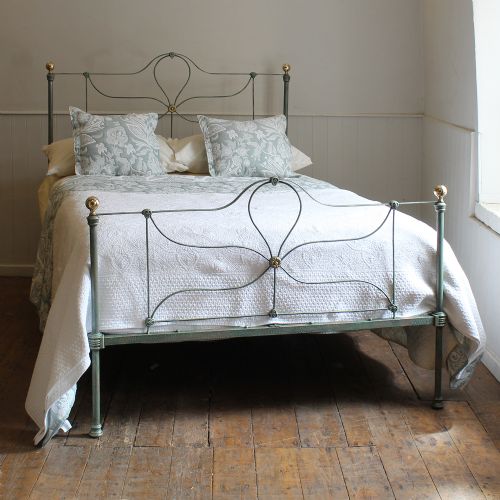
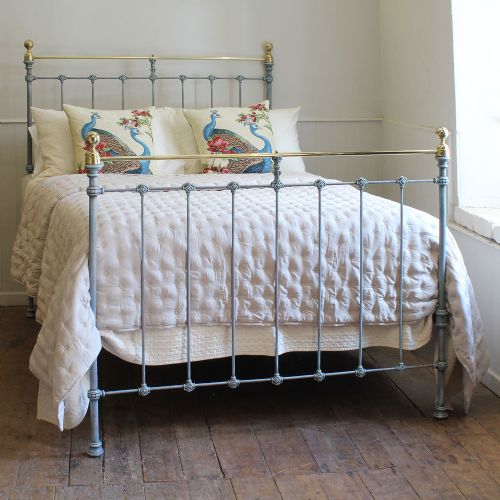
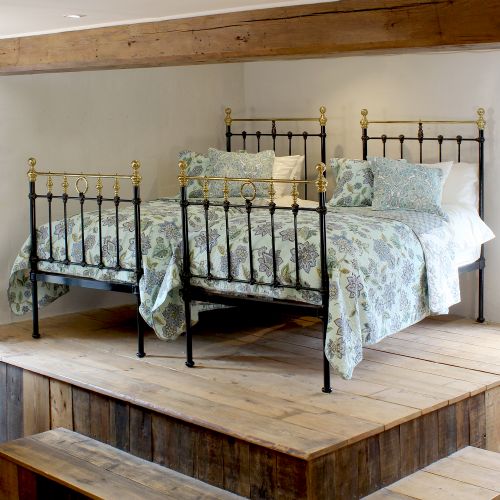
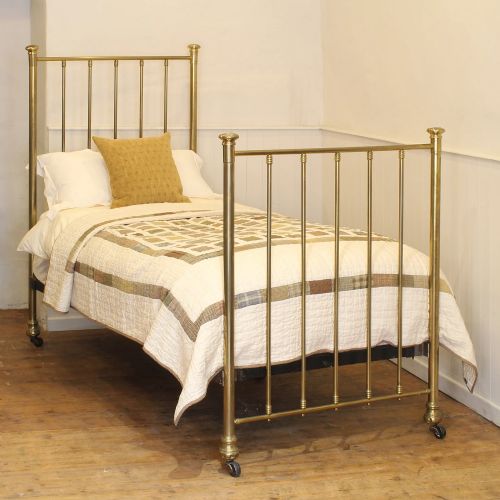
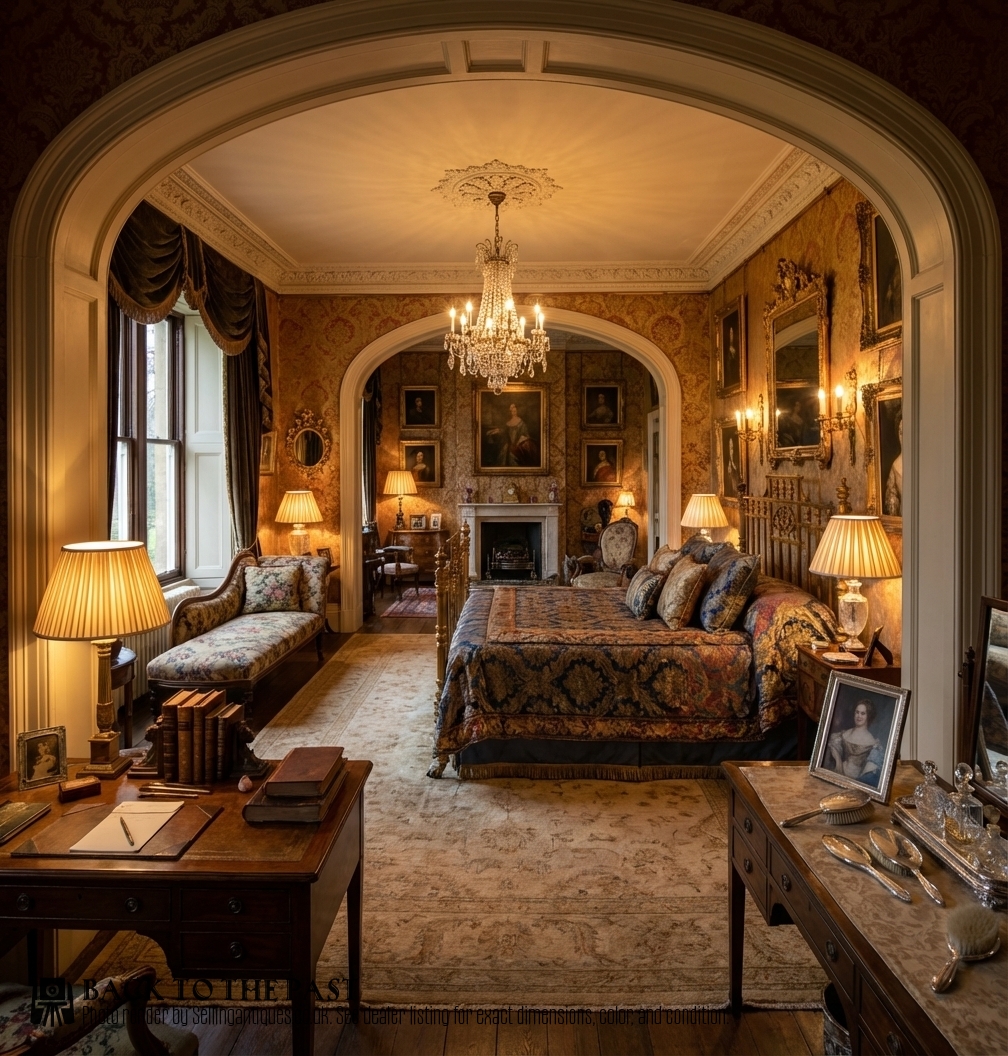
An antique brass metal bed brings warmth and architectural presence to a bedroom through polished metal and substantial castings.
Antique Brass Metal Bed
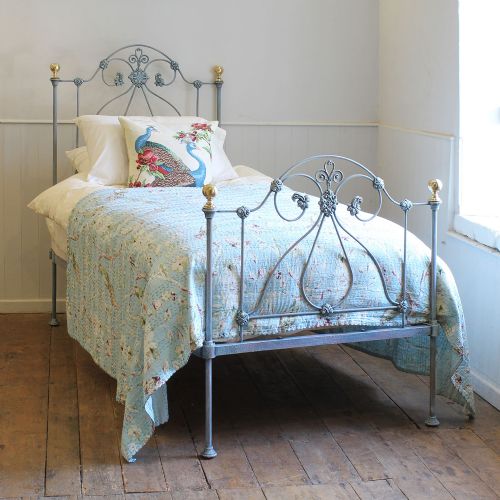
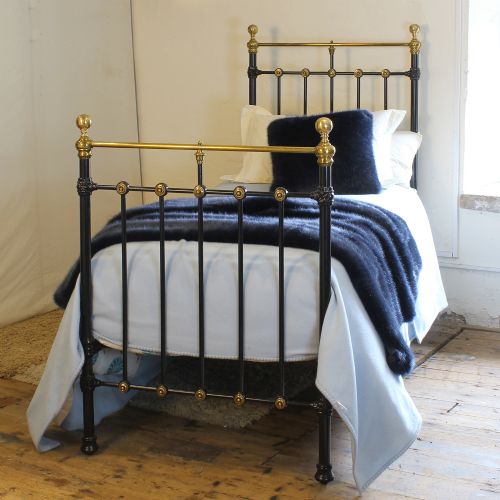
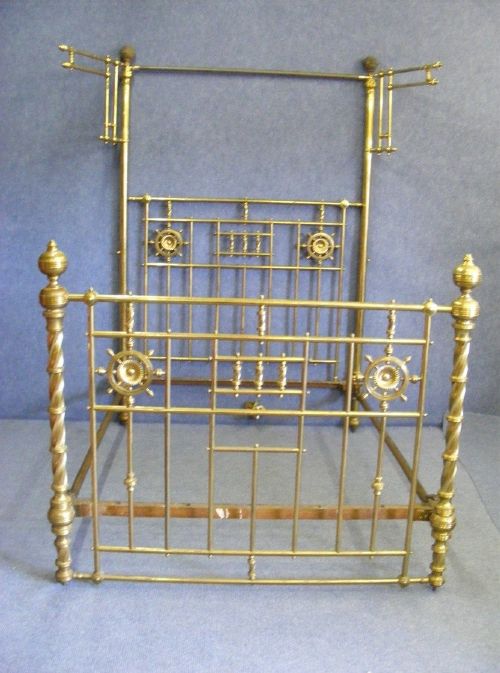
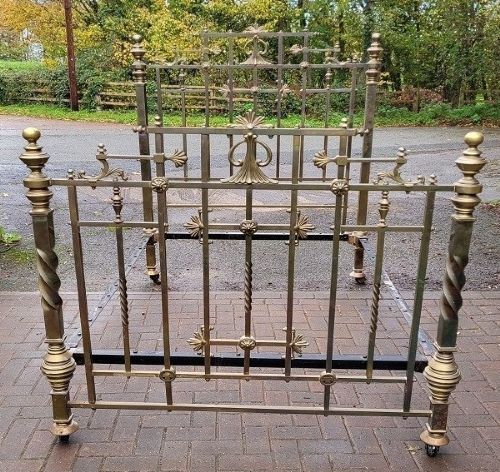
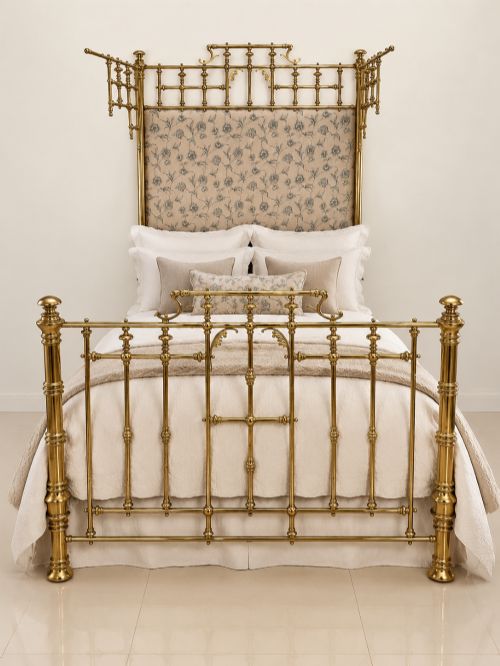
An antique brass metal bed takes the form of a bedstead, bed frame, or half tester bed, originating predominantly from the Victorian and Edwardian periods.
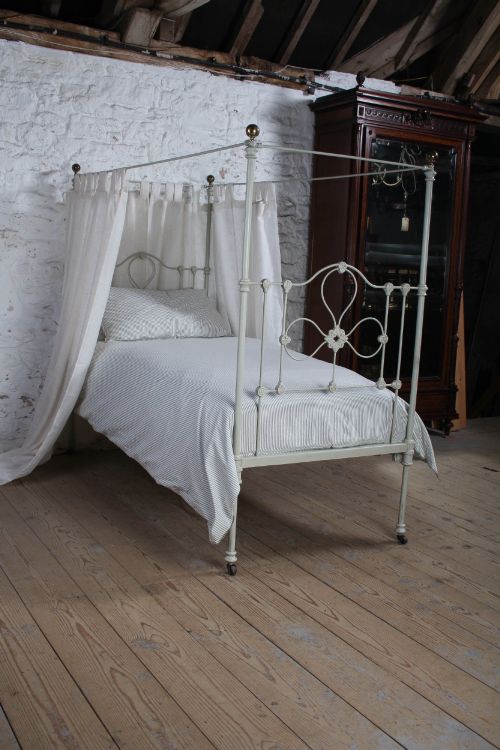
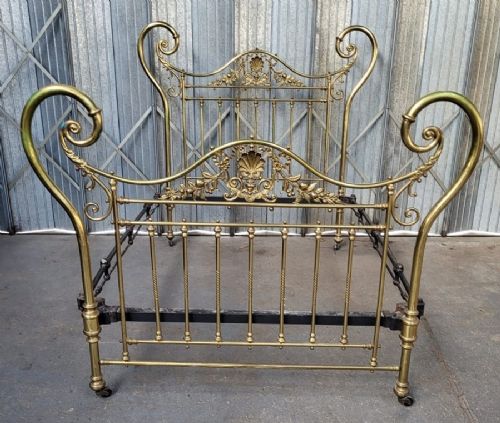
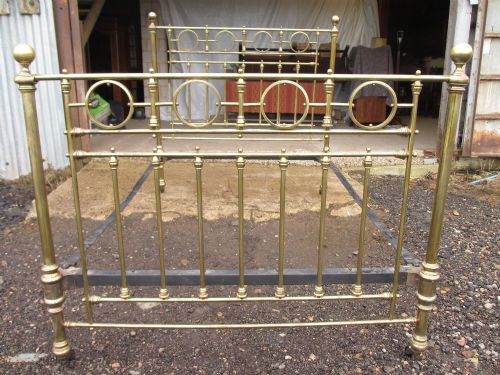
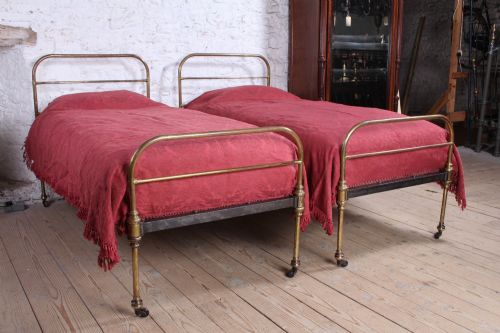
These pieces combine brass elements with cast iron or wrought iron frameworks, often constructed with slot-in frames set on castors.
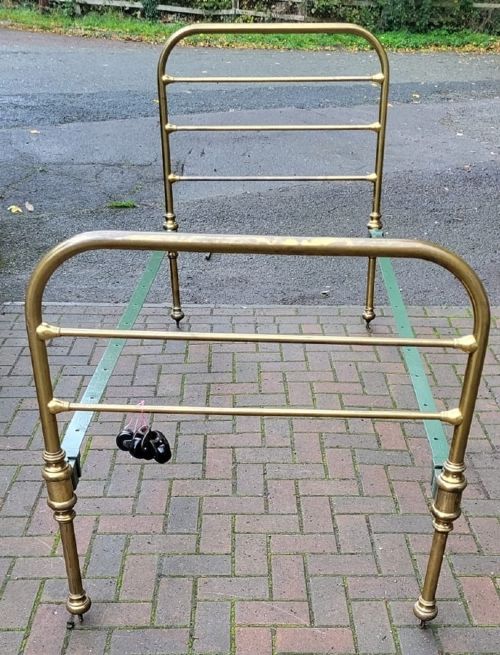
Buyers encounter single, double, king, and super king sizes, alongside specific variations such as half tester beds and French styles.
Materials and construction
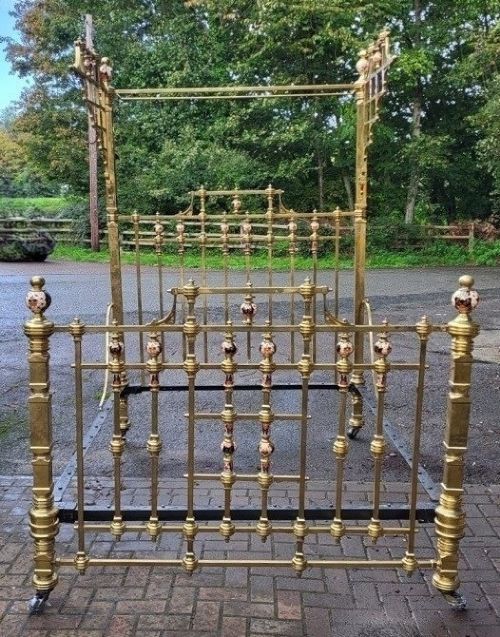
Makers utilised solid brass, brass tubing, and iron, frequently incorporating decorative metal castings and ceramic or mother of pearl details.
Frameworks rely on iron side rails that slot securely into headboards and footboards, often supported by integrated castors for mobility.
One unexpected variant included in the archive is an English brass bed warming pan, substituting sleeping comfort for warming the sheets.
Distinctions in quality
Quality rests in the weight and crispness of the brass and iron castings, where finer examples display intricate detail and substantial metal gauges rather than thin plating.
The sophistication of the design dictates value, distinguishing standard production frames from exhibition quality pieces featuring specialised elements like tapered posts or half tester canopies.
Maple and Co·Hoskins and Sewell·RW Winfield
The Antique Brass Metal Bed Glossary
- Bedstead
- A framework of a bed, consisting of headboard, footboard, and side rails. This term is frequently used interchangeably with bed frame in nineteenth-century listings.
- Half Tester
- A bed featuring a short canopy extending from the headboard over the upper portion of the bed. These grand structures often support drapery.
- Castor
- A small wheel mounted on a swivel attached to the base of the bed legs. They allow heavy iron and brass frames to move across floors.
- Toleware
- Enamelled or japanned metalware, occasionally found in nineteenth-century bed components. It provides a painted decorative surface distinct from bare metal.
- Dip Rail
- A headboard or footboard rail that curves downward in the centre. This style creates a softer silhouette on large frames.
Antique Brass Metal Bed: Frequently Asked Questions
How do I choose the right size?
Antique metal beds come in nineteenth-century dimensions that may differ slightly from modern standard mattress sizes. Check the precise measurements of the frame before sourcing a mattress.
Larger rooms accommodate king or super king half tester beds, while single and small double frames suit compact spaces.
Are these beds easy to assemble?
Most period frames utilise a straightforward slot-in iron rail system that locks the headboard and footboard together without complex hardware.
Two people make assembly straightforward, ensuring the side rails seat correctly into the corner sockets before adding slats.
How do I care for brass?
Regular dusting with a dry microfiber cloth maintains the surface of polished brass components. Avoid harsh chemical cleaners that strip protective lacquers or vintage patina.
Iron parts benefit from similar gentle care, keeping moisture away from unpainted or vulnerable surfaces.
What is a half tester bed?
A half tester incorporates a projecting wooden or metal canopy attached to the headboard, suspending fabric over the pillow end of the sleeper.
This form originated to retain warmth and block drafts in high-ceilinged period bedrooms.