


Antique Brass Log Box
These antique brass log box pieces are robust fireside storage containers designed to hold fuel in style.
What an antique brass log box is
An antique brass log box serves as a functional fireside container for holding fuel such as wood and coal. These pieces combine utilitarian metalwork with domestic craft, evolving from simple receptacles into decorative hearth accessories.
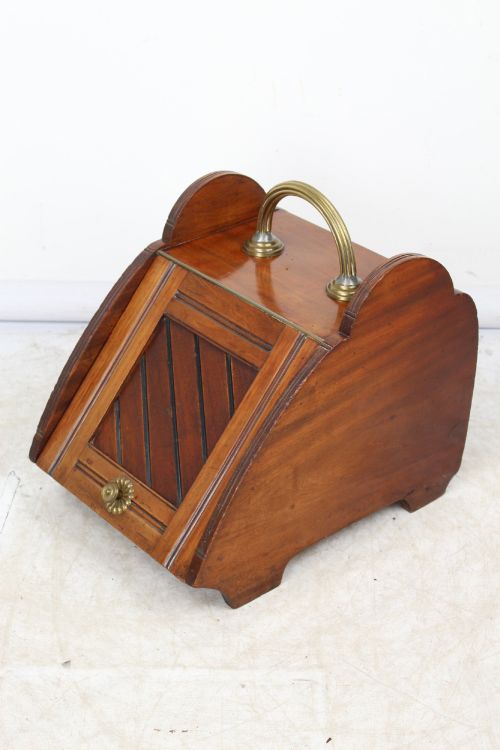
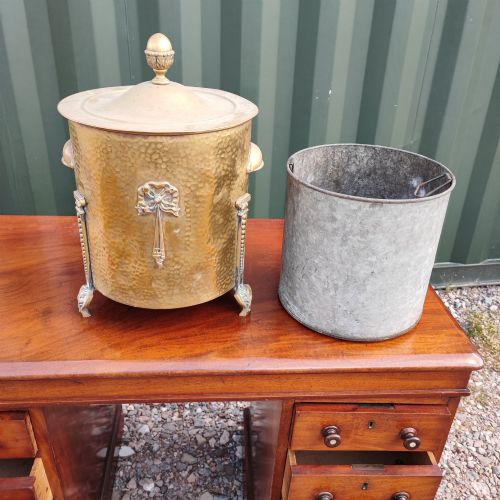
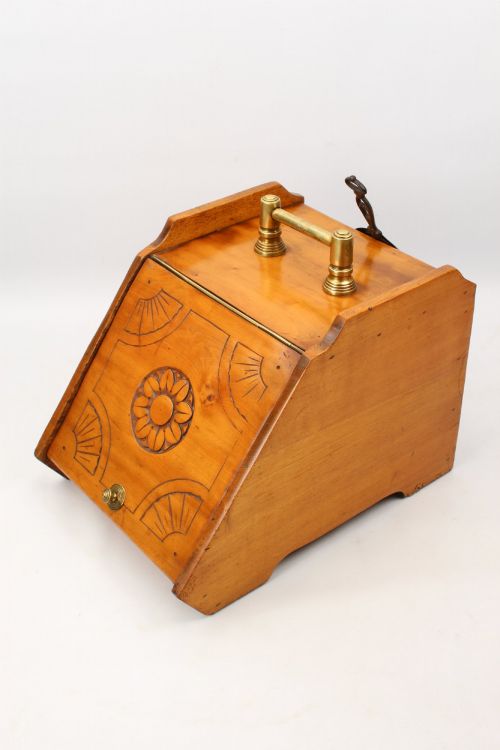
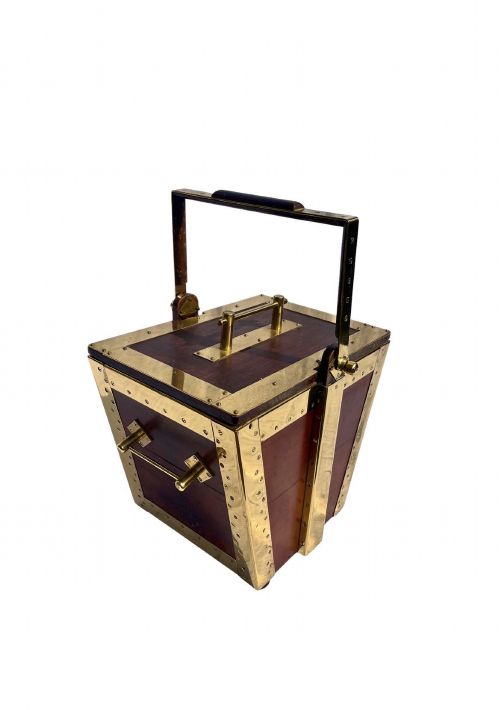
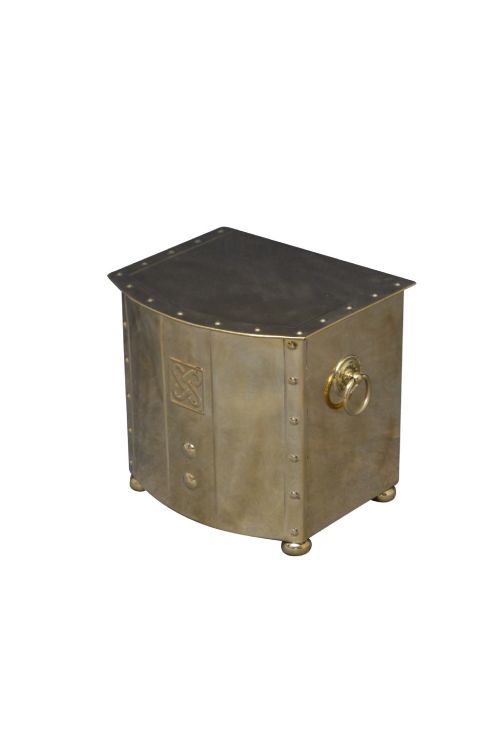
The versions most commonly met on this page date from the nineteenth century and Victorian periods. They take various forms including lidded bins, purdoniums, and helmet boxes, often incorporating wooden bodies or decorative mounts.
Origins span English and Belgian workshops, reflecting distinct regional tastes in metal shaping and domestic utility. Buyers encounter items that range from plain cylindrical bins to ornate storage cabinets with detailed brass work.
How they were made
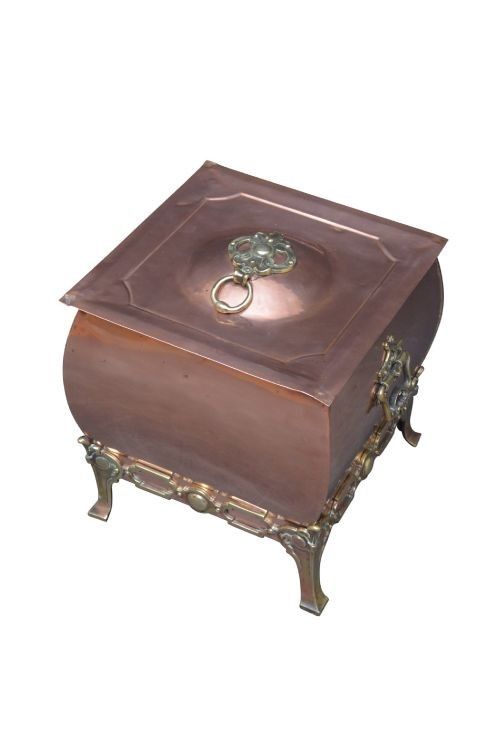
Makers utilised durable base materials like mahogany, walnut, and treen, pairing them with heavy sheet brass and copper. Metal components were beaten, cast, or riveted to wooden carcasses to protect the timber from heavy fuel.
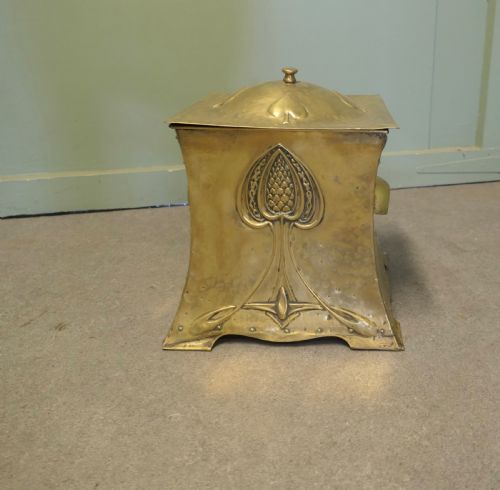
Surface ornamentation relied on repoussé work, piquet decoration, and polished metal panels. Wood was turned, joined, and polished to create robust bodies capable of withstanding daily fireside use.
Retail Price Guide 2026
Typical UK retail prices for brass log box, calculated from the Sellingantiques database of over a million retail prices indexed since 2003. This retail price guide relies exclusively on Sellingantiques data; no external sources or auction records are used, so the figures do not describe the wider market.
Listings feature items from the 19th century and Victorian period, constructed primarily from brass, mahogany, walnut, and copper.
What varies in quality
Quality rests in the gauge of the metal and the integrity of the joinery between brass and wood. Thicker brass panels and substantial timber bodies distinguish robust examples from lighter, purely decorative items.
The refinement of decorative details, such as hand-beaten mounts and integrated shovels, separates standard utilitarian pieces from exceptional fireside furnishings. Superior examples exhibit harmonious proportions and careful material pairing.
The Antique Brass Log Box Glossary
- Purdonium
- A specialised coal cabinet or box featuring a sloping front and a hinged lid designed to store fuel beside a fireplace. This form became particularly popular during the Victorian era.
- Coal Helmet
- A fireside bucket shaped like a classical helmet with a high back and a projecting lip for pouring fuel. These items often include a swing handle for easy transport.
- Piquet
- A decorative technique using tiny brass pins tapped into wood to form geometric or floral patterns. This meticulous inlay method appears on smaller treen items associated with the period.
- Repoussé
- A metalworking method where the design is hammered into relief from the reverse side. This process adds texture and depth to brass and copper surfaces.
Frequently Asked Questions
What is an antique brass log box?
An antique brass log box is a durable hearth container built to store wood, coal, and kindling near a fireplace.
These items combine metal plating with wooden structures to handle heavy fuel while enhancing the room's decor.
How were these boxes used?
They sat beside the hearth to keep fuel dry and tidy until it was needed on the fire.
Many designs included shovels or scuttles to make transferring coal and logs cleaner and more efficient.
How do I date a Victorian piece?
Dating relies on examining construction methods, material combinations, and the specific style of brass ornamentation.
Nineteenth-century examples often display hand-beaten details and specific timber choices like mahogany or walnut.
Are these boxes suitable for modern fires?
Yes, they provide practical storage for firewood and kindling next to contemporary or traditional hearths alike.
Their robust construction ensures they remain functional receptacles for daily domestic use.