


Antique Brass Light Stand
An antique brass light stand brings genuine period character and warm illumination to a room, spanning everything from Georgian candlesticks to Victorian floor lamps.
Antique Brass Light Stand
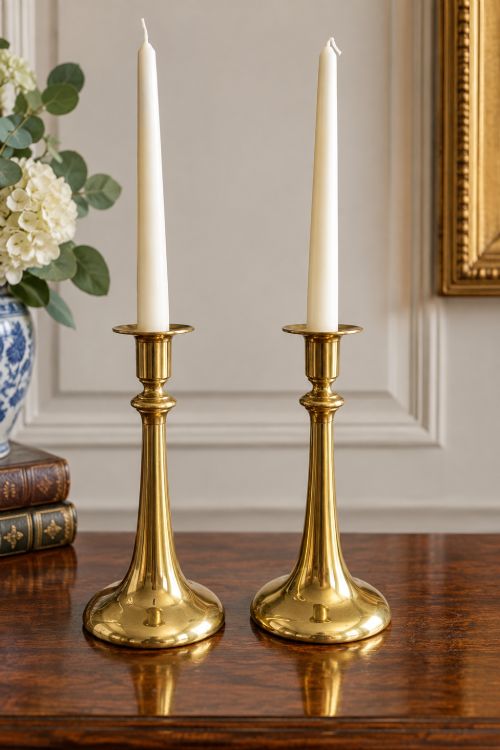
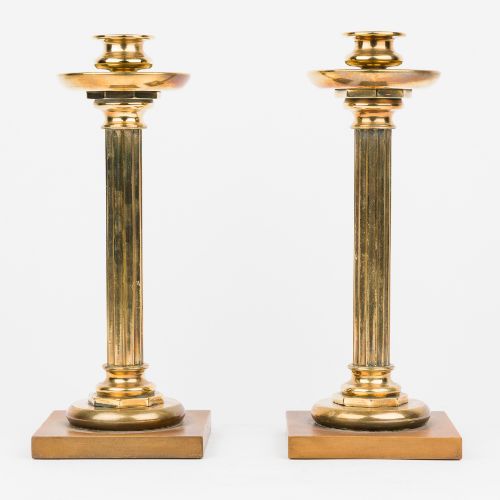
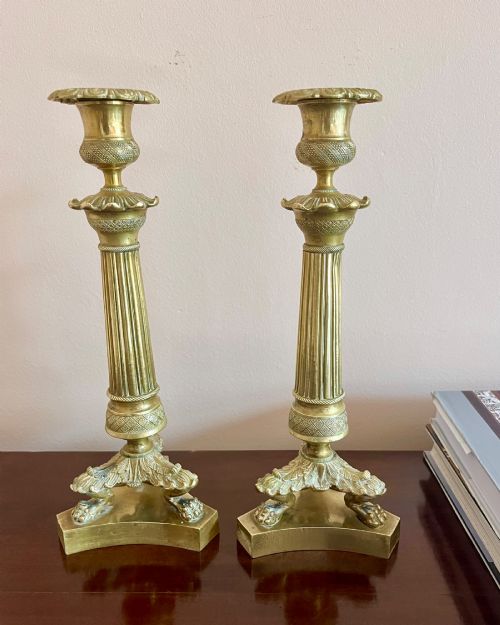
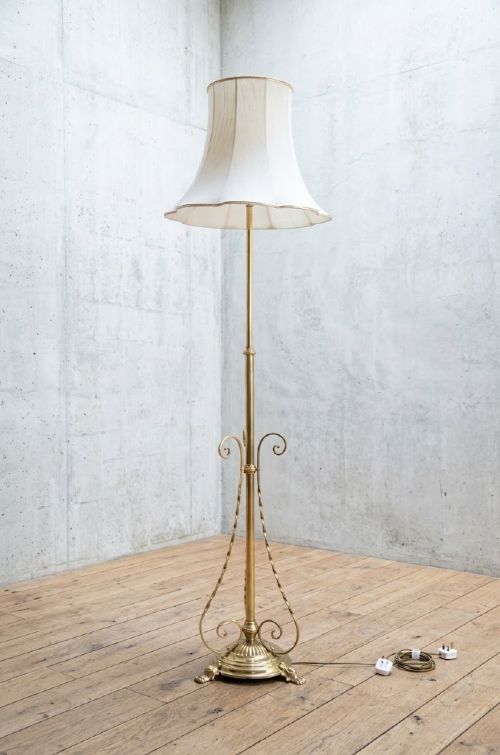
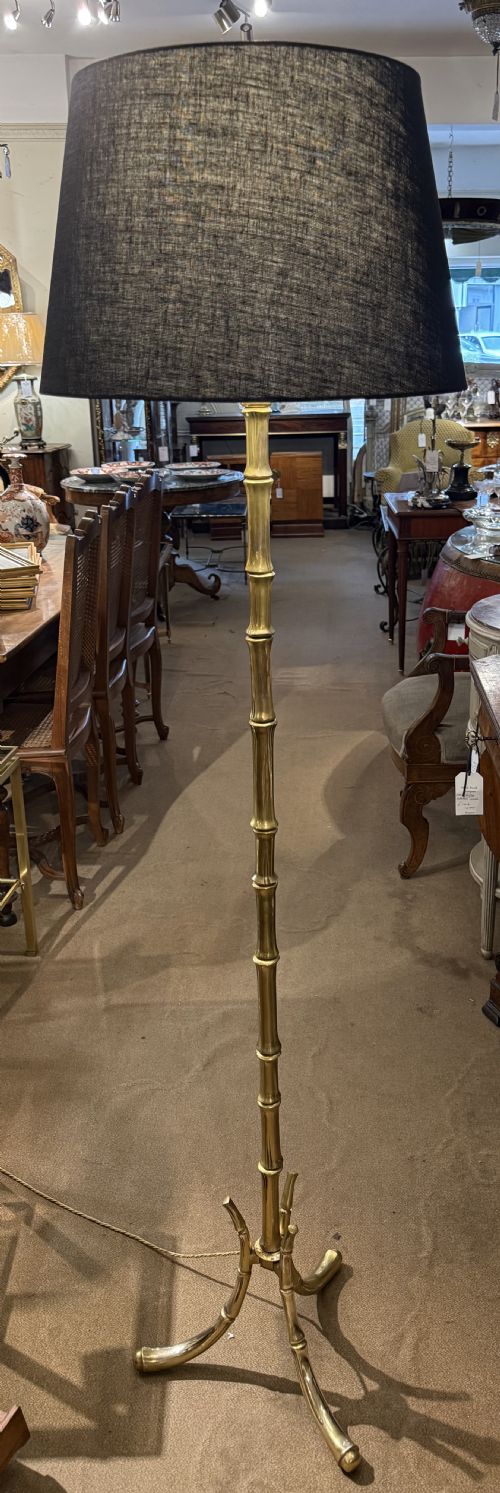
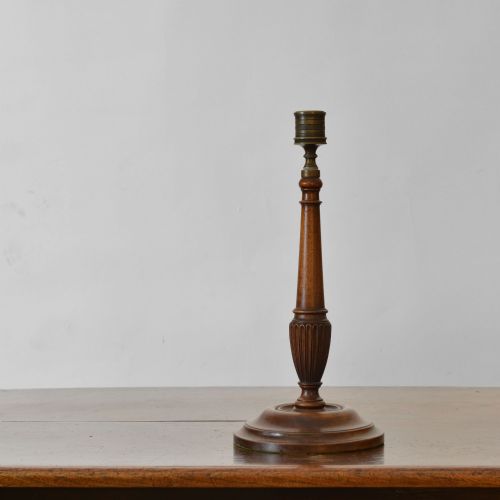
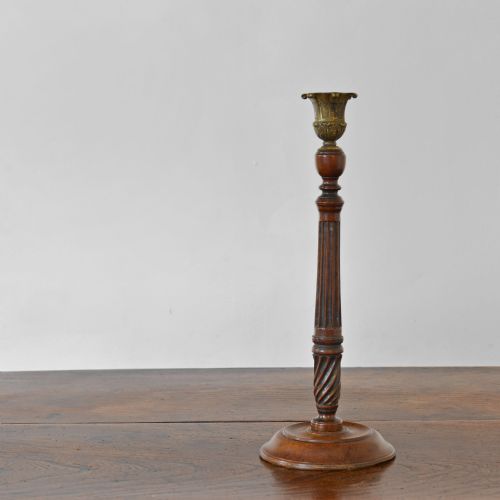
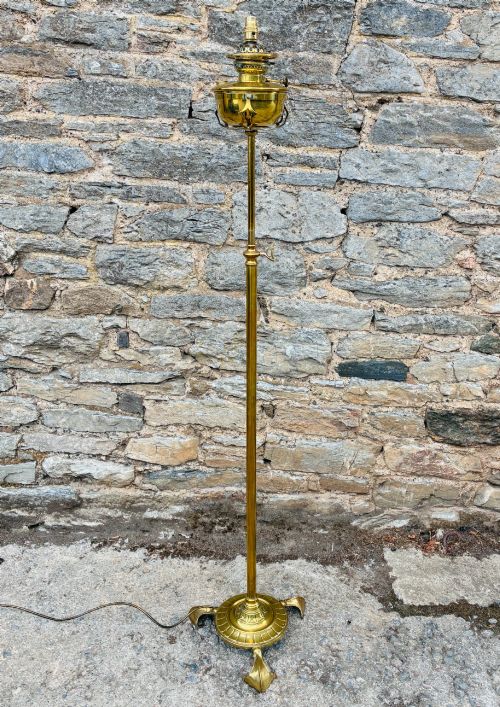
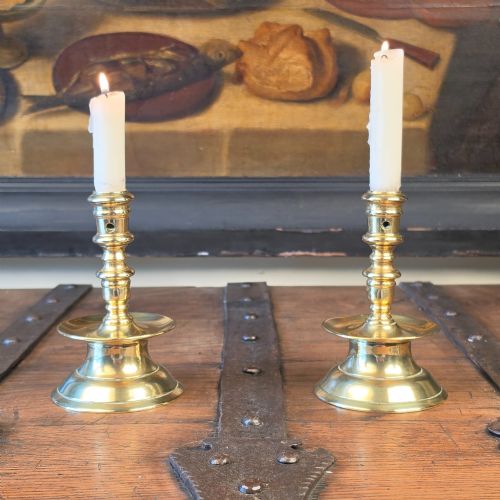
When you search for an antique brass light stand, you encounter a varied selection of lighting forms spanning several centuries. The inventory comprises tall floor lamps, standard lamps, and upright oil lamps alongside smaller table forms such as candlesticks and candelabras.
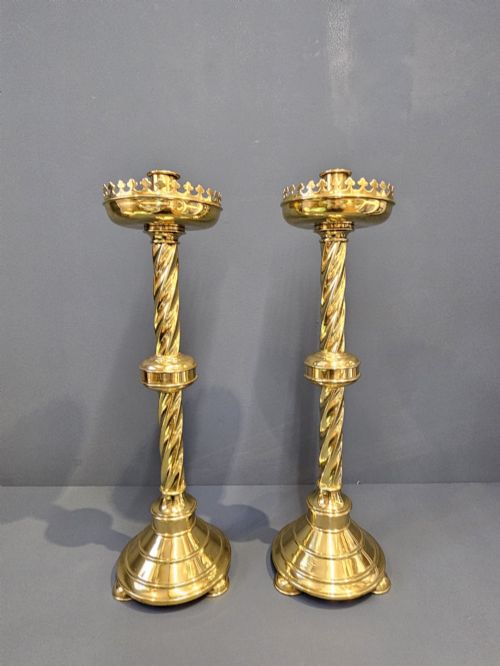
The most common versions met on this page are sturdy 19th century and Victorian brass candlesticks, often featuring adjustable heights or telescopic columns. Alongside these stand larger floor-standing lighting fixtures originating from the Georgian, Edwardian, and later periods.
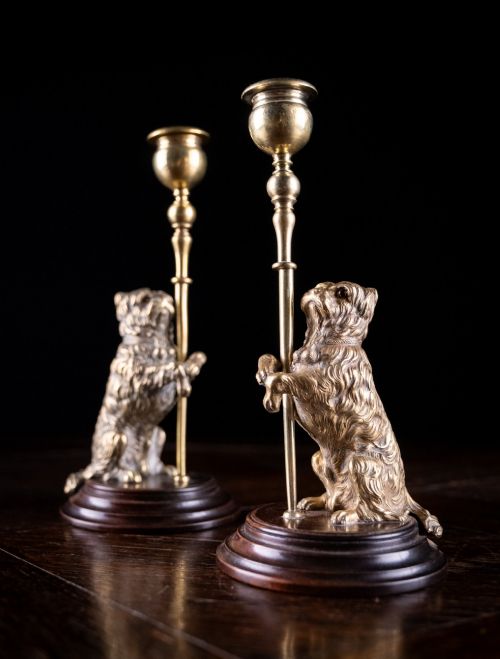
Makers and designers produced these items in diverse styles including Regency, Art Nouveau, Arts and Crafts, and Neoclassical revivals. Materials range from solid cast brass and seamed brass to gilt bronze, ormolu, and combinations involving mahogany, copper, and onyx.
How they were made
The objects listed show metalworking techniques typical of their respective centuries, utilising cast brass, seamed construction, and applied patination. Founders poured molten metal into sand moulds to create heavy candlesticks and figural bases, whilst others used sheet brass shaped with seams for lighter columns.
Surface treatments such as fire gilding produced ormolu and gilt bronze finishes, adding rich golden tones to decorative candelabra and sculptural bases. Where floor lamps and oil lamps required height adjustment, makers engineered sliding telescopic mechanisms and side ejectors from brass and copper components.
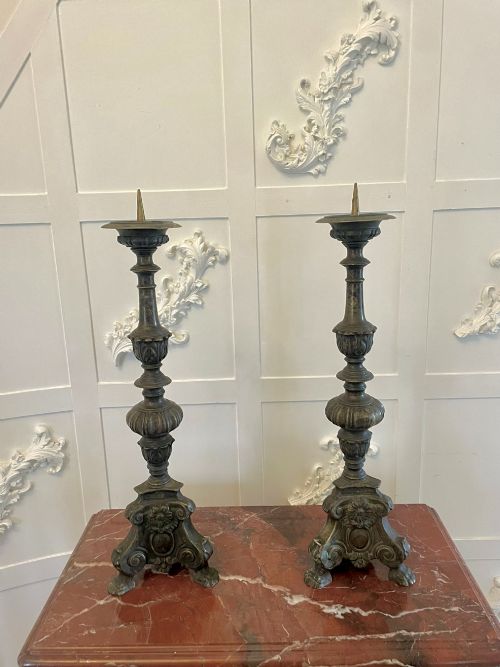
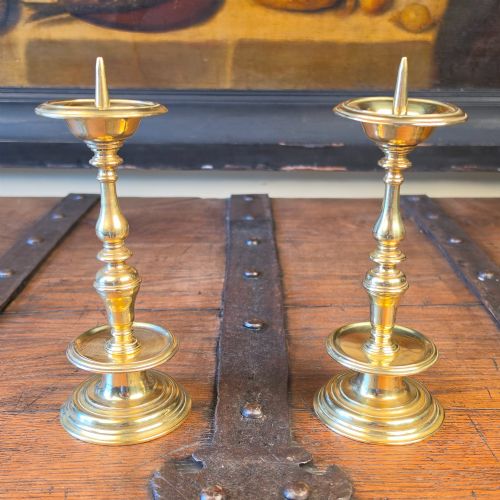
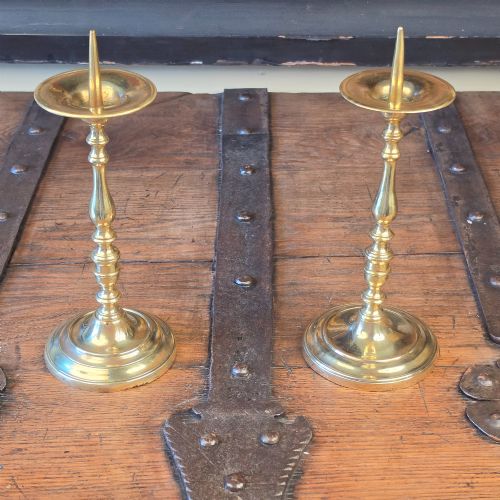
Recorded object types include floor lamps, standard lamps, pricket candlesticks, and multi-armed candelabras.
What varies in quality
Quality in these lighting pieces rests upon the crispness of the casting and the weight of the metal used. Heavier cast brass examples with sharp detail in the ornamentation and structural stability sit at the higher end of the range.
The refinement of the decorative elements distinguishes finer items, such as hand-chased surface details on gilt bronze or ormolu mounts, compared to simpler utilitarian designs. Original components, including functioning telescopic adjustments and matching pairs, also elevate the standard of the piece.
Maison Bagues·Barbedienne
The Antique Brass Light Stand Glossary
- Pricket candlestick
- A candlestick featuring a sharp metal spike on top to secure a candle, frequently seen on church or ecclesiastical pieces.
- Ormolu
- Finely ground high-carat gold applied to a bronze base using a mercury amalgamation technique, creating a rich golden surface finish.
- Seamed brass
- Metal sheets bent into cylindrical form and joined along a seam, common in earlier candlestick manufacturing before advanced casting methods.
- Candelabra
- A branched lighting fixture designed to hold multiple candles or tapers simultaneously.
- Bouillotte lamp
- An adjustable desk or table lamp featuring a central standard and a shade, adapted from traditional card-playing lighting.
Antique Brass Light Stand: Frequently Asked Questions
What is an antique brass light stand?
An antique brass light stand encompasses upright lighting fixtures made from brass, including tall floor lamps, standard lamps, and table candlesticks dating from earlier centuries.
These pieces reflect the lighting technology and decorative styles of periods ranging from the Georgian era through to the Edwardian period.
Were these floor lamps originally electric?
Many taller floor lamps and standard lamps started as oil lamps or paraffin burners before being converted to electricity at a later date. Telescopic brass columns originally designed to raise an oil reservoir now serve to position an electric bulb and fabric shade.
Converting these fixtures allowed period lighting to remain functional in modern homes without losing its original appearance.
How do I clean antique brass?
Maintaining antique brass usually involves gentle dusting with a soft cloth to preserve the aged patina built up over centuries. Harsh chemical metal polishes can strip away desirable patination and historical surface wear.
Consulting a specialist conservator ensures that any cleaning or restoration maintains the structural integrity and historical value of the piece.