


Victorian Brass Reading Lamps
Victorian brass reading lamps deliver focused task lighting through adjustable metal arms, heavy columns, and period shades.
Victorian Brass Reading Lamps
Victorian brass reading lamps encompass floor-standing standards, adjustable desk lights, and student lamps designed to cast direct light for reading or working. Buyers searching this category encounter various column types, including Corinthian and ionic orders, alongside telescopic mechanisms and student oil lamps.
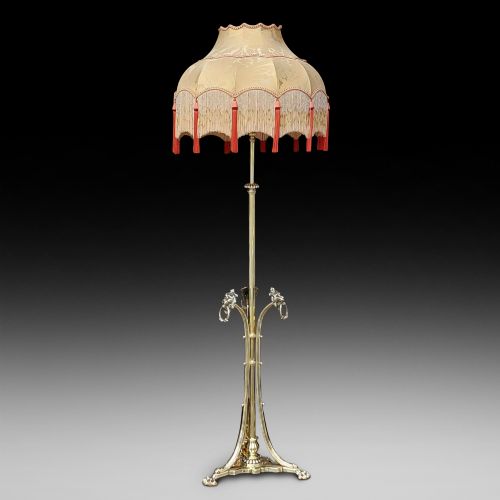
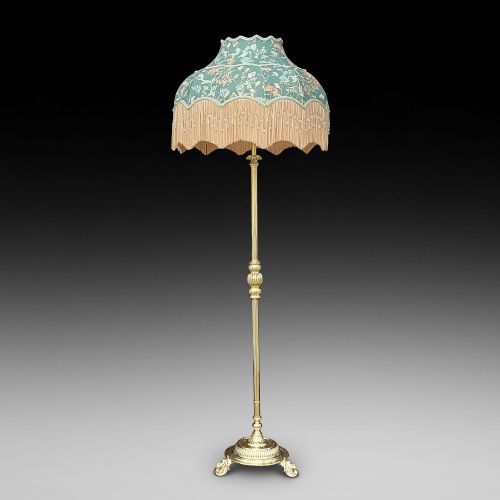
The objects span table lamps, floor lamps, and wall lights originating across the Victorian, Edwardian, and nineteenth-century periods. Common configurations feature heavy metal bases supporting burners, candles converted to electricity, or adjustable arms suited for specific tasks.
Materials and construction
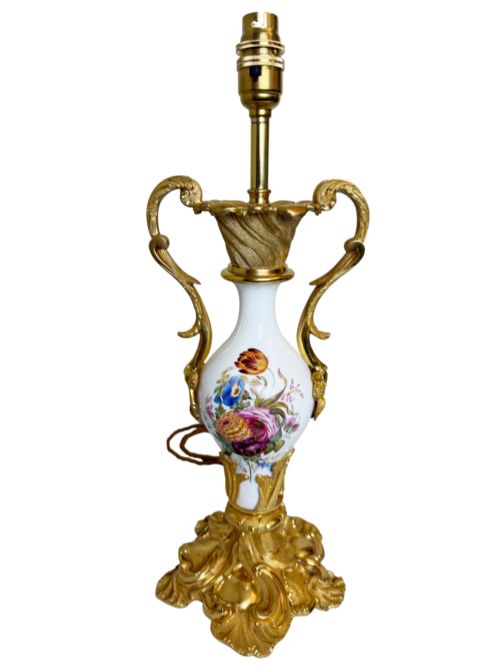
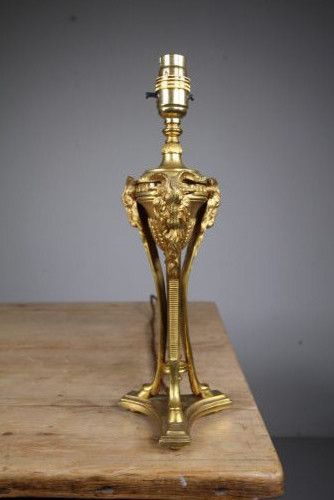
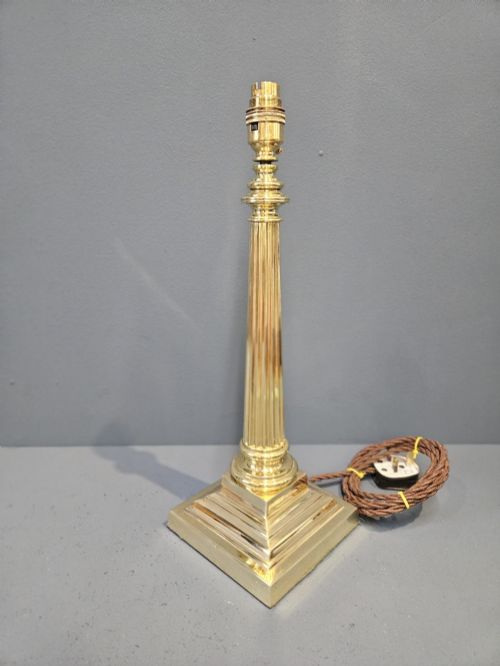
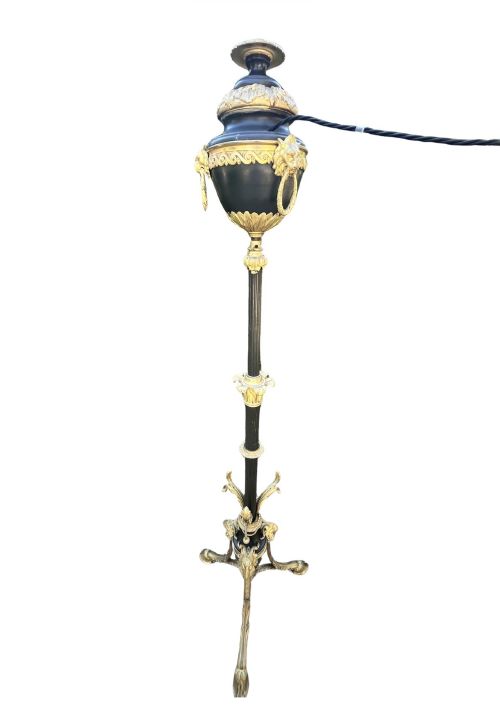
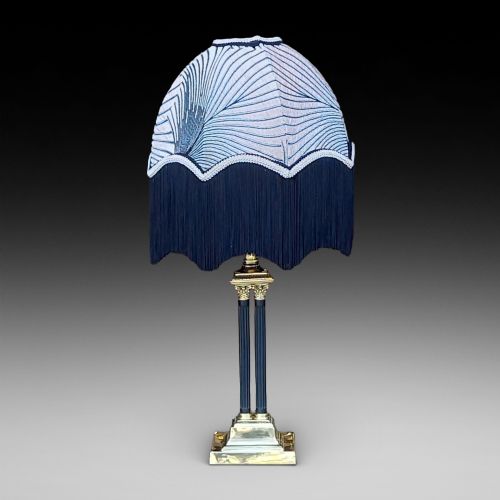
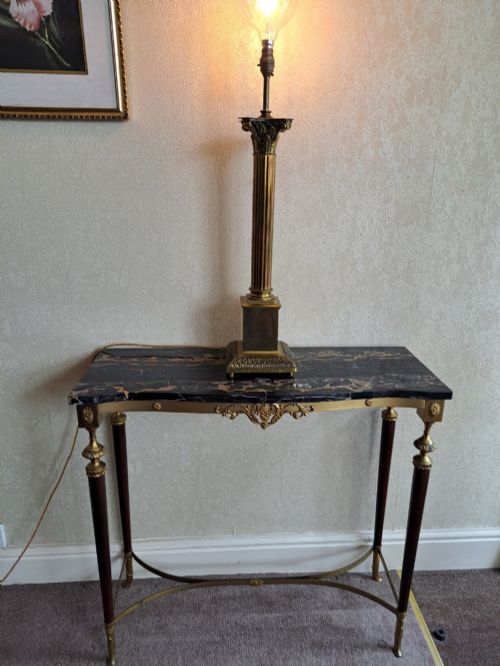
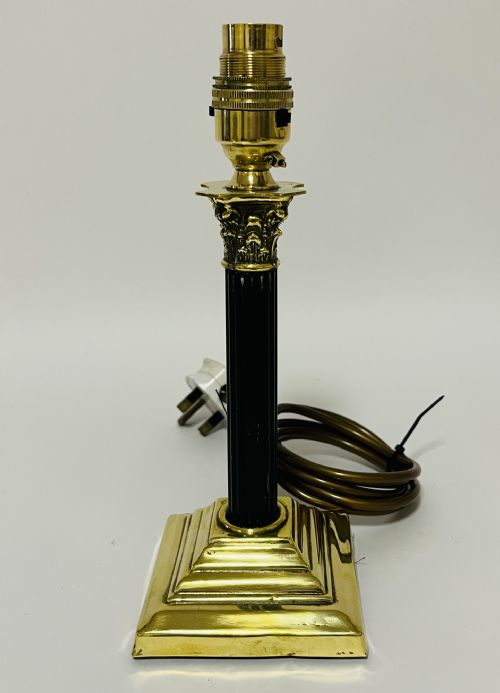
These pieces rely heavily on brass, gilt bronze, and ormolu, often paired with glass shades in cranberry or opaline glass, and occasionally onyx or fabric components. Structural elements like reeded columns and Corinthian capitals demonstrate cast and turned metal techniques.
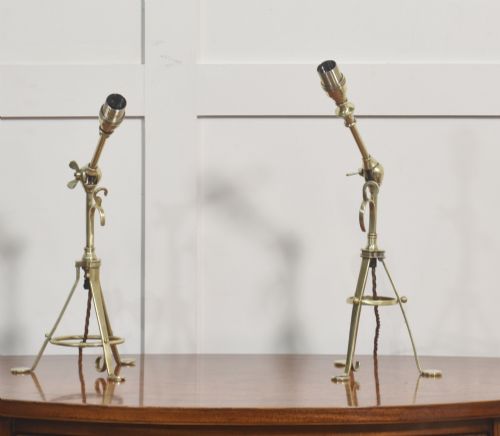
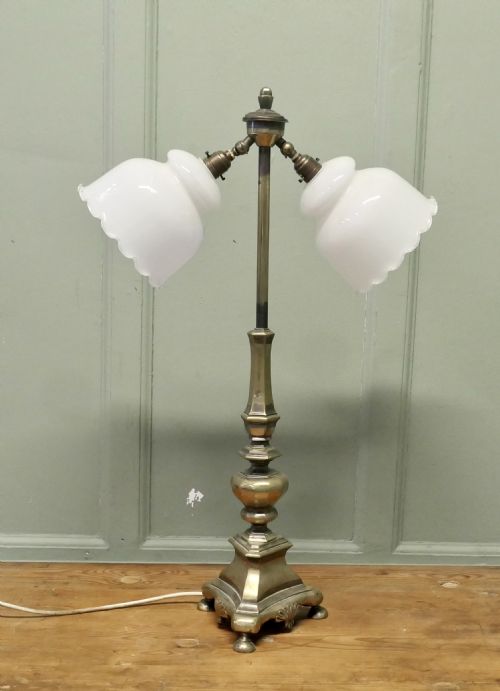
Makers integrated mechanical adjustability using telescopic shafts, swivel joints, and gimble mounts for ships or trains. Surface finishing includes nickel plating and gilded details applied to heavy metal bases.
A gimbal lamp designed to swing on ships or trains kept the light level while rocking on the waves.
Design and execution
Quality rests in the precision of the mechanical adjustments, the crispness of cast column capitals, and the weight of the base. Heavy metal standards with intricate floral openwork or structural ingenuity outclass simpler mass-produced stems.
The integration of maker-specific hardware, such as marked burners or stamped manufacturer details, elevates an example above standard utility pieces.
W.A.S. Benson·Faraday and Sons·Joseph Hinks·Wild and Wessel·Veritas Lamp Works
The Victorian Brass Reading Lamps Glossary
- Corinthian column
- A classical architectural column form featuring ornate acanthus leaves on the capital, frequently used for lamp standards. This design mimics ancient stone architecture in cast metal.
- Student lamp
- A nineteenth-century task lamp featuring a distinct fuel reservoir and burner arrangement designed to illuminate a desk or workspace. These often include adjustable vertical shafts.
- Telescopic
- A mechanical design allowing the lamp stem to extend and lock at various heights. This feature provided adjustable illumination for desks and reading tables.
- Gilt bronze
- Bronze treated with a gold application or wash to produce a bright, golden surface finish. It appears frequently on finer nineteenth-century lighting.
- Ormolu
- Gilt bronze applied to decorative hardware and lamp mounts. The technique creates a rich, lustrous surface on period fixtures.
Victorian Brass Reading Lamps: Frequently Asked Questions
Were these lamps converted from oil?
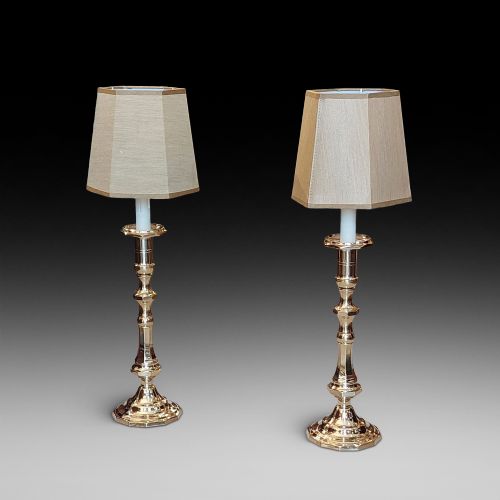
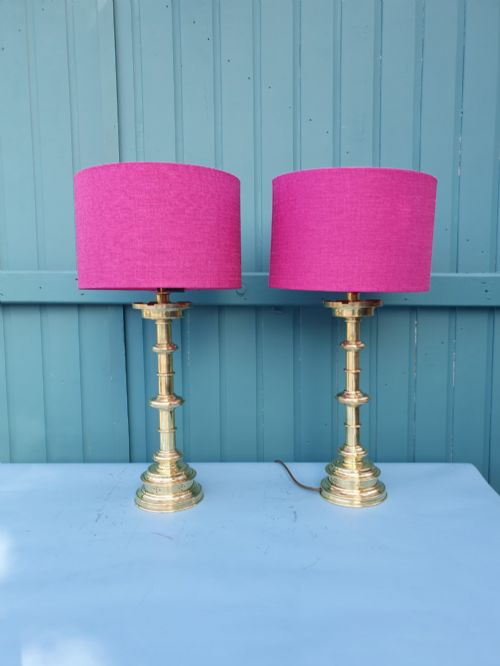
Many nineteenth-century examples began as oil or student lamps featuring burners and reservoirs before later conversion to electricity. Other pieces started as candlesticks adapted later for wiring.
Conversion methods vary widely from period alterations to modern rewiring designed to preserve original metal components.
What is a student lamp?
A student lamp is a dedicated task light featuring a prominent fuel reservoir offset from the burner to cast direct light downward onto a desk. Victorian versions utilised heavy brass frames and often included adjustable vertical stems.
These pieces provided focused illumination for reading and writing before the widespread adoption of domestic electric lighting.
How do I date a brass lamp?
Dating relies on stylistic markers such as reeded columns, Corinthian capitals, Art Nouveau floral motifs, and manufacturer stamps or patent marks. Period descriptions often reference nineteenth-century or Edwardian design conventions.
Construction techniques like casting quality and screw threads help distinguish Victorian production from later twentieth-century reproductions.