


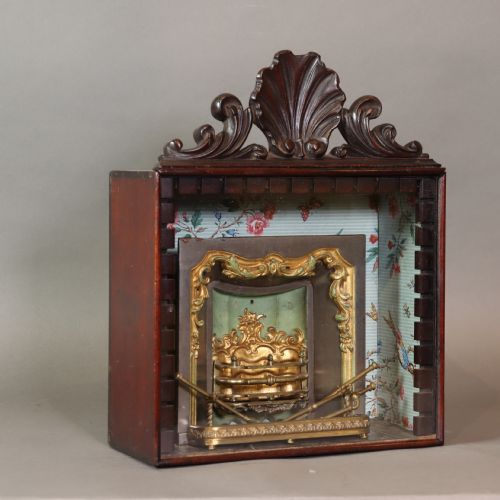


Antique Brass Grate
An antique brass grate brings warmth and formal symmetry to a hearth, combining sturdy iron frameworks with bright brass highlights.
Antique Brass Grate
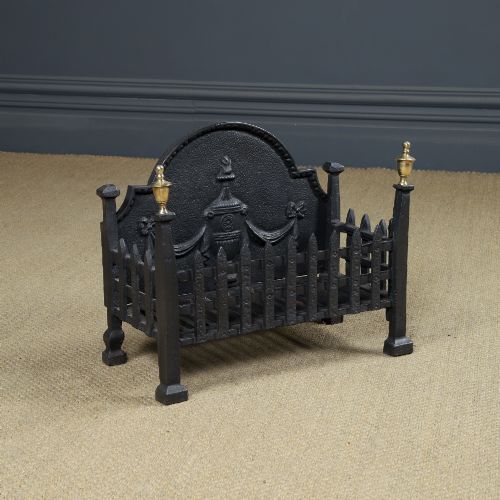
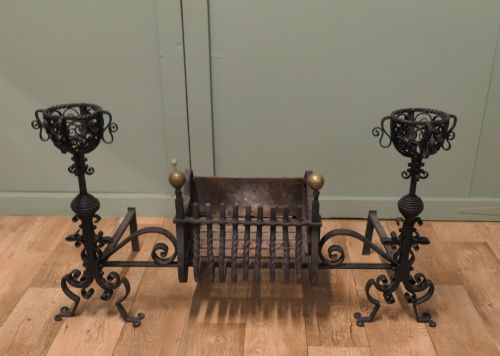
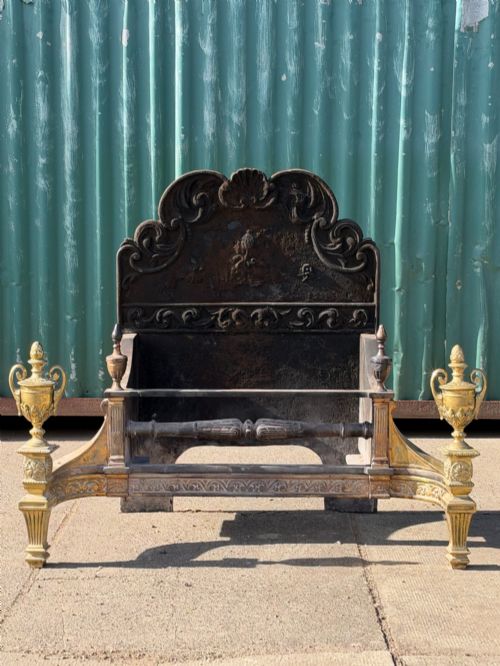
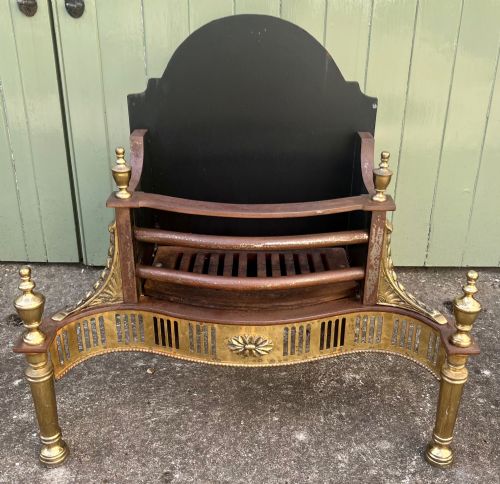
An antique brass grate serves as a decorative and functional hearth centrepiece, designed to hold burning fuel safely while framing the fire. When exploring an antique brass grate, you will encounter various forms ranging from standard fire baskets to detailed hob grates and smaller salesman samples.
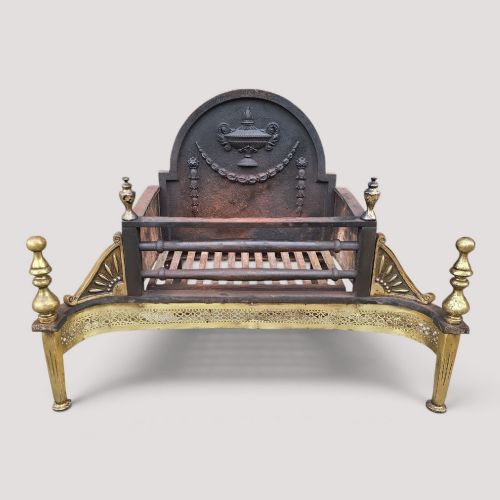
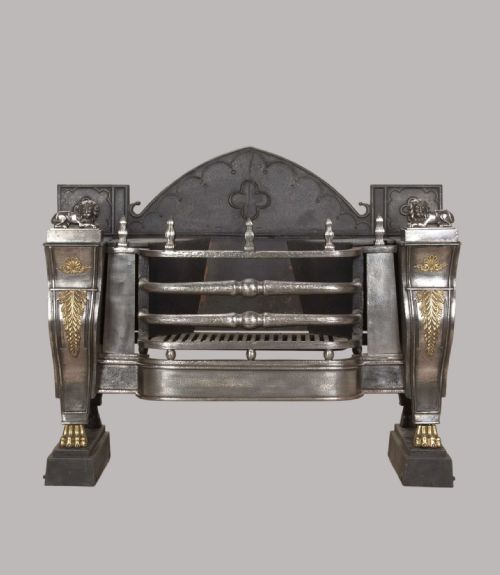
The selections span multiple periods, notably the Victorian era and the early twentieth century, alongside revivals of Regency and Adam styles. Many pieces combine brass with cast iron or wrought iron, creating a striking contrast between dark metal bodies and polished brass mounts.
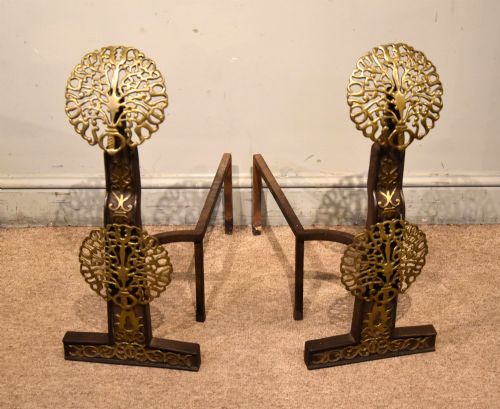
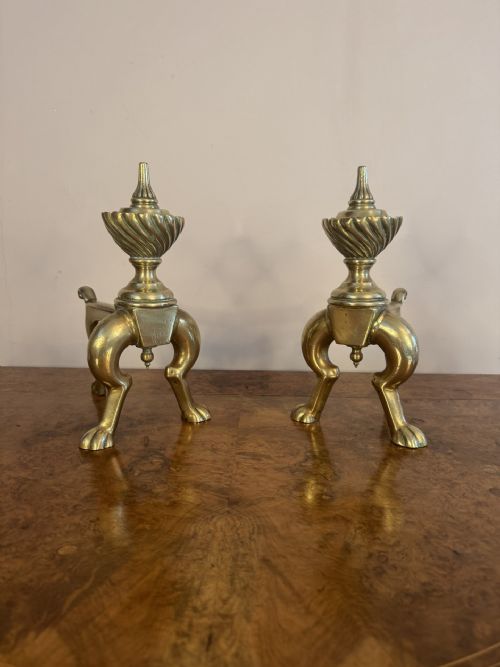
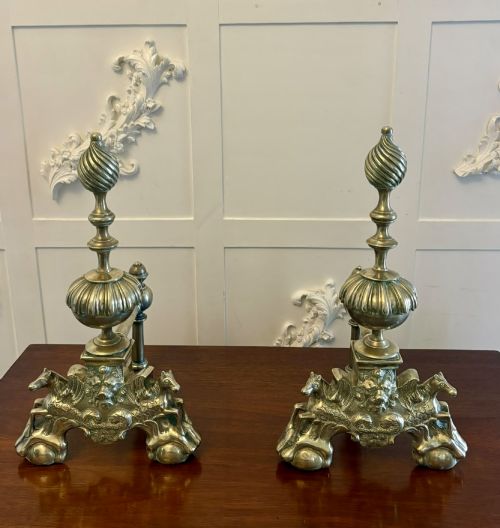
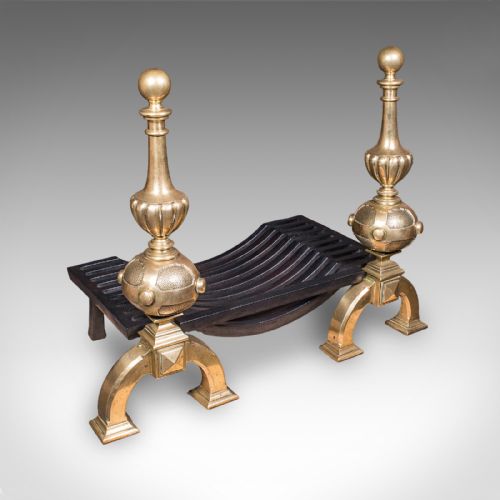
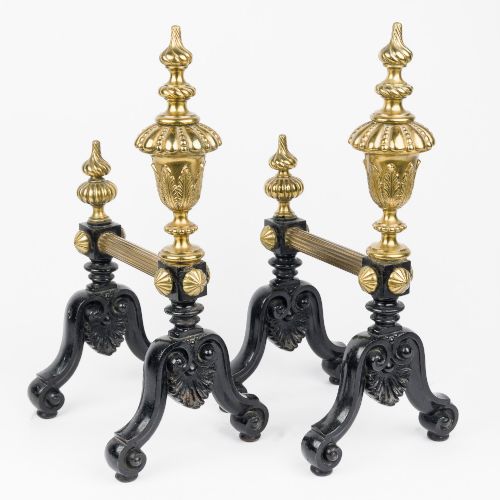
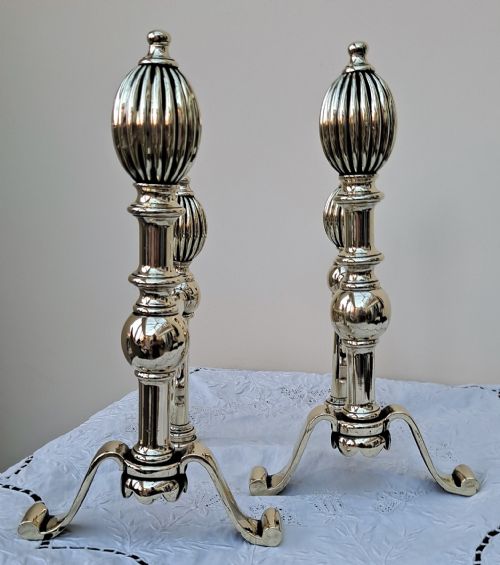
Beyond full-sized hearth fixtures, the selection includes related fireplace accessories such as brass fire dogs, andirons, and fenders. These companion pieces often mirror the neoclassical, Gothic, or French Rococo motifs found on the main grates.
Materials and construction methods
The construction relies heavily on durable metals, primarily casting iron for the fire baskets and structural backs to withstand intense heat. Wrought iron provides additional strength for bars and structural supports.
Brass is utilised for decorative elements, serpentine fronts, and fire dogs, offering a polished finish that reflects the firelight. Some French examples incorporate parcel gilt bronze details alongside cast iron bodies.
Antique Brass Grate Retail Price Guide 2026
Typical asking prices for brass grate among the pieces listed under this phrase on Sellingantiques today, from the lower quarter to the upper quarter. They describe what is for sale here now, not the wider market.
Several miniature salesman samples and architectural models allow you to own a grand Victorian hearth in miniature form.
Judging quality in hearth furniture
Quality rests on the crispness of the casting and the weight of the metal used in the basket and frame. Finer examples display cleanly struck neoclassical or Adam style motifs rather than soft, blurred surface relief.
The integration of brass components demonstrates the maker's skill, with secure joints and substantial brass thickness rather than thin plating. Well-proportioned serpentine fronts and balanced fire dogs indicate superior design execution.
The Antique Brass Grate Glossary
- Hob grate
- A type of fireplace grate featuring flat iron ledges on either side of the fire basket, historically used for boiling kettles. These plates form an integral part of the cast iron structure.
- Andirons
- Supports used to hold logs in an open fireplace, often sold in pairs alongside fire baskets. They frequently feature decorative brass finials and sturdy iron shanks.
- Fire basket
- An open metal container designed to hold coal or wood within a hearth. They are commonly constructed from cast iron with decorative brass mounts.
- Neoclassical
- A design style drawing inspiration from classical antiquity, prominent in Adam and Regency pieces. It relies on symmetrical lines, urn motifs, and restrained ornamentation.
- Chenet
- The French term for an andiron or firedog. These decorative metal supports often incorporate parcel gilt bronze or figural cherub castings.
Antique Brass Grate: Frequently Asked Questions
How do I clean an antique brass grate?
Use a soft cloth to remove soot and dust without abrasive cleaners that might damage the historical metal surface. Gentle polishing preserves the natural patina accumulated over the decades.
Avoid harsh chemical dips on cast iron elements, treating them instead with a light application of protective grate polish or wax where appropriate.
What is the difference between an andiron and a fire basket?
Andirons are paired vertical supports placed on the hearth floor to hold logs, whereas a fire basket is a self-contained iron grate designed to hold coal or wood. Some hearth setups combine both elements together.
Fire baskets often feature integrated backs and decorative brass fronts, while andirons stand independently as modular accessories.
How can I tell a Regency style grate from a Victorian one?
Regency designs lean heavily towards classical restraint, drawing on ancient Greek and Roman motifs with clean lines and balanced proportions. Victorian pieces frequently display bolder, heavier ornamentation, incorporating Gothic revival or ornate Rococo flourishes.
Examining the casting quality and the specific decorative vocabulary helps distinguish between these nineteenth-century periods.