
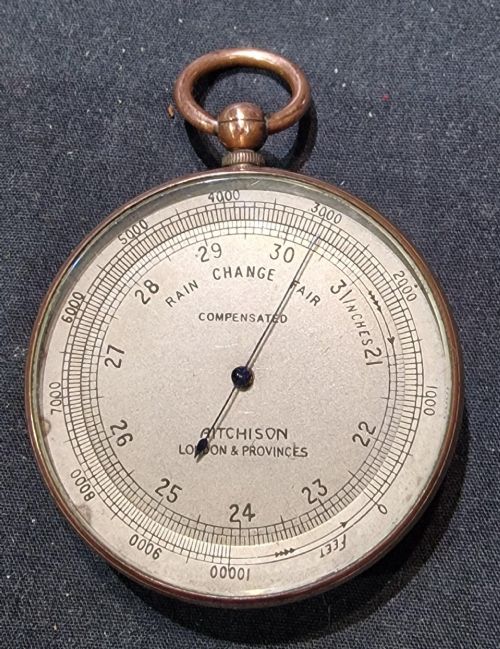


Antique Brass Gauge
An antique brass gauge measures pressures, depths, weights, and winds, bringing utilitarian precision and heavy metal presence into domestic rooms.
Antique Brass Gauge
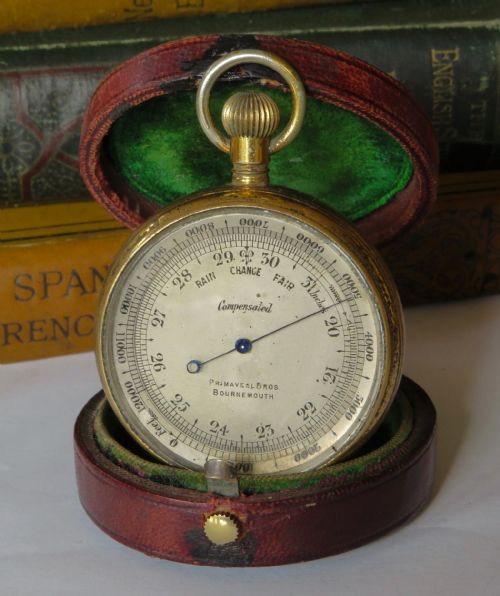
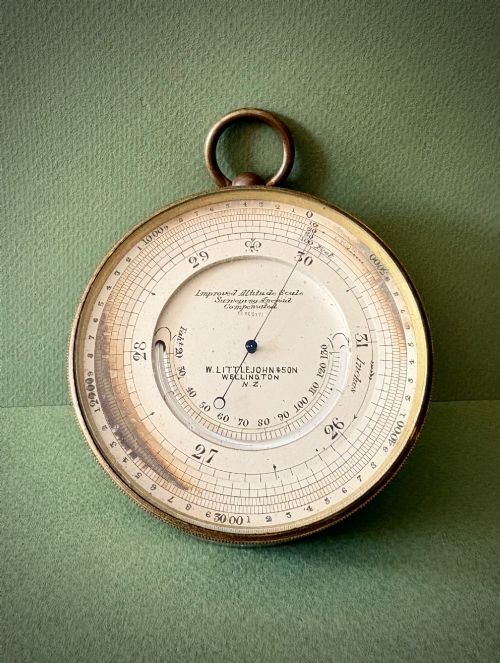
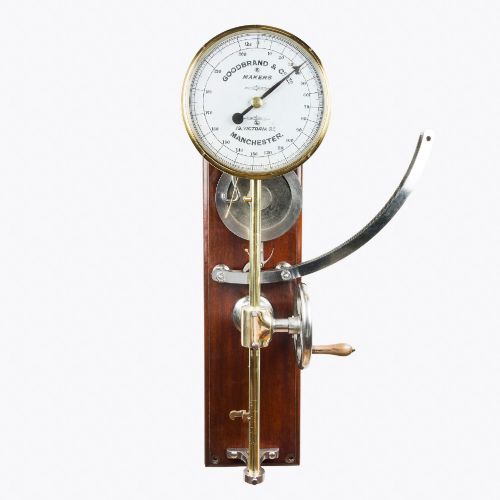
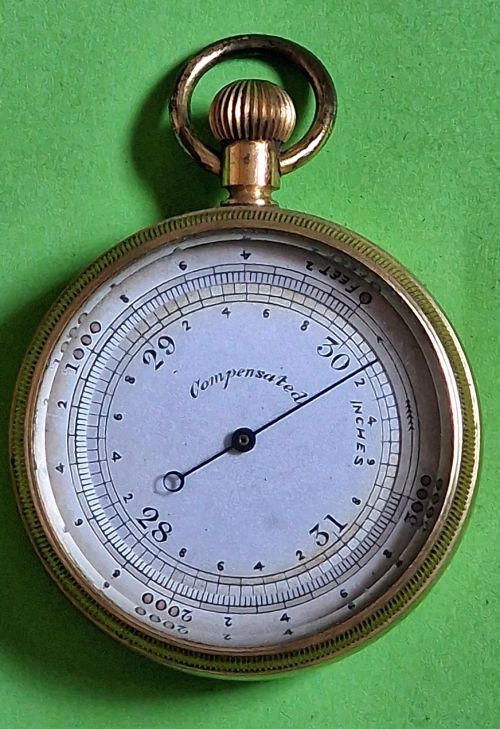
When you search for an antique brass gauge, you encounter scientific instruments, weather-recording devices, and workshop testers originating primarily from the Victorian and Edwardian eras. These objects span pocket-sized barometers and altimeters, yarn and thread testers, anemometers, and postal scales fitted with brass components.
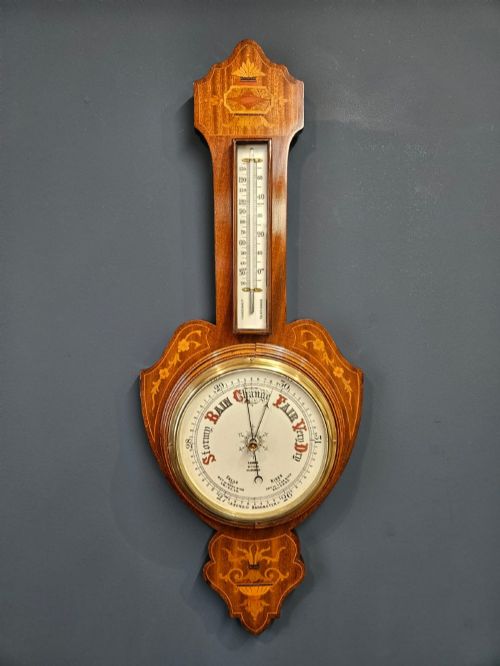
The most common examples on this page are barometers and meteorological instruments, housed in brass cases and mounted on oak, walnut, or mahogany. Workshop tools such as yarn testers and heavy gauge metal items also appear frequently, reflecting an era of industrial and scientific expansion.
Materials and construction
Makers utilised cast and turned brass for bezels, dials, and structural casings, combining the metal with glass viewing lenses and steel internal mechanisms. Timber enclosures in oak, walnut, and mahogany provide substantial backboards and mounting frames for wall-hung and desk-standing instruments.
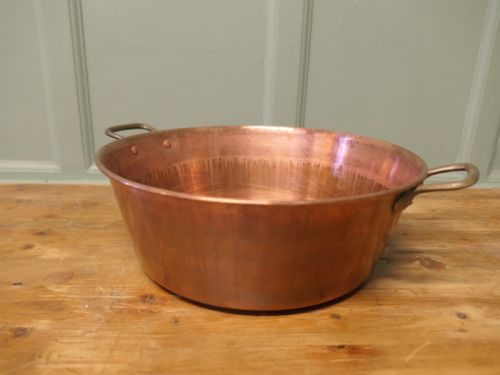
Makers also incorporated copper components into meteorological and utility objects, whilst dials feature engraved or silvered brass plates with black-filled lettering. Finishes range from polished golden brass to darkened industrial patinas developed over decades of use.
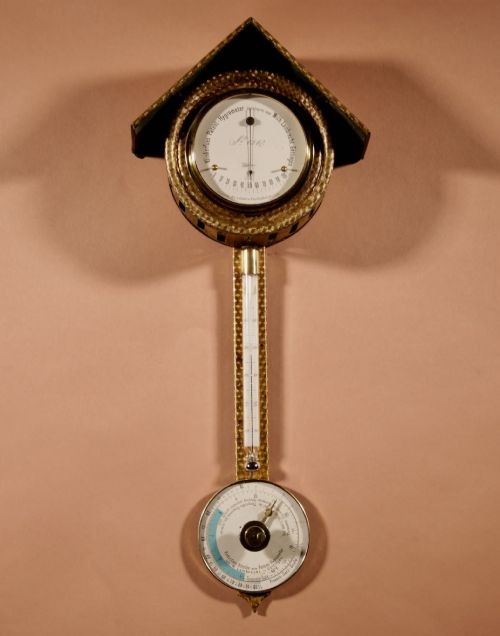
Hair hygrometers rely on human or animal hair to measure humidity, lengthening as moisture increases and pulling a tiny brass pointer across the dial.
Judging the standard of manufacture
Quality rests in the crispness of the engraved markings upon the brass dial and the precision of the mechanical linkages within the instrument. Finer pieces display finely divided scales, bevelled glass crystals, and robust cast brass bezels that fit securely without play.
The integrity of the timber housing, whether inlaid mahogany or carved walnut, separates standard utility pieces from exhibition examples. Well-preserved maker signatures engraved directly onto the brass plates elevate the standing of an instrument considerably.
Primavesi·Wilh. Lambrecht·Poulenc Freres·Elliott Brothers·Short & Mason·Alfred Apps·Patrick Adie·Negretti & Zambra·J Hicks·C F Casella·Alexander Wright
The Antique Brass Gauge Glossary
- Aneroid barometer
- An instrument that measures atmospheric pressure without liquid, using a flexible metal box that expands or contracts.
- Altimeter
- A device used to measure altitude relative to a fixed level, frequently paired with pocket barometers.
- Anemometer
- An apparatus for measuring the speed of the wind, often configured with rotating cups or pressure plates.
- Barograph
- A recording barometer that traces atmospheric pressure onto paper charts housed within a timber and glass case.
- Hygrometer
- An instrument used for measuring the humidity level in the air, utilising hair or chemical elements linked to a dial.
Antique Brass Gauge: Frequently Asked Questions
How do I read an antique barometer?
Read the main needle against the calibrated scale on the brass dial to see current atmospheric pressure. The secondary movable pointer is set manually over the primary needle to track daily changes in the weather.
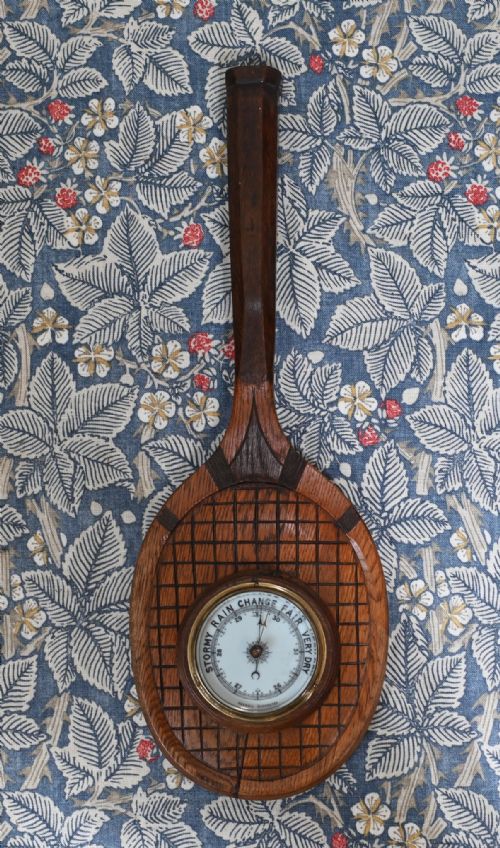
Lower pressures generally indicate incoming rain or storms, whilst rising pressures point towards fair conditions. Many instruments include weather descriptors like storm, rain, change, fair, and very dry inscribed directly onto the dial face.
Were these instruments made for travel?
Many pocket barometers and altimeters were manufactured specifically for travellers, mountaineers, and military observers who required portable pressure data. These items typically include fitted leather or velvet-lined cases for protection in the field.
Larger wall-mounted barometers and station instruments remained stationary in offices, ships, and homes. The presence of mounting brackets or hanging loops usually indicates whether a piece was designed for a fixed wall position or pocket portability.
How should I clean antique brass?
Dust brass surfaces gently with a soft, dry cloth to prevent the accumulation of grit and grime. Avoid commercial metal polishes, as abrasive compounds strip away historic patinas and wear down engraved dial markings.
If the glass or timber casing requires attention, use dedicated cleaners suitable for wood or glass while keeping moisture away from unsealed paper dials and internal metal works.
How do I date a scientific instrument?
Examine the style of the lettering, the typography on the dial, and the materials used for the case and backboard. Victorian pieces often feature heavy brass bezels and ornate woodwork, while Edwardian versions display cleaner, simpler lines.
Look for engraved signatures or patent details, as many makers stamped their business names and addresses directly onto the brass faceplate or movement. Cross-referencing these names with known operational dates provides a reliable production window.