
Antique Brass Fire Accessories
Antique brass fire accessories bring warmth and character to a hearth through polished metal and functional design.
Antique Brass Fire Accessories
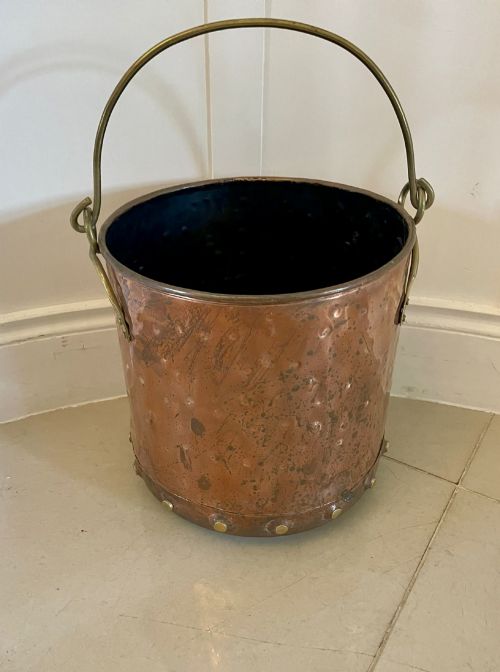
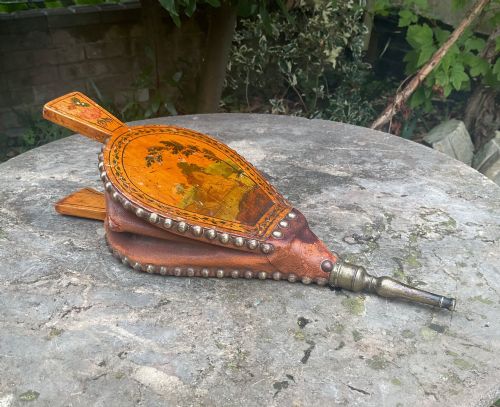
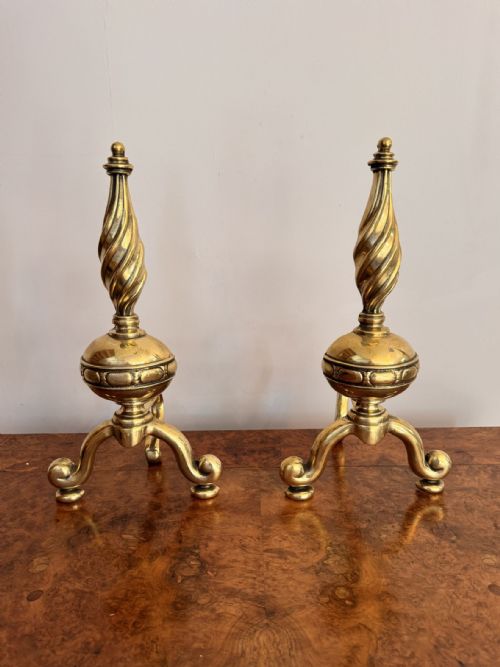
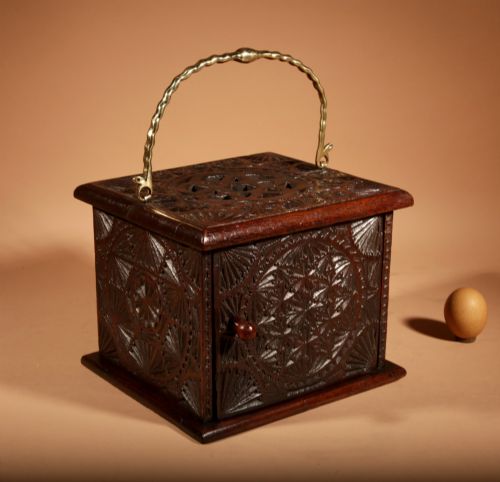
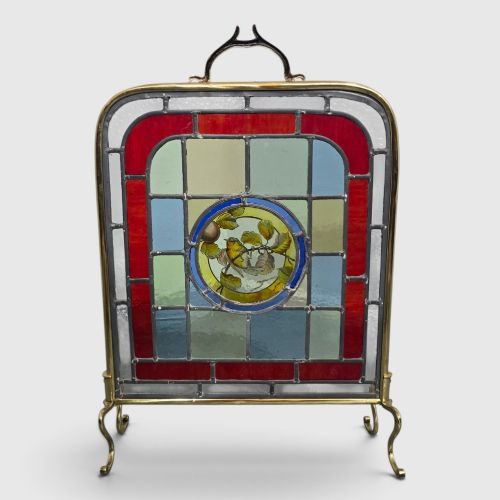
Antique brass fire accessories encompass functional hearth equipment designed for domestic heating and coal or wood management. When searching for antique brass fire accessories, buyers encounter items ranging from utilitarian companion sets to decorative fenders and fire screens.
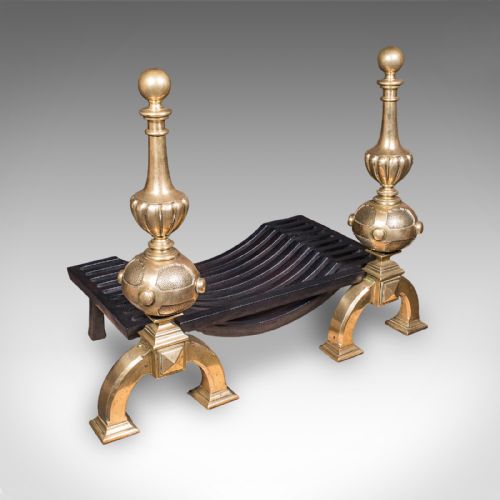
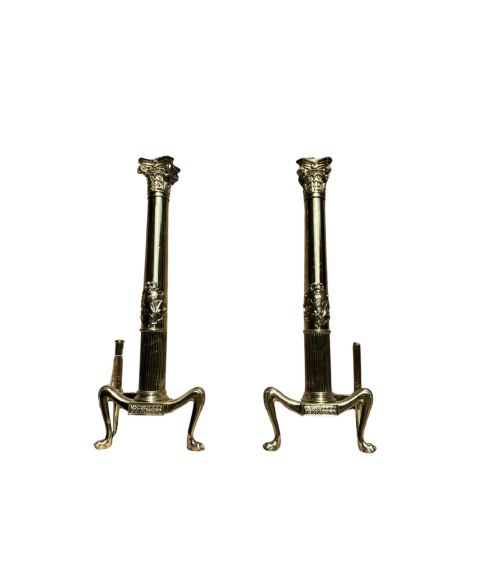
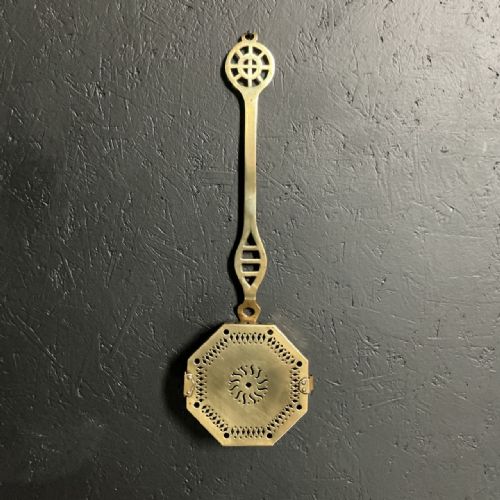
The pieces appearing most frequently originate from the Victorian period, alongside examples spanning the Regency and Edwardian eras. These include cast andirons, pierced fenders, and multi-piece fire irons fashioned from brass, steel, and iron.
How they were made
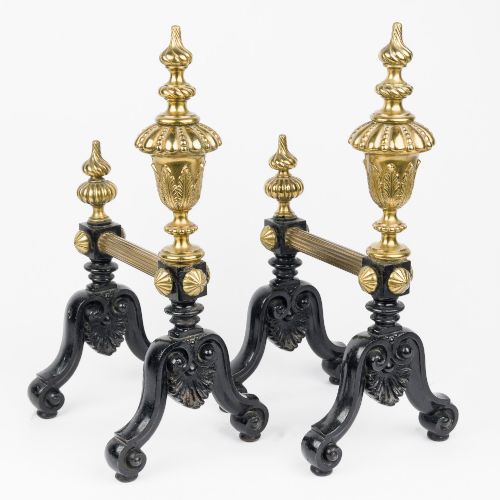
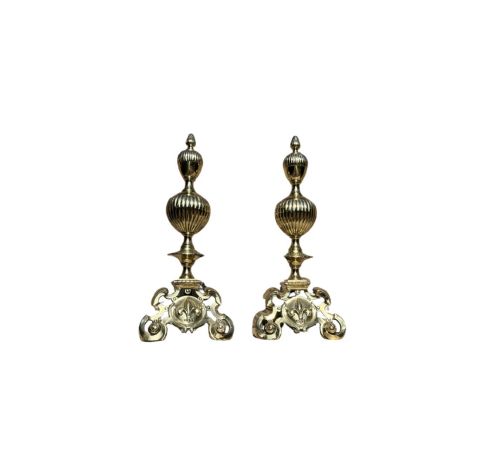
Makers utilised casting techniques for heavy elements like fire dogs and andirons, often employing cast brass, bronze, or cast iron to ensure structural stability near the hearth. Finer decorative details emerged through piercing, chasing, and finishing in polished brass or gilt bronze.
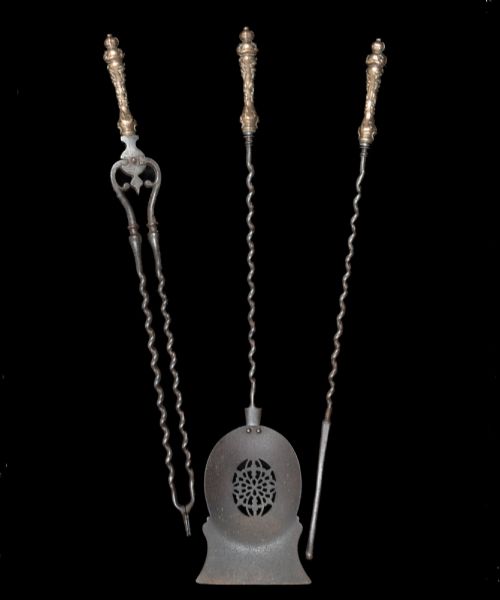
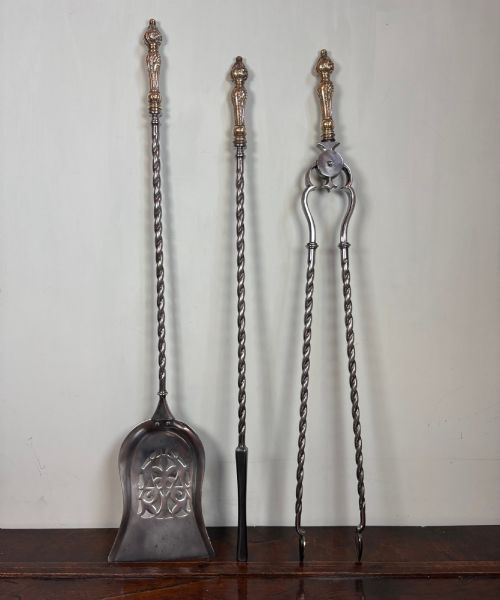
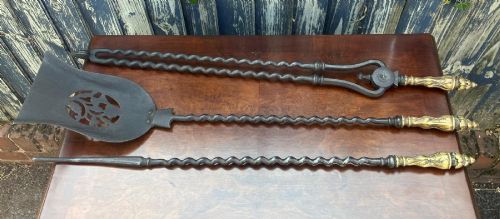
Combinations of brass and steel appear regularly in fire irons and companion sets, where steel provided durable shafts for poker and tongs while brass formed decorative handles and mounts.
Materials recorded across the inventory include brass, cast iron, steel, bronze, ormolu, and painted metal.
What varies in quality
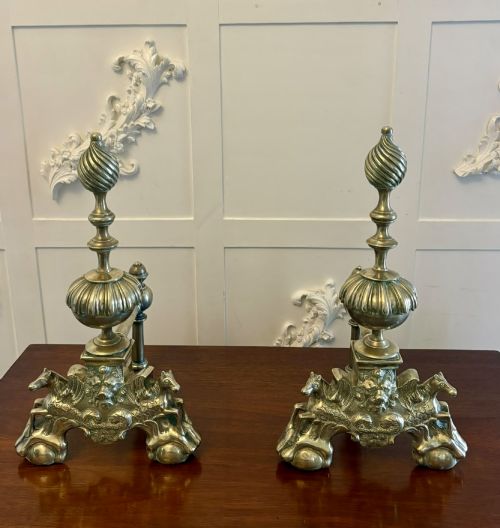
The distinction between standard items and superior examples lies in the crispness of the casting and the depth of surface ornamentation. Heavy, substantial gauge metalwork with finely chased floral, figurative, or rococo motifs denotes higher workshop standards.
Proportion and architectural harmony also separate ordinary companion sets and fenders from exceptional pairs of andirons or screens, where balanced composition and solid construction dictate the piece's standing.
Thomas Jeckyll·William Tonks
The Antique Brass Fire Accessories Glossary
- Andirons
- Supports used to raise logs off the hearth floor to improve airflow, typically sold as pairs and often matched with fire dogs. They frequently feature decorative cast brass or bronze terminals.
- Fender
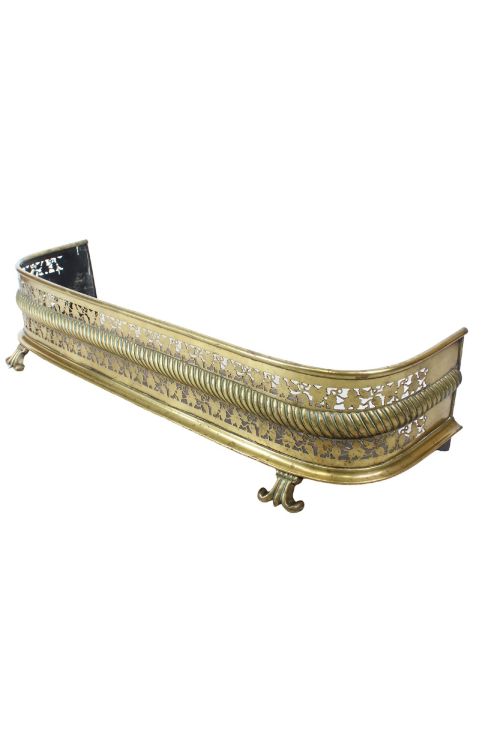
- A low metal guard placed around the hearth perimeter to contain stray embers and ash. Victorian examples often show intricate pierced brass work.
- Companion set
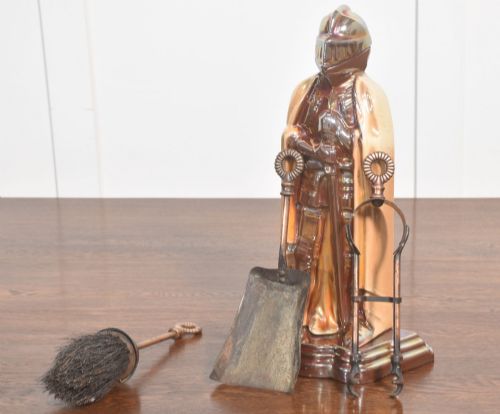
- A matched collection of fireside tools, usually comprising a poker, tongs, shovel, and brush, housed on a shared stand or rest.
- Chenets
- An alternative term for fire dogs or andirons, frequently used to describe French decorative hearth supports from the Regency and nineteenth century.
- Ormolu
- Finely ground high-carat gold cast and amalgamated onto a bronze or brass object, creating a rich golden surface finish seen on finer Regency and French pieces.
Antique Brass Fire Accessories: Frequently Asked Questions
What is the difference between andirons and fire dogs?
Andirons and fire dogs serve the same fundamental purpose of supporting logs within an open hearth, and the terms are frequently used interchangeably.
In practice, regional vocabulary and the specific decorative elaboration of the front standard often dictated the preferred label rather than any functional distinction.
How do I choose the right size fender?
Selecting a fender requires measuring the width and depth of the fireplace opening and hearth stone to ensure proportional clearance.
A well-fitted fender frames the hearth neatly without crowding the floor space or obstructing the movement of fire tools.
Are steel and brass fire irons original to each other?
Many nineteenth-century hearth sets combine steel shafts with brass handles, a pairing selected for both structural durability and aesthetic contrast.
Matching sets often bear uniform design motifs across the companion pieces, indicating they were produced as a cohesive group.
How should I clean polished brass hearth accessories?
Polished brass requires gentle wiping with a soft cloth to remove dust and soot accumulation from regular fireside use.
Aggressive chemical polishing should be avoided to preserve the subtle patination accumulated over decades of age.