
Antique Brass Dog
These pieces range from heavy hearth furniture to small desktop accessories, bringing character to domestic spaces through enduring metalwork.
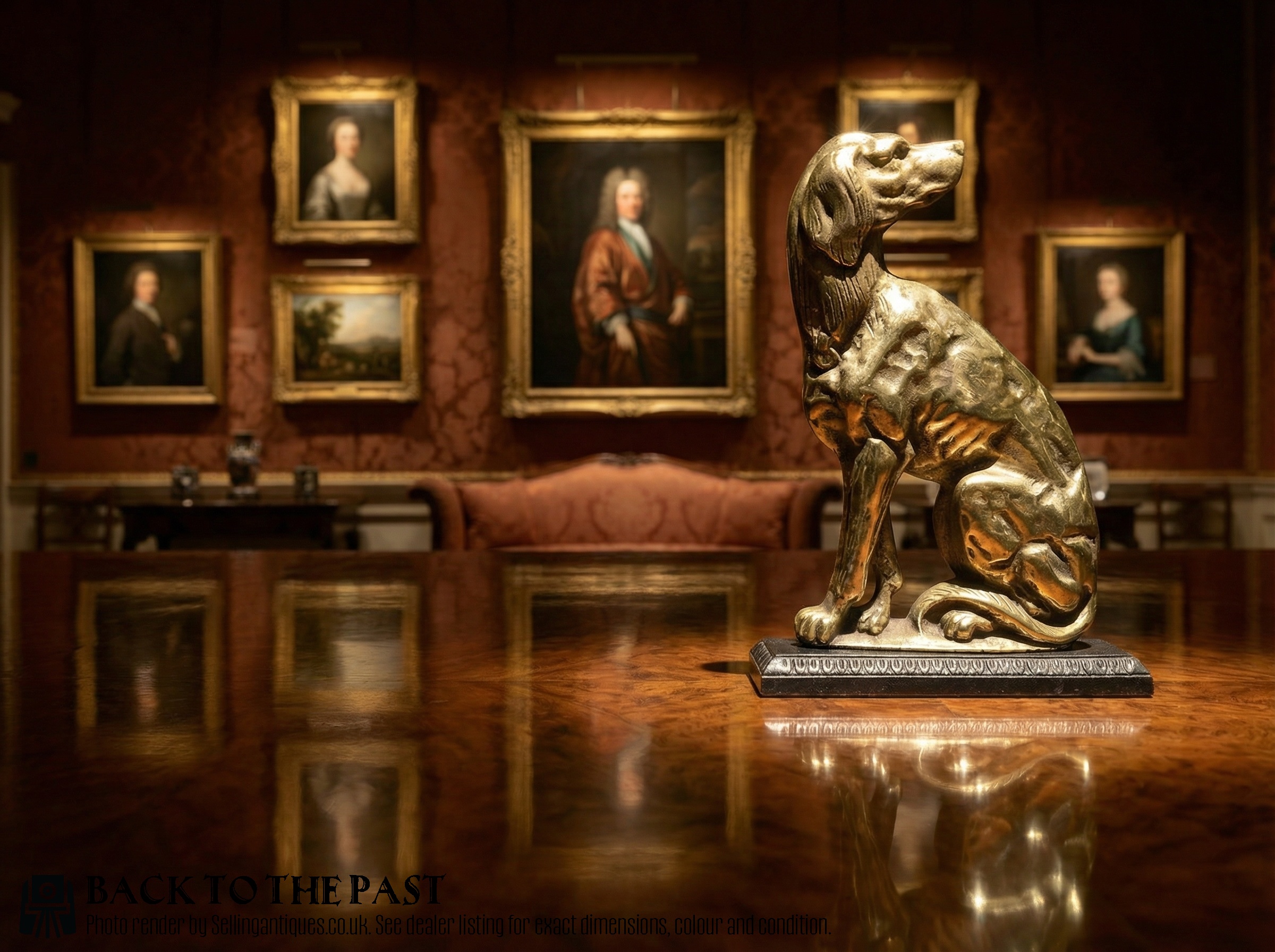
Antique Brass Dog
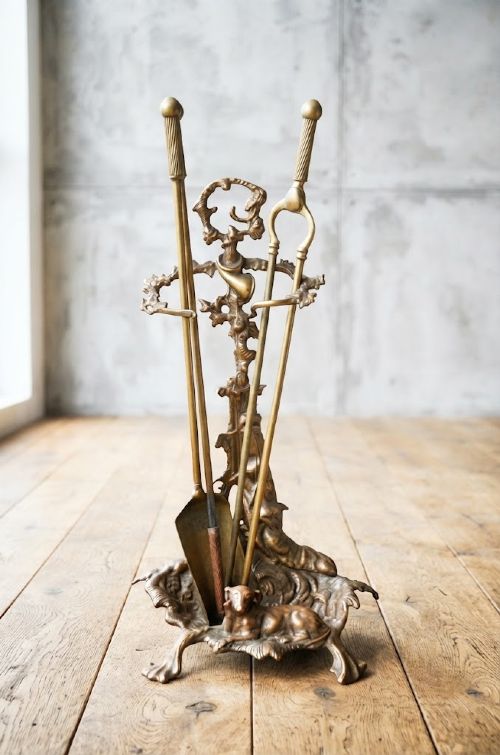
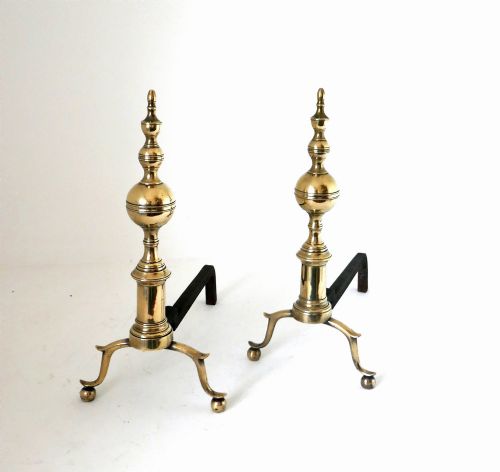
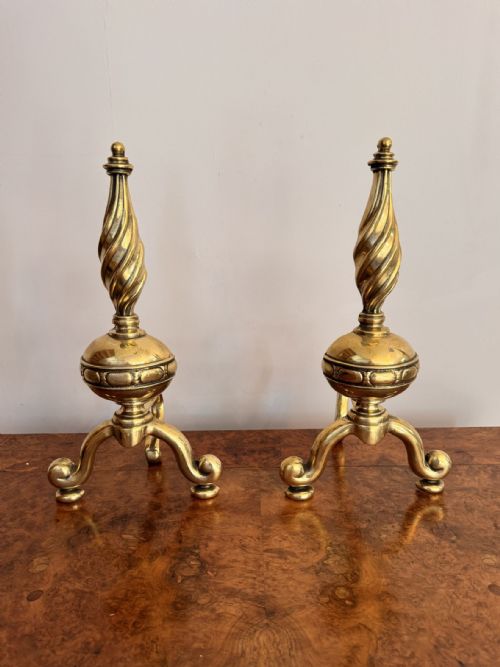
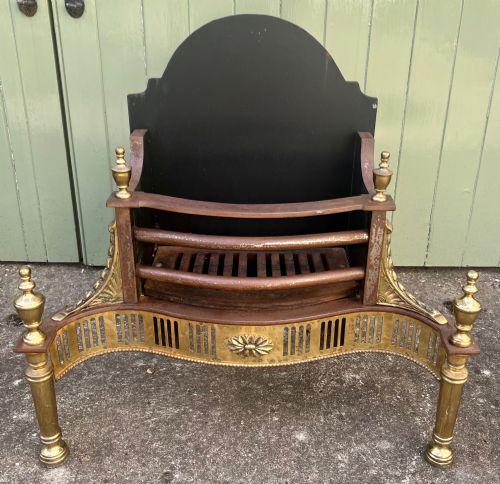
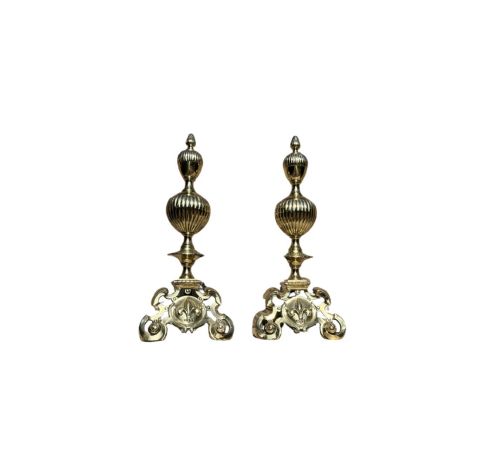
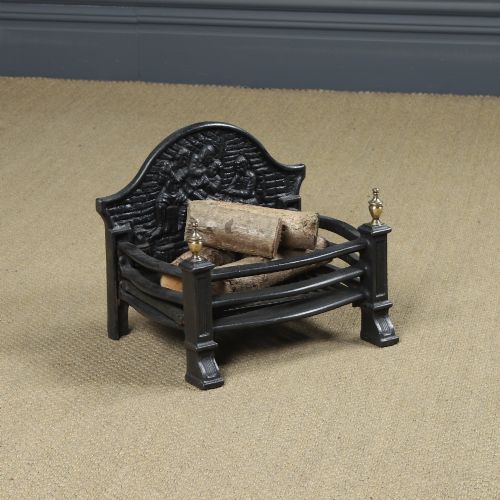
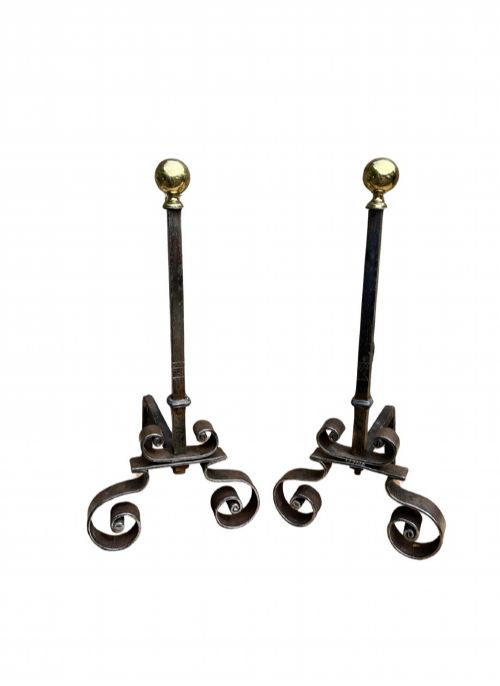
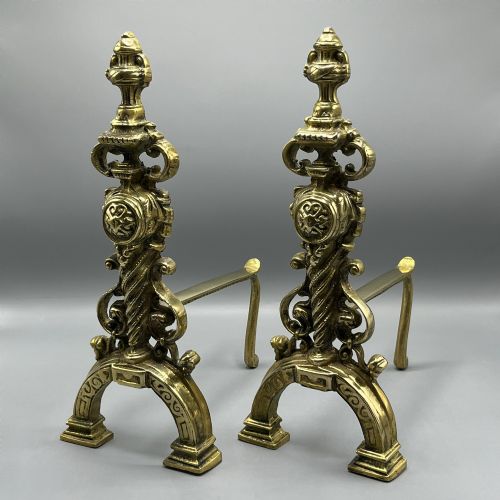
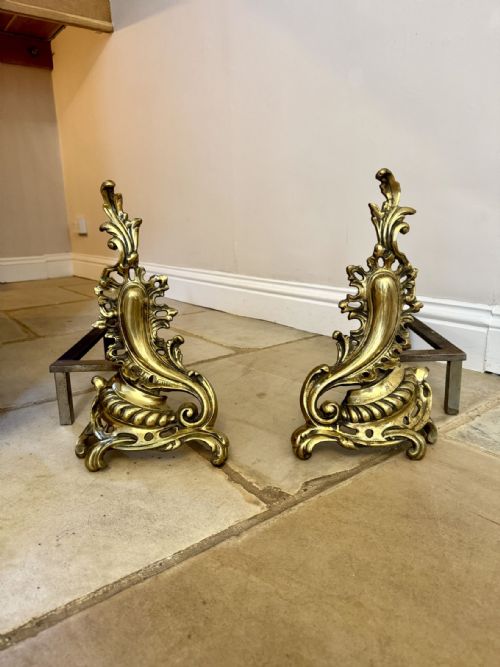
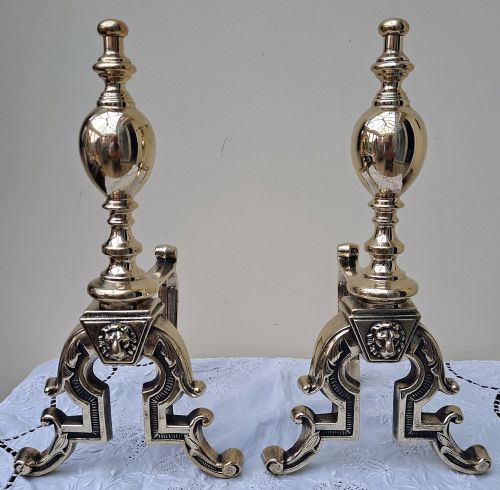
When browsing an antique brass dog collection, hearth furniture forms dominate the inventory with pairs of heavy andirons and fire dogs designed to support logs within an open fireplace. These items frequently date from the Victorian and Edwardian periods, often accompanied by matching fire irons or companion stands.
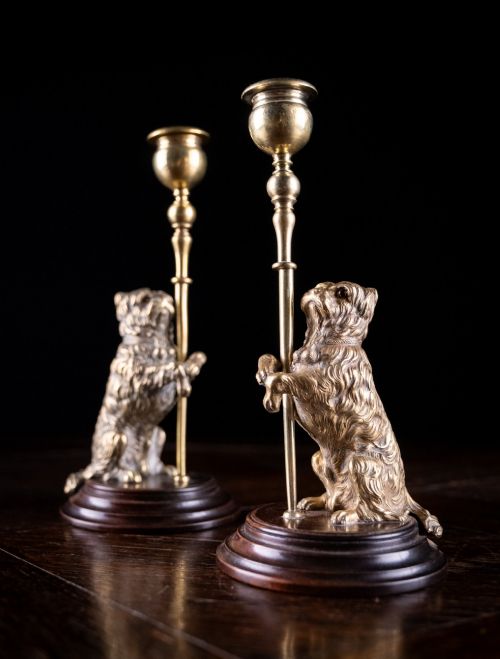
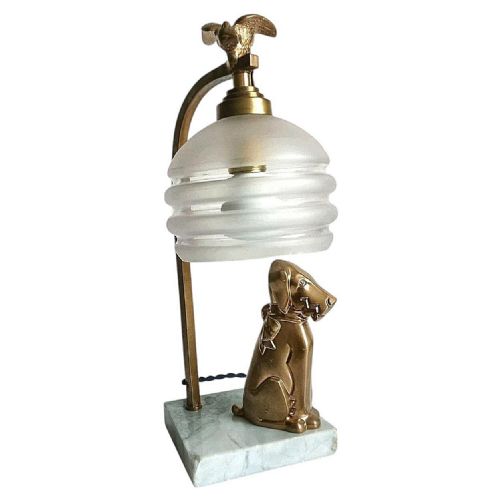
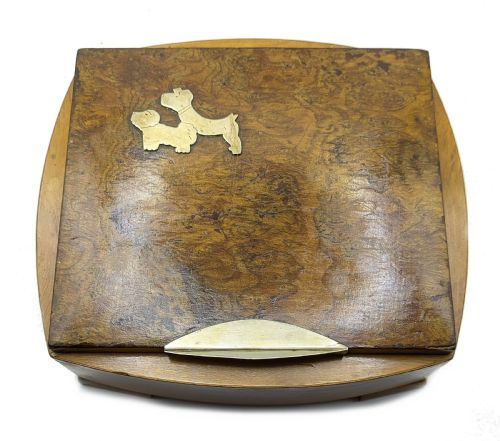
Beyond the fireplace, smaller decorative objects appear regularly, including figural inkwells, letter clips, doorstops, nutcrackers, and bookends depicting various breeds such as greyhounds, spaniels, and pugs. Table lamps and candlesticks also feature canine motifs, reflecting domestic tastes across the nineteenth and early twentieth centuries.
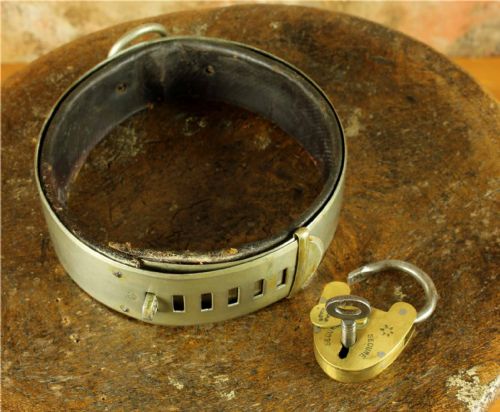
Accessory pieces such as nineteenth-century leather dog collars fitted with brass nameplates, padlocks, and studs represent a distinct branch of these listings. These practical items bridge the gap between utilitarian canine equipment and decorative domestic collecting.
Materials and construction
The majority of these items rely on cast brass, sometimes combined with iron for structural strength in fire grates and heavier andirons. Ormolu, gilt bronze, and silver plate appear on decorative French pieces and smaller desk accessories, adding varied metallic tones to the yellow brass surfaces.
Listings span periods from the eighteenth century through the Art Deco era, encompassing English, French, and American craftsmanship in brass, iron, and leather.
Assessing craftsmanship
Depth and crispness of casting separate ordinary production from superior work, particularly visible in the rendering of animal fur, facial expressions, and decorative scrolls on rococo fire dogs. Heavier gauge metal and substantial weight indicate higher grade domestic hardware and hearth equipment.
Original matching sets with intact fire irons or paired bookends command greater interest than assembled groups. Preservation of original surface patination, glass eyes on figural inkwells, and functioning padlocks on collars contribute to desirability.
William Tonks
The Antique Brass Dog Glossary
- Andiron
- A horizontal metal support raised on legs, used in pairs inside an open fireplace to hold logs above the hearth floor. These often feature decorative cast brass fronts shaped as animals or heraldic motifs.
- Chenet
- The French term for an andiron, frequently encountered on decorative nineteenth-century imports featuring rococo styling or ormolu mounts.
- Fire dog
- An alternative term for an andiron, functioning as the primary support for firewood in traditional hearth setups.
- Vesta
- A small pocket box or desk container designed to hold matches, often cast in brass as a novelty dog figure during the Victorian era.
- Padlock
- A detachable lock used historically on leather dog collars, frequently retained on antique examples alongside brass nameplates and studs.
Antique Brass Dog: Frequently Asked Questions
What are antique fire dogs used for?
Fire dogs sit inside an open hearth to elevate logs above the ash, improving airflow beneath the fire.
They serve both a practical load-bearing function and an ornamental role framing the fireplace opening.
How do I identify Victorian brass items?
Victorian pieces typically display heavier cast brass construction with traditional styling influenced by Gothic, Rococo, or Aesthetic Movement revivals.
Maker marks, registration numbers, or associated brass fire irons often confirm the period context.
Were brass dog collars actually worn?
Nineteenth-century leather and brass collars were genuine working items fitted with identification plates, bells, and padlocks for valuable sporting dogs.
Today they are collected as display pieces illustrating historical canine husbandry and metalcraft.
How should I clean antique brass?
Dusting with a soft cloth preserves the natural aged patination that collectors prefer on older metalwork.
Avoid harsh chemical polishes that strip historical character and darken recessed crevices permanently.