
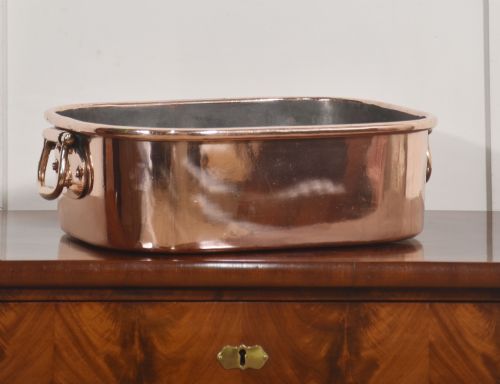
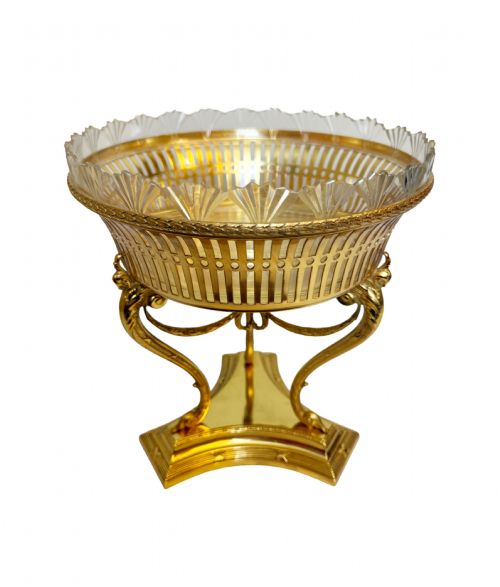
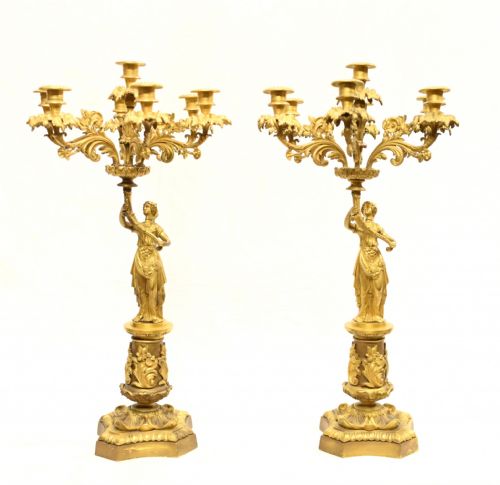


Antique Brass Centrepiece
An antique brass centrepiece anchors a dining table or sideboard, combining metals, glass and porcelain to hold fruit or display flowers.
Antique Brass Centrepiece
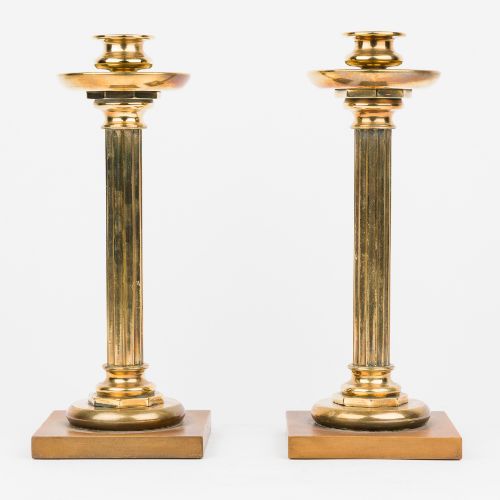
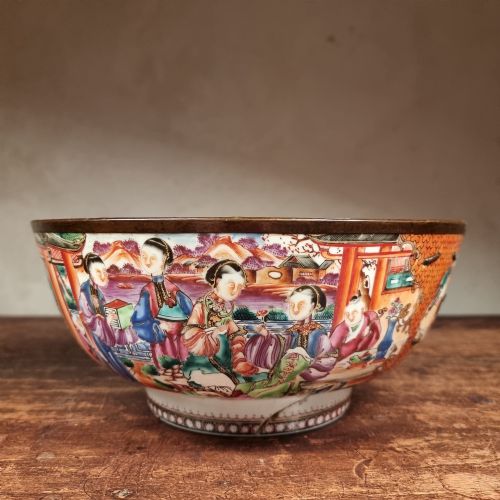
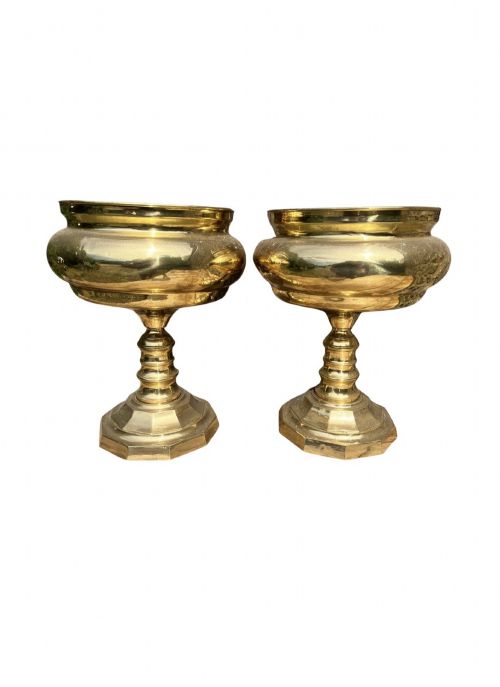
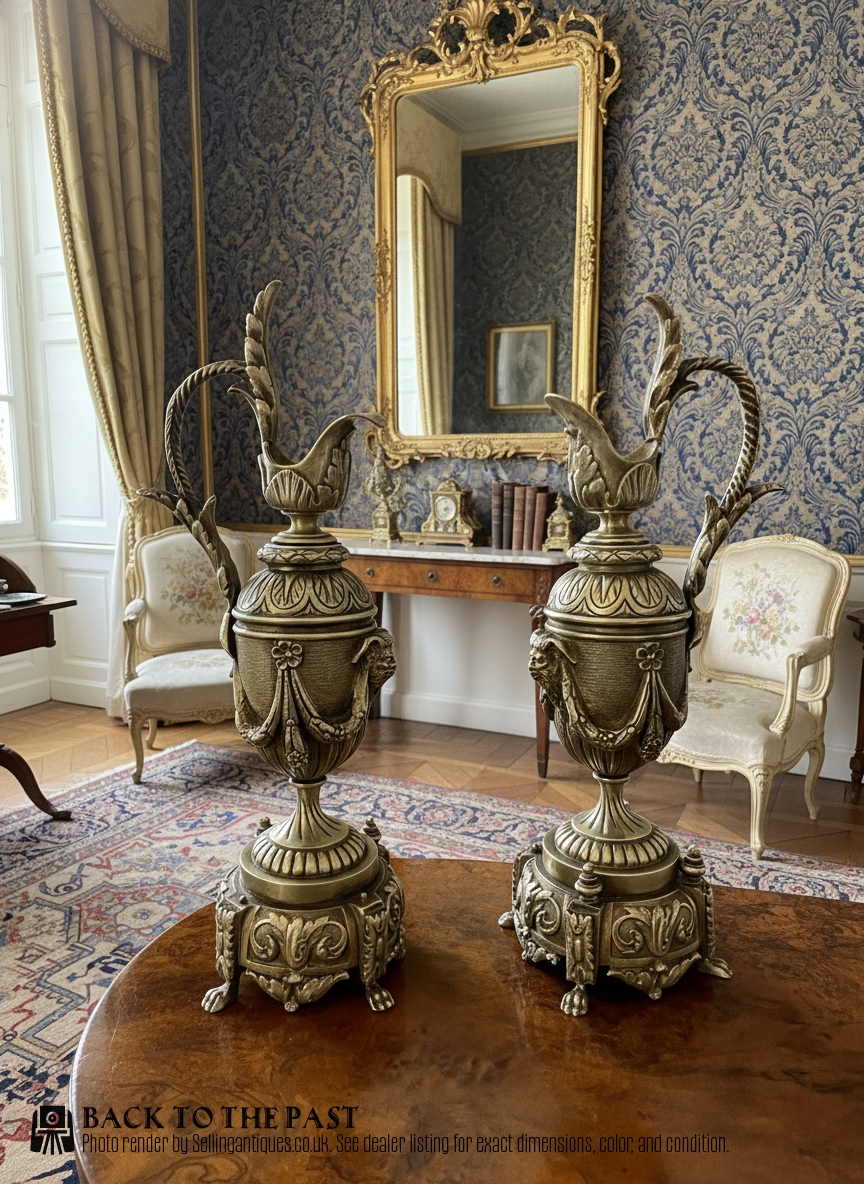
When you search for an antique brass centrepiece, you encounter an array of decorative objects including bowls, tazzas, pedestal vessels and matched candelabra sets. The versions most commonly met on this page date from the nineteenth century, reflecting Victorian tastes alongside French Empire, Regency and Meiji period influences.
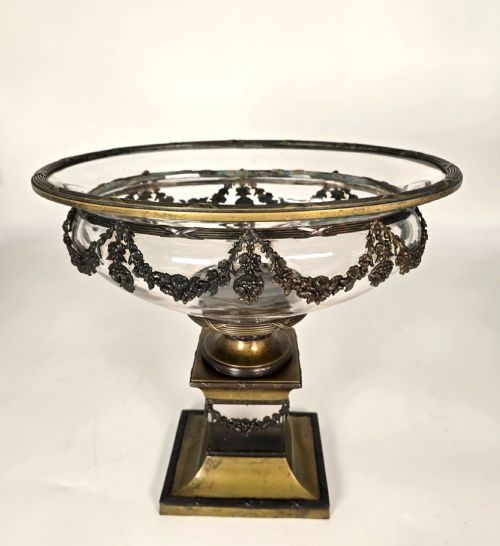
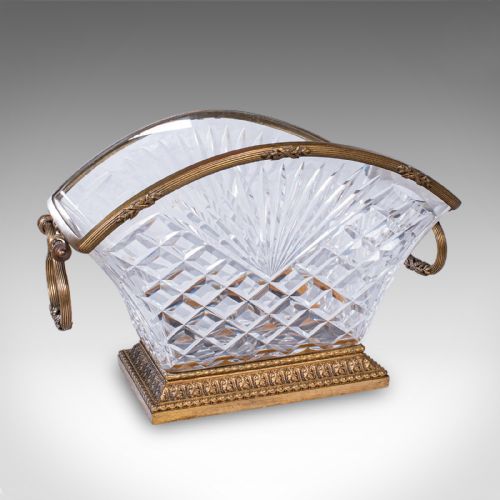
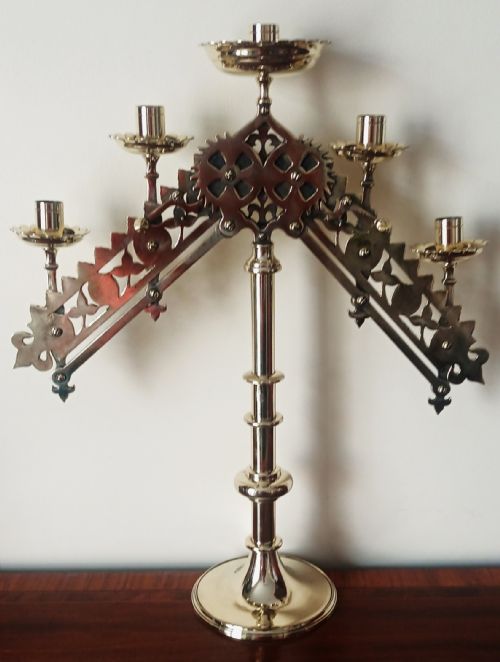
Makers utilised various secondary elements alongside brass, mounting glass inserts, porcelain figures and cloisonne enamel within ormolu and bronze frames. Forms range from simple decorative bowls and serving dishes to elaborate church vases, trophy vases and multi-light candelabra designed for formal dining tables.
Materials and construction methods
Pieces combine cast or beaten brass, copper, bronze and ormolu, often paired with cut crystal glass, porcelain elements and agate cabochons. Metal components are cast, chased or turned, frequently incorporating applied decorative details such as lion mask handles or intricate surface engraving like Cairoware.
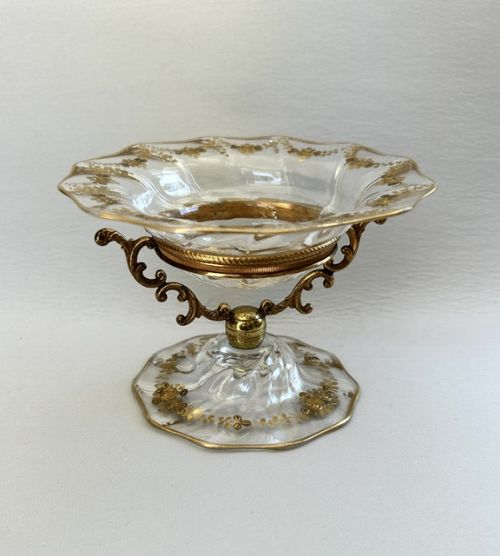
Glass and ceramic inserts are fitted directly into metal mounts or held by articulated and adjustable arms. Enamel work on Japanese bowls involves detailed cloisonne techniques applied to metal bodies during the nineteenth century.
Listings feature items from the eighteenth, nineteenth, and early twentieth centuries, incorporating brass, gilt bronze, copper, porcelain, and crystal.
Assessing quality in metalwork and mounts
Quality rests in the crispness of the casting and the weight of the metal, seen plainly in heavy bronze and thick-gauge brass vessels. Finer examples display meticulous hand-chasing on ormolu mounts and precise integration of glass or porcelain inserts.
Design ambition separates standard production items from superior works, such as those featuring articulated arms, mixed metal inlay, or hand-painted enamel decoration. The integration of high-grade materials like crystal glass and hardstone cabochons elevates a piece above simpler utilitarian forms.
The Antique Brass Centrepiece Glossary
- Ormolu
- Gilded bronze used extensively for decorative mounts on nineteenth-century vessels and candelabra. It provides a bright golden surface finish.
- Tazza
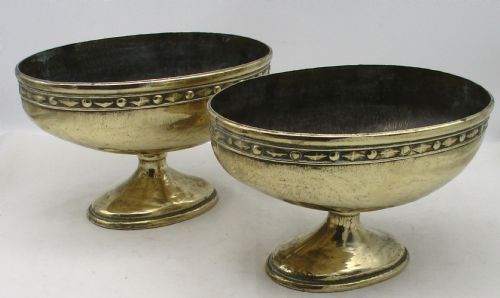
- A small pedestal bowl or dish raised on a stem, used historically for serving food or as a decorative centrepiece. These often appear in pairs.
- Cairoware
- Metalware decorated with inlaid silver and copper patterns, originating from Egypt and collected enthusiastically during the Victorian era. It frequently takes the form of circular bowls.
- Cloisonne enamel
- A technique where enamel paste is applied within compartments created by soldered wire on a metal base. Japanese examples from the Meiji period often feature bird motifs.
- Monteith
- A type of scalloped bowl with a notched rim used historically for chilling wine glasses. Eighteenth-century versions in brass are exceptionally robust.
Antique Brass Centrepiece: Frequently Asked Questions
What is an antique brass centrepiece?
An antique brass centrepiece is a decorative table vessel, bowl, or plateau dating from past centuries, often incorporating materials like glass, porcelain, or bronze.
These items served as ornamental focal points for dining tables and sideboards, frequently accompanied by matching candelabra or serving dishes.
How were these centrepieces used?
They were placed in the middle of dining tables to hold fruit, flowers, or sweetmeats during formal meals. Many functioned alongside matched sets of candlesticks or garnitures to create a unified tablescape.
Some elaborate designs included glass inserts for water or cut crystal bowls for floating floral arrangements.
How do I date a brass centrepiece?
Dating relies on stylistic clues, manufacturing techniques, and materials associated with specific periods like the Victorian era, French Empire, or Regency period. Heavy cast bronze, specific neoclassical motifs, and hallmarks offer clear indications of age.
Comparing construction methods, such as hand-chasing versus machine stamping, helps narrow down the production decade.
How do I care for antique brass?
Care involves dusting gently with a soft cloth and avoiding harsh chemical polishes that strip historical patina. Protecting the metal from excessive moisture preserves both the brass surface and any integrated glass or porcelain components.
For pieces with ormolu or gilt finishes, gentle cleaning prevents damage to the delicate outer layer.