
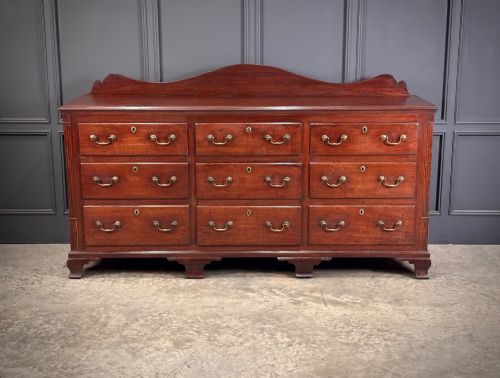
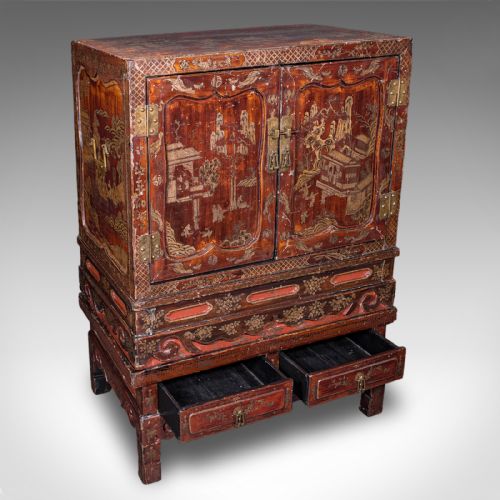
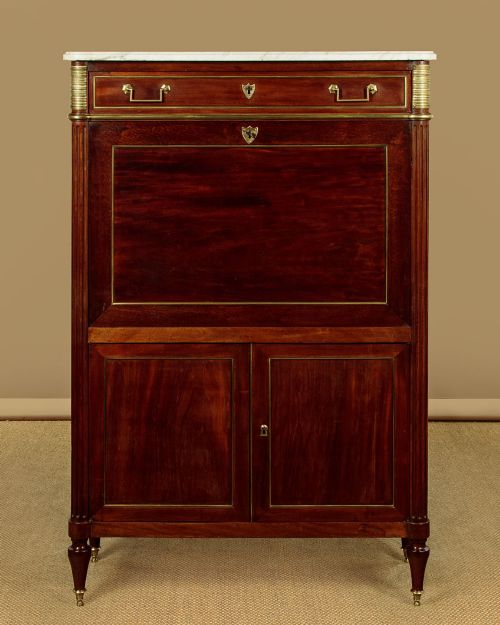
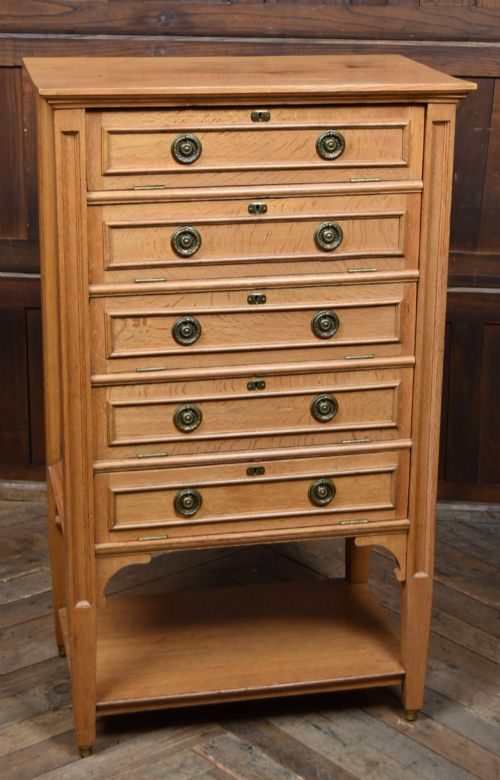
Antique Brass Cabinet
When you explore an antique brass cabinet, you discover timber carcases integrated with functional metal mounts, locks, grilles and hinges that define period utility.
Antique Brass Cabinet
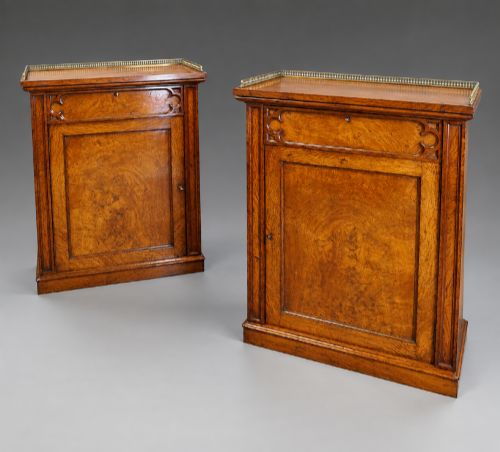
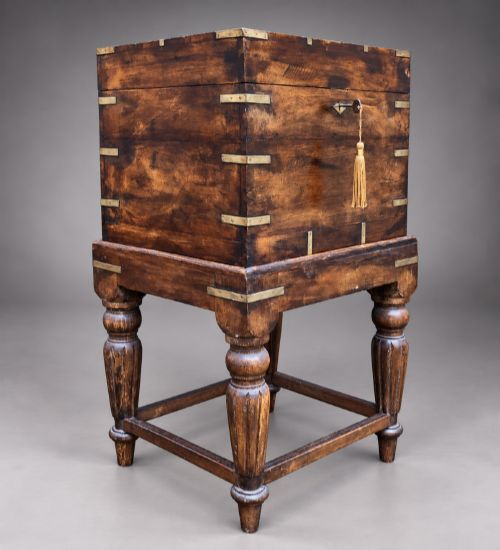
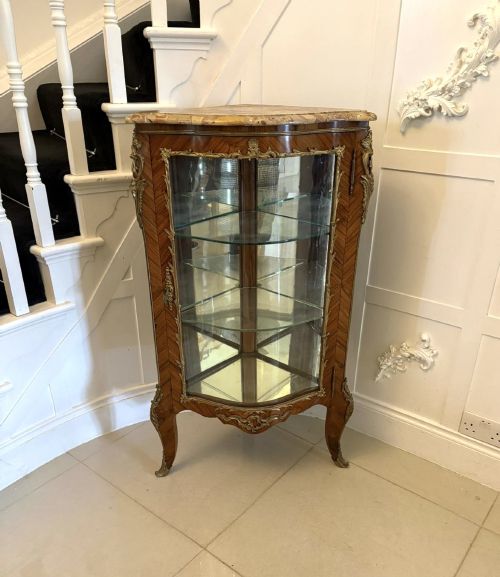
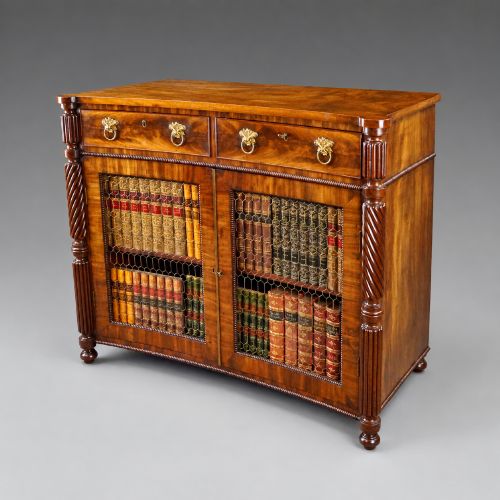
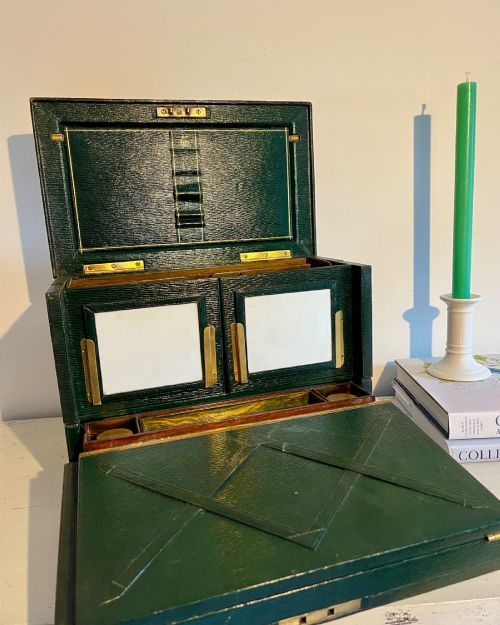
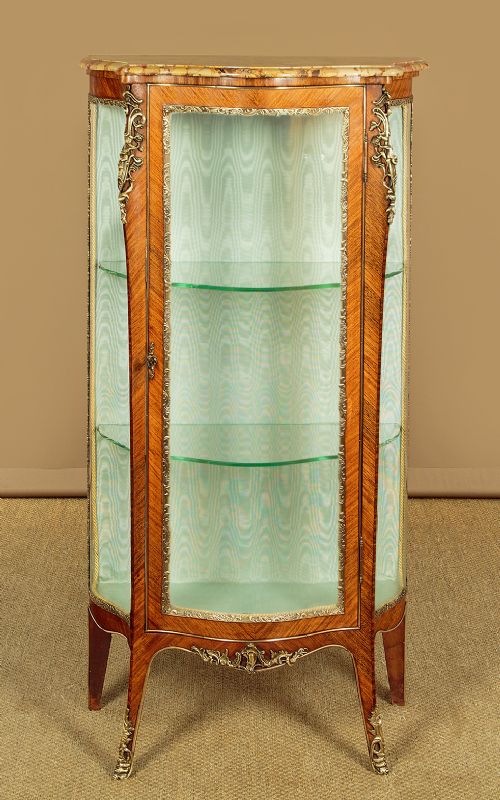
An antique brass cabinet encompasses a wide variety of storage forms including small tabletop stationery boxes, tabletop cigar humidors, wall-hanging glazed display cupboards, larger chiffoniers, side cabinets and pier units.
The material record spans centuries, capturing Georgian, Regency, Victorian and Edwardian iterations alongside French Louis XV style, Napoleon III and Japanese or Korean export works.
Primary timber bodies predominantly feature mahogany, walnut, rosewood and oak, augmented with contrasting veneers like burr walnut, kingwood and satinwood.
Materials and construction methods
Cabinet makers utilised dense native and exotic hardwoods such as mahogany and rosewood for the structural carcase, often applying decorative veneers or marquetry across the exterior surfaces.
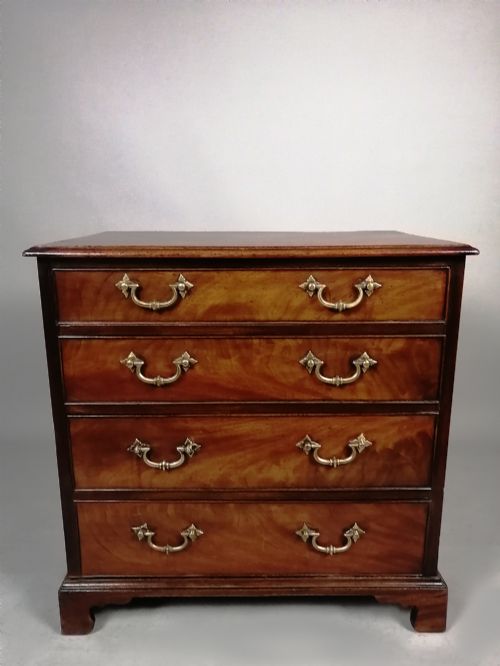
Brass formed an integral component through inlaid stringing, cast mounts, gallery rails, escutcheons, handles and protective corner brackets.
Secondary elements incorporated glass for display doors, marble tops on French commodes and chiffoniers, and specialised internal compartments for stationery, decanters or collector specimens.
Listings feature 19th Century, Edwardian, Georgian, Victorian, 1930 and 1920 periods.
Distinctions in manufacture
Superior examples demonstrate meticulous precision in the execution of brass inlay, ensuring flush alignment with the surrounding wood grain rather than superficial surface application.
The choice of primary timber and figuring, such as highly flamed mahogany or rich burr walnut, elevates the visual depth of the piece.
Makers known for exceptional joinery, including documented firms like Gillows and Shoolbred, applied rigorous standards to internal drawer construction and locking mechanisms.
Gillows·Hewetsons London·Shoolbred & Co·Siegel Paris
The Antique Brass Cabinet Glossary
- Chiffonier
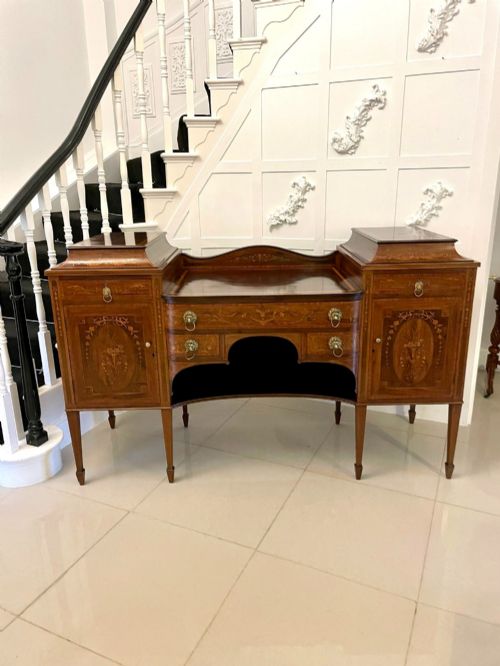
- A low cabinet featuring shelving or a raised gallery, popular during the Regency and Victorian eras for storing books or displaying ornaments.
- Ormolu
- Gilt bronze or brass mounts cast and chased to provide decorative embellishment along corners, feet and friezes.
- Marquetry
- The art of applying decorative veneer pieces in geometric or floral patterns to form intricate surface designs.
- Pier Cabinet
- A narrow display cabinet designed specifically to fit the wall space between windows.
- Davenport
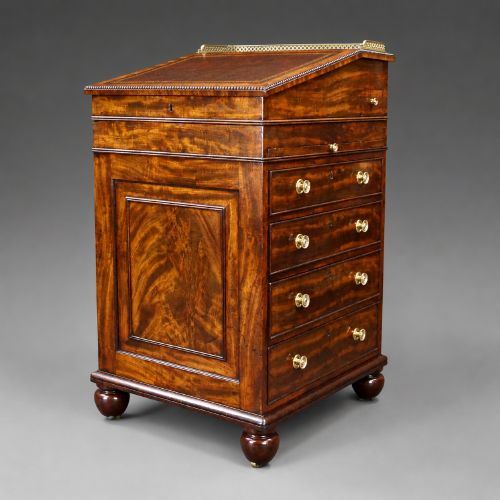
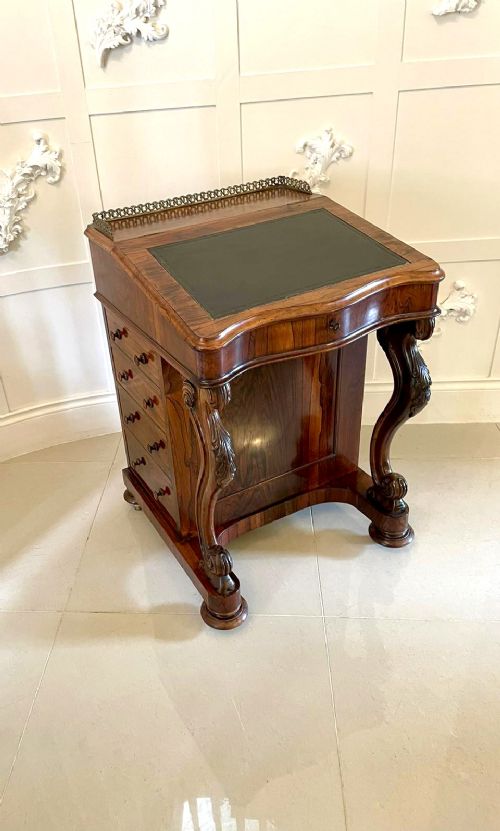
- A compact writing desk featuring a sloped writing surface above a bank of side drawers.
Antique Brass Cabinet: Frequently Asked Questions
What is a brass inlaid chiffonier?
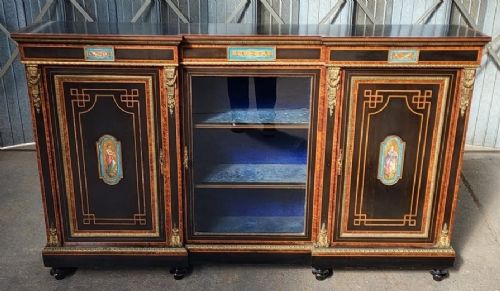
A chiffonier is a low sideboard style cabinet equipped with doors enclosing shelving and frequently topped with a raised shelf gallery.
Regency and Victorian craftsmen embedded brass stringing and floral motifs directly into the dark rosewood or mahogany surfaces to accentuate the architectural lines.
How were stationery cabinets used?
Stationery cabinets served elite domestic and professional desks by organising correspondence, envelopes and writing implements inside compartmentalized interiors.
Many examples incorporate sloping fall fronts, locking doors and heavy brass carrying handles for secure desktop placement.
Are marble tops original?
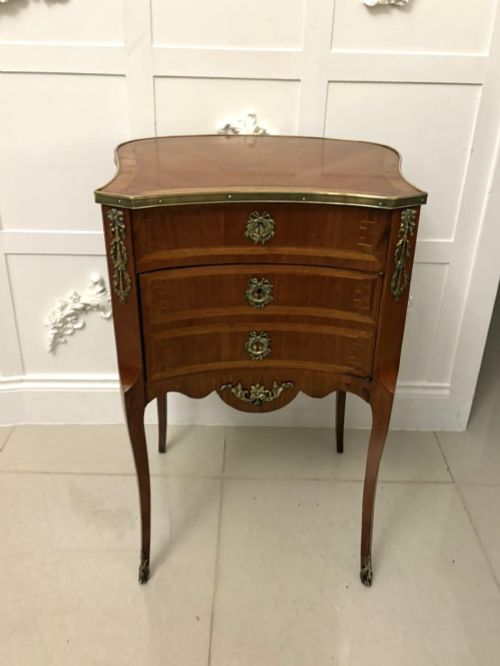
Marble tops commonly appeared on French side cabinets, pier units and bedside commodes during the nineteenth century to provide durable, waterproof surfaces.
These slabs generally match the specific cabinet proportions and rest securely within moulded wooden surrounds.
How do I identify a Victorian cabinet?
Victorian pieces typically present heavier proportions and darker timbers like walnut, ebonised wood or mahogany combined with elaborate marquetry or ormolu mounts.
Interior construction often reveals machine-sawn elements and standardised brass hardware differing from earlier Georgian techniques.