
Antique Brass Boxes
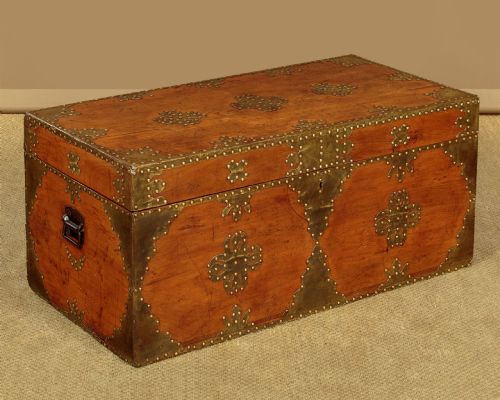
These antique brass boxes bring together timber, leather, and metalwork to hold documents, valuables, and travel necessities.
Antique Brass Boxes
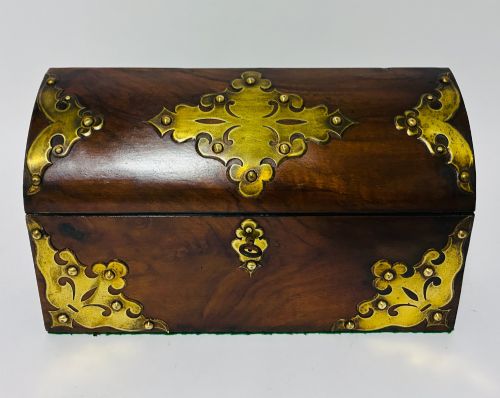
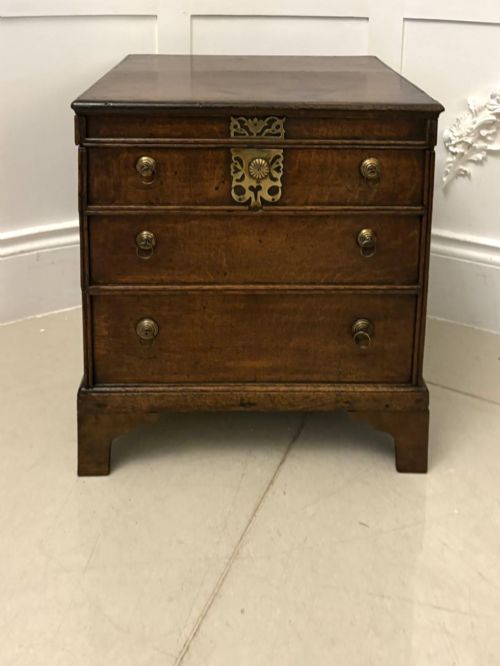
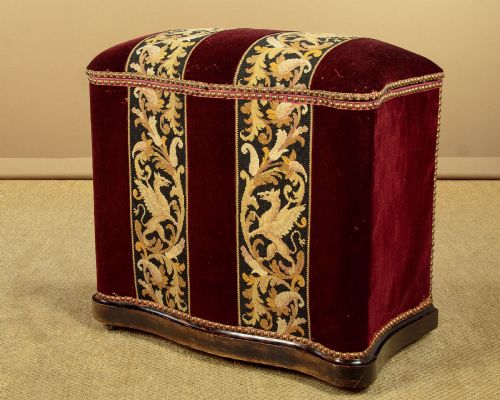
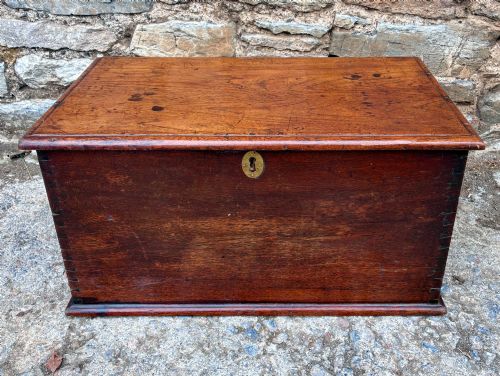
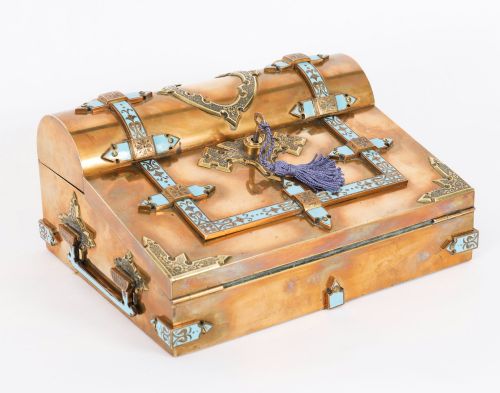
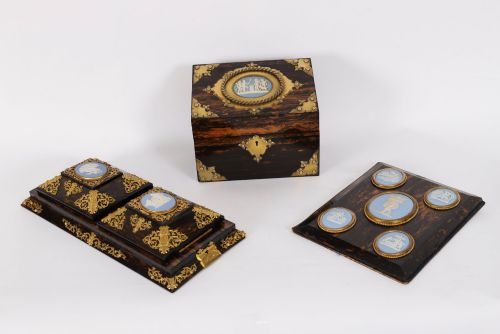
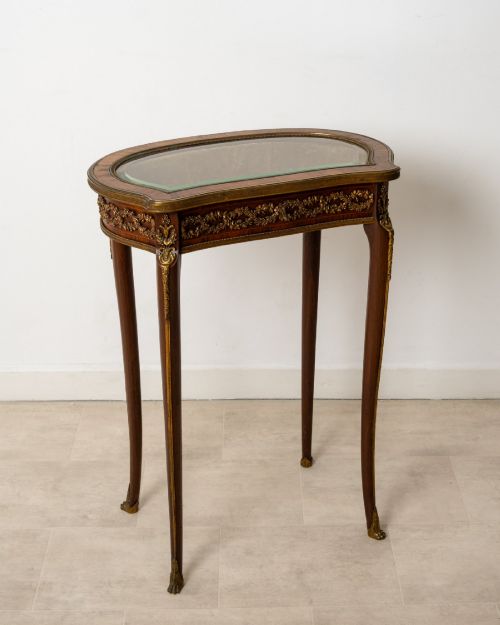
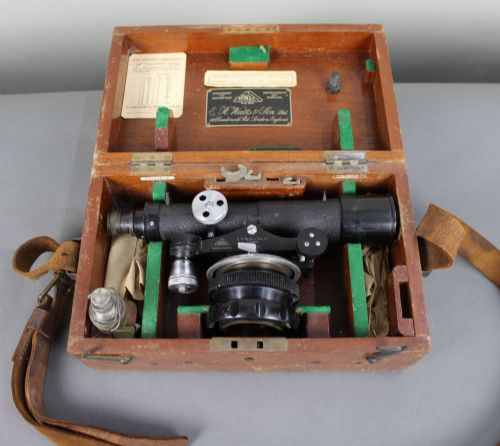
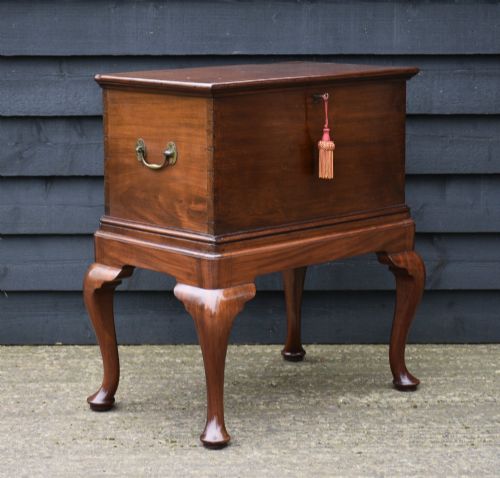
When you search for antique brass boxes, you find a varied group of utilitarian and decorative containers spanning several centuries of craftsmanship. The examples appearing on this page range from robust campaign trunks built for travel to delicate writing slopes and stationery cabinets designed for the home.
Most pieces you meet here date from the nineteenth century, though earlier Georgian and seventeenth-century items appear alongside later Victorian and Edwardian examples. These objects often combine brass mounts, binding, or inlay with timbers such as mahogany, camphor wood, rosewood, and walnut.
Forms include document boxes, tea caddies, jewellery cases, and strong boxes, reflecting the diverse storage needs of past households. Many items bear the marks of global trade, including Anglo-Indian and China Trade pieces alongside British and continental European work.
Materials and Construction
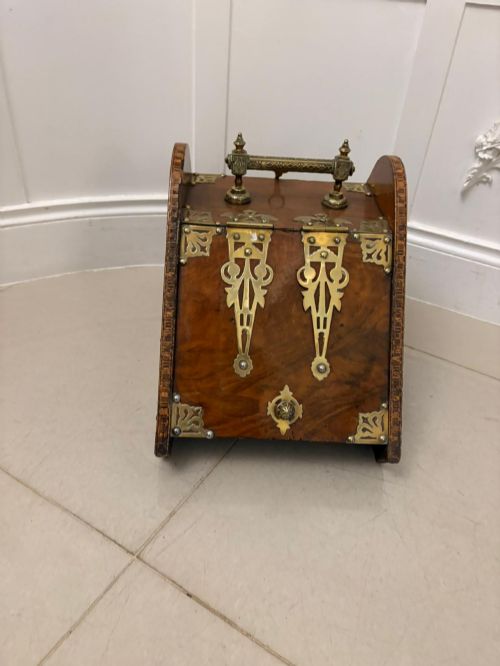
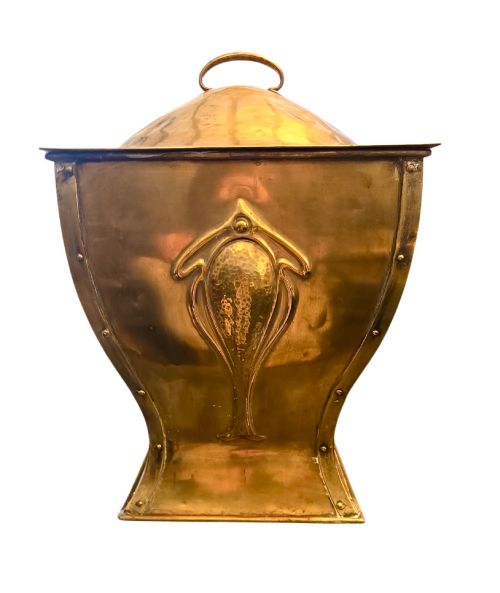
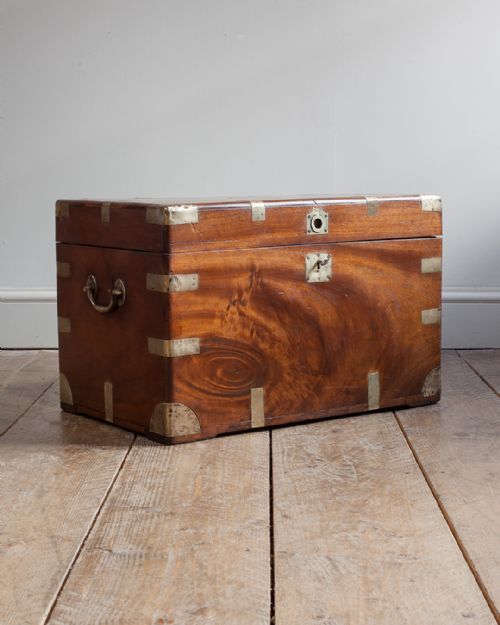
Cabinetmakers built these containers using dense native and exotic timbers, frequently reinforcing the corners and seams with brass plates, corner brackets, and straps. Brass banding protected luggage intended for long journeys, while flush-fitting brass handles allowed campaign pieces to pack tightly into ships and carriages.
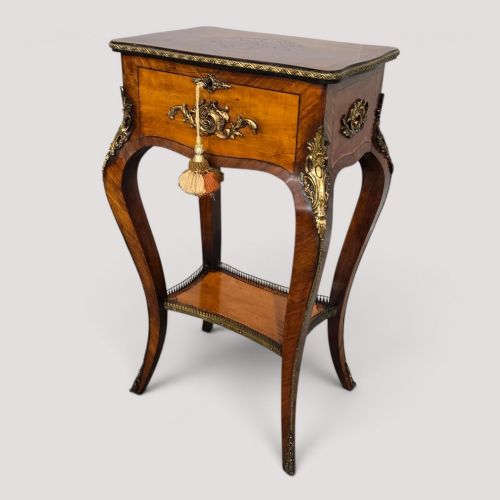
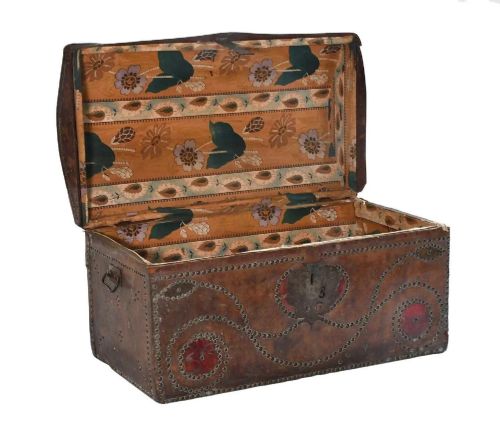
Many writing slopes and jewellery boxes feature intricate inlay, parquetry, or brass stringing set into walnut, mahogany, or rosewood carcasses. Linings of velvet, leather, or silk completed the interiors, often fitted with compartments for inkwells, stationery, or personal valuables.
Some Victorian boxes included tiny secret compartments designed to hide love letters from prying family members.
Distinctions in Quality
The standard of a box depends largely on the precision of its joinery, the thickness and hand-finishing of its brass mounts, and the quality of its internal fittings. Superior examples display tightly dovetailed corners, well-fitted lock mechanisms, and harmonious timber grain selection rather than plain utility construction.
Makers who supplied high-end clients employed heavy-gauge brass, hand-cut inlay, and substantial locking mechanisms stamped with maker details. Lesser pieces rely on thinner brass sheets, simpler pinned construction, and minimal internal partitions.
Tahan Paris·Mercer of London·Samuel Pratt·Wm. Insall of Bristol·De Grave Short and Co·J C Vickery
The Antique Brass Boxes Glossary
- Campaign trunk
- A portable storage chest designed for military officers or travellers, typically fitted with recessed brass handles and corner reinforcements to withstand rough transit.
- Writing slope
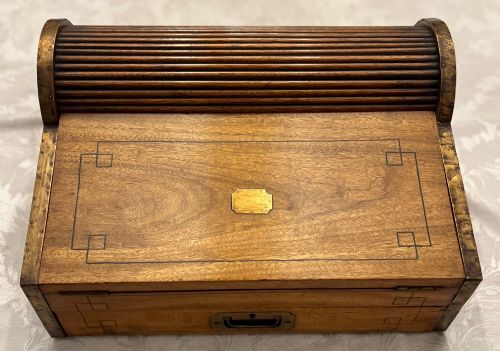
- A portable desk with a hinged, slanted lid that opens to reveal a writing surface, inkwell compartments, and storage for paper and pens.
- Coffer
- A large, heavy chest with a lid, often bound in metal or brass for security and strength during storage or shipping.
- Tea caddy
- A small container designed to keep tea leaves dry and secure, frequently featuring internal lidded canisters and decorative veneers.
- Escutcheon
- A protective plate surrounding a keyhole, usually made of brass or ivory, which prevents the surrounding wood from wearing away through repeated use.
Antique Brass Boxes: Frequently Asked Questions
What is a campaign box?
A campaign box is a portable piece of furniture designed for officers on the move during military campaigns or colonial service. These items feature sturdy brass bindings and recessed handles to withstand frequent transport.
They were built to pack efficiently and protect contents from moisture and rough handling during long journeys.
How do I identify a writing slope?
A writing slope opens to reveal an angled writing surface, usually covered in leather or velvet, alongside compartments for pens and ink. The hinged lid folds down toward the user to form a firm desk.
Many incorporate hidden compartments or secret drawers accessed by removing internal panels.
What timbers were commonly used?
Cabinetmakers utilised dense hardwoods capable of enduring heavy use, including mahogany, walnut, rosewood, and camphor wood. Camphor wood was particularly favoured for travel chests due to its natural insect-repellent properties.
Exotic veneers such as kingwood and satinwood appeared on more decorative domestic boxes.
Why are brass mounts used?
Brass mounts provided structural reinforcement to the corners, edges, and lids of boxes subjected to travel and daily handling. They prevented the timber from splitting along the grain under impact.
Over time, polished brass developed a distinctive patina that enhanced the visual appeal of the box.