


Antique Brass Bound Cooler
An antique brass bound cooler brings tactile warmth and disciplined proportion to a room, serving as a wine cooler, cellarette, or jardinière.
Antique Brass Bound Cooler
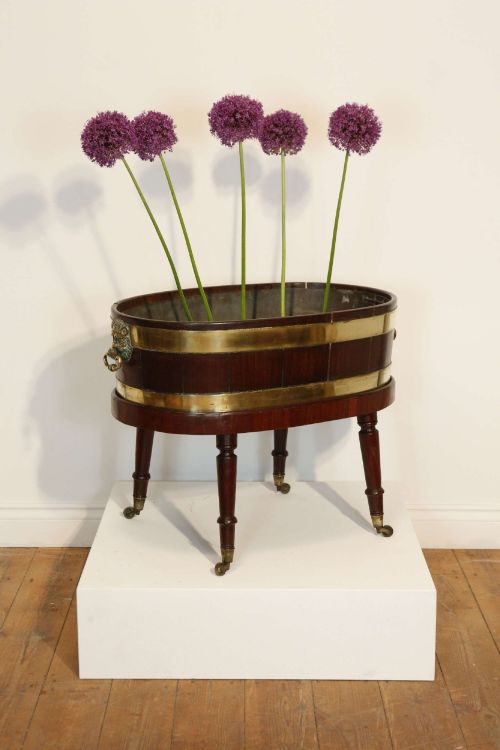
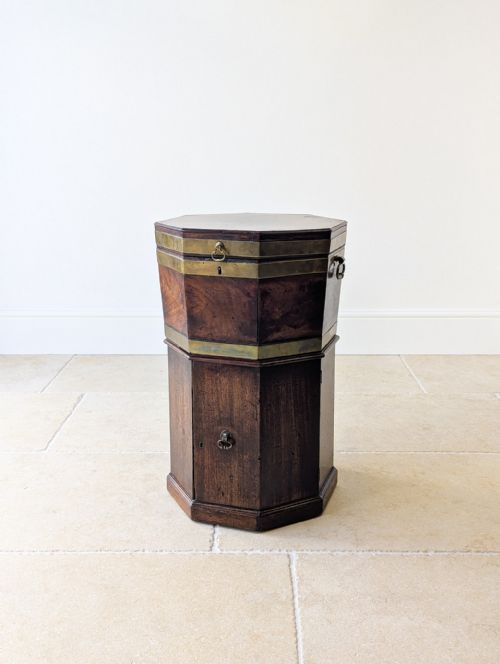
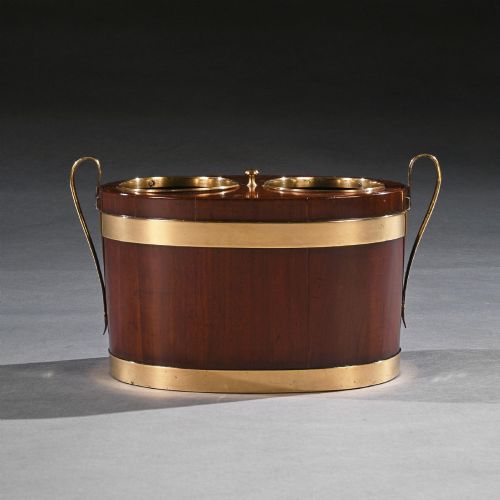
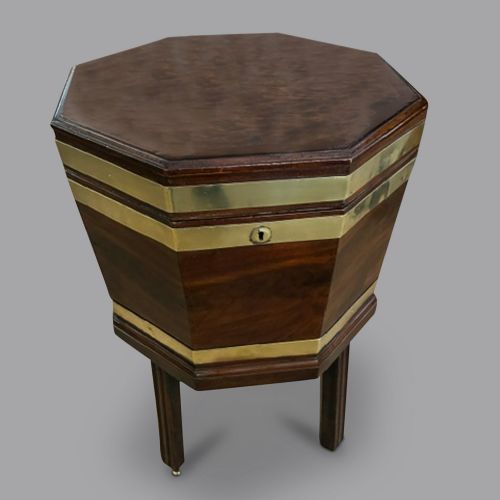
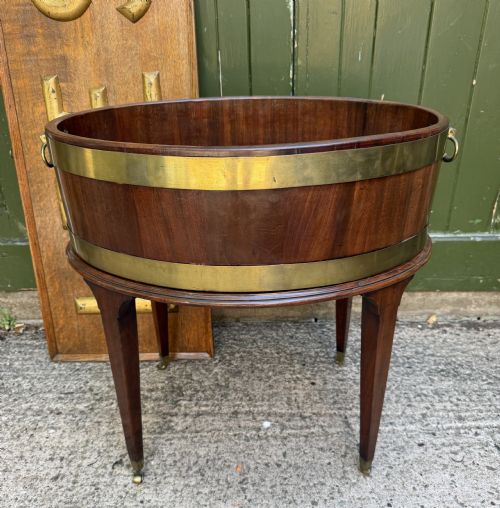
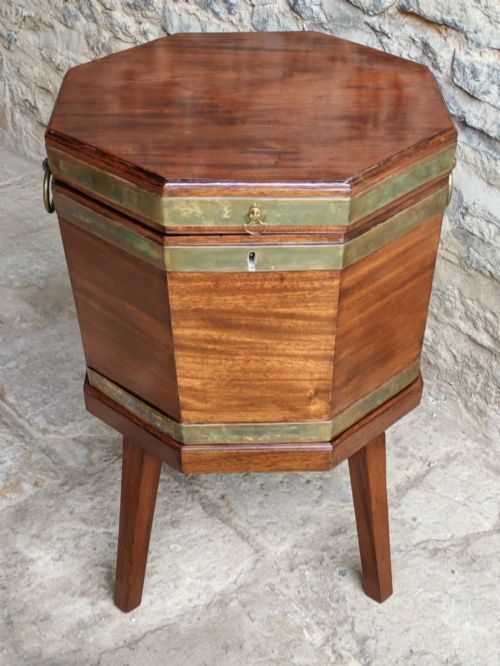
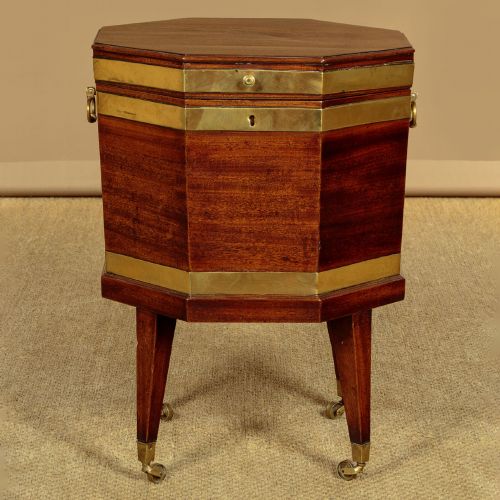
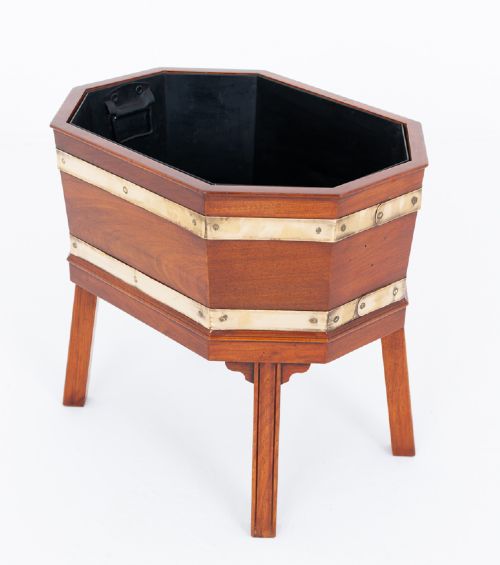
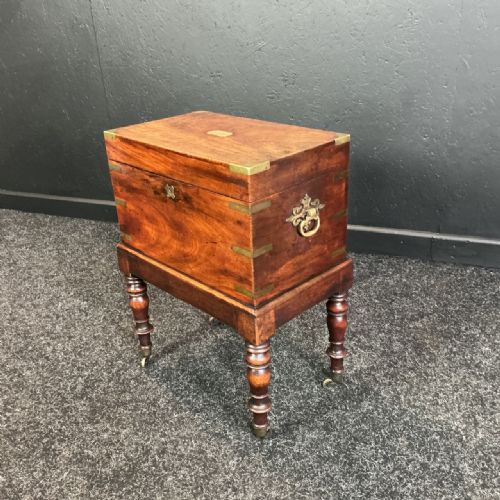
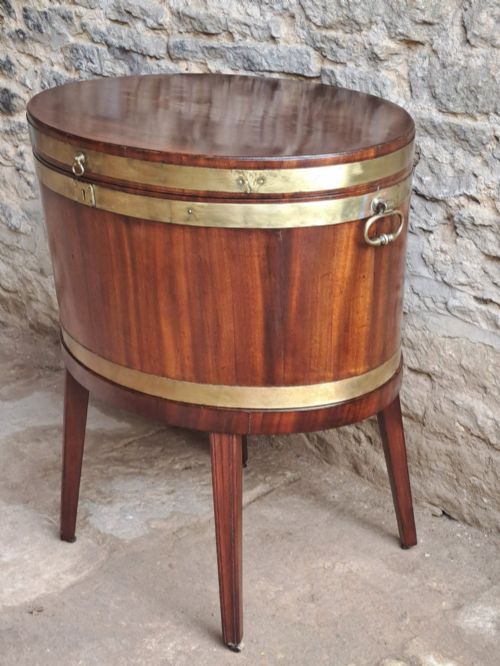
When searching for an antique brass bound cooler, buyers encounter heavy timber vessels designed to hold bottles, ice, or plants. The most common forms on this page are mahogany cellarettes and oval wine coolers dating from the Georgian period.
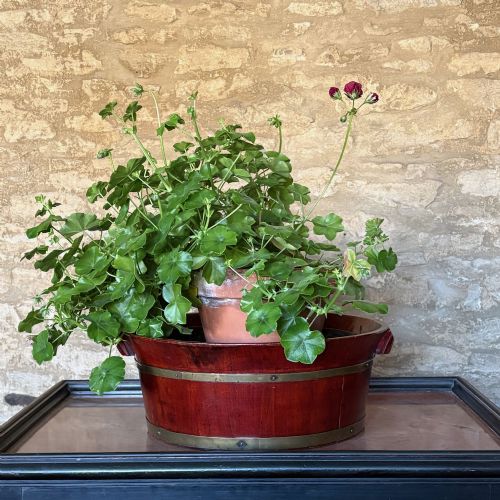
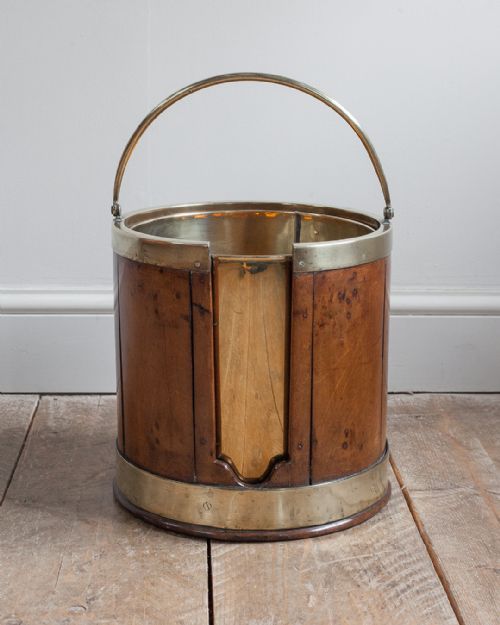
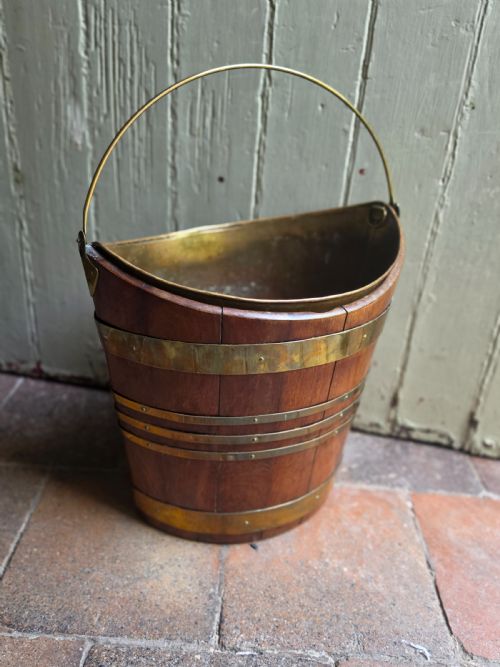
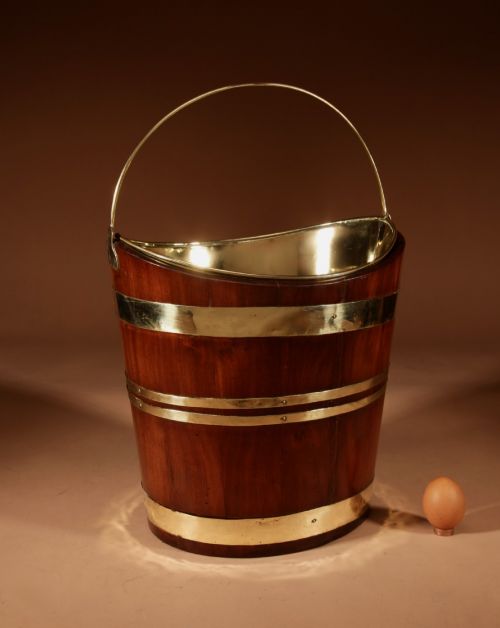
These pieces also appear as plate buckets, boat-shaped peat buckets, and coopered oak planters from later decades. Originating in formal dining rooms, they moved easily into nineteenth-century drawing rooms and twentieth-century hallways as plant stands.
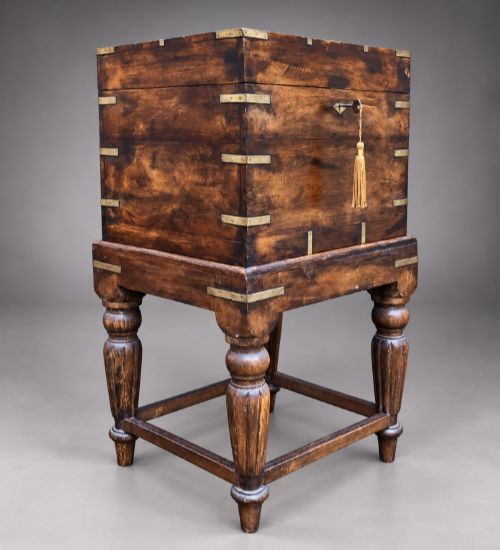
Makers utilised various indigenous and exotic timbers, shaping them into octagonal, oval, or sarcophagus profiles. Their survival depends on robust joinery and the enduring utility of deep, waterproof receptacles.
How they were made
Joiners and coopers constructed these vessels using staves of solid mahogany, padouk, oak, or teak, bound tightly with heavy brass bands. Metal straps were hammered into place while hot to contract securely around the timber.
Interior storage relied upon lead, zinc, or metal liners designed to contain melting ice and stagnant water. Metal handles and drop rings were cast and attached to the sides for lifting.
Antique Brass Bound Cooler Retail Price Guide 2026
Typical asking prices for brass bound cooler among the pieces listed under this phrase on Sellingantiques today, from the lower quarter to the upper quarter. They describe what is for sale here now, not the wider market.
Materials recorded across the archive include mahogany, padouk, oak, teak, walnut, brass, zinc, iron, and copper.
What varies in quality
The distinction between ordinary and exceptional pieces lies in the crispness of the timber's grain and the weight of the brass mountings. Heavier gauge metal straps and hand-cut dovetail or coopered joints denote superior workshop standards.
Proportion and the retention of original stands elevate certain examples above standard utilitarian buckets. Pieces displaying refined inlay work or patinated walnut and mahogany command closer attention from collectors.
The Antique Brass Bound Cooler Glossary
- Cellarette
- A lockable container used for storing wine bottles near the dining table. They often feature internal partitions or lead linings.
- Coopered
- Built from vertical wooden staves fitted together with curved edges, similar to barrel construction. This method allowed containers to hold liquids securely.
- Jardinière
- An ornamental pot or stand for holding plants or flowers. These items frequently share forms with traditional wine coolers.
- Sarcophagus
- A heavy, tomb-like container shape popular during the Regency period. These wine coolers usually feature domed lids and paw feet.
- Schuitje
- A boat-shaped vessel used for peat or turf. In domestic contexts, these were adapted as decorative table buckets.
Antique Brass Bound Cooler: Frequently Asked Questions
What did they hold?
These vessels originally held wine bottles chilled in ice or snow during formal meals. They also served as receptacles for clean plates or peat fuel.
Over time, many of these containers lost their internal partitions and were repurposed as planters or umbrella stands.
Are the liners original?
Many surviving pieces retain their original lead, zinc, or metal linings, though these often show signs of heavy wear from ice and moisture.
Replacement liners are common because the damp conditions required for cooling caused the original interior metals to corrode.
How do I date a piece?
Dating relies upon timber choice, hardware design, and overall cabinet-making style. Eighteenth-century pieces typically feature rich mahogany and fine dovetailing.
Nineteenth- and twentieth-century examples often incorporate heavier coopered oak or teak, reflecting changing domestic interiors and revival styles.
Can I use them as planters?
These vessels suit contemporary plant displays due to their deep wooden bodies and waterproof metal linings. Using them as jardinières preserves their historic domestic utility.
Care should be taken with drainage to prevent lingering moisture from damaging the internal wood staves.