


Antique Brass Accent Light
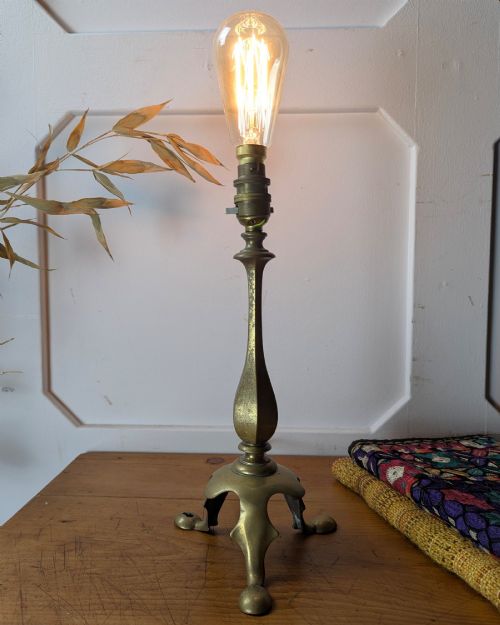
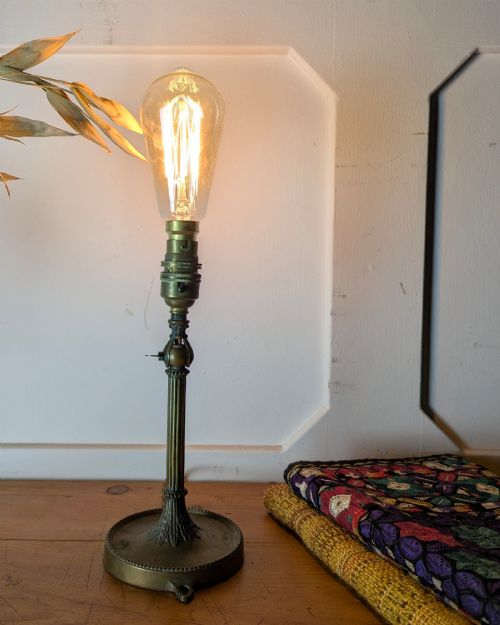
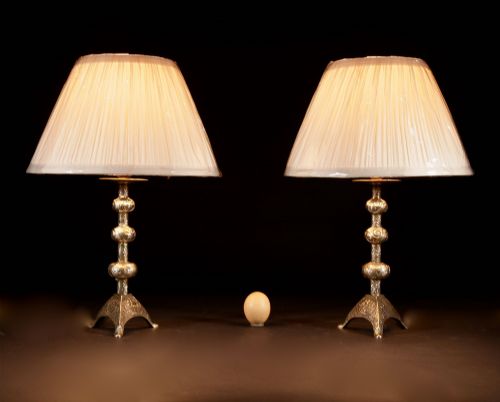
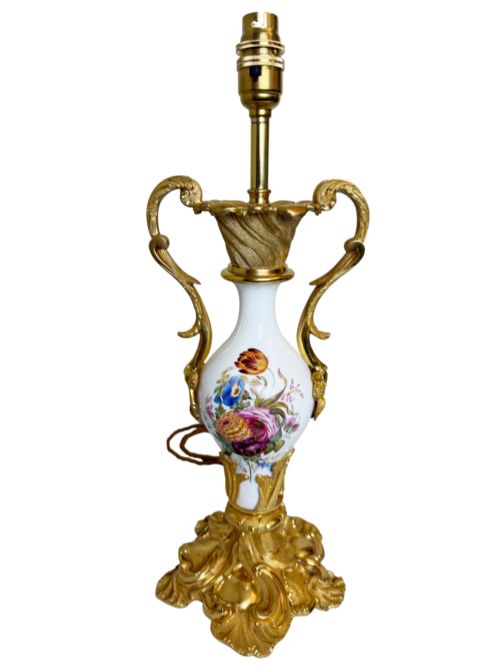
An antique brass accent light brings focused warmth and period character to a room, ranging from simple Victorian candlesticks to ornate French ormolu designs.
Antique Brass Accent Light
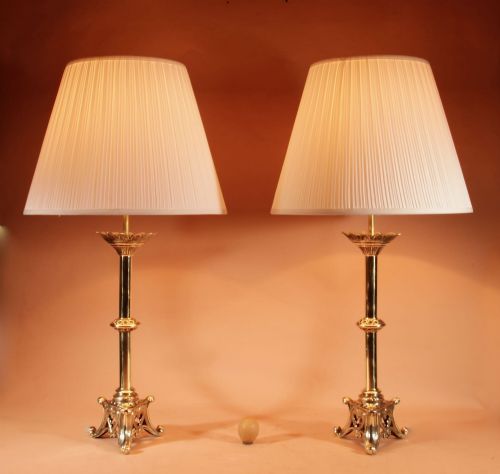
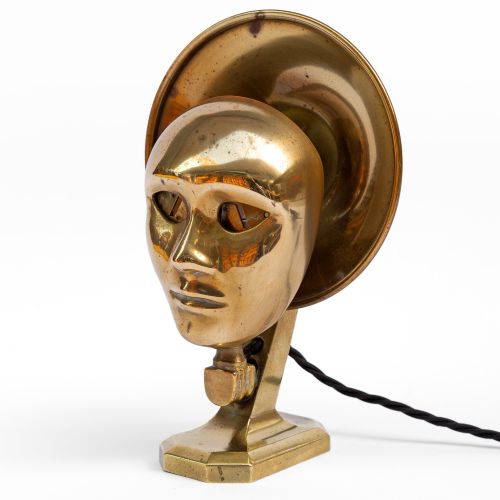
When searching for an antique brass accent light, you encounter diverse forms created for illumination, primarily table lamps, floor lamps, and converted candlesticks. These pieces span the nineteenth century through the 1930s, encompassing Victorian, Edwardian, and Art Nouveau styles alongside earlier revivals.
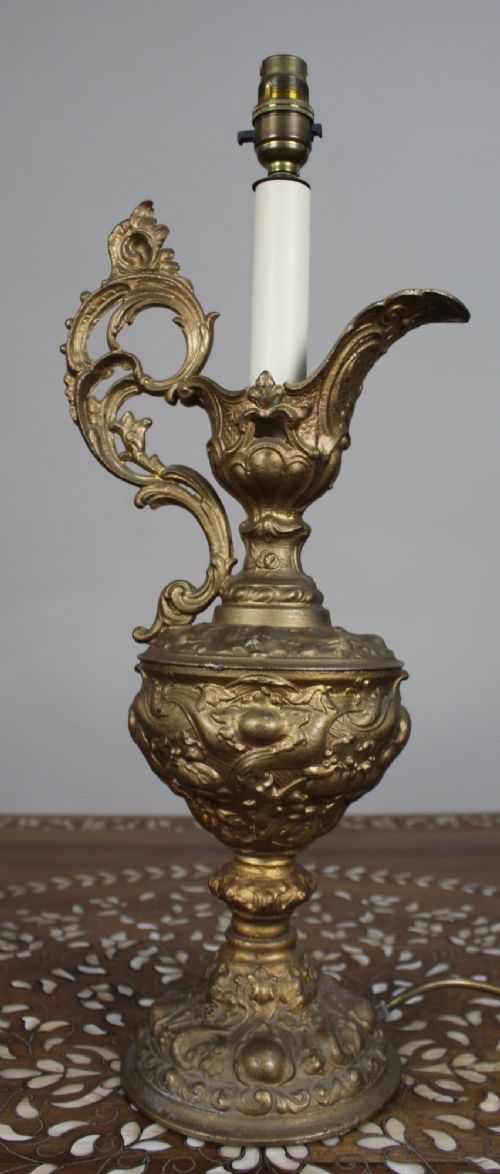
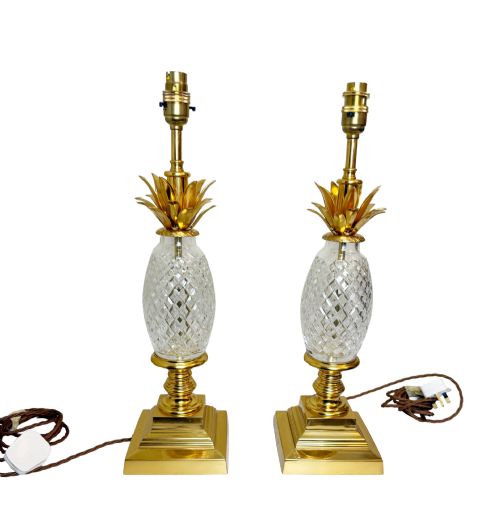
The selection on this page relies heavily on French and English origins, often incorporating mixed media such as marble, crystal, porcelain, and fabric shades. You find both utilitarian conversions, such as Victorian oil lamps adapted for electricity, and decorative pieces cast in elaborate Neoclassical or Gothic patterns.
Table lamps dominate the available forms, accompanied by standard lamps and candlesticks that function as accent lighting in domestic interiors. These items reflect the shifting interior tastes across decades, moving from heavy historicism to lighter decorative designs.
Materials and construction methods
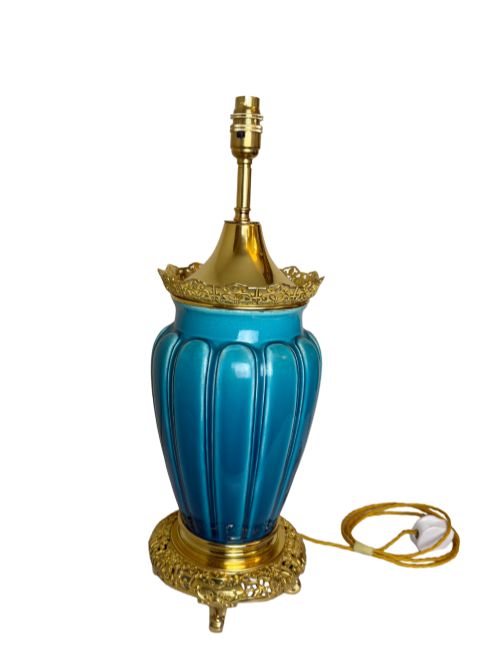
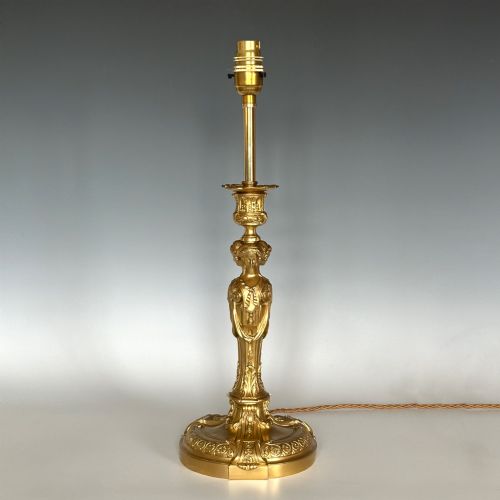
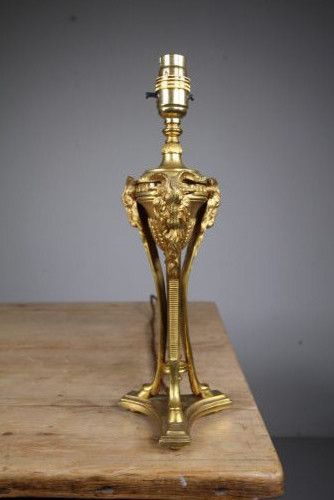
Many pieces utilise cast brass, gilt bronze, and ormolu, shaped through traditional foundry methods and finished with hand-chiselled detailing or patination. Metal components often combine with natural elements like onyx, white marble, or glass to create varied textural contrast.
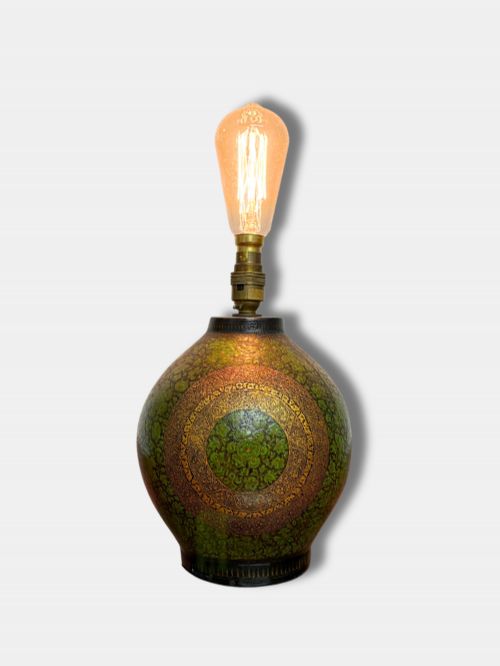
Decorative surface work includes champlevé enamelling, lacquered toleware, and applied gilding, which define the visual weight of each object. Standard lamps and table lamps frequently show evidence of later electrical adaptation, integrating modern wiring while retaining original metal bodywork.
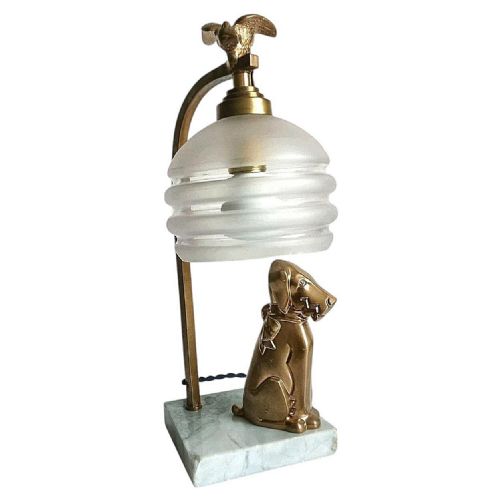
Several French novelty designs incorporate whimsical bronze dogs and parrots perched near the light source.
Factors separating standard pieces from exceptional examples
The distinction between ordinary and superior pieces rests on the crispness of the casting and the depth of the chasing on the metal surface. Finer examples display meticulous hand-finishing that accentuates intricate foliage, figurative motifs, or architectural details without losing definition.
Material selection also dictates quality, with heavy bronze, genuine ormolu, and solid decorative stone bases indicating superior workshop standards. Integrated design cohesion, where every metal mount, glass element, and porcelain insert harmonises, separates mass production from master craftsmanship.
The Antique Brass Accent Light Glossary
- Ormolu
- Gilt bronze, typically produced by applying a mercury and gold amalgam to a bronze casting and firing it to leave a rich golden layer. This technique was widely employed in French decorative arts.
- Champlevé
- An enamelling technique where troughs or cells are carved into the surface of the metal and filled with vitreous enamel before firing. It appears frequently on Japanese and European decorative metalwork.
- Baluster
- An architectural term describing a moulded shaft or pillar with a swelling lower portion, commonly seen in the stems of table lamps and candlesticks. It provides structural stability and visual balance.
- Toleware
- Painted and lacquered sheet metalware, often finished in black and gold lacquer. It was utilised for decorative vessels and lamps.
- Meiji Period
- The era in Japanese history spanning from 1868 to 1912, known for distinct artistic exports including Satsuma pottery and bronze work that influenced European design.
Antique Brass Accent Light: Frequently Asked Questions
How do I safely rewire an old lamp?
Rewiring requires removing old perished flex and assessing the internal lampholder for safety compliance. Many collectors engage a professional restorer to install modern braided cable while retaining the original brass components.
Preserving the exterior patina is essential during rewiring, ensuring the historic body remains unaltered while meeting contemporary domestic electrical standards.
Can I date a lamp without a maker mark?
Dating relies on stylistic clues, casting techniques, and the combination of materials used in the construction. For instance, heavy ormolu mounts and specific floral motifs often point toward nineteenth-century French manufacture.
Comparing the switch mechanism, plug type, and threaded fittings helps distinguish original Victorian or Edwardian assembly from later twentieth-century modifications.
What is the difference between ormolu and brass?
Ormolu specifically denotes gilded bronze, where a layer of gold is bonded to a bronze base through historic fire-gilding methods. Brass is an alloy of copper and zinc, possessing a naturally brighter golden hue without the same surface depth.
While solid brass can be polished to a bright shine, genuine ormolu displays a softer, more complex metallic lustre that resists tarnishing.
Were these lamps originally electric?
Many nineteenth-century and early twentieth-century pieces began life as oil lamps, gas lamps, or candlesticks before later conversion to electricity. This adaptation was common as domestic power supplies expanded into residential homes.
Evidence of conversion often appears in drilled bases or altered internal channels where wiring passes through former fuel reservoirs.