



Cast Brass Reading Light
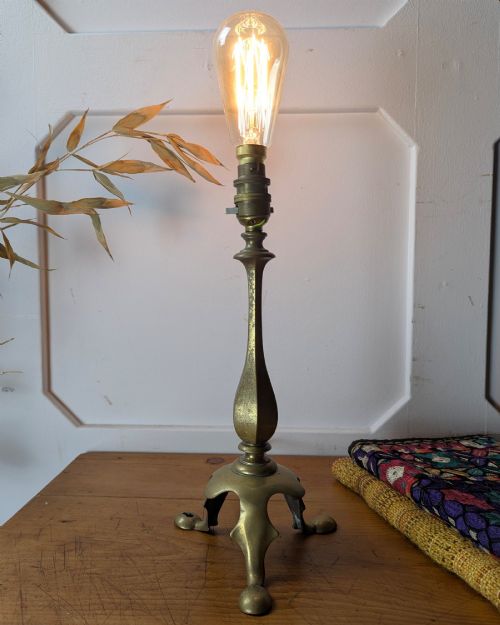
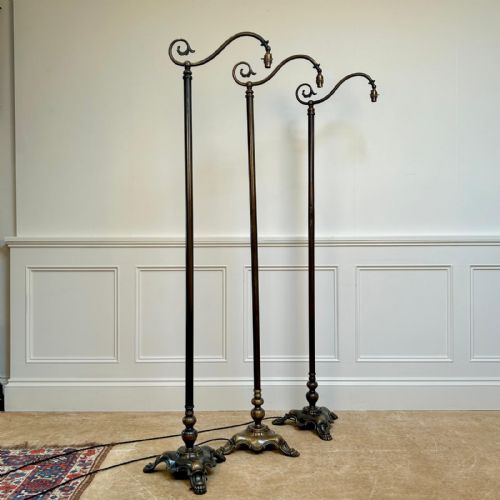
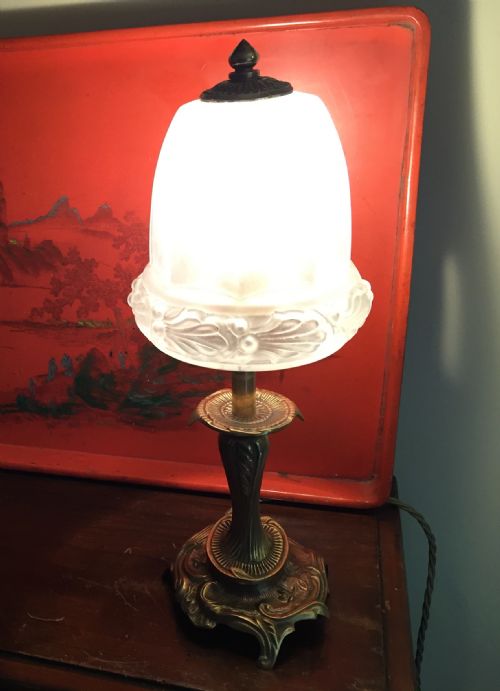
A cast brass reading light brings heavy, industrial strength and rich historic weight to a desk or floor.
Cast Brass Reading Light
A cast brass reading light provides sturdy, adjustable illumination using heavy metal foundations and classic column or baluster forms. When you search for this phrase, you encounter heavy table lamps, floor standards, and desk lamps designed to direct light precisely where needed.
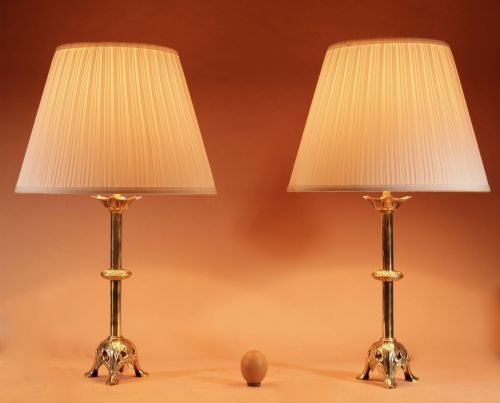
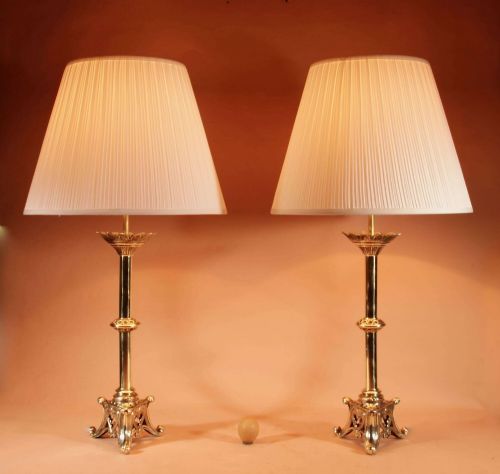
The pieces appearing on this page span the nineteenth century through the 1930s, incorporating Victorian, Edwardian, Art Nouveau, and Art Deco styles. You will frequently find standard lamps alongside table or wall versions featuring classical columns, floral openwork, and bronze or marble elements.
Many examples originate from France and England, showing decorative details such as rams heads, Italian classical masks, and hexagonal baluster shapes. These lamps bridge the gap between functional utility and decorative historic lighting.
What varies in quality
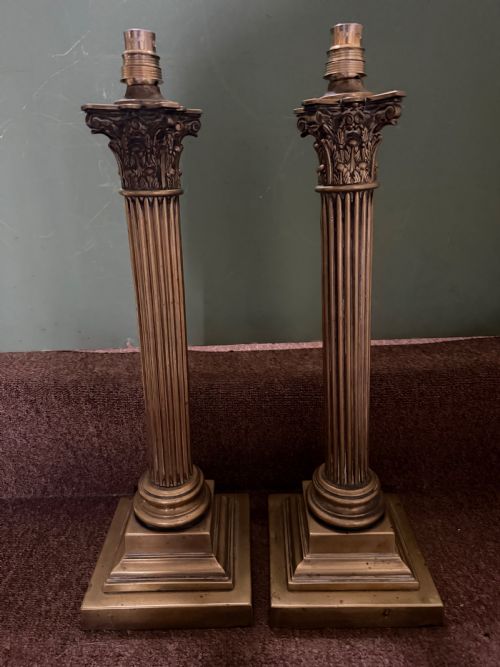
The refinement of the casting work dictates the distinction between standard and superior pieces, seen in crisp relief on floral openwork, rams heads, and classical masks. Heavier proportions and substantial marble or bronze integration elevate the physical presence of the standard.
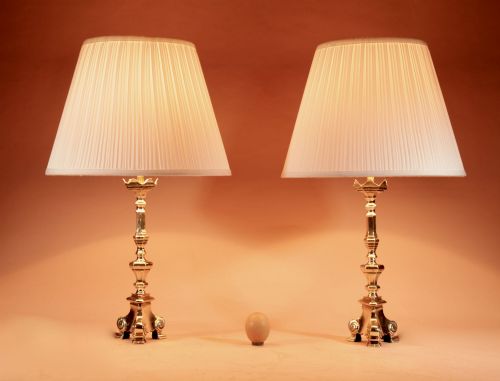
Detailing in the patination and the precision of architectural elements, such as Corinthian capitals or hexagonal balusters, separates workshop output. The harmony between structural brass components and shade materials defines the overall execution.
Cast Brass Reading Light Retail Price Guide 2026
Typical asking prices for cast brass reading light among the pieces listed under this phrase on Sellingantiques today, from the lower quarter to the upper quarter. They describe what is for sale here now, not the wider market.
Listings feature table lamps, floor standards, and desk lamps made from brass, bronze, cast iron, and marble across nineteenth-century and early twentieth-century periods.
JOSEPH HINKS
The Cast Brass Reading Light Glossary
- Cast brass
- An alloy of copper and zinc poured into a mould to create solid, highly detailed structural forms. This method allows for intricate decorative motifs that sheet metal cannot achieve.
- Ormolu
- Gilded bronze or brass created by applying a finely ground high-carat gold mercury amalgam to a metal base. It provides a bright, durable golden surface finish seen on decorative mounts.
- Baluster
- An architectural moulded shaft with a swelling lower portion tapering towards the top. This shape frequently forms the central stem of table and desk lamps.
- Patinated brass
- Metal treated with chemicals, heat, or friction to alter its surface colour and age appearance. This process deepens the tone and subdues raw metallic glare.
- Corinthian column
- A classical architectural order featuring an ornate capital decorated with acanthus leaves. Lamps adopting this form emulate ancient stone columns in cast metal.
Cast Brass Reading Light: Frequently Asked Questions
What periods do these lamps cover?
The pieces span from the nineteenth century through the Edwardian era, 1920, and 1930. Styles range from Victorian and French Chateau to Art Nouveau and Art Deco.
Most examples reflect traditional European metalworking methods, utilising heavy brass, bronze, and cast iron structures.
Where were these lamps made?
Many surviving examples originate from workshops in France and England. French pieces frequently incorporate bronze, marble, and classical or art nouveau ornamentation.
English designs often favour traditional column forms, Corinthian capitals, and sturdy domestic floor standards.
How do I identify a standard lamp?
A standard lamp is a tall floor-standing lighting fixture designed to illuminate a room or reading area from a vertical column. They typically feature heavy cast bases to support the height safely.
Versions on this page include nineteenth-century French designs and Edwardian models with decorative rams heads.
What materials are used alongside brass?
Maker workshops combined cast brass with bronze, marble, cast iron, and fabric. Shades and structural accents frequently feature opaline glass or frosted glass.
Patinated finishes and ormolu treatments were also applied to alter the surface texture and colour of the metal.