




Baluster Desk Lamp
A baluster desk lamp is a sturdy, shapely pillar light that brings character and warm illumination to any workspace.
Baluster Desk Lamp
When you search for a baluster desk lamp, you are looking at practical lighting built upon a distinctive column form that swells towards the base. The items on this page span the Victorian and Edwardian eras alongside the early twentieth century, drawing from various international traditions.
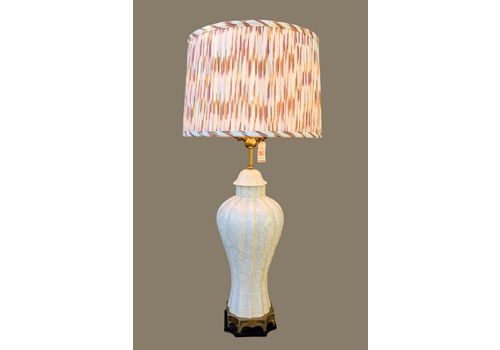
The materials you encounter most frequently in these listings include brass, bronze, and porcelain, often paired with fabric or glass shades. Many pieces adapt earlier vases or architectural elements into functional desk and table lighting.
Forms range from traditional English brass mountings to Japanese bronze work and Chinese ceramic vases transformed into lamps. This variety reflects a long history of repurposing fine vessels for interior illumination.
How they were made
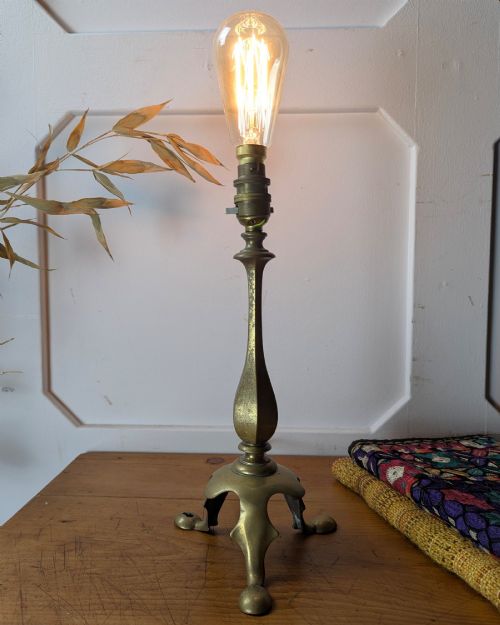
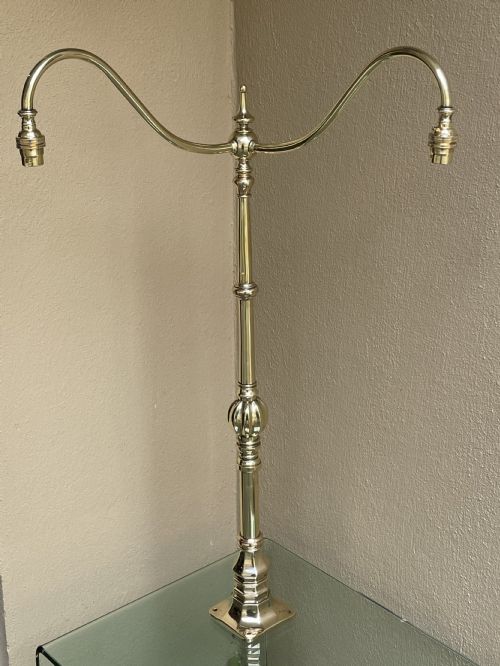
Makers shaped metals such as brass and bronze through casting and turning, creating the characteristic curves of the baluster silhouette. Polished brass and silver plating provide a bright metallic finish on several examples.
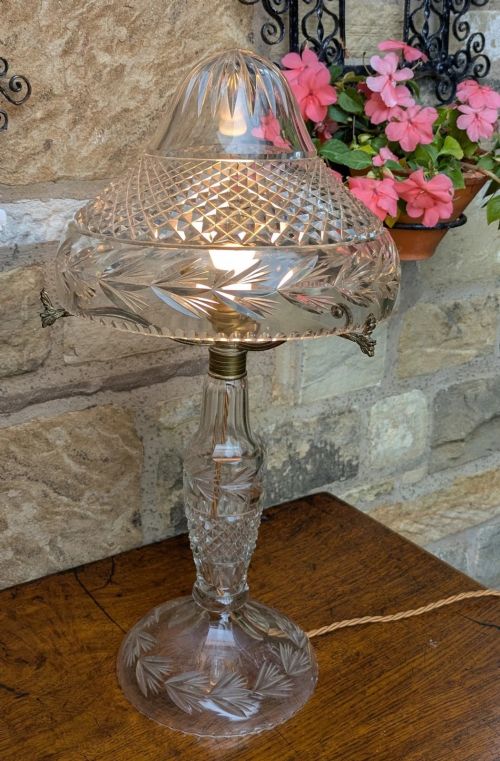
Ceramic elements utilise traditional glazing and firing techniques, seen in porcelain, celadon, and cloisonné components. Cut crystal and frosted glass provide texture and diffuse the light output from the bulb.
Baluster Desk Lamp Retail Price Guide 2026
Typical asking prices for baluster desk lamp among the pieces listed under this phrase on Sellingantiques today, from the lower quarter to the upper quarter. They describe what is for sale here now, not the wider market.
Design styles represented include Edwardian, Victorian, Art Nouveau, Chinoiserie, and traditional Anglo-Indian motifs.
What varies in quality
The distinction between standard and superior pieces rests on the weight of the metalwork and the crispness of any cast ornamentation. Solid bronze and heavy brass foundations demonstrate greater substance than lighter plated alternatives.
Artistic execution in the ceramic and glass components also dictates the tier of the piece, from hand-applied cloisonné detail to standard moulded glass. The integration of original vases into lighting mounts requires careful fitting that preserves the integrity of the vessel.
The Baluster Desk Lamp Glossary
- Baluster
- A moulded shaft or pillar with a swelling lower portion, derived from classical architecture and stair railings. This profile forms the main vertical body of the lamp.
- Newel Post Lamp
- A sturdy light fixture originally designed to sit atop the main supporting post at the bottom of a staircase. These pieces share the robust proportions suitable for desk use.
- Cloisonne
- An ancient technique for decorating metal object surfaces using enamel compartments defined by thin flat wires. Japanese examples showcase this intricate method.
- Famille Rose
- A palette of Chinese ceramic glazes dominated by opaque pink or rose enamel, popular during the Qing dynasty and later reproduced in European styles. Pieces utilising this style bring distinct colour to a desk.
Baluster Desk Lamp: Frequently Asked Questions
How do I date an antique lamp?
Dating relies on examining the materials, manufacturing techniques, and wiring components present on the fixture. Victorian and Edwardian pieces often display distinct casting methods and period-specific decorative styles.
Makers frequently adapted older porcelain vases or bronze vessels into lamps during the nineteenth and early twentieth centuries, blending different eras in a single object.
Can I use modern bulbs?
Most antique lamps accommodate modern LED or standard bulbs once the fitting has been checked for safety. Standard threaded fittings allow for easy installation of contemporary lampshades.
It is advisable to have older wiring inspected by a qualified electrician before daily use on a desk.
Where should I place it?
These lamps suit study desks, side tables, and reading areas where direct or ambient light is required. The substantial base ensures stability on wooden surfaces.
Their decorative forms, from Chinoiserie ceramics to polished brass pillars, make them focal points in traditional and eclectic interiors alike.