



Antique Box with Painting
An antique box with painting brings together practical storage and miniature fine art, offering surface decoration that ranges from folk motifs to detailed portraits.
Antique Box with Painting
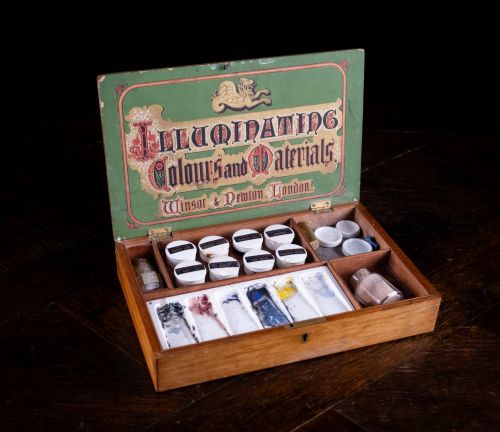
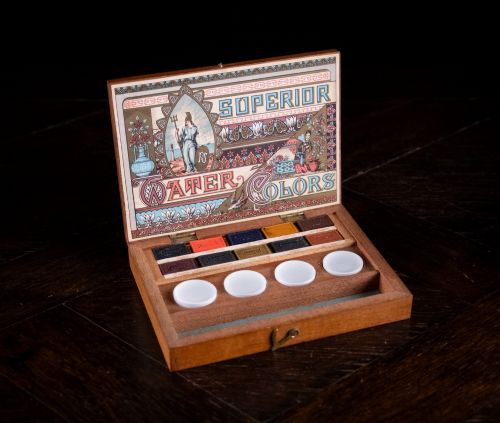
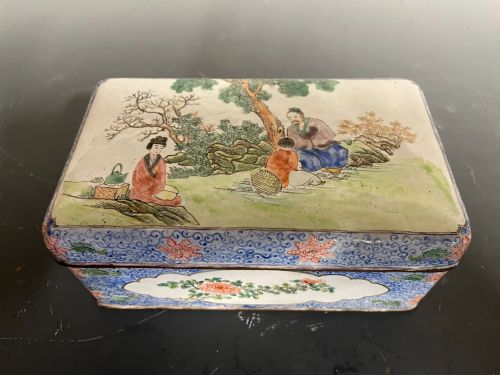
When you search for an antique box with painting, you encounter a varied assortment of small receptacles and larger storage pieces featuring decorated surfaces. These items span periods from the eighteenth century through the Edwardian era, encompassing diverse forms such as trinket boxes, document chests, and vanity jars.
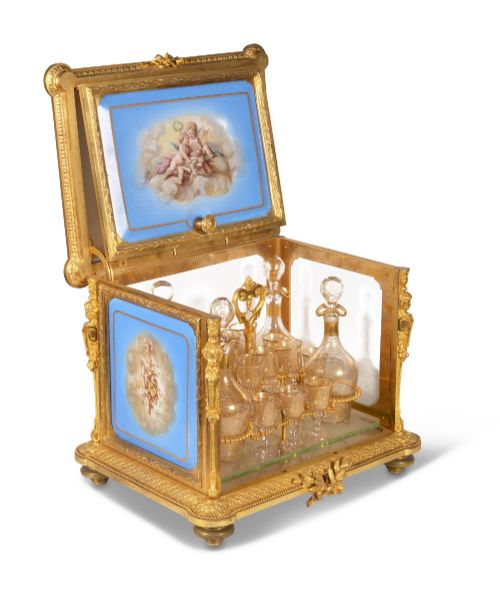
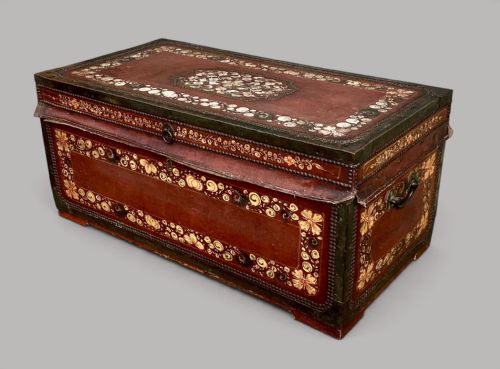
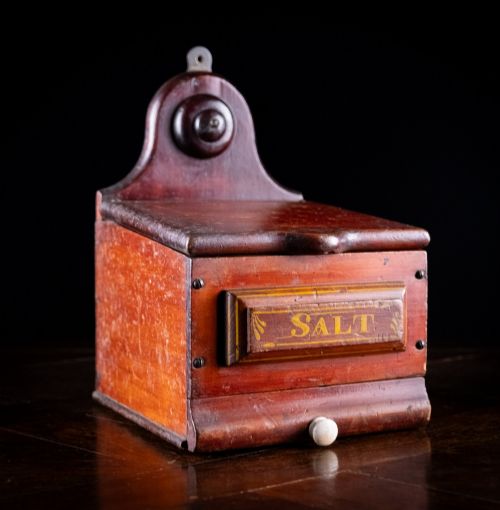
The objects listed on this page lean heavily toward functional containers enhanced with pigment or lacquer. Examples include round porcelain boxes with gilt detailing, Russian lacquered boxes carrying hand-painted portraits, and pine document boxes bearing original paintwork decoration.
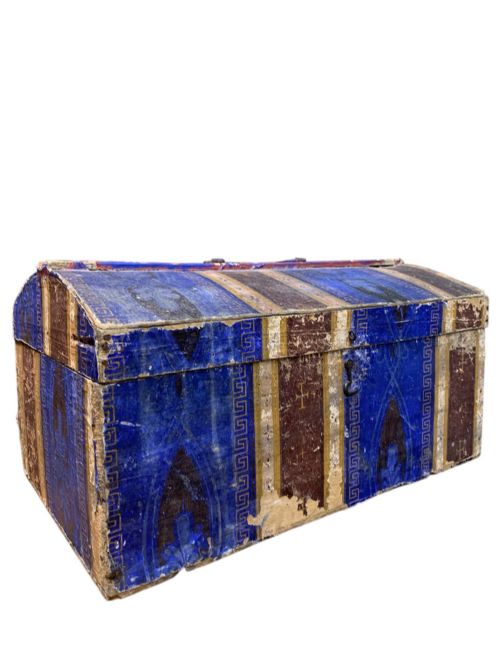
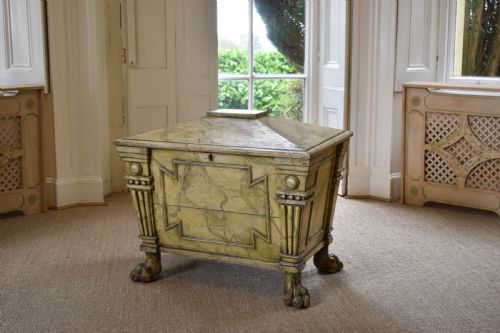
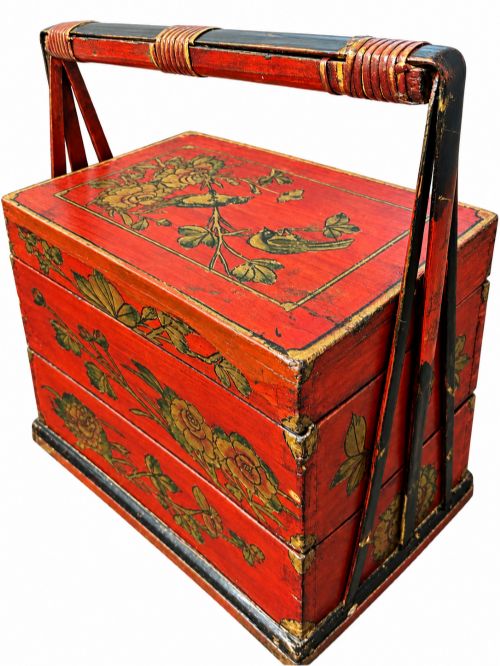
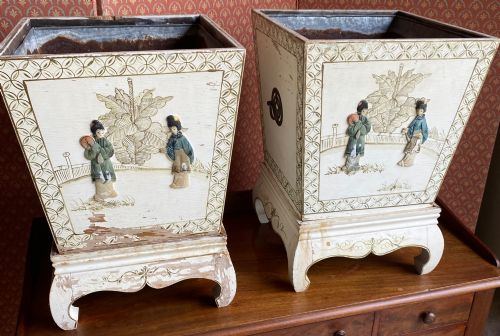
Beyond small receptacles, the selection extends to larger furniture forms that incorporate painted elements. You find painted pine mule chests, storage benches, and travelling trunks that utilise colour and brushwork to elevate utilitarian wooden construction.
How they were made
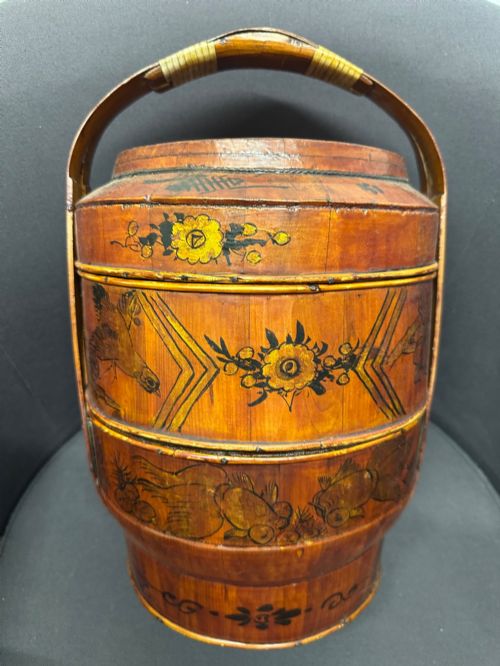
The construction of these pieces relies primarily on timber foundations such as pine, oak, and other woods, frequently joined with iron hardware, brass rims, or hand-forged strapwork. Artisans built structural carcases to house belongings, applying surface treatments directly to the wood or utilising base layers of lacquer and red paint traces.
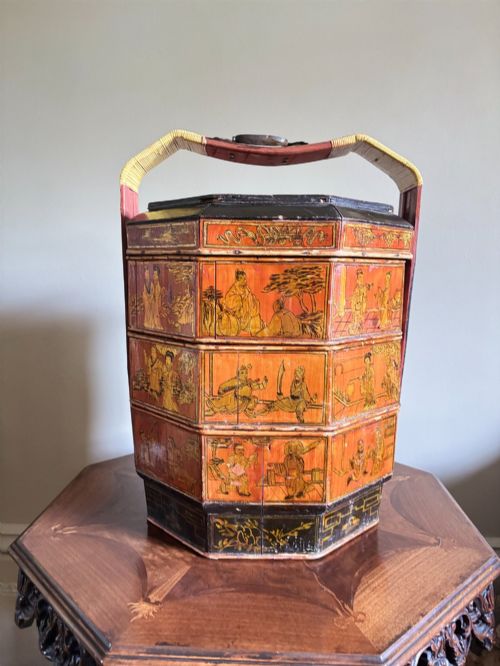
The painted ornamentation takes several distinct technical forms across the inventory. Makers applied direct hand-painted decoration in oils or pigments, embedded porcelain plaques into sterling silver mounts, and executed detailed gilded work on lacquer and porcelain surfaces.
Antique Box with Painting Retail Price Guide 2026
Typical asking prices for box with painting among the pieces listed under this phrase on Sellingantiques today, from the lower quarter to the upper quarter. They describe what is for sale here now, not the wider market.
A Swedish pine chest hides a secret path within, decorated with a painted labyrinth.
What varies in quality
The standard of the painted surface dictates much of the distinction between ordinary and exceptional pieces. Finer items display crisp brushwork, well-preserved portraiture, or intricate gilt detailing that remains clear despite age, whereas lesser examples show heavy wear or crude secondary overpainting.
The integrity of the original hardware and the underlying structure also drive distinctions in quality. Pieces retaining their original iron hinges, strapwork, and untouched painted finishes hold greater archaeological and visual consistency than those altered over time.
The Antique Box with Painting Glossary
- Mule chest
- A storage chest featuring one or more drawers beneath the main compartment. This form bridges the gap between traditional blanket chests and modern drawer units.
- Lacquer
- A durable varnish applied in multiple coats to wood or metal surfaces, often associated with Asian export wares and European imitation techniques.
- Toleware
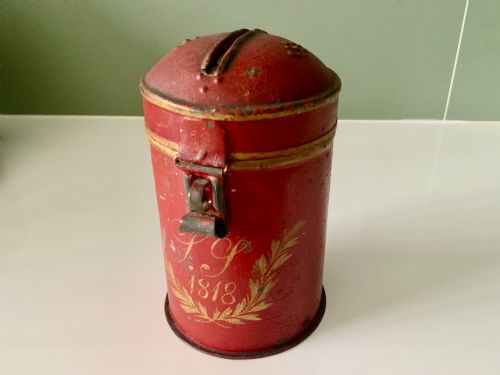
- Painted or enamelled sheet metal household objects produced in Europe and America. It frequently takes the form of boxes, trays, and tea caddies.
- Iron strapwork
- Flat bands of forged iron used to reinforce the corners and lids of heavy trunks and chests. This metalwork provides both structural strength and visual contrast.
- Porcelain plaque
- A flat ceramic panel fired with painted imagery and sometimes set into the lids of vanity jars or decorative boxes.
Antique Box with Painting: Frequently Asked Questions
What are antique painted boxes?
Antique painted boxes are functional storage receptacles ranging from small trinket containers to large trunks, decorated with hand-applied pigment, lacquer, or mounted porcelain plaques.
They served domestic purposes from the eighteenth century onward, combining everyday utility with decorative artistry that reflected regional folk traditions or high-style tastes.
How were these painted boxes used?
These pieces were employed for safeguarding documents, storing sewing equipment, holding tobacco, or keeping personal valuables secure in the home and during travel.
Larger painted chests accommodated clothing and household linens, while smaller vanity jars and trinket boxes sat atop dressing tables to organise small accessories.
How do I care for a painted box?
Protect antique painted surfaces by keeping them away from direct sunlight, which can fade pigments and crack lacquer or oil layers over time.
Dust the exterior gently with a dry, soft cloth and maintain stable indoor humidity levels to prevent the underlying wood from warping or shrinking.
How can I tell the period?
Dating relies on observing construction methods, such as hand-forged iron hardware, dovetail joints, and the specific composition of the wood and paint.
Stylistic clues like Georgian proportions, Victorian folk art motifs, or Edwardian silver mounts also help narrow down the decade of manufacture.