




Antique Bow Porcelain
Antique bow porcelain pieces are early English soft-paste ceramic items that collectors prize for their hand-painted eighteenth-century charm and lively figural forms.
Antique Bow Porcelain
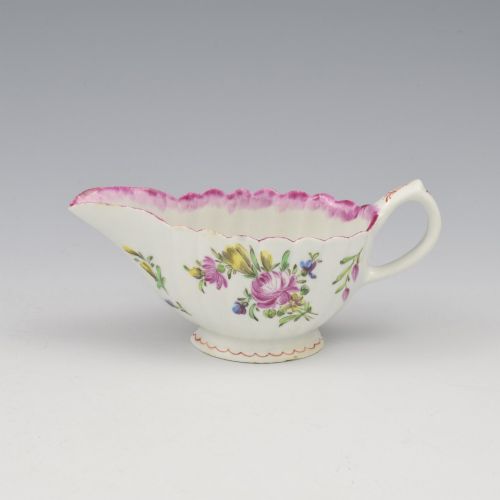
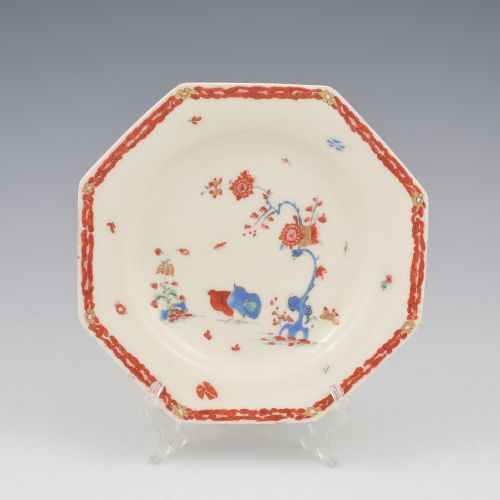
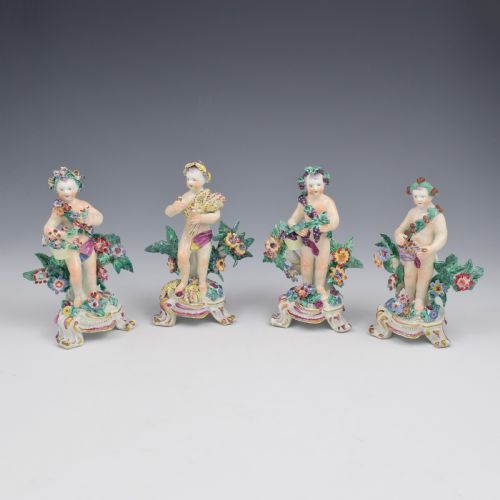
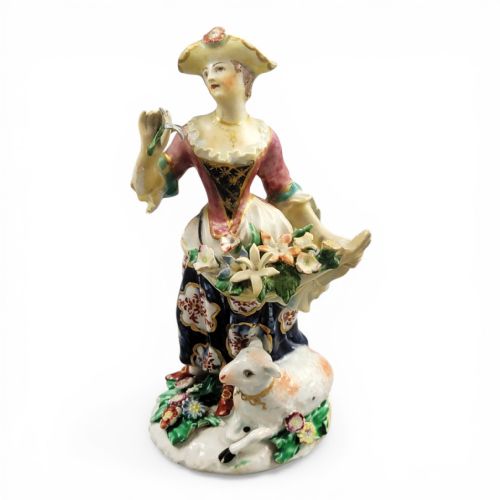
When you search for antique bow porcelain, you look at figures, tableware, and decorative items originating from the historic London factory established in the middle of the eighteenth century. The selection typically includes eighteenth-century sauce boats, octagonal plates, and figural groups representing seasons or allegories.
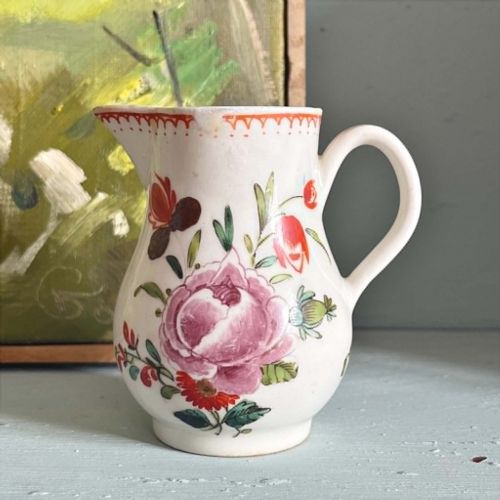
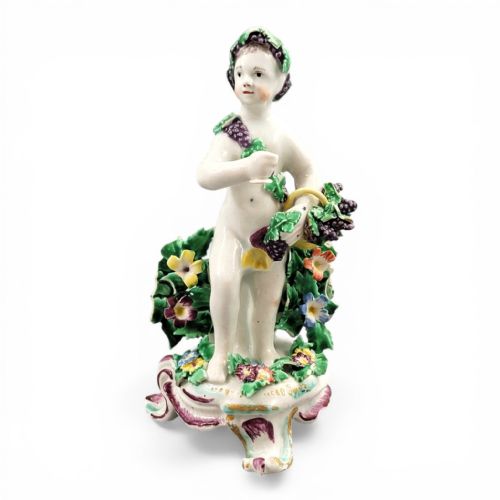
The objects frequently take the form of utilitarian vessels like sparrowbeak creamer jugs, serving dishes, and small fluted sauce boats painted with Chinese figures or floral motifs. Alongside these practical pieces, the factory produced charming figurines of putti, children, and ladies with lambs.
While the core of the available material dates to the seventeen-fifties and seventeen-sixties, later interpretations and unrelated items containing the word bow also appear. Buyers must distinguish between eighteenth-century soft-paste factory output and later nineteenth-century revival vases or furniture with curved glass.
Materials and production methods
The early manufacturers used a soft-paste porcelain body composed of white clay mixed with ground glass and bone ash, which created a warm, slightly translucent substance that absorbed enamel colours softly during firing. Potters shaped these pieces either by throwing them on a wheel or by pressing the clay into plaster moulds to create complex figures and fluted vessels.
Painters decorated the finished biscuit or glazed surfaces using polychrome enamels, underglaze blue, and occasional gilding. Many designs drew direct inspiration from Japanese Kakiemon palettes and Chinese export porcelain, executed with hand-painted brushwork in pastel hues.
Early eighteenth-century potters occasionally added bone ash to their clay mixtures, inadvertently inventing the formula for English bone china.
Factors that determine quality
Completeness and condition heavily separate the exceptional items from damaged survivors, particularly in fragile figural groups with delicate limbs or projecting floral elements. Original factory painting retains a luminous depth that careless restoration or later overpainting obscures.
The Antique Bow Porcelain Glossary
- Soft-paste porcelain
- An artificial ceramic body made from clay, glass, and bone ash fired at lower temperatures than hard-paste porcelain. It possesses a creamy tone and a softer glaze.
- Kakiemon
- A Japanese style of enamel decoration featuring asymmetrical arrangements of birds, flowers, and banded hedges in distinctive bright palettes. Eighteenth-century English factories frequently copied these motifs.
- Bocage
- A background of applied ceramic foliage and leaves surrounding a figure group. This decorative technique appears frequently on mid-eighteenth-century candlesticks and allegorical figures.
- Putto
- A plump, winged male infant depicted in art, often representing cupid or seasonal allegories. Bow modellers used these figures extensively in sets representing the seasons or elements.
- Sparrowbeak
- A small ceramic cream jug featuring a distinctive protruding spout resembling a bird's beak. These jugs date mostly to the mid-eighteenth century.
Antique Bow Porcelain: Frequently Asked Questions
How do I identify genuine bow porcelain?
Examine the body under a strong light to check for the characteristic warm, translucent glow of eighteenth-century soft-paste ceramic. Look for hand-painted polychrome decoration and early potting characteristics rather than modern uniformity.
Many early pieces lack factory marks, so identification relies on paste weight, glaze pooling, and stylistic comparisons with documented examples from the period.
What subjects did the factory model?
The factory produced a wide range of domestic tableware alongside popular decorative figures representing the four seasons, allegorical themes, and children. Chinese and Japanese export patterns heavily influenced the painted decoration on plates and sauce boats.
Figural groups often depicted pastoral scenes, musicians, and putti engaged in seasonal activities like water and land representation.
How should I care for soft-paste figures?
Display these delicate ceramic items away from direct sunlight and areas subject to sudden temperature fluctuations to protect the fragile eighteenth-century soft-paste body. Dust them gently with a soft, dry brush rather than using water or cleaning solutions.
Secure figures firmly on stable surfaces, as their historical bases and applied foliage are exceptionally vulnerable to accidental impacts.
Are all bow items from the 18th century?
The primary historical factory operated mainly during the eighteenth century, producing the soft-paste figures and tableware most collectors seek. However, later nineteenth-century makers and unrelated decorative objects occasionally share keywords in marketplace listings.
Careful inspection of materials, manufacturing techniques, and decorative styles helps separate eighteenth-century factory output from later items.