


Antique Botanical Art Print
These pieces of antique botanical art print material span centuries of delicate illustration, bringing historic studies of flora and fauna directly into modern rooms.
Antique Botanical Art Print
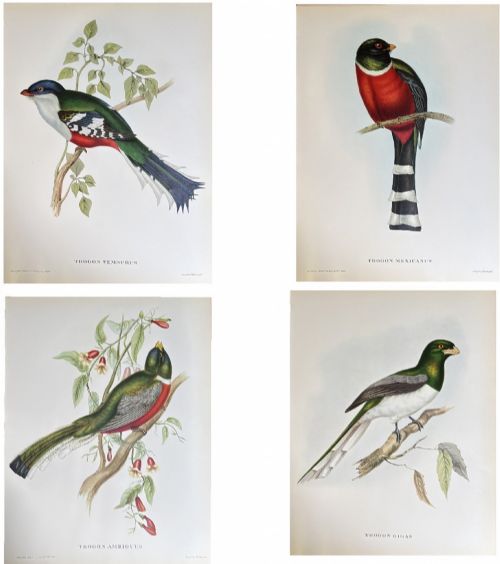
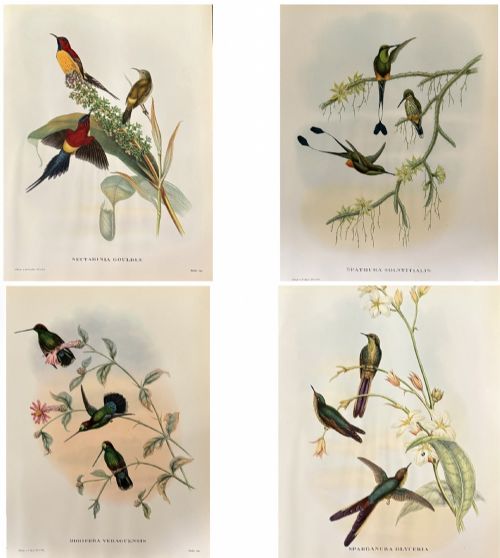
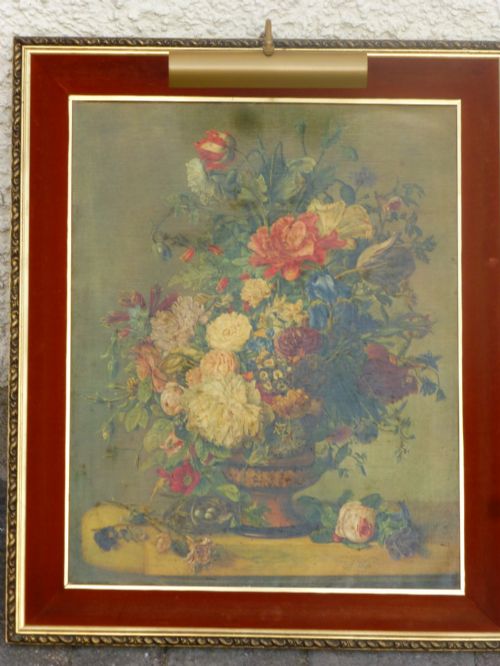
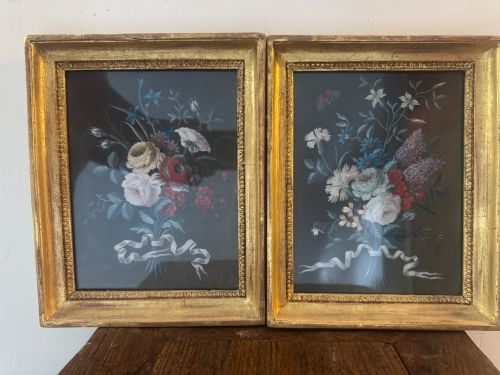
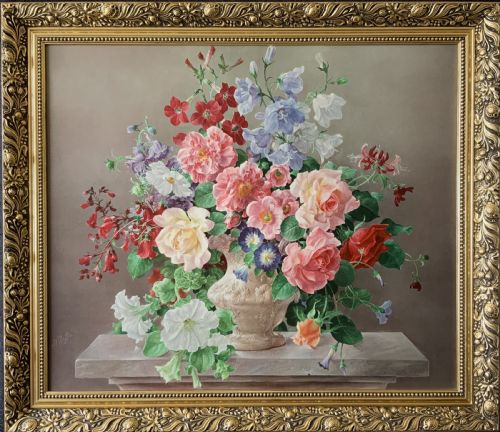
An antique botanical art print encompasses historic illustrations, watercolours, and engravings focused on plants, flowers, birds, and natural history. These works range from single sheet studies to framed sets originating across the eighteenth, nineteenth, and mid-twentieth centuries.
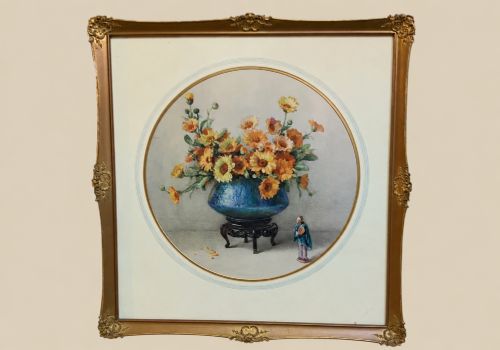
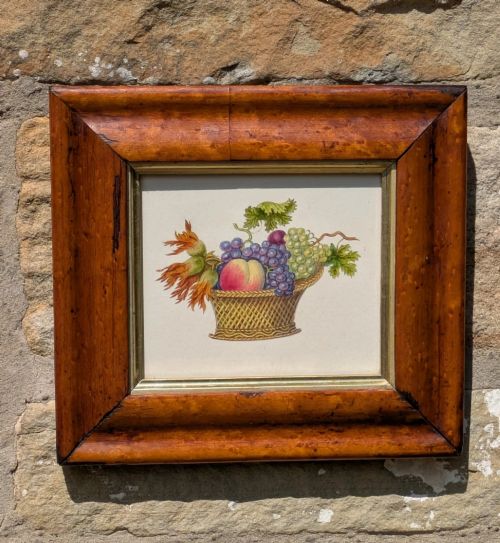
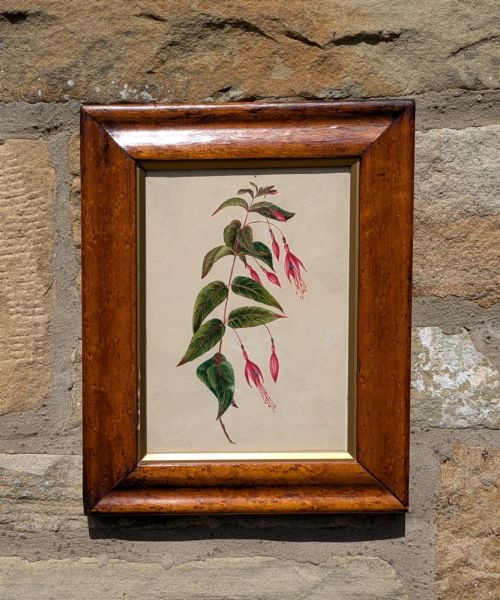
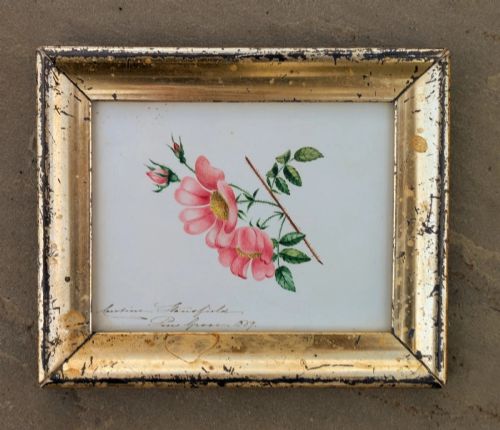
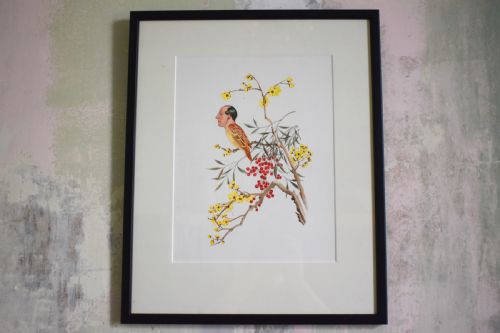
Buyers commonly encounter hand-coloured engravings, lithographs, and delicate watercolours executed on paper. Subjects stretch from meticulous floral studies and fruit arrangements to tropical birds, sea shells, and detailed butterfly illustrations.
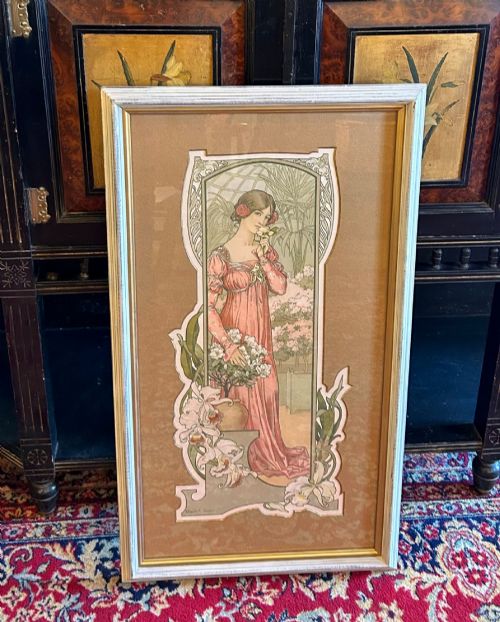
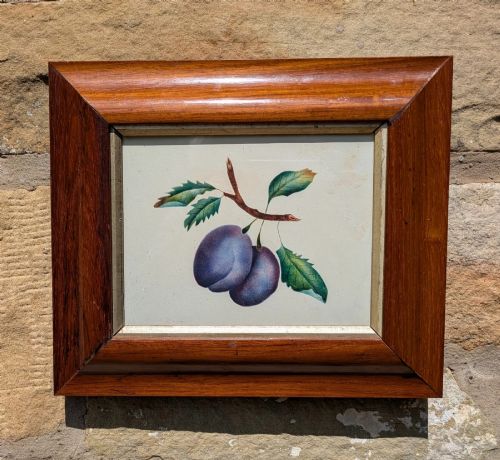
The selection includes pieces framed in wood, gilt wood, and rosewood, alongside unframed prints sold in sets. Origins span English, French, and Italian schools, reflecting diverse publishing houses and individual artists of their respective periods.
How They Were Made
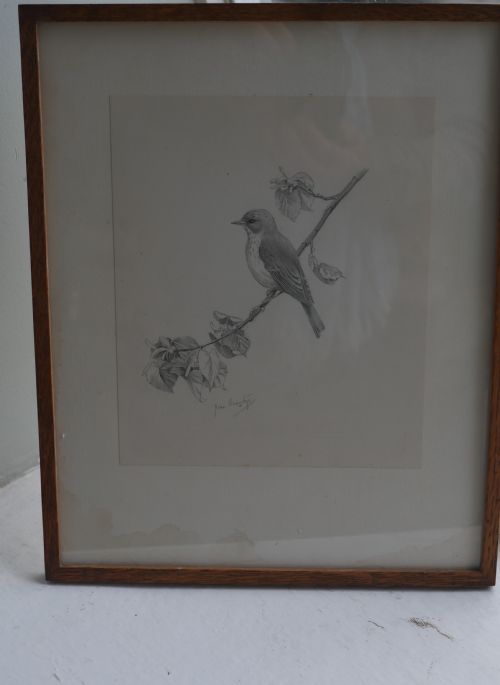
Makers utilised traditional printing techniques such as copperplate engraving and lithography, often applying vibrant watercolour pigments by hand onto high quality paper. Some works combined multiple mediums, blending watercolour, gouache, and pencil on paper or board.
Framing materials included carved pine, gilt wood, and rosewood, protecting delicate paper sheets behind glass. Textile printing blocks and oil paintings on board also appear, demonstrating the broader manual craft behind period wall art.
Periods represented span from the 18th century through Victorian and Regency eras up to the mid-20th century.
What Varies in Quality
The depth of manual hand-colouring separates standard printed sheets from exceptional works, where delicate brushwork enhances every petal and feather. Preservation of the original paper, minimal fading of pigments, and the crispness of the engraved lines define the finer examples.
Complete sets remaining intact from specific publications hold distinct character compared to isolated single sheets. Original period framing, such as rosewood or carved pine frames housing the artwork, elevates the overall integrity of the piece.
Elisabeth Sonrel·Oliver Goldsmith·Simon Pietersz Verelst·Pancrace Bessa·George Edwards·Charlotte Isa James·Arthur Wardle·John Curtis·Margaret Evangeline Wilson·Georg Wolfgang Knorr·William Swainson
The Antique Botanical Art Print Glossary
- Engraving
- A printmaking process where an artist cuts lines into a metal plate to hold ink for transfer onto paper. This technique produced crisp botanical details in many eighteenth and nineteenth-century works.
- Lithography
- A planographic printing method based on the repulsion of oil and water on a limestone or metal surface. This process allowed publishers to produce colourful botanical and ornithological plates efficiently.
- Gouache
- An opaque water-based paint featuring a larger particle size than regular watercolour. Artists utilised gouache to add rich, solid colour and depth to floral and bird studies.
- Hand-coloured
- A finished monochrome print enhanced with manual application of watercolour pigments. This detailed step brought natural history illustrations closer to the true colours of the living specimens.
Antique Botanical Art Print: Frequently Asked Questions
How should I hang antique prints?
Protect delicate paper and watercolours from direct sunlight to prevent fading of the historic pigments over time.
Keep them in rooms with stable humidity levels to preserve both the artwork and the original wooden frames.
Are these prints original period pieces?
The listings comprise authentic works originating from the eighteenth, nineteenth, and mid-twentieth centuries.
Each piece reflects the printing and painting methods typical of its specific era rather than modern reproduction.
How do I identify hand-coloured prints?
Look closely at the colour application under magnification to spot subtle brush strokes left by the colourist. Printed dots of a modern halftone screen will be absent on these historical plates.
The pigment often sits slightly raised on the paper surface where applied by hand.
Can I buy complete sets of prints?
Several listings offer matching sets of botanical studies or tropical bird engravings originally published together.
These grouped pieces provide a cohesive display for gallery walls or study spaces.