

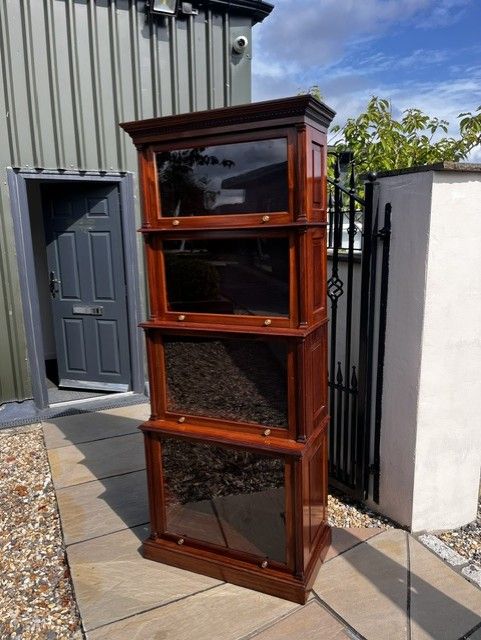
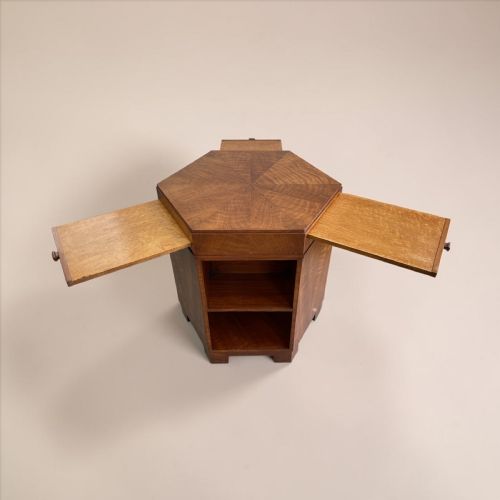

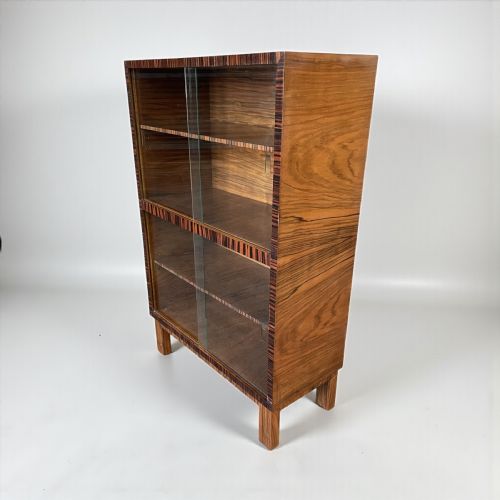


Antique Book Slide
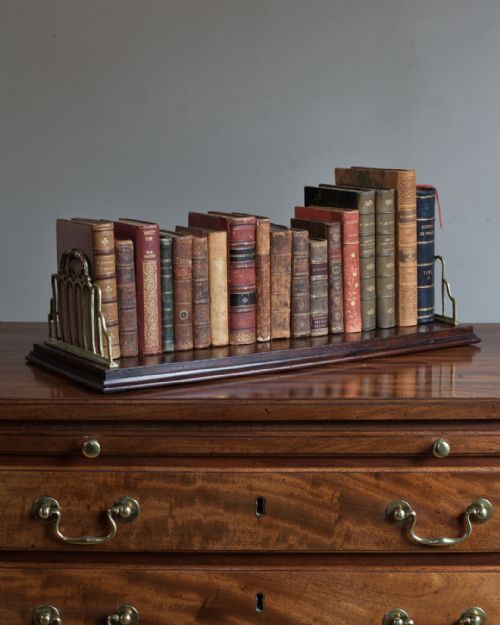
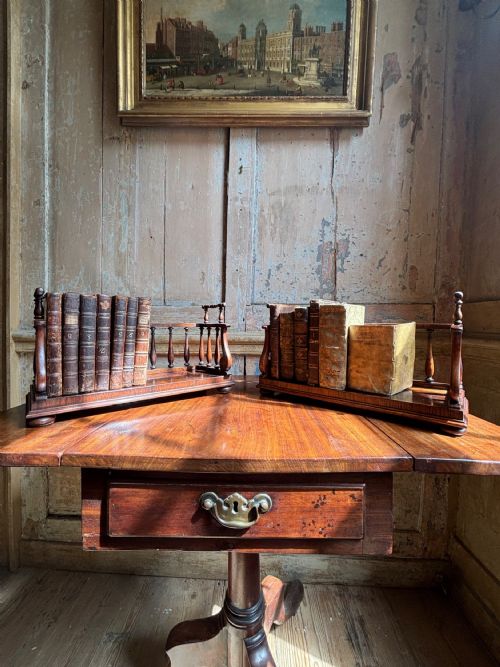
An antique book slide keeps a row of volumes upright on a desk or table while offering a neat mechanical action to expand the shelf room.

Antique Book Slide
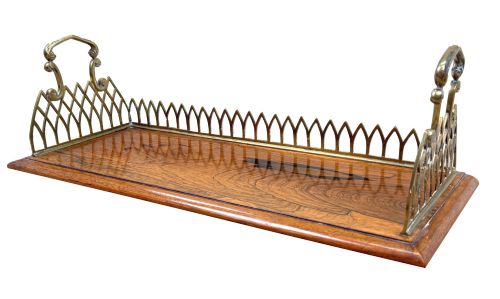
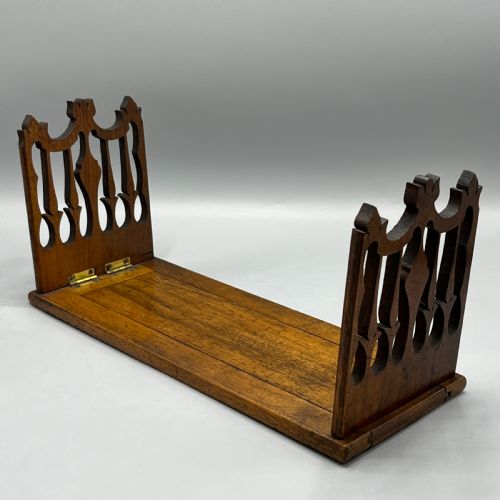
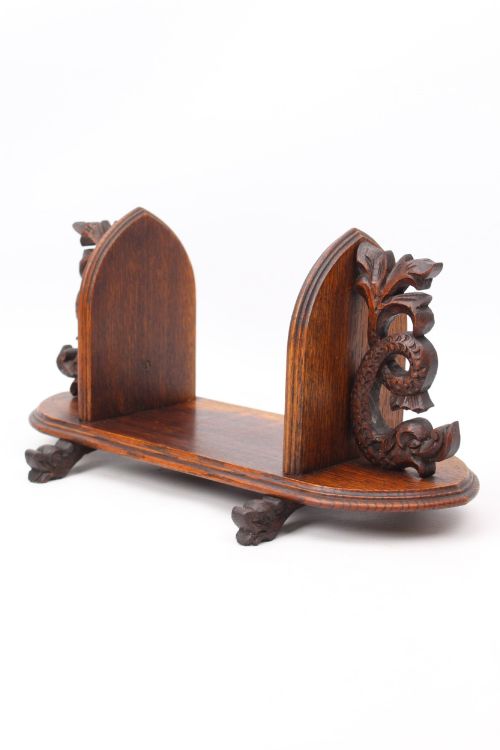
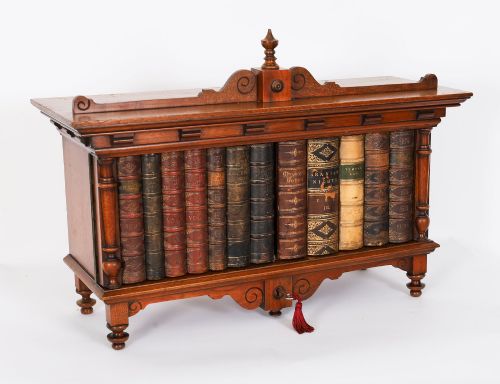
When you search for an antique book slide, you find a desktop accessory designed to hold a manageable selection of volumes upright between two hinged or sliding ends. The pieces appearing on this page span from the nineteenth century into the Edwardian era, taking the form of expanding racks with scissor actions or telescoping wooden bases.
How they were made
Cabinetmakers constructed the wooden bases of these pieces from dense hardwoods like walnut, mahogany, rosewood, and coromandel, sometimes employing ebonised wood or oak. Timber selection determined how well the sliding channels and hinges withstood daily expansion and contraction.
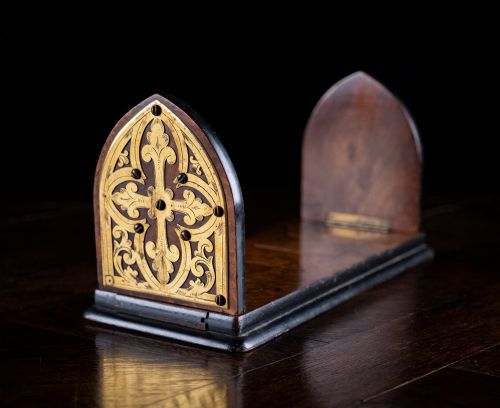
Metal components played a structural and decorative role, with brass hinges, mounts, and patent mechanisms securing the expanding sides. Artisans integrated decorative elements directly into the wood or metal, applying Tunbridge Ware wood mosaics, pietra dura panels, or hand-painted porcelain plaques.
Antique Book Slide Retail Price Guide 2026
Typical asking prices for book slide among the pieces listed under this phrase on Sellingantiques today, from the lower quarter to the upper quarter. They describe what is for sale here now, not the wider market.
The archive records frequent combinations of exotic timbers with brass mounts and porcelain plaques.
What varies in quality
The distinction between standard commercial pieces and finer productions lies in the execution of the mechanical action and the complexity of the materials. Patent mechanisms, particularly those by makers who supplied high-end retailers, operated with a smooth, self-closing action that cheaper variants lacked.
Surface ornamentation also divided the range, moving from plain polished timber to elaborate applications of coromandel, ormolu, Wedgwood plaques, and intricate Tunbridge Ware marquetry. The weight of the brass mounts and the precision of the joinery at the expanding joints mark the standard of the piece.
Betjemann·Gillows·Tiffany and Co·Dreyfous of Paris
The Antique Book Slide Glossary
- Tunbridge Ware
- A form of woodwork originating from Kent, featuring mosaic designs built from thousands of tiny tinted wood blocks to create pictorial scenes. This technique decorated the sides of mid-nineteenth-century desk accessories.
- Pietra dura
- An inlay technique using cut and fitted polished coloured stones to form naturalistic designs. These hardstone plaques often appeared on the upright ends of Victorian library pieces.
- Coromandel
- A dense, heavily figured timber imported from Asia, valued for its rich brown colour and dark streaks. It served as a luxury ground for nineteenth-century desk furniture.
- Patent self-closing
- A mechanical design incorporating springs or levers that automatically drew the bookends inward as volumes were removed. This innovation appeared on mid-Victorian library fittings.
- Gothic Revival
- An architectural and decorative style drawing on medieval forms, characterised by pointed arches and quatrefoil motifs. This style heavily influenced nineteenth-century desk stands and book rests.
Antique Book Slide: Frequently Asked Questions
How do extending book slides work?
Most designs utilise a sliding wooden track or a scissor linkage concealed beneath the base, allowing the two upright ends to move outward and accommodate more volumes. Patent versions often use internal springs to keep tension against the books.
When you push the ends together or pull them apart, the mechanism guides the movement smoothly without binding on the desktop surface.
What woods were used for book slides?
Cabinetmakers primarily used durable hardwoods such as walnut, mahogany, oak, and rosewood for the main bodies. Exotic timbers like coromandel and amboyna appeared on finer pieces.
Ebonised wood and fruitwood also occur frequently, particularly on Victorian and Edwardian examples intended for home libraries.
How do I date a book slide?
Dating relies on the timber choices, decorative styles, and any patent marks stamped into the brass hardware. Mid-nineteenth-century pieces often feature heavy brass mounts and coromandel, while later Victorian and Edwardian examples shift towards simpler oak or walnut forms.
Stylistic cues such as Gothic Revival arches or Art Deco geometric lines provide clear chronological markers.
Were book slides used in offices?
These accessories served primarily in domestic libraries, studies, and drawing rooms rather than commercial counting houses. They kept a working selection of volumes close at hand on a table or writing desk.
Larger versions accommodated heavy reference works, while smaller decorative variants held poetry collections or gift books.