


Antique Bone China Tableware
Antique bone china tableware brings refined British craftsmanship to the dining table, offering elegant porcelain services shaped by centuries of heritage.
Antique Bone China Tableware
When you search for antique bone china tableware, you encounter a sophisticated array of dining and dessert services originating from prominent English potteries and periods.
The selections span from the Regency era through to the Victorian period, Edwardian years, and mid-twentieth-century designs.
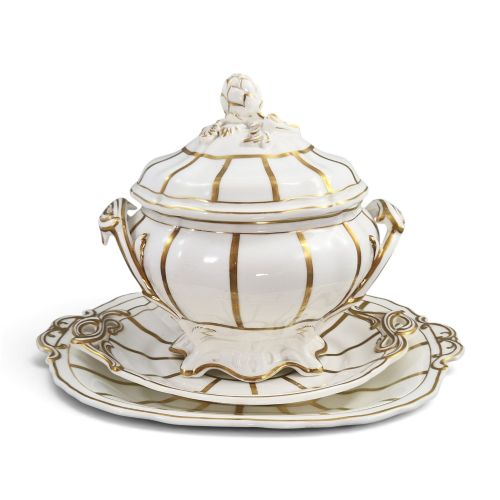
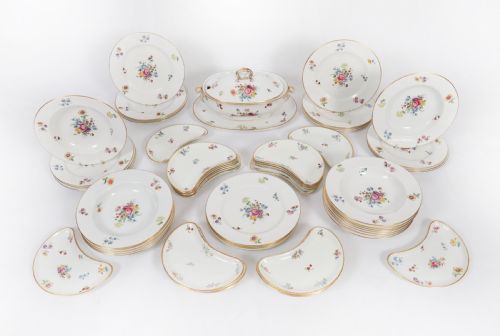
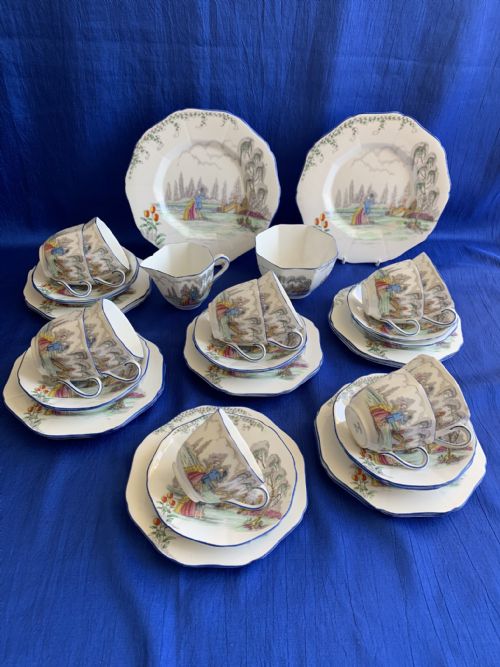
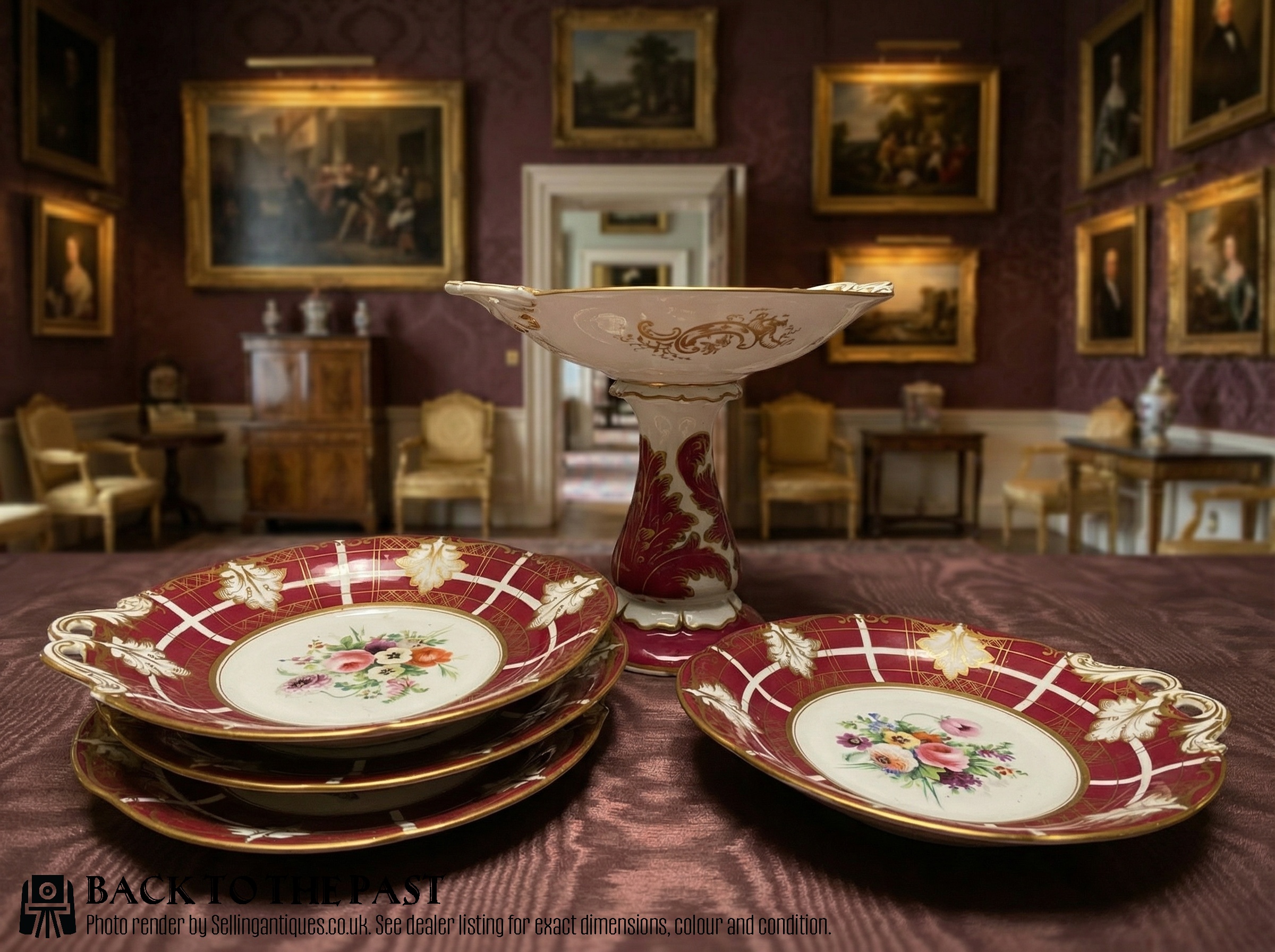
Common forms on this page include dessert plates, serving dishes, sauce tureens, comports, and full dinner or tea services.
How they were made
Potters utilised bone china and porcelain bodies, shaping them into decorative plates, shaped dishes, and tureens.
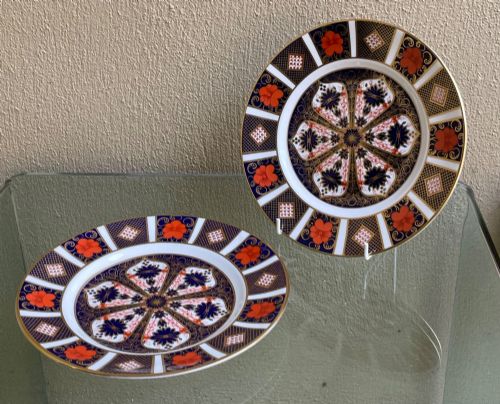
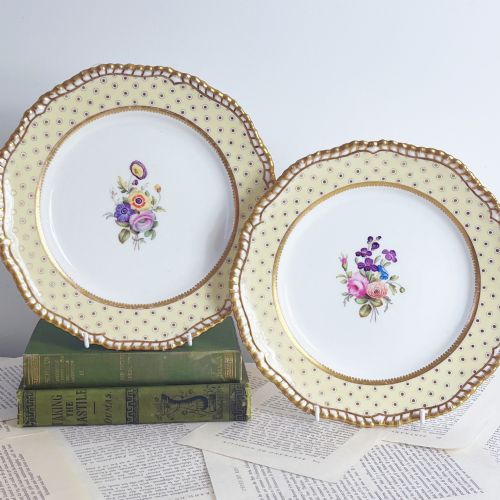
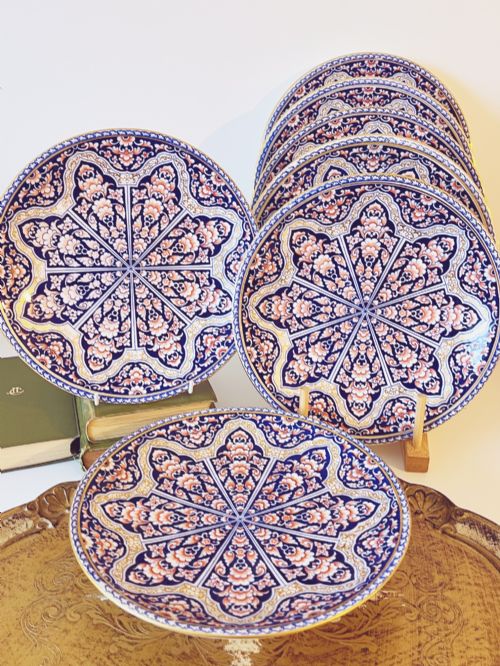
Makers applied hand-painted botanical or patterned decoration, often finished with gilt, gold leaf, enamel, and cobalt enamel highlights.
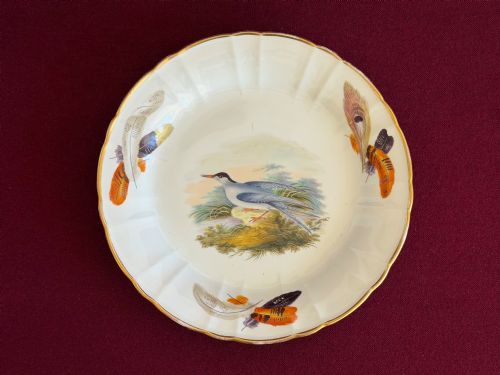
Common Terns find themselves immortalised on Regency plates, proving that nineteenth-century diners appreciated local birdlife alongside their dessert.
What varies in quality
The standard of antique bone china tableware rests on the precision of the hand-painted details and the crispness of the moulded forms.
Pieces featuring intricate cobalt enamel, elaborate gilding, and well-preserved hand-painted scenes represent the finer end of the selection.
Royal Crown Derby·Spode·Wedgwood·Davenport·Copeland·Mintons·Coalport·Doulton·Royal Worcester·Barr Flight and Barr·Gladstone potteries
The Antique Bone China Tableware Glossary
- Bone china
- A type of porcelain incorporating bone ash, producing a strong, translucent body suited to fine dining wares.
- Gilt
- A gold application used to highlight rims, handles, and painted motifs on ceramic surfaces.
- Comport
- A raised dish or bowl traditionally used for serving fruit or sweets as part of a dessert service.
- Imari style
- A decorative scheme inspired by Japanese wares, typically employing iron red, cobalt blue, and gold.
- Tureen
- A deep, covered serving vessel designed for soups, sauces, or gravies.
Antique Bone China Tableware: Frequently Asked Questions
How do I identify Regency bone china?
Regency pieces often display neoclassical motifs, refined shapes, and crisp porcelain bodies characteristic of the early nineteenth century.
Makers from this period include established Worcester works and early Spode productions.
What is a dessert service?
A dessert service comprises matched plates, comports, and serving dishes designed specifically for the final course of a formal meal.
These sets frequently feature hand-painted botanical studies or elaborate gilded borders.
Can I use antique tableware daily?
While these pieces were made for dining, their age and hand-painted or gilded decoration suggest careful handling.
Hand washing preserves the enamel and gold leaf better than mechanical dishwashers.
What distinguishes Victorian services?
Victorian tableware often embraces bolder colours, eclectic revival styles such as Rococo, and extensive gilding.
Large dinner and tea services from this era reflect the expanding scale of formal dining.