




Antique Blush Ivory
Antique blush ivory ceramics bring soft, creamy porcelain tones and delicate hand-painted florals into any room.
Antique Blush Ivory
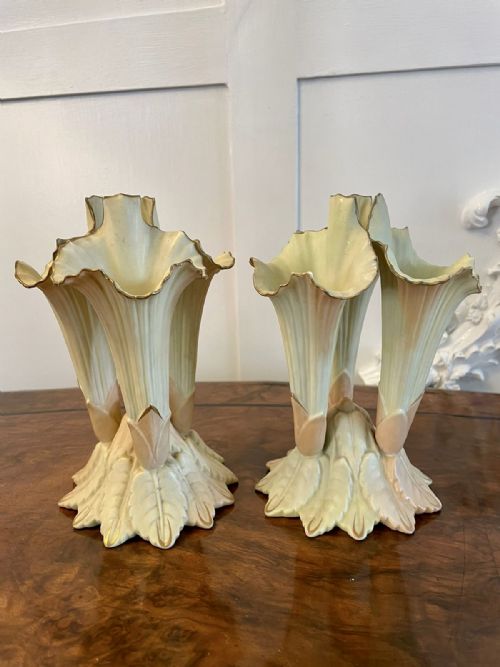
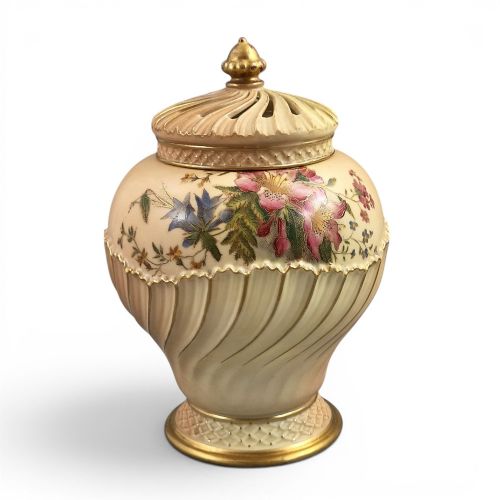
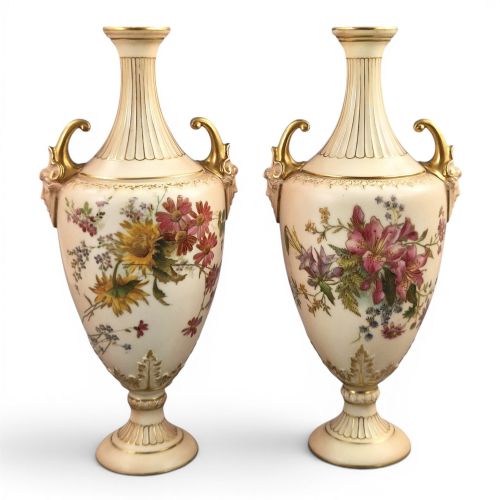
When searching for antique blush ivory, buyers encounter porcelain and earthenware objects produced during the late nineteenth and early twentieth centuries. These pieces originate predominantly from British factories, spanning the Victorian and Edwardian eras up to the nineteen thirties.
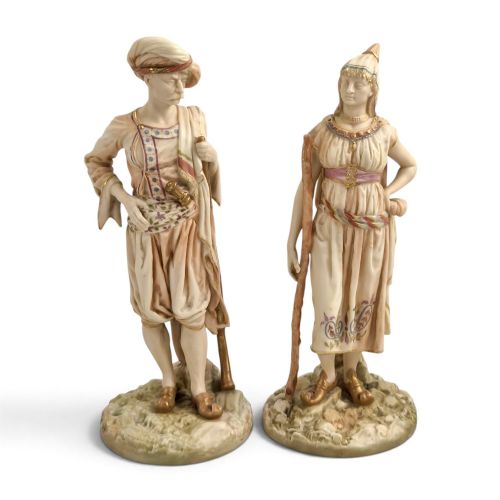
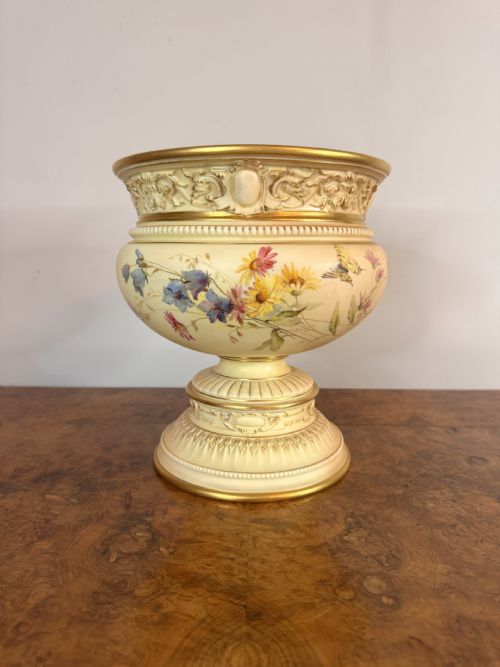
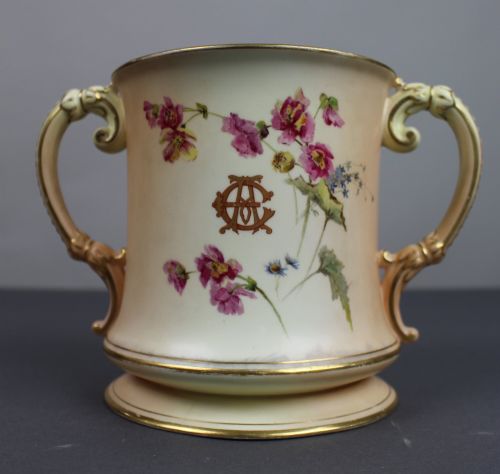
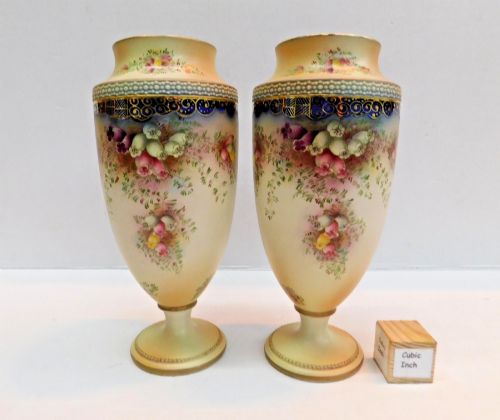
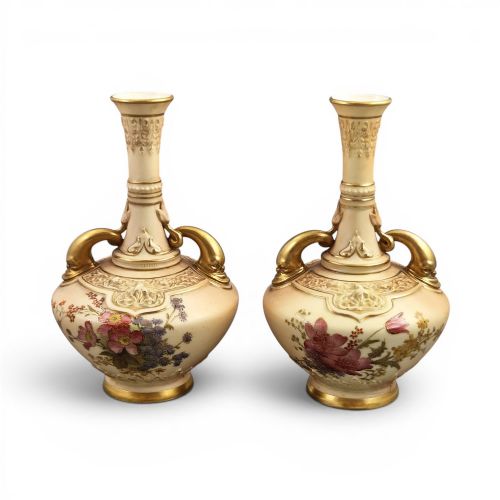
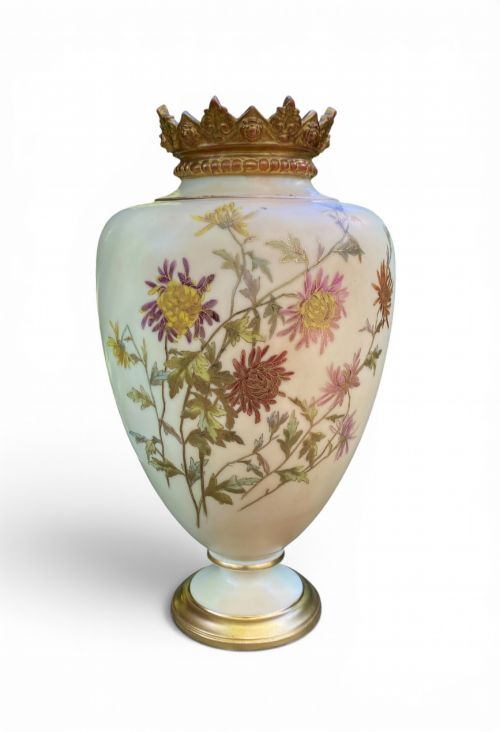
The aesthetic centres on a distinctive soft, tinted glaze that mimics ivory, frequently decorated with subtle floral sprays and gilt highlights. Common forms on this page include vases, ewers, figurines, jardinières, and tea wares.
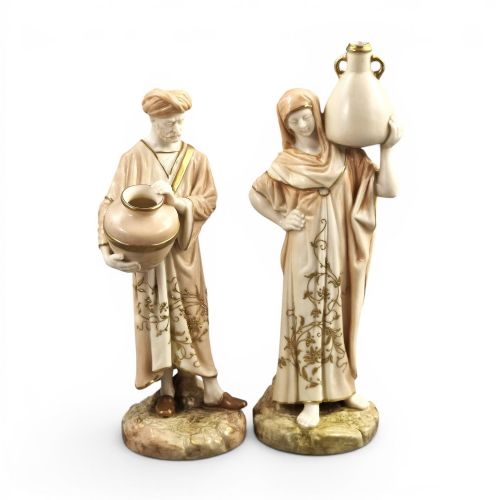
Figurines and decorative vessels often reflect period interests in Orientalism and classical revivalism. Makers such as Royal Worcester dominate the selection, accompanied by works from Carlton Ware, Locke and Co., and Doulton Burslem.
How they were made
Potters shaped these items from porcelain and earthenware, applying a specialised tinted glaze to achieve the signature matte or soft-sheen ivory ground. Artisans then hand-painted floral motifs directly onto the prepared surface.
Many items incorporate applied gold leaf, enamel, and intricate gilding to accentuate handles, rims, and moulded details. Complex forms often feature pierced handles or sculptural figures modelled by studio artists.
Antique Blush Ivory Retail Price Guide 2026
Typical asking prices for blush ivory among the pieces listed under this phrase on Sellingantiques today, from the lower quarter to the upper quarter. They describe what is for sale here now, not the wider market.
Listings feature Victorian and Edwardian ceramics created from porcelain and earthenware.
What varies in quality
The finesse of the hand-painted decoration separates standard production items from superior works of art. Skilled artists achieved delicate shading on floral sprays and detailed expressions on figurative pieces.
Moulding clarity and the application of gold leaf dictate the overall refinement of a piece. Crisp relief work on ewers and vases indicates careful studio execution.
Royal Worcester·Carlton Ware·Locke and Co·Doulton Burslem·Royal Dux
The Antique Blush Ivory Glossary
- Blush ivory
- A soft, creamy ceramic glaze developed during the late nineteenth century to resemble genuine elephant ivory. It provides a subtle matte background for painted floral decoration.
- Ewer
- A large ceramic jug with a wide spout and elaborate handle, historically used for pouring water or displayed purely as an ornamental vessel.
- Jardinière
- An ornamental ceramic pot or stand designed to hold large indoor plants or floral arrangements.
- Gilding
- The application of gold leaf or gold paint to ceramic surfaces. It highlights rims, handles, and moulded decorative details.
- Pot-pourri
- A ceramic jar featuring a pierced cover designed to hold dried scented plant material. These vessels slowly release fragrance into a room.
Antique Blush Ivory: Frequently Asked Questions
How do I care for antique blush ivory?
Dust these ceramic pieces gently with a dry, soft cloth to protect the delicate painted surface and gilt details. Avoid using water or chemical cleaners, which can damage the soft glaze.
Keep items away from direct sunlight to prevent fading of the hand-painted floral pigments over time.
Where were these ceramics made?
Most of these pieces originated in British potteries during the Victorian and Edwardian periods. Regional centres like Worcester produced the majority of the items seen here.
Other manufacturers across Britain contributed specialised earthenware and porcelain wares during the late nineteenth and early twentieth centuries.
How do I identify the date?
Makers often stamped the bases of these ceramics with specific date codes, registration numbers, or factory ciphers. Examining these marks reveals the exact year of production.
Stylistic elements like Victorian classical revival motifs or Edwardian forms also help narrow down the manufacturing decade.
How were ewers used originally?
Ewers functioned as decorative water pitchers, often paired with matching basins for washing hands in period bedchambers. Wealthy households displayed them prominently in reception rooms as ornamental art.
Later pieces served purely decorative roles, showcasing sculptural handles and painted floral scenes.