

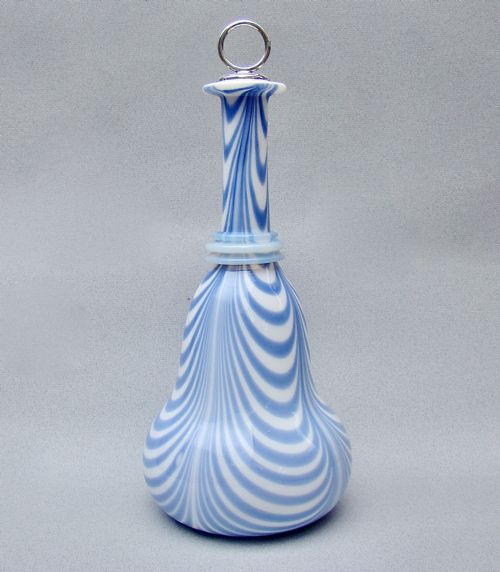


Antique Blue Wine Glass
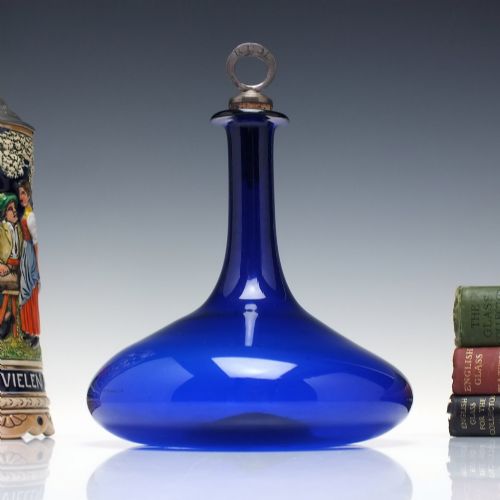
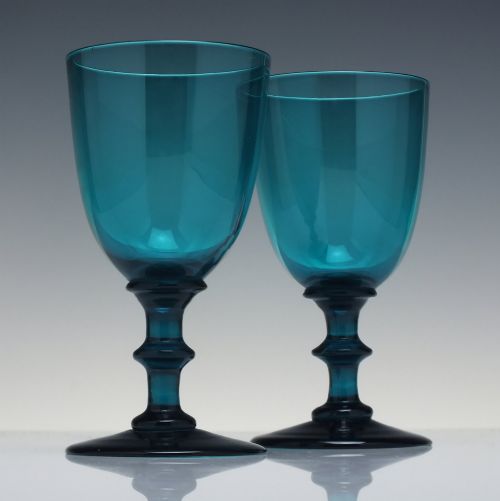
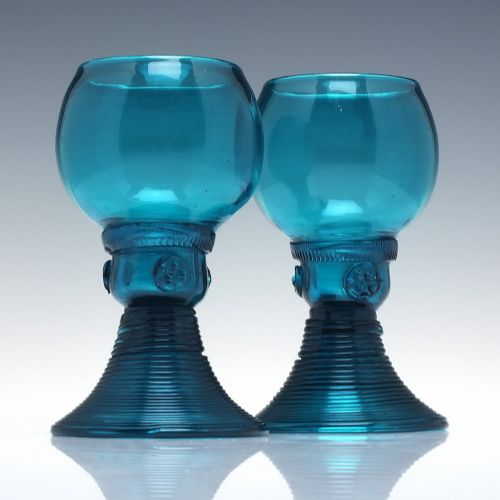
These antique blue wine glass examples bring striking colour to the table, offering rich cobalt and turquoise tones shaped across centuries of British and European glassmaking.
Antique Blue Wine Glass
An antique blue wine glass brings intense colour and historical charm to the table, with examples spanning from the Georgian era through the Victorian period and into the twentieth century. When searching for an antique blue wine glass, buyers encounter diverse forms ranging from single goblets to matched sets in peacock, turquoise, and Bristol blue shades.
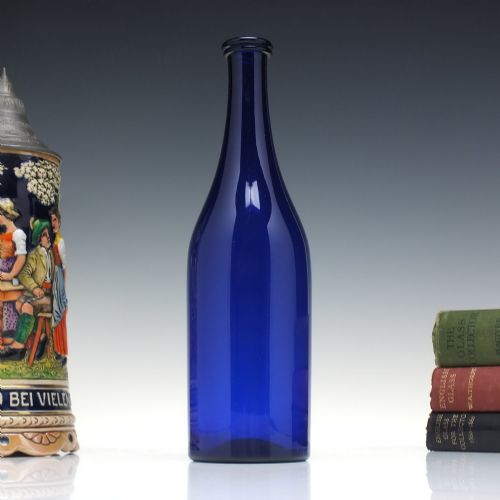
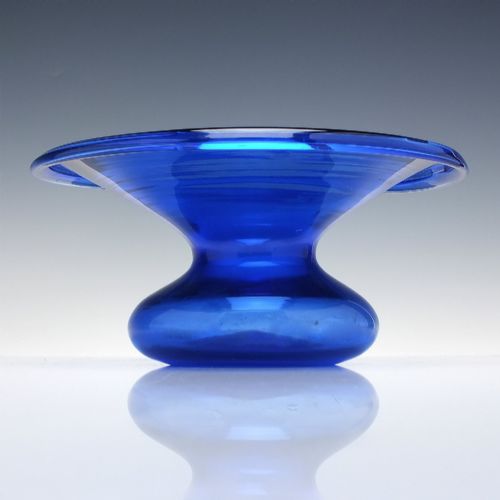
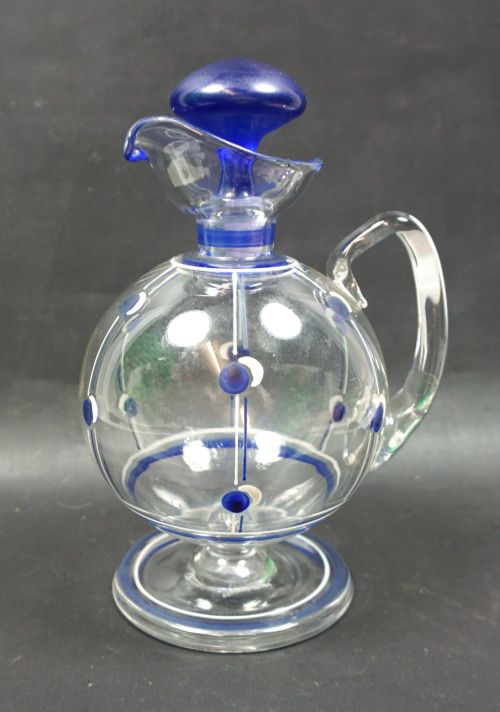
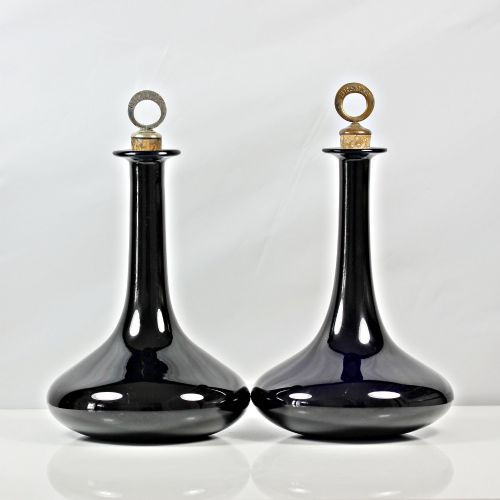
The selection includes tall goblets, hock glasses, and related vessels like decanters and jugs that share the same distinctive blue coloration. Origins stretch across English glasshouses, Scottish makers, and continental centres such as Bohemia, Venice, and Czechoslovakia.
How they were made
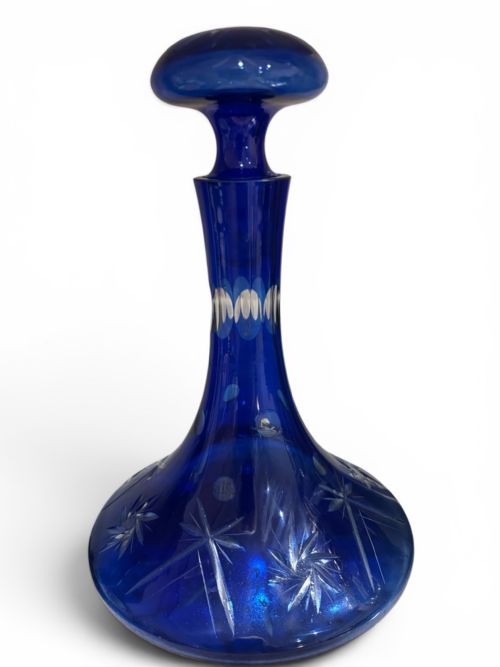
Craftsmen shaped these pieces using blown glass, lead glass, and crystal, often employing techniques like colour overlay where a clear body receives a casing of vibrant blue. Artisans also utilised metal decoration, enamel work, and silver plate mounts, while hollow stems appeared on early nineteenth-century examples to alter weight and visual balance.
The integration of materials is evident in pieces combining cobalt glass with silver necks, or crystal bodies featuring applied blue enamel. Skilled manipulation of molten metal produced the rich hues seen in Bristol blue and peacock glasswares.
Antique Blue Wine Glass Retail Price Guide 2026
Typical asking prices for blue wine glass among the pieces listed under this phrase on Sellingantiques today, from the lower quarter to the upper quarter. They describe what is for sale here now, not the wider market.
Listings feature items spanning the Georgian, Victorian, and Edwardian eras, executed in lead glass, crystal, and cobalt glass.
What varies in quality
Quality rests in the depth and uniformity of the blue glass, the precision of any cut crystal facets, and the integrity of applied decorations such as enamel work or silver mounts. Finer examples display superior clarity within the metal and balanced proportions across stem and bowl.
The refinement of the blowing technique and the crispness of detailing distinguish standard production from exceptional pieces. Consistency in colour saturation and the absence of distracting bubbles or flaws mark the upper tier of these items.
Salviati·Richardson
The Antique Blue Wine Glass Glossary
- Bristol blue
- A deep, vibrant cobalt blue glass traditionally associated with glasshouses in Bristol during the late eighteenth and nineteenth centuries. This intense coloration became a hallmark of quality serving bottles and decanters.
- Lead glass
- Glass containing lead oxide, which increases brilliance, weight, and workability for cutting. It forms the heavy, resonant body of many finer antique wine glasses and decanters.
- Hollow stem
- A stem construction where the interior channel connects the bowl to the foot. This technique appeared on early nineteenth-century wine glasses to alter thermal properties and tactile weight.
- Colour overlay
- A manufacturing method where a layer of coloured glass is fused over a clear crystal core. Subsequent cutting through the outer layer reveals the contrasting clear glass beneath.
- Decanter
- A vessel designed for holding and serving wine, appearing in forms such as mell decanters and flagons. These containers often match the aesthetic of contemporary wine glasses.
Antique Blue Wine Glass: Frequently Asked Questions
How do I date an antique blue wine glass?
Dating relies on stylistic markers, pontil marks on the base, and manufacturing techniques such as lead content and cutting styles. Georgian pieces often display different bowl proportions compared to later Victorian or Edwardian iterations.
Examining the depth of the cobalt or turquoise hue alongside any associated silver mounts helps narrow the period of origin between the early nineteenth and early twentieth centuries.
Are these glasses safe for drinking wine?
Many buyers use their antique glassware for special occasions, though lead crystal and older glass compositions require careful handling. Hand washing in lukewarm water preserves the fragile material and any enamel decoration.
Avoiding sudden temperature changes prevents thermal shock to the historic metal, ensuring the glass remains stable during use.
What is peacock blue glass?
Peacock blue describes a specific, iridescent shade hovering between blue and green, frequently seen on early nineteenth-century English wine glasses. This coloration results from particular metallic oxide combinations added during the melting process.
Pieces in this shade are particularly sought after by collectors focusing on the Regency and Georgian periods.
How do I distinguish Bristol blue from other blues?
Bristol blue is characterised by its rich, dark cobalt saturation that absorbs light deeply while maintaining high transparency. It differs from the lighter turquoise tones found in later Victorian and Edwardian productions.
Authentic pieces often exhibit the weight and hand-blown characteristics typical of nineteenth-century English workshops.