

Antique Blue White Jug
When you search for an antique blue white jug, you open a drawer of centuries of tin glaze, soft paste, and transfer print.
Antique Blue White Jug
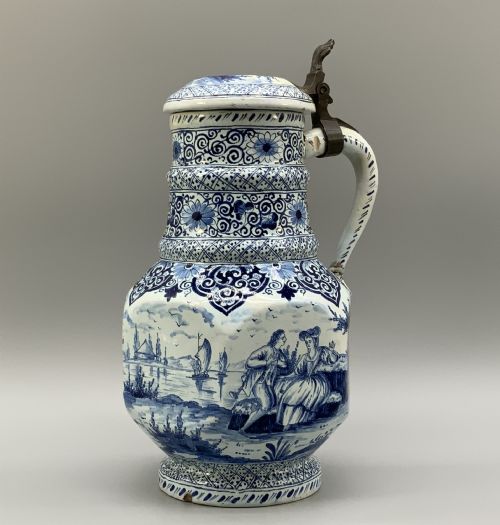
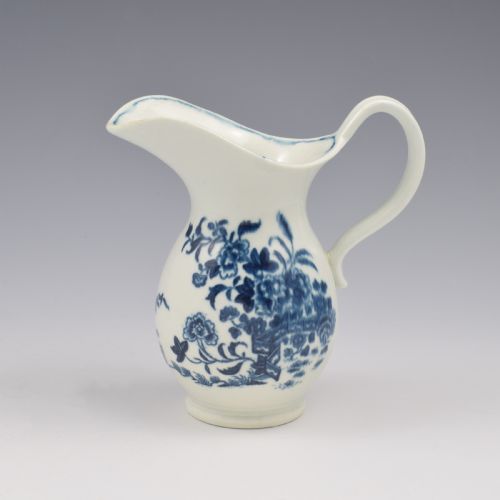
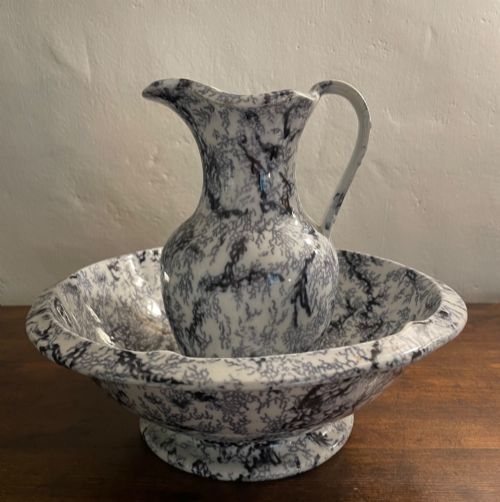
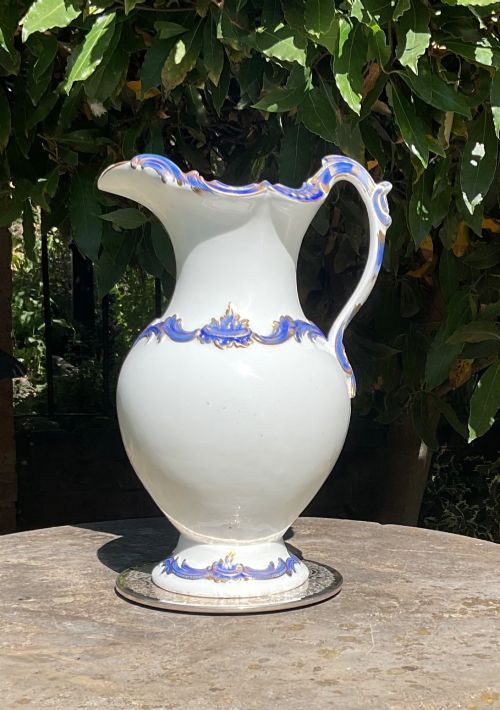
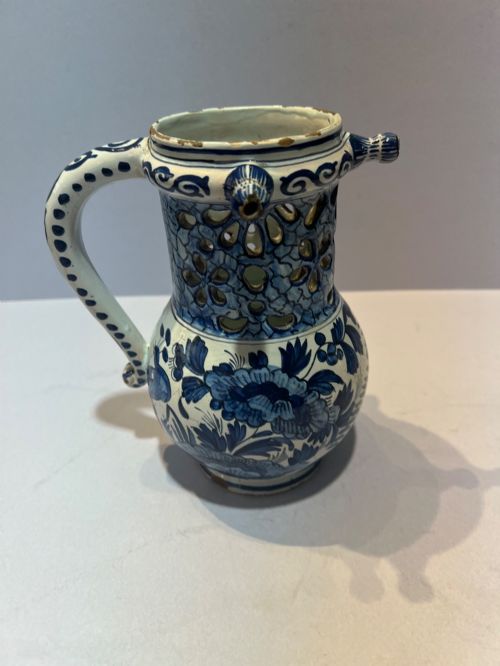
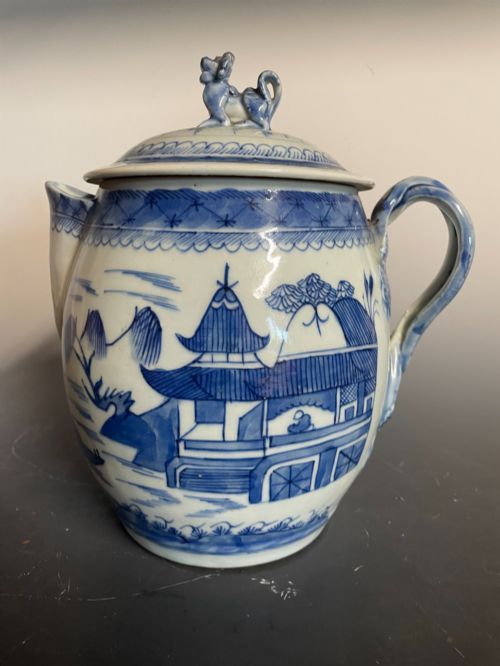
An antique blue white jug spans small porcelain milk ewers from eighteenth-century Worcester and large ironstone water vessels used in Victorian washstand sets. The forms range from simple pitchers and puzzle jugs to elaborate mask head ewers and Toby jugs.
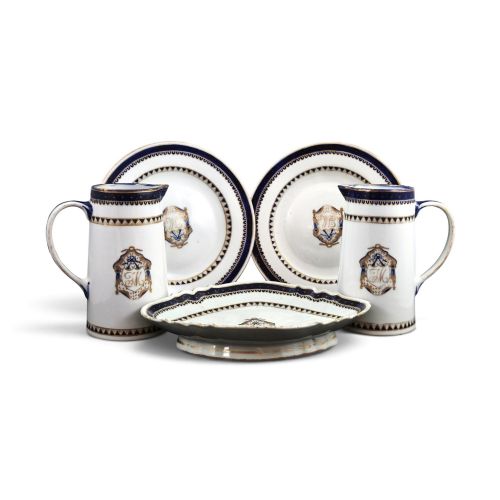
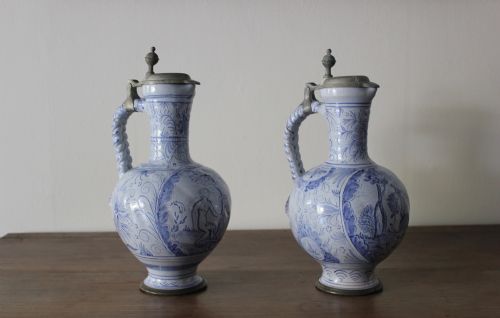
The material origins stretch across English earthenware, Dutch delftware, Chinese export porcelain, and Persian underglaze-painted pottery. Most examples date from the Georgian and Victorian periods, carrying cobalt decoration applied by hand or transfer.
Buyers encounter everything from cabinet-sized creamers to large one-gallon vessels intended for service or bathroom display. These pieces served domestic, table, and toilet functions across generations.
How they were made
Potters shaped earthenware, soft-paste porcelain, ironstone, and tin-glazed delftware on the wheel or in moulds before applying cobalt oxide pigment under the glaze. Firing in kilns fused the blue pigment into the white glaze or body, yielding varied depths of tone.
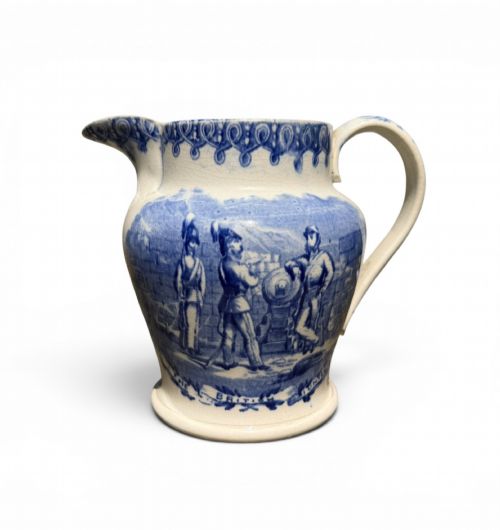
Transfer printing introduced intricate topographical and scenic patterns onto earthenware bodies during the Georgian and Victorian eras, while earlier pieces relied entirely on freehand brushwork in imitation of Chinese imports.
A cheeky eighteenth-century Dutch potter shaped a delft jug into a grinning monkey wearing a jacket, ready to pour wine at the table.
What varies in quality
The crispness of the cobalt painting and the clarity of the white glaze define the visual success of the piece. Finer examples display steady brushwork or sharp transfer details without smudging in the kiln.
The weight, resonance of the ceramic body, and sophistication of moulded elements such as mask spouts or serpent handles separate utilitarian wares from superior factory productions.
Dr Wall Worcester·Minton·Doulton Lambeth·Doulton Burslem·Caughley Coalport·Pieter Verburg·John Rogers and Son·John Meir and Son
The Antique Blue White Jug Glossary
- Tin glaze
- An opaque white glaze containing tin oxide, used on delftware and faience to provide a smooth ground for blue painting. It gives pottery a characteristic milky surface.
- Soft-paste porcelain
- A glassy ceramic composition fired at lower temperatures than hard paste, common in eighteenth-century English factories. It offers a warm, slightly creamy body beneath the glaze.
- Flow blue
- A nineteenth-century transfer-printing technique where lime or ammonia chloride vapours were introduced into the kiln to deliberately blur the cobalt design. This created a rich, hazy effect across the ceramic surface.
- Ironstone
- A heavy, durable feldspathic stoneware patented in the early nineteenth century by Mason's. It resists chipping and served as a robust body for large jugs and basins.
- Kendi
- A globular drinking vessel or ewer originating in Asia, characterised by a bulbous body and a spout without a handle. Persian and Chinese examples were traded extensively to Europe.
Antique Blue White Jug: Frequently Asked Questions
How do I use a washstand set jug?
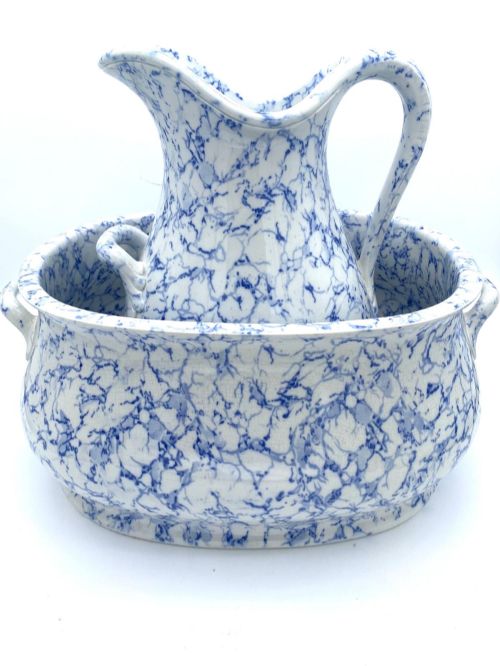
Washstand jugs paired with matching basins to hold water for morning hygiene before indoor plumbing became common. Today they function as decorative floor vases or tall flower containers.
The wide handle and heavy ceramic base make them stable for holding large botanical arrangements.
How do I date a blue and white jug?
Dating relies on body material, glaze characteristics, and potting marks. Soft-paste and tin glaze point to the eighteenth century, while ironstone and flow blue typically indicate the Victorian era.
Factory stamps and registered design numbers provide more precise decades for nineteenth-century productions.
What is a sparrow beak jug?
A sparrow beak jug is a small porcelain milk or cream pitcher with a pinched pouring lip resembling a bird's beak. Eighteenth-century factories produced them for tea service tables.
Their diminutive scale makes them popular among cabinet collectors who focus on early porcelain.