


Antique Worcester Jug
An antique worcester jug brings centuries of English ceramic mastery to a table, combining delicate hand-painted motifs with remarkable potting heritage.
Antique Worcester Jug
When you search for an antique worcester jug, you encounter diverse forms ranging from eighteenth-century soft-paste milk jugs to late-nineteenth-century blush ivory ewers. The pieces on this page span the 18th century, Victorian, Edwardian, and later periods, capturing distinct eras of British ceramic production.
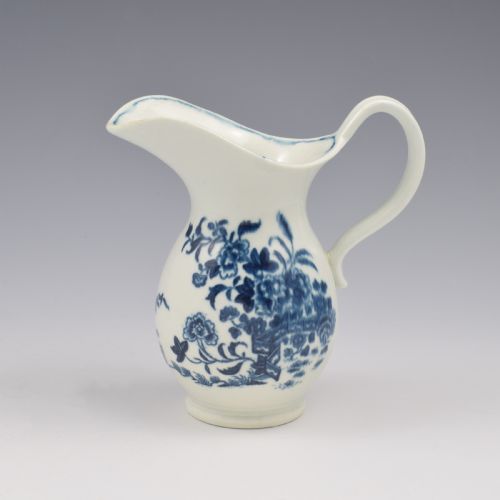
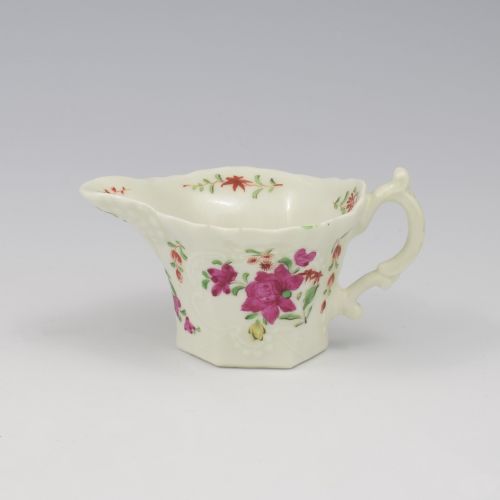
Early examples include delicate sparrow beak cream jugs and hexagonal sauce boats decorated with transfer-printed or hand-painted patterns. Later Victorian and Edwardian iterations tend toward decorative ewers and blush ivory vessels featuring elaborate gilding and naturalistic handles.
Materials and methods
Makers utilised porcelain and soft-paste porcelain as the primary body for these vessels, applying fluid glazes to create smooth surfaces. Painters then added intricate details using enamel colours and gold leaf, incorporating gilding and gold gilt highlights.
The combination of refined clay bodies and skilled brushwork allowed artisans to produce complex forms such as dolphin ewers, mask jugs, and reticulated pitchers. Firing techniques evolved across the periods, resulting in both translucent early paste and sturdy later porcelain.
Some eighteenth-century pieces feature mythical creatures and lamprey handles serving as functional grips.
Distinctions in quality
The distinction between standard production and exceptional work lies in the crispness of the moulding and the execution of the hand-painted decoration. Finer pieces display precise brush control on painted fruit, armorial crests, or intricate patterns without blurring.
The application of gilding and enamel work also defines the grade of a vessel. Superior examples exhibit rich, intact gold leaf and well-defined transfers, while the integration of sculptural elements like lamprey handles or mask spouts shows superior artisan skill.
Dr Wall·Grainger Worcester·Royal Worcester·Chamberlain Worcester
The Antique Worcester Jug Glossary
- Soft-paste porcelain
- An early ceramic composition fired at lower temperatures than hard-paste, producing a warm, creamy body common in eighteenth-century wares.
- Blush ivory
- A matte cream-coloured ceramic ground popular during the late nineteenth century, often decorated with delicate floral sprays and gilt.
- Ewer
- A large jug with a wide spout and curved handle, historically used for pouring water or wine.
- Sparrow beak
- A small eighteenth-century milk or cream jug characterised by a distinctive narrow, pointed pouring lip.
- Gilding
- The application of gold leaf or gold paint to ceramic surfaces to highlight rims, handles, and decorative motifs.
Antique Worcester Jug: Frequently Asked Questions
How do I date an early piece?
Eighteenth-century examples often display specific paste characteristics and underglaze blue marks associated with early factory periods.
Closer inspection of the base reveals potting traits distinct from later Victorian production methods.
What is a sparrow beak jug?
This term describes a small eighteenth-century cream or milk jug featuring a distinctively narrow lip resembling a bird's beak.
These vessels were standard fixtures on Georgian tea tables.
How should I clean my porcelain?
Wash porcelain gently by hand using lukewarm water and mild soap to protect delicate enamel and gold leaf.
Avoid soaking pieces for extended periods, especially older soft-paste bodies.
What distinguishes blush ivory?
Blush ivory refers to a soft, matte cream ceramic ground introduced in the late nineteenth century.
It typically serves as a backdrop for hand-painted wildflowers and gilt detailing.