


Antique Blue White Dishes
These antique blue white dishes bring cobalt pigment and tin glaze together across centuries of domestic and decorative service.
Antique Blue White Dishes
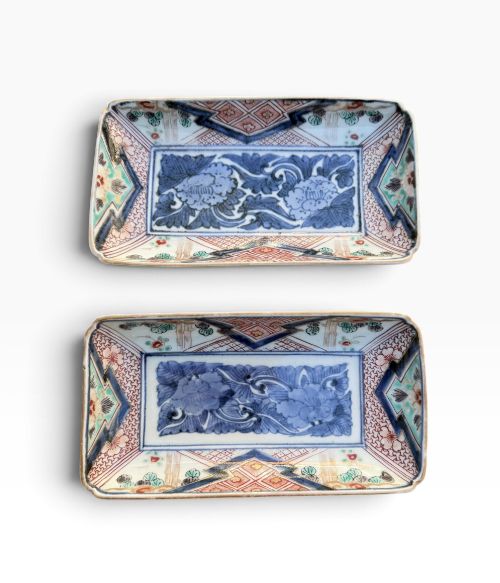
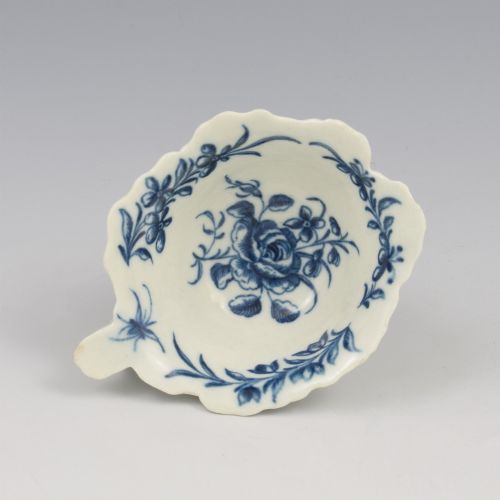
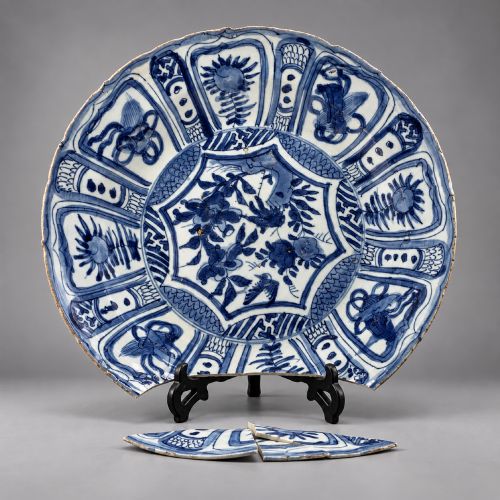
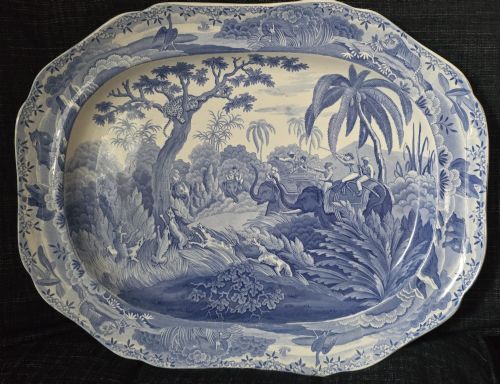
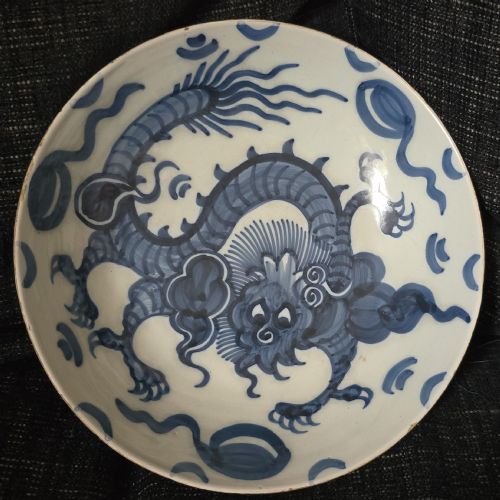
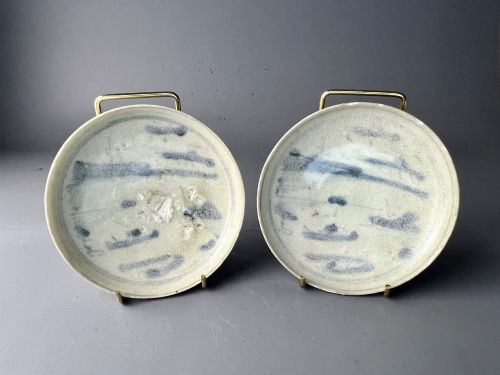
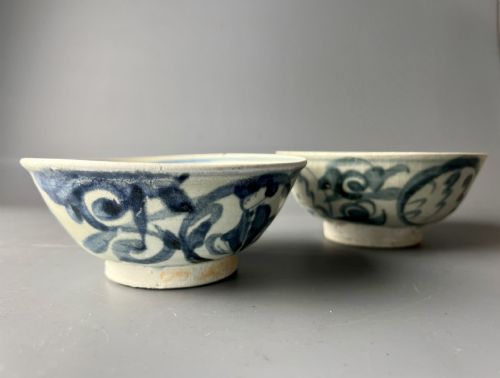
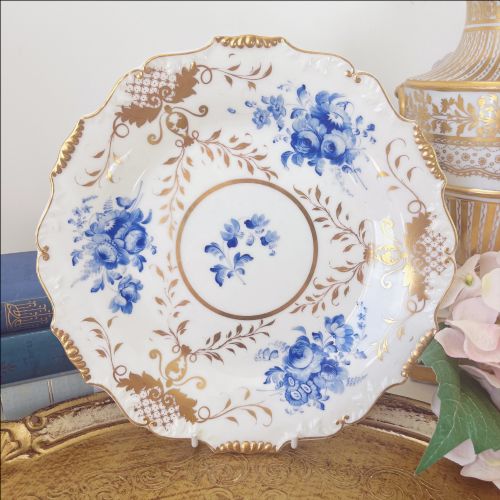
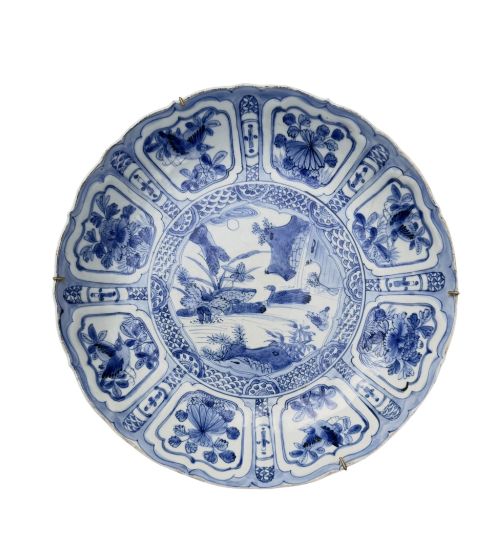
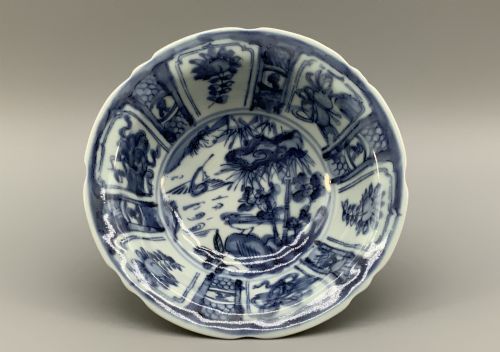
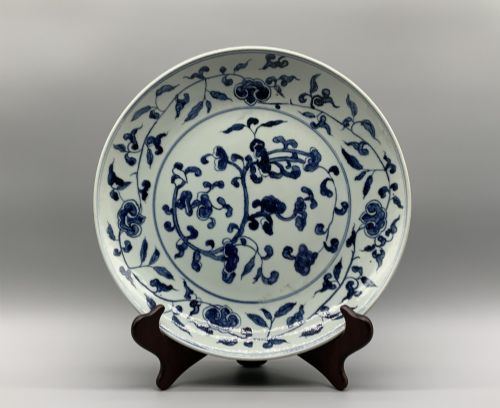
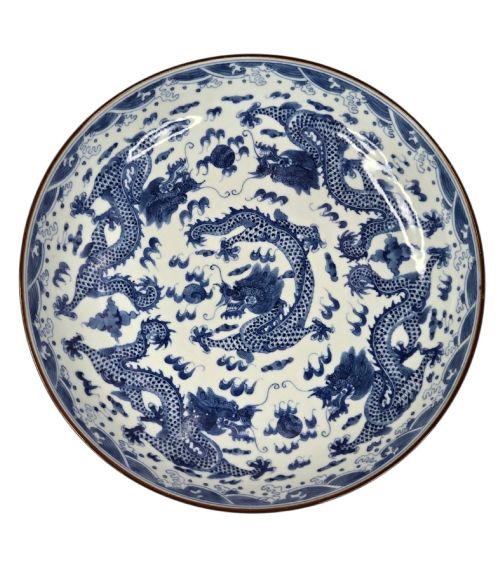
Antique blue white dishes span chargers, serving platters, tureens, and decorative plates originating from English, European, and Asian kilns. The selection leans heavily toward eighteenth-century tin-glazed delftware and nineteenth-century transferware pottery alongside porcelain tablewares.
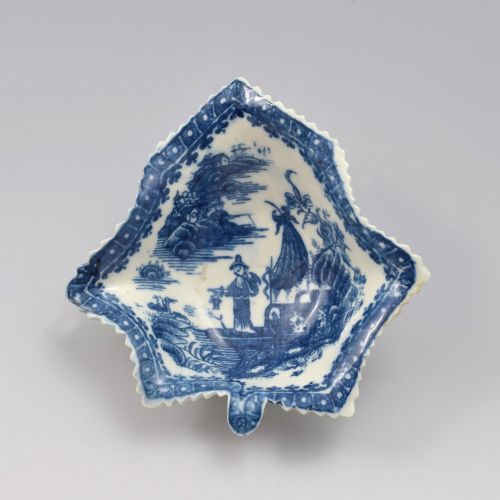
Forms range from small pickle dishes and patty pans to large chargers and vegetable tureens. Makers utilised earthenware, soft-paste porcelain, and ceramic bodies decorated in shades of cobalt underglaze.
The objects reflect distinct stylistic movements, including Dutch Baroque, Qing Dynasty imports, Georgian transfer prints, and Victorian earthenware scenes. Buyers encounter everything from early hand-painted Chinese porcelain to English factory-produced serving vessels.
How they were made
Potters shaped earthenware, ceramic, and soft-paste porcelain bodies on the wheel or in moulds before applying glazes containing tin or cobalt pigment. Artisans then painted motifs by hand or transferred printed designs onto the surface prior to high-temperature firing.
Cobalt pigment provides the characteristic blue tone, fusing with the glaze during the firing process to create durable decoration. Tin glaze creates an opaque white background on earthenware, emulating the appearance of imported oriental porcelain.
Some eighteenth-century artisans painted tiny insects into floral borders just to test if anyone was looking closely at the dinner table.
What varies in quality
Quality rests upon the clarity of the cobalt painting or transfer print against the white ground. Crisp lines and deep cobalt tones separate finer factory or studio output from simpler utilitarian wares.
The refinement of the ceramic body and the smoothness of the glaze also distinguish standard production from exceptional pieces. Superior items display careful modelling in moulded forms and minimal distortion from the kiln firing.
Spode·Caughley·Derby·Davenport·J. & R. Clews
The Antique Blue White Dishes Glossary
- Transferware
- Pottery decorated by applying a printed design from an engraved copper plate onto tissue paper and then onto the ceramic body. This technique allowed factories to produce pictorial scenes in quantity during the Georgian and Victorian periods.
- Tin glaze
- An opaque white glaze containing tin oxide applied to earthenware bodies. It formed the smooth white surface characteristic of delftware and faience.
- Soft-paste porcelain
- A ceramic composition made from white clay mixed with ground glass and other materials rather than true china clay. It was fired at lower temperatures, producing a warm translucent body utilised by eighteenth-century English factories.
- Charger
- A large decorative plate or shallow bowl typically displayed on walls or sideboards rather than used for dining. These substantial vessels often display the most ambitious painted or transferred decoration.
- Cobalt pigment
- A mineral oxide used under the glaze to achieve blue decoration that survives high kiln temperatures without fading. It remains the defining colouring agent for these ceramics.
Antique Blue White Dishes: Frequently Asked Questions
How do I care for antique dishes?
Wash these ceramics gently by hand in warm water using mild soap. Avoid dishwashers and harsh scrubbing pads to protect the historic glaze.
Keep them away from direct sunlight and sudden temperature shifts to prevent crazing in the glaze over time.
Were these dishes used for dining?
Many items functioned as everyday tableware, serving meals, meats, and sauces at the table. Larger chargers and decorated plates served both practical and decorative purposes in wealthy homes.
Deep tureens and vegetable dishes held food during family meals, while smaller pickle dishes and patty pans accommodated specific courses.
How do I identify a transfer print?
Look closely at the surface decoration with a magnifying glass to check for tiny stipple dots or continuous printed lines. Transfer prints repeat the exact same pattern with mechanical precision rather than brush strokes.
Hand-painted pieces show slight variations in brush pressure and pigment pooling where the artist applied the cobalt.
What is the difference between delft and porcelain?
Delftware consists of a porous earthenware body covered in an opaque white tin glaze. It feels slightly softer and heavier than true porcelain.
Porcelain utilises a refined ceramic mixture fired to vitrification, resulting in a dense, resonant, and sometimes translucent body.