

Antique Blue Water Pitcher
An antique blue water pitcher brings together centuries of ceramic skill and cobalt pigment, offering a functional vessel that doubles as a striking decorative centrepiece.
Antique Blue Water Pitcher
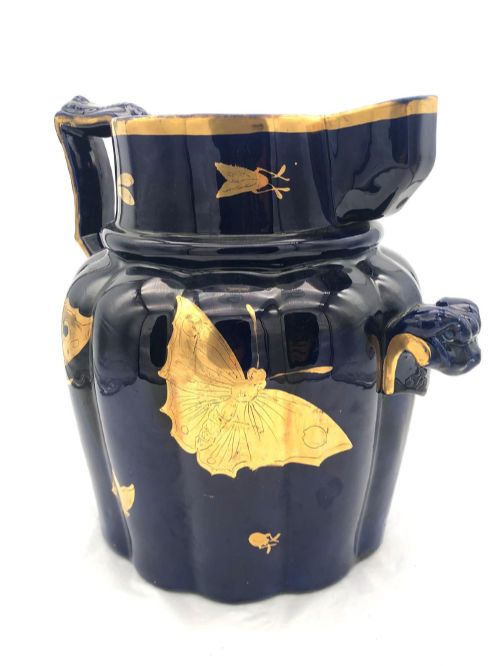
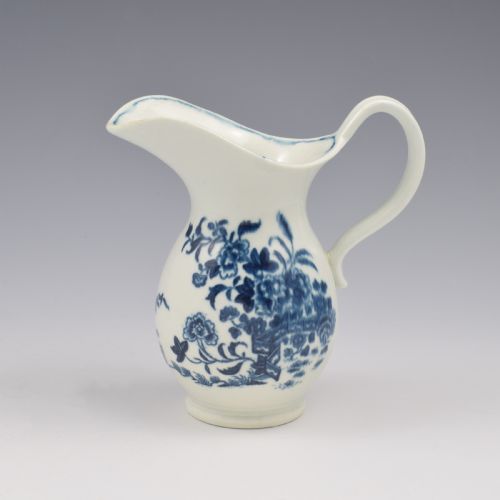
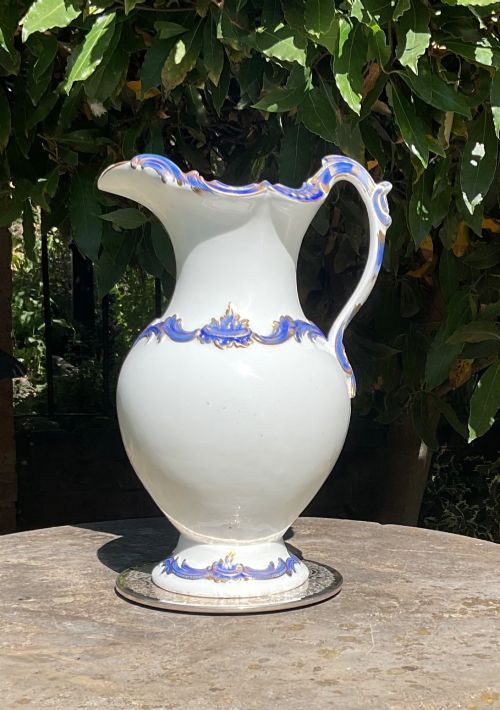
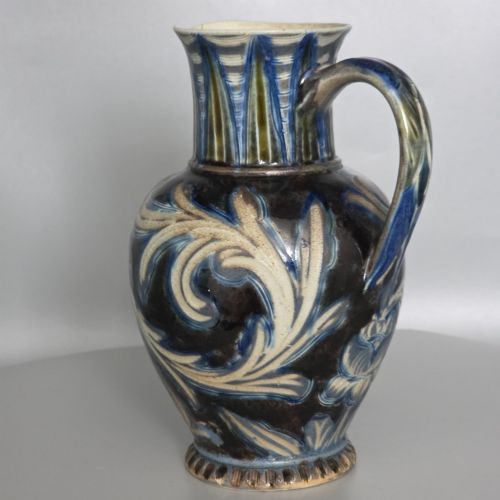
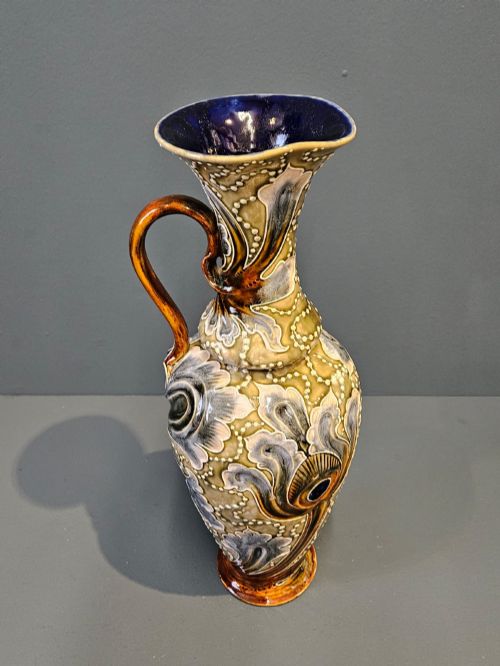
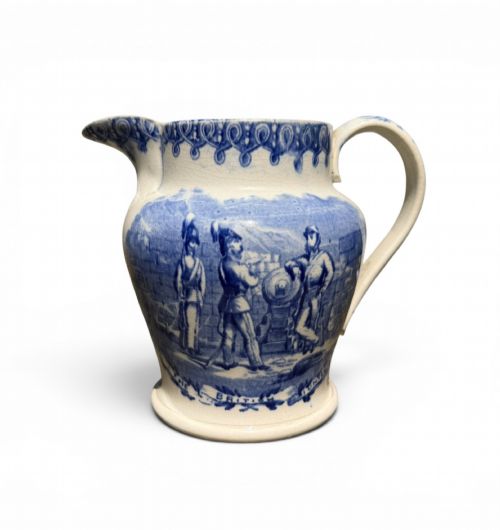
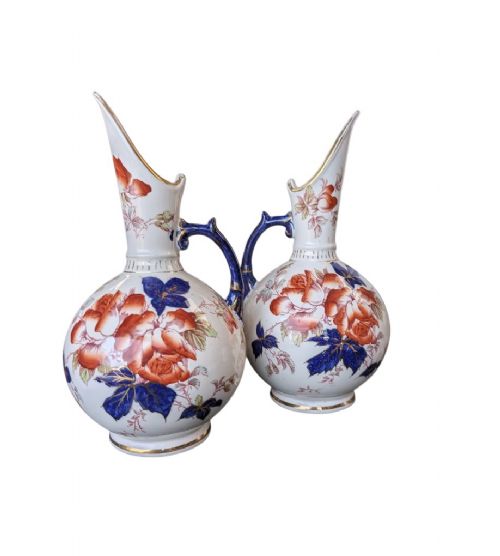
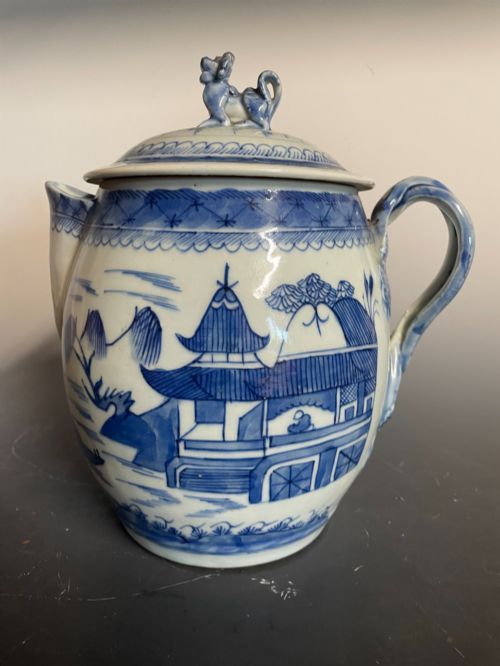
An antique blue water pitcher encompasses a wide variety of ceramic and pottery vessels, spanning from seventeenth-century Dutch Delft and Safavid kenedis to nineteenth-century Victorian ironstone and porcelain examples. Buyers will frequently encounter earthenware and ironstone jugs adorned with transfer-printed blue patterns, alongside robust salt-glazed stoneware ewers.
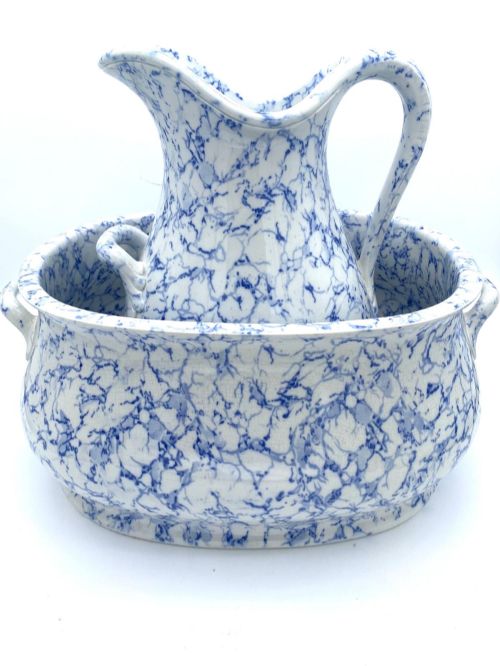
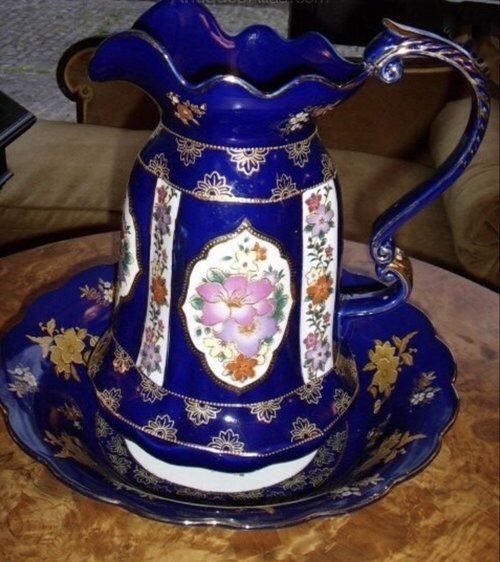
The selection ranges from large one-gallon vessels intended for washstand sets to smaller decorative jugs and pouring ewers. Many originate from renowned British factories such as Minton, Doulton, and Mason's, while others reflect international influences including Chinese Qing dynasty porcelain and Japanese Imari styles.
Dating primarily from the Georgian and Victorian eras, these pitchers served practical roles in domestic hydration and washing before evolving into display pieces. Their enduring appeal lies in the depth of the blue glaze and the variety of regional potting traditions represented.
How they were made
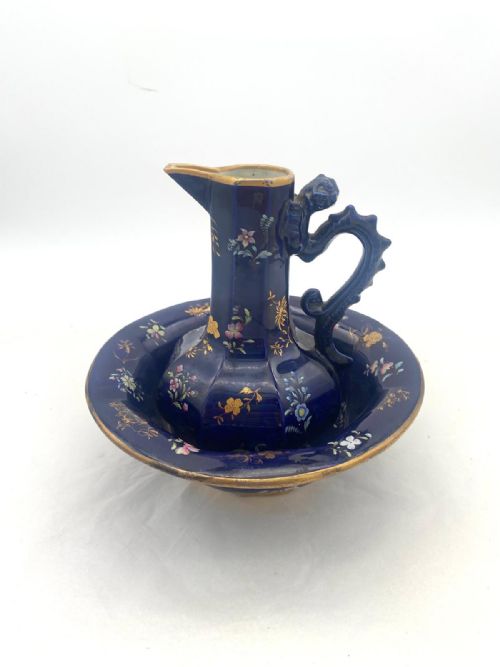
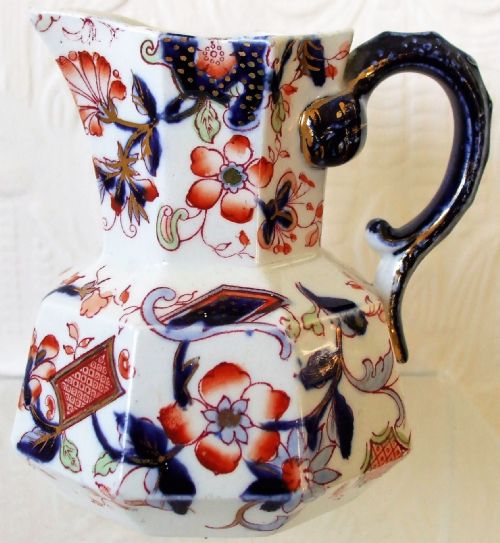
Makers utilised earthenwares, stonewares, ironstone, and porcelain, shaping them on the potter's wheel or moulding them into octagonal and figurative forms such as the hydra jug. Surface decoration relied heavily on underglaze cobalt blue painting, transfer printing, and flow blue techniques that allowed the pigment to blur softly into the surrounding glaze.
Specialised techniques included salt glazing, where salt introduced during the kiln firing created a textured orange-peel surface, and the application of enamel highlights or gold leaf. Artisans also produced Parian ware bisquely fired pieces and intricate hand-engraved glass bodies.
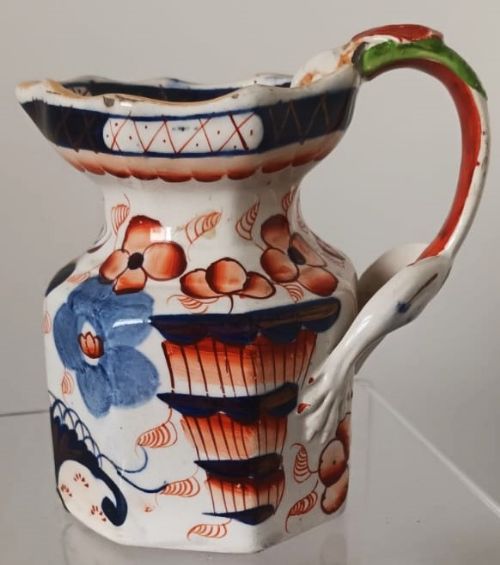
Some nineteenth-century makers fashioned jugs with whimsical lizard handles, proving that even a morning wash could have a touch of reptile charm.
What varies in quality
The distinction between standard utility items and superior examples rests upon the crispness of the transfer print or the finesse of the hand-painted underglaze brushwork. Well-defined mouldings, balanced proportions, and the depth of the cobalt hue separate ordinary production from distinguished studio output.
Makers' marks and attribution to notable designers or specific factories significantly elevate the standing of a piece. The preservation of the glaze without excessive crazing or firing flaws also determines the overall desirability of the vessel.
Minton·Doulton Lambeth·Mason's Ironstone·Keeling And Co·Davenport·Lobmeyr·Emma Shute·Dr Christopher Dresser
The Antique Blue Water Pitcher Glossary
- Ironstone
- A dense, durable type of earthenware patented in the nineteenth century to rival true porcelain. It provided a sturdy body for heavy kitchen and tableware.
- Flow Blue
- A nineteenth-century ceramic technique where lime or ammonia gas was introduced into the kiln during firing, causing the cobalt blue design to blur softly into the white glaze.
- Kendi
- A globular drinking vessel with a spout and no handle, originating in Asia and traded widely through Islamic and European markets from the seventeenth century.
- Salt Glaze
- A pottery finish achieved by throwing common salt into the kiln at peak temperature, producing a characteristic pitted, glossy texture akin to an orange peel.
- Hydra Jug
- A classical revival ceramic form featuring a serpentine handle and distinctively flared rim, popular among early nineteenth-century English potteries.
Antique Blue Water Pitcher: Frequently Asked Questions
What is an antique blue water pitcher used for?
These vessels originally served practical domestic purposes, functioning as functional pitchers for holding water at the table or as part of larger washstand basin sets in bedrooms.
Over time, their decorative qualities took precedence, and today they are predominantly collected and displayed as ornamental works of ceramic art.
How do I date a blue and white pitcher?
Dating relies on examining the ceramic body, glaze characteristics, and any factory stamps or registry marks found on the base. Stylistic cues such as Georgian shapes or Victorian transfer patterns provide further chronological context.
Comparing the manufacturing technique against known historical periods helps narrow down the decade of production.
Are these pitchers safe for holding water?
While many of these vessels were constructed for liquid use, older earthenware and ironstone can develop internal hairline cracks or porous glaze over centuries. It is generally advisable to treat antique ceramics as display pieces rather than for daily beverage service.
Gentle cleaning with warm water suffices for maintenance without risking the historic glaze.
What is the difference between ironstone and porcelain?
Ironstone is a heavy, opaque earthenware developed for durability, offering a thick and sturdy wall suitable for everyday domestic utility. Porcelain is a finer, vitrified ceramic that is typically thinner, harder, and sometimes translucent when held to the light.
Both materials readily accepted the deep blue glazes seen across many historic pieces.