
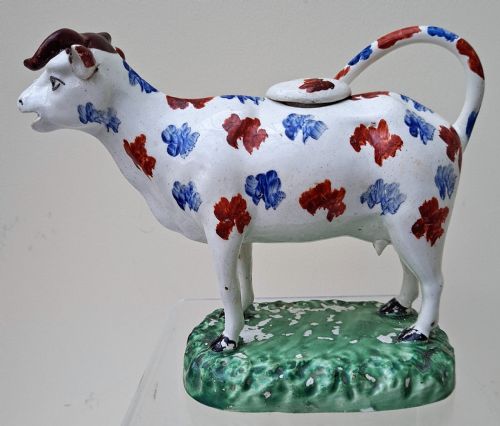


Georgian Blue White Pitcher
A georgian blue white pitcher brings eighteenth and nineteenth-century ceramic artistry into daily use with rich cobalt decoration.
Georgian Blue White Pitcher
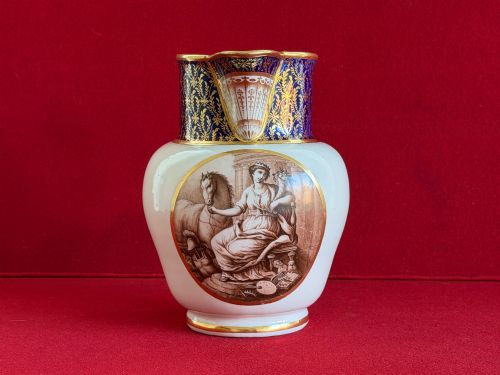
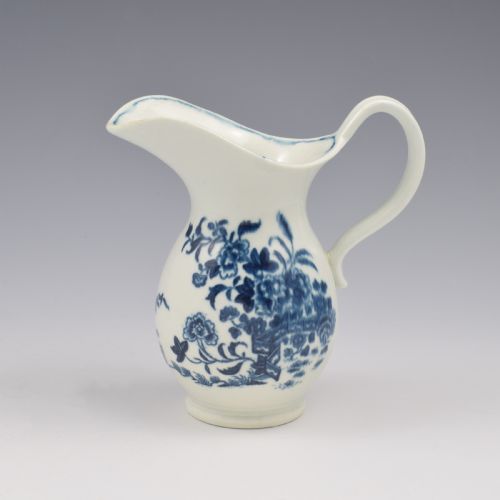
A georgian blue white pitcher spans functional tableware and decorative jugs created during the eighteenth and nineteenth centuries. Buyers encounter forms ranging from sparrow beak milk jugs and mask head ewers to large pottery jugs featuring scenic transfer prints.
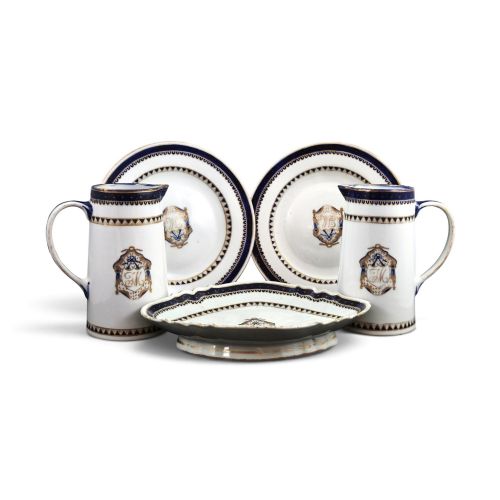
The selection includes porcelain tableware, soft-paste porcelain, and earthenware pieces originating from English potteries and export kilns. Collectors meet traditional Chinese Export services alongside Welsh folk art and Worcester porcelain.
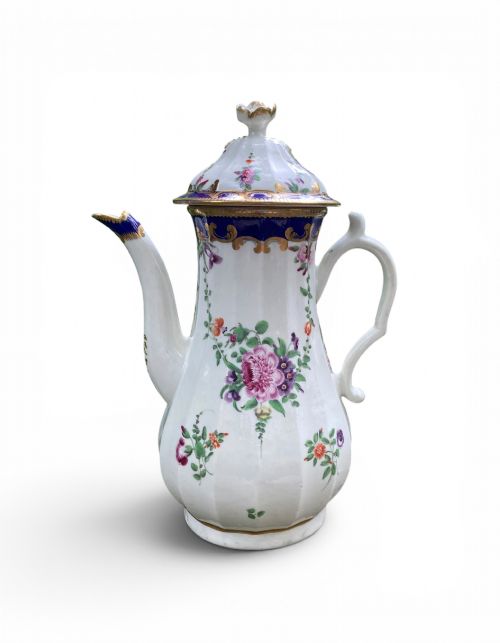
Makers and factories of the period produced vessels for coffee, cream, water, and milk, often employing cobalt glaze and enamel highlights. These items reflect the domestic habits and dining customs of the Georgian era.
How they were made
Potters utilised materials such as soft-paste porcelain, earthenware, and English delftware to shape these vessels on the wheel or in moulds. Cobalt glaze and enamel colours were applied by hand before firing in kilns.
Transfer printing technology allowed complex architectural and scenic views, such as the Boston State House, to be transferred onto the ceramic body. Gilding with gold leaf occasionally finished the finer porcelain tableware.
Listings feature porcelain, earthenware, and soft-paste porcelain from the eighteenth century, the Georgian period, and around eighteen hundred.
What varies in quality
Quality rests upon the crispness of the cobalt glaze application and the precision of the hand-painted or transfer-printed decoration. Finer pieces demonstrate superior potting skill in complex modelled forms like mask heads and animal shapes.
The choice of body material, from delicate soft-paste porcelain to robust earthenware, distinguishes domestic utility wares from elite collector pieces.
Dr Wall Worcester·Caughley Coalport·John Rogers and Son
The Georgian Blue White Pitcher Glossary
- Cobalt Glaze
- A deep blue metallic oxide glaze applied to ceramics before firing to create rich blue and white designs. It reacts to high kiln temperatures to produce varied tones.
- Soft-paste Porcelain
- A ceramic composition containing glass frit and white clay, fired at lower temperatures than hard-paste porcelain. This body was common in eighteenth-century English factories.
- Transfer Printing
- A technique of transferring an engraved design from a copper plate onto paper and then onto the ceramic surface. This allowed detailed scenes to be replicated consistently.
- Delftware
- Tin-glazed earthenware produced in England, known for its opaque white surface and painted blue decoration. It often displays vibrant colours and characteristic glaze pooling.
Georgian Blue White Pitcher: Frequently Asked Questions
How do I date an antique pitcher?
Dating relies on stylistic clues, ceramic bodies, and manufacturing techniques recorded in the piece. Soft-paste porcelain and hand-painted cobalt often point to the eighteenth century.
Later transfer-printed pottery featuring specific architectural views usually dates towards the early nineteenth century and the Georgian period.
What is a sparrow beak jug?
A sparrow beak jug is a small porcelain milk or cream jug with a pinched lip resembling a bird's beak. These small vessels were standard on eighteenth-century tea tables.
Their compact form made them ideal for serving individual portions of milk during tea service.
How were blue and white jugs used?
These vessels served practical roles on the dining table, holding milk, cream, water, or coffee. Large examples held up to a gallon for household service.
Smaller decorative jugs and creamers complemented matching porcelain tableware services during formal meals.
Can I use these pitchers daily?
Most antique earthenware and porcelain pieces require careful handling rather than heavy daily use. Delicate soft-paste bodies and historic glazes are sensitive to modern dishwashers.
Gentle hand washing preserves the cobalt glaze and enamel highlights for display and occasional service.