

Blue Floral Ceramic Jug
A blue floral ceramic jug brings domestic utility and bright botanical decoration together in earthenware, porcelain and tin-glazed pottery.
Blue Floral Ceramic Jug
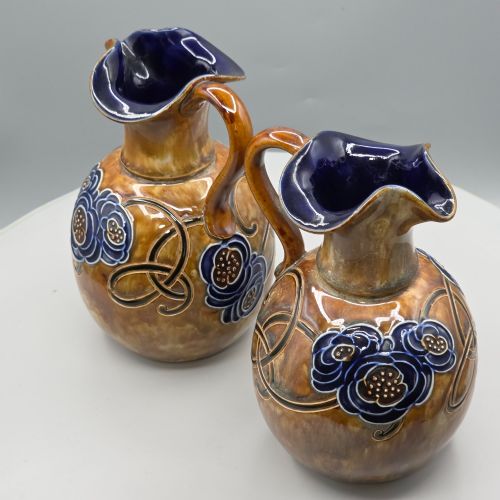
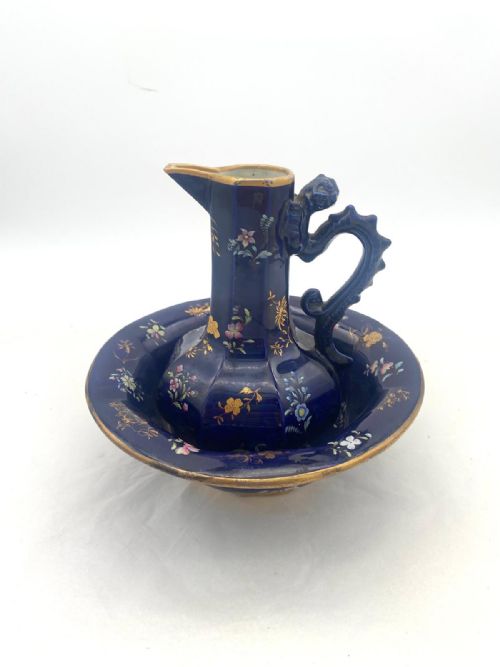
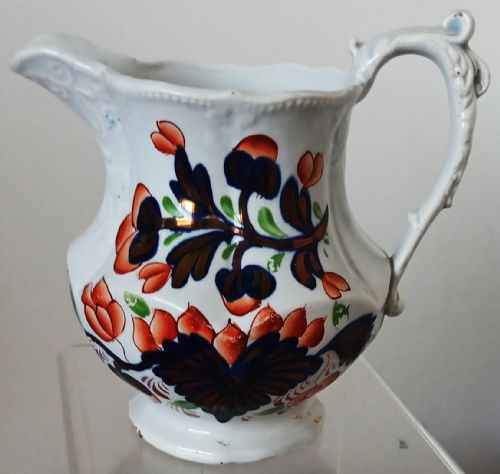
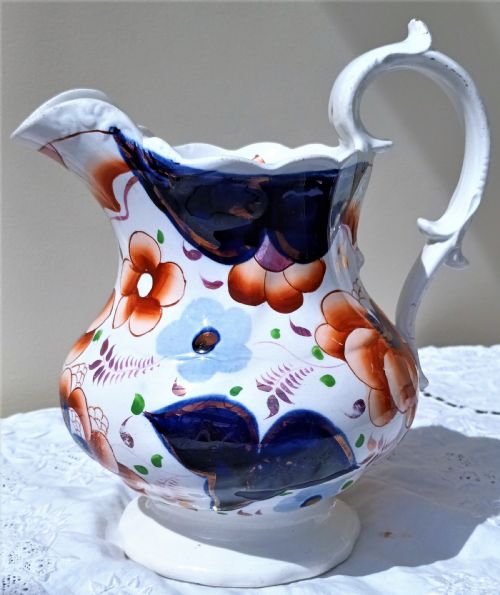
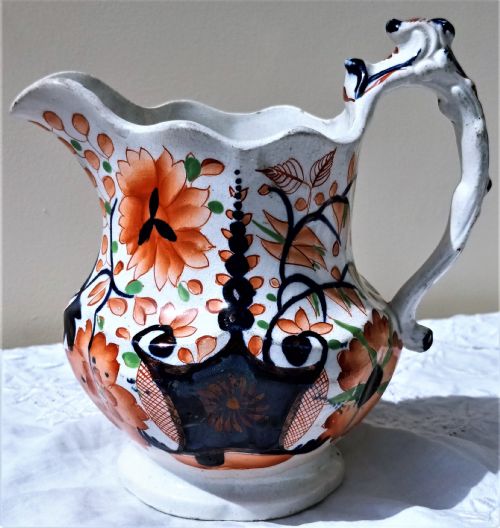
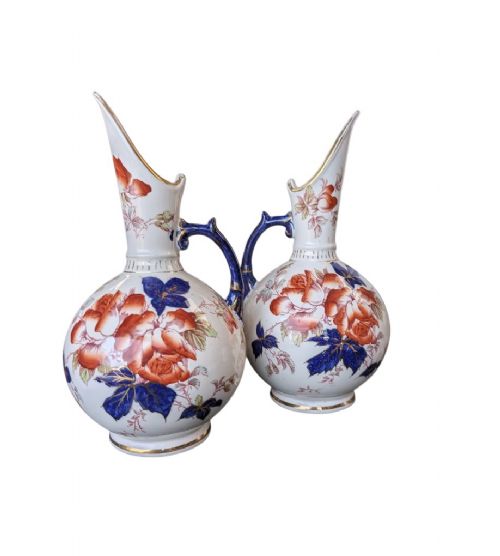
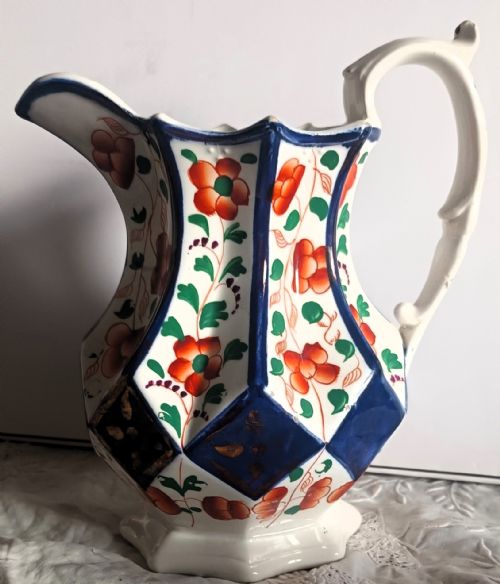
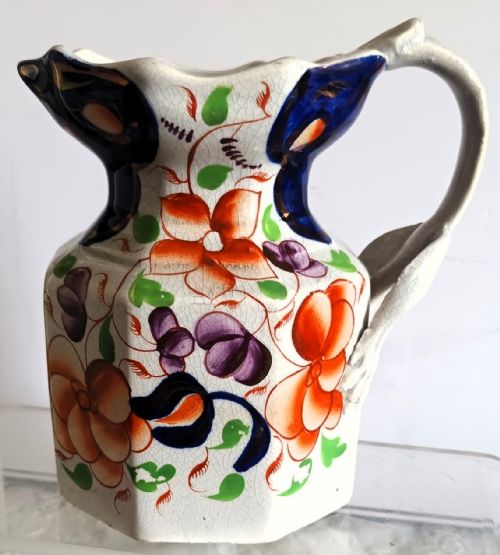
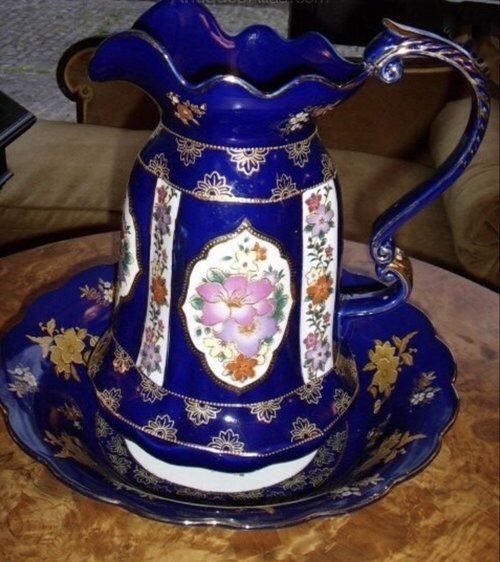
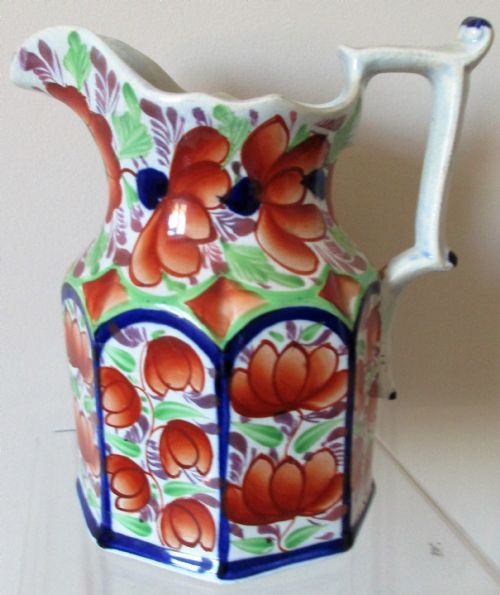
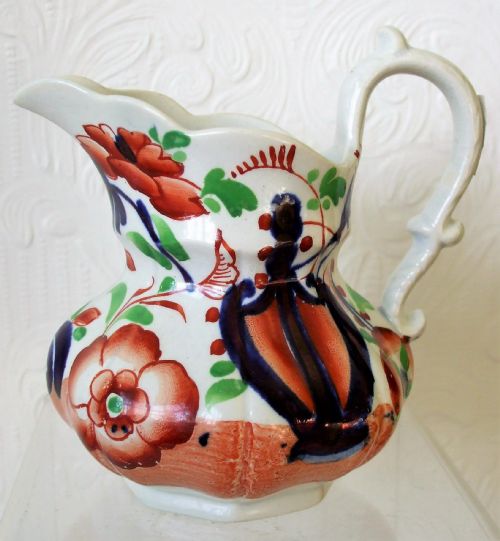
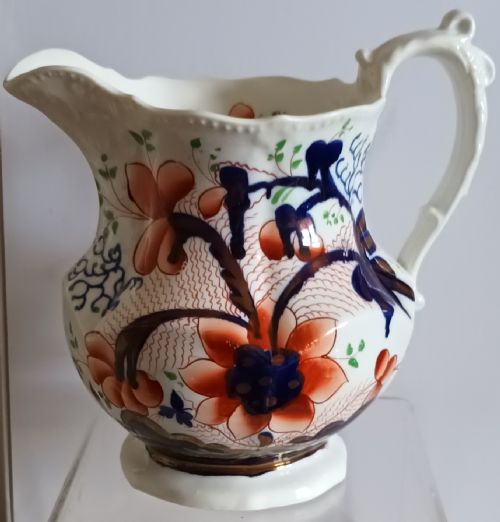
A blue floral ceramic jug serves as a functional vessel or washstand centrepiece, frequently appearing in Victorian Gaudy Welsh patterns, Delftware and Mason's ironstone editions. Buyers examine items ranging from single pitchers to complete jug and basin sets decorated with floral motifs.
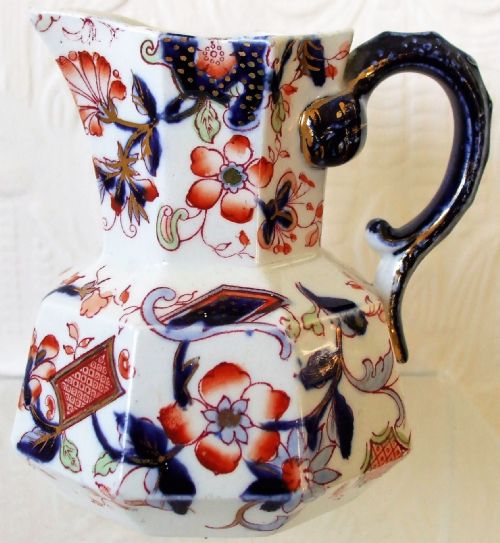
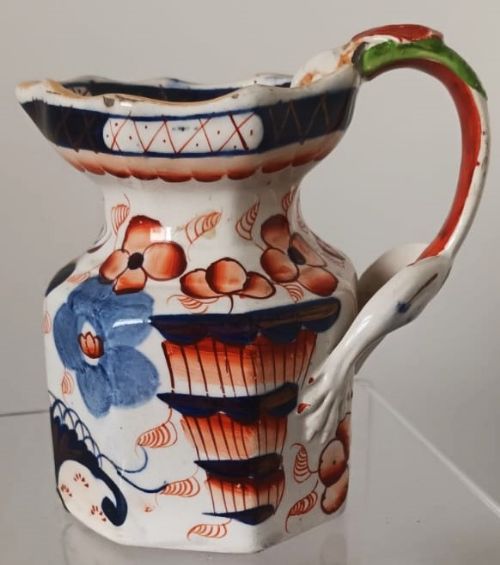
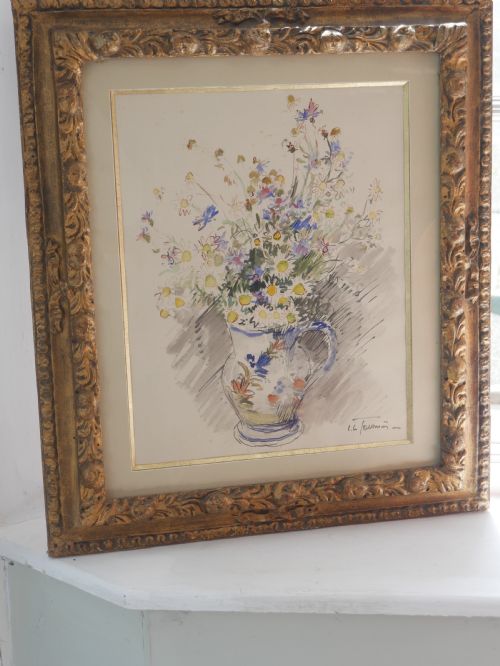
The selection includes nineteenth-century earthenware examples alongside twentieth-century ceramics and paintings depicting flower jugs. Collectors encounter specialised shapes such as the Hydra jug, pouch jugs and mask head designs alongside traditional pitchers.
Originating across Georgian, Victorian and later periods, these vessels display blue decoration combined with enamel, copper lustre and gold leaf highlights. The form bridges everyday utility and decorative display within historic domestic interiors.
Materials and construction
Potters shaped these vessels from earthenware, ironstone and porcelain, applying blue glaze and hand-painted enamel decoration. Tin-glazed delftware techniques create the soft white surface characteristic of eighteenth-century examples.
Firing methods determine the durability of the ceramic body and the depth of the cobalt blue pigments. Artisans integrated copper lustre and gold leaf details over the glaze to enrich the finished appearance of nineteenth-century pieces.
One persistent Victorian potter clearly loved pagodas so much they put them on half the Welsh jugs in the county.
Assessing quality
Quality depends upon the crispness of the blue floral transfer printing or the brushwork control in hand-painted examples. Superior pieces display balanced proportions, clean glaze application and precise detail in relief-moulded elements such as Hydra handles.
The sophistication of the palette separates standard production from finer output, particularly where enamel colours and gold leaf accents complement the underlying blue design. Maker attribution and the preservation of associated basin sets also influence the standing of an individual piece.
Royal Doulton·Masons Ironstone·Keeling and Co·Doulton Burslem·Caughley Coalport·Sir Edmund Elton
The Blue Floral Ceramic Jug Glossary
- Gaudy Welsh
- A style of colourful pottery featuring cobalt blue and bright enamel decoration, often associated with nineteenth-century earthenware jugs. The patterns typically combine cobalt with pink, copper lustre and green.
- Hydra jug
- A ceramic pitcher shape distinguished by a serpentine handle and moulded mask or spout details. This classic form appears frequently in nineteenth-century ironstone and porcelain.
- Tin-glazed
- A pottery technique utilising an opaque white glaze containing tin oxide, providing a smooth surface for blue painted decoration. This method defines traditional delftware production.
- Ironstone
- A durable type of heavy earthenware patented in the nineteenth century to imitate porcelain. It provides a robust body for large jugs and basin sets.
- Copper lustre
- A metallic glaze finish producing a coppery, reflective sheen often utilised as an accent on nineteenth-century pottery. It frequently frames blue floral patterns.
Blue Floral Ceramic Jug: Frequently Asked Questions
How are these jugs dated?
Dating relies upon stylistic markers, ceramic bodies, and recorded maker patterns spanning the eighteenth to the twentieth centuries. Examination of the glaze and transfer printing techniques provides further chronological context.
Changes in material preference from tin-glazed earthenware to ironstone and porcelain assist in establishing approximate production decades.
Were these jugs used for washing?
Larger examples formed part of washstand sets, accompanied by matching basins for personal hygiene in Victorian bedrooms. Smaller pitchers functioned as tableware for pouring water or milk.
Washstand sets remained domestic fixtures until indoor plumbing altered bathroom routines.
What is Gaudy Welsh pottery?
Gaudy Welsh refers to nineteenth-century earthenware decorated with vibrant cobalt blue, pink, and copper lustre. These patterns often display floral motifs including grapes and pagodas.
Potters produced these wares extensively for everyday household use.
How should ceramic jugs be displayed?
Displaying these vessels on sturdy shelving or within cabinet spaces highlights their form and blue floral decoration. Complete jug and basin sets require adequate surface area for secure placement.
Placing items away from direct sunlight protects enamel colours and gold leaf accents.