


Antique Blue Glass Jar
An antique blue glass jar brings intense cobalt or pale tone into a room, offering both practical storage and striking colour.
Antique Blue Glass Jar
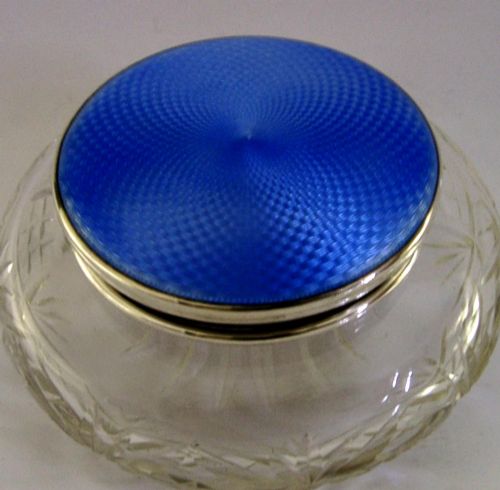
When you search for an antique blue glass jar, you encounter a surprisingly varied group of objects spanning the Victorian, Edwardian, and Art Deco periods. These items range from utilitarian chemist and apothecary bottles with stopper tops to delicate dressing table and vanity jars fitted with precious metal lids.
The version you are most likely to meet on this page is a nineteenth-century or early twentieth-century container, often associated with dressing boxes, vanity sets, or medical dispensaries. French and English makers feature prominently, offering everything from Bristol blue chemist vessels to enamelled table boxes.
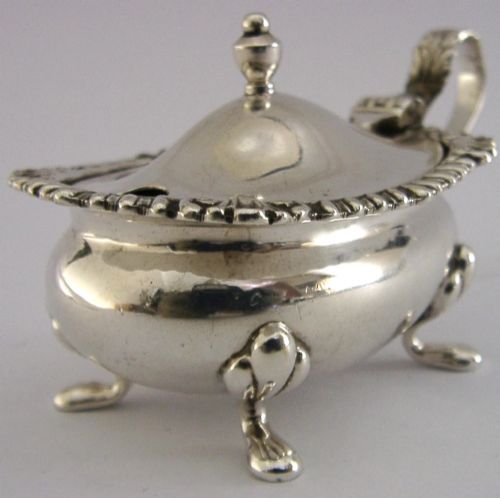
Beyond standard jars, the category stretches to include mustard pots with silver liners, scent bottles, and small powder boxes. Each piece reflects the domestic and personal habits of past centuries, serving as both functional desk or dressing table accessories and decorative glass objects.
Materials and Technique
The foundation of these pieces lies in blown or moulded glass, frequently enriched with deep cobalt hues or pale tints known through historical production methods like Bristol blue and Clichy glass. Artisans combined this vibrant glass body with mounts and lids fashioned from sterling silver, brass, or enamel.
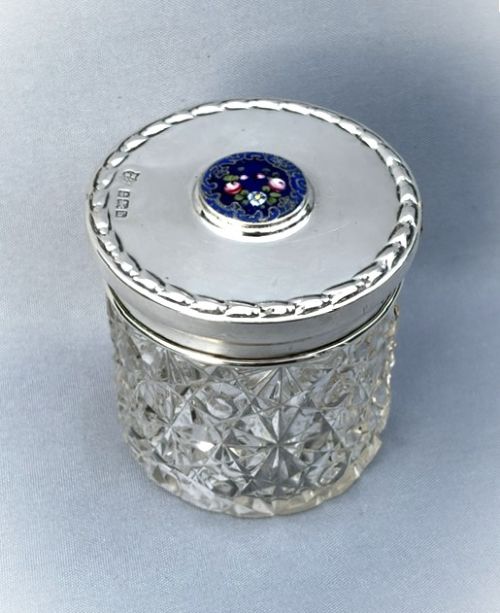
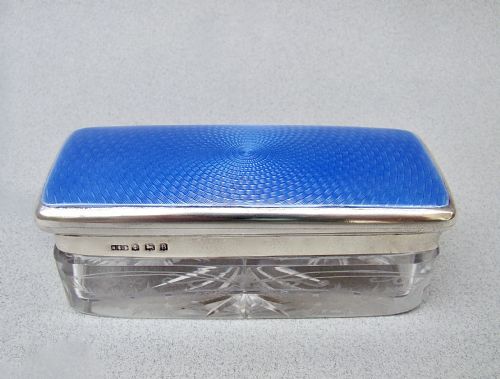
Many dressing table and vanity pieces incorporate fine decorative details such as guilloché enamel, hand-painted floral motifs, and cameo carving. Metal components are frequently hallmarked, indicating specific assay offices and years of production that align with Victorian and Art Deco design trends.
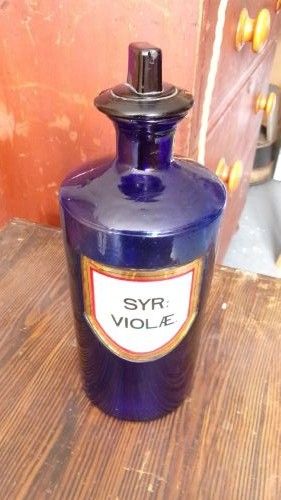
A lollipop stopper waits inside a chemist bottle, ready to seal away apothecary secrets from a bygone century.
Distinctions in Quality
Quality in these objects rests upon the crispness of the glass moulding and the integrity of any applied metalwork or enamel. Superior examples exhibit heavy, clear-cut or smooth-blown glass bodies paired with securely fitted, hallmarked silver lids that close with precision.
The artistic merit of the decoration separates standard containers from exceptional pieces. Finely detailed guilloché enamel, hand-enamelled floral work, and robust sterling silver mounts elevate a utilitarian jar into a refined collector's item.
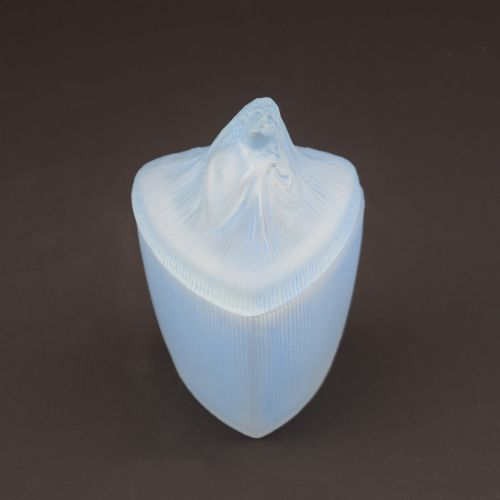
Henry Clifford Davis·Rene Lalique·Galle·Baccarat
The Antique Blue Glass Jar Glossary
- Guilloché enamel
- A decorative technique involving precise, intricate mechanical patterns engraved beneath a translucent layer of coloured enamel. It appears frequently on twentieth-century vanity jars and compacts.
- Bristol blue
- A deep, vibrant cobalt blue glass traditionally associated with the English city of Bristol during the eighteenth and nineteenth centuries. This intense shade was widely utilised for apothecary and decorative glassware.
- Apothecary bottle
- A functional glass container designed for storing medicinal substances, often featuring a distinct stopper and sometimes a painted enamel label. Chemists used these extensively in the nineteenth century.
- Latticinio glass
- A decorative glass technique featuring intertwined white or coloured glass threads encased within a clear body. Pieces utilising this method often display delicate contrasting rims.
Antique Blue Glass Jar: Frequently Asked Questions
What were antique blue glass jars used for?
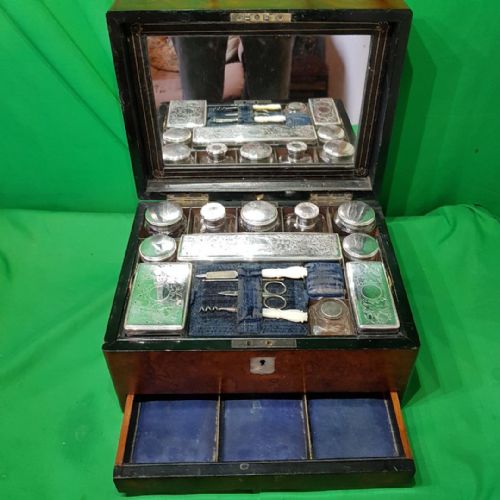
These jars served a multitude of domestic and medical purposes, ranging from the storage of powders and cosmetics on dressing tables to holding medicines in Victorian dispensaries. Many functioned as part of larger travelling vanity sets or ladies' dressing boxes.
Others held mustard or condiments on dining tables, fitted with silver spoons and glass liners. Their dual role as practical containers and decorative objects ensured their presence in both private chambers and public spaces.
How can I tell the period of a glass jar?
Dating relies heavily on associated metal mounts, hallmarks on silver lids, and stylistic markers such as Art Deco geometric lines or Victorian florid enamelwork. Manufacturing techniques and the specific shade of blue glass also offer strong chronological clues.
Silver components often feature assay office marks and date letters that pinpoint the exact year of creation. Examining the closure style and interior fittings helps distinguish nineteenth-century vanity items from later twentieth-century pieces.
Are these jars fragile for everyday use?
While manufactured from durable glass and often reinforced with silver or brass collars, antique jars require careful handling due to their age. Enamel work and delicate glass stoppers demand gentle treatment to avoid chipping or scratching.
Most buyers choose to display them on secure surfaces or utilise them for light storage rather than heavy daily service. Proper care preserves both the original glass body and any delicate surface decoration.
How do I clean an antique glass jar?
Cleaning requires warm water and mild soap, avoiding harsh abrasives that might damage the glass surface or historical enamel work. Silver mounts should be polished with care to prevent any chemical residue from reaching the glass.
Immersion in water is generally discouraged for pieces with glued components, paper labels, or delicate internal textiles. Gentle dusting and targeted wiping keep both the glass and metal mounts in optimal condition.