






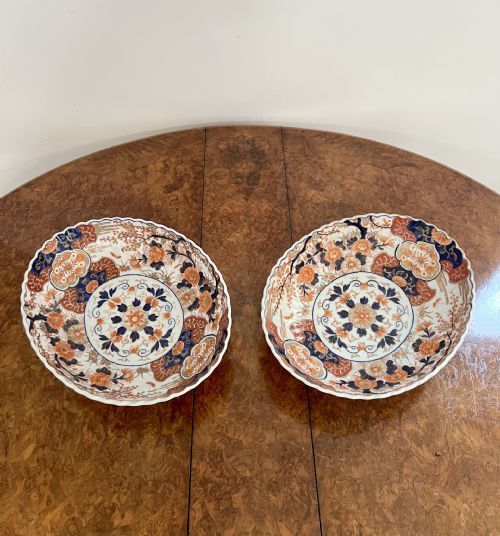


Antique Blue Floral Bowl
An antique blue floral bowl brings hand-painted botanical motifs and cobalt pigments from centuries past directly onto the modern table.
Antique Blue Floral Bowl
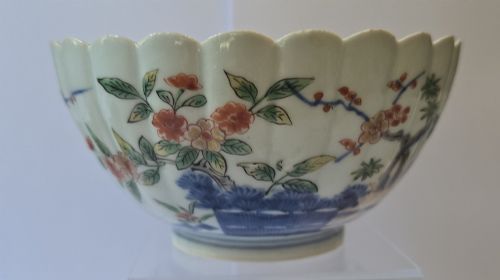
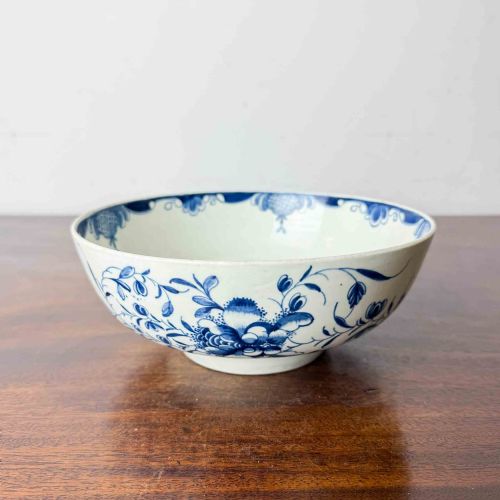
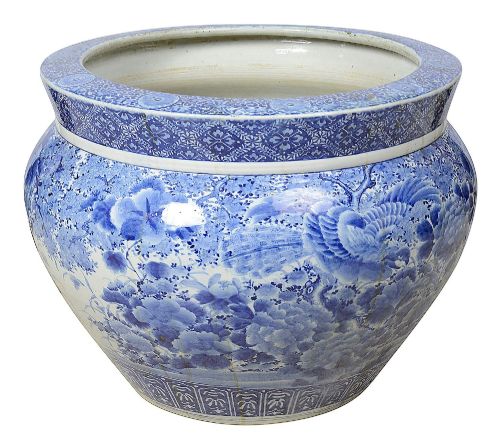
An antique blue floral bowl encompasses a range of domestic and decorative vessels produced across global potteries during the eighteenth, nineteenth, and early twentieth centuries. When searching for this phrase, collectors encounter forms spanning standard serving bowls and footed comports to large display jardinieres.
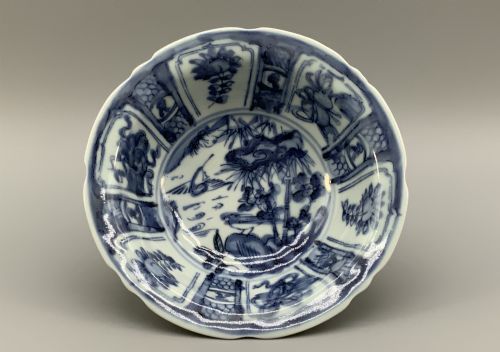
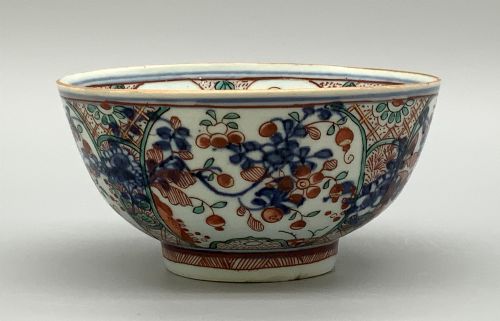
The pieces listed here draw heavily from English factories such as Worcester, Derby, and Mason's alongside significant Asian origins including Japanese Imari output and Chinese Kangxi period porcelain. Domestic Staffordshire earthenware and French decorative glass also appear within the selection.
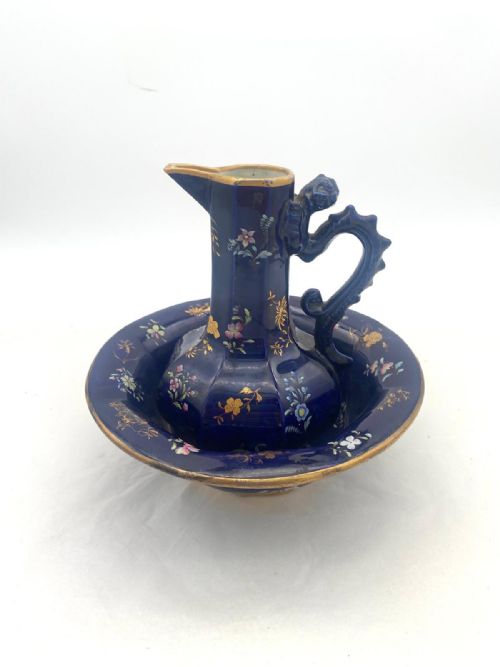
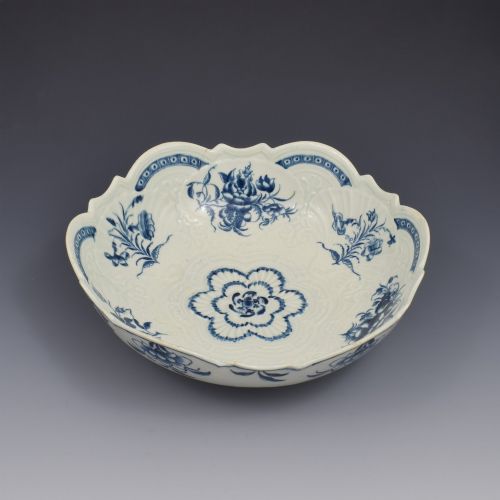
Serving styles range from scallop-edged display pieces and lobed bowls to deep basins intended for washstand sets. Production dates stretch from seventeen hundred through the Victorian era and into the nineteen thirties.
How They Were Made
Potters utilised porcelain, ironstone, earthenware, and glass as base mediums, shaping them into plates, dishes, and deep vessels before applying complex decorative schemes. Cobalt blue glaze provided the primary pigment for floral patterns, frequently supplemented by polychrome enamels and gold leaf highlights.
Techniques varied from underglaze hand-painting on Chinese and English porcelain to transfer printing on earthenware and champleve enamel work on metal frames. Firing methods dictated the durability of the glaze and the vibrancy of the floral motifs across different centuries.
Antique Blue Floral Bowl Retail Price Guide 2026
Typical asking prices for blue floral bowl among the pieces listed under this phrase on Sellingantiques today, from the lower quarter to the upper quarter. They describe what is for sale here now, not the wider market.
Listings feature periods from seventeen hundred to nineteen thirty, encompassing porcelain, ironstone, earthenware, enamel, and glass.
What Varies in Quality
The standard of an antique blue floral bowl depends upon the precision of the hand-painted brushwork and the clarity of the cobalt glaze against the ceramic body. Pieces featuring crisp, detailed floral motifs and careful gilding demonstrate superior execution compared to standard production items.
Preservation of the glaze surface and the integrity of delicate scalloped edges or footed bases influence the standing of each vessel. The reputation of the manufacturing factory, from Worcester to Japanese Imari kilns, further distinguishes the output.
Worcester·Derby·Coalport·Doulton Burslem
The Antique Blue Floral Bowl Glossary
- Cobalt blue
- A deep blue pigment derived from cobalt oxide that remains stable at high kiln temperatures. It is the defining colour for traditional floral decoration on porcelain and earthenware.
- Imari
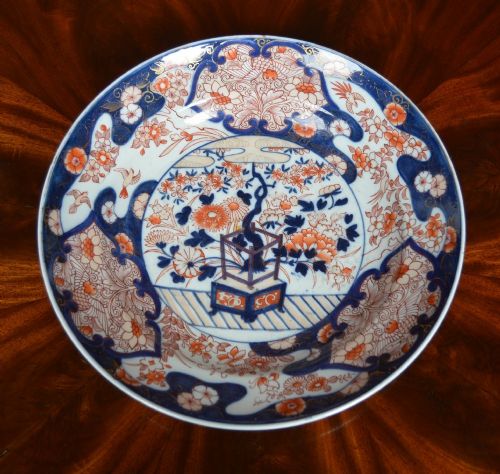
- A style of Japanese porcelain exported to Europe, traditionally featuring a palette of cobalt blue and iron red with gold detailing. The patterns often incorporate dense floral and botanical arrangements.
- Ironstone
- A heavy, durable type of earthenware patented in the nineteenth century. It provides a sturdy alternative to porcelain for heavy-use bowls and serving dishes.
- Comport
- A raised serving dish or pedestal bowl used for fruit or sweetmeats at the table. These pieces frequently feature decorative floral borders.
- Jardiniere
- An ornamental pot or bowl designed to hold a plant or floral arrangement. They appear in ceramics and enamel-mounted metalwork.
Antique Blue Floral Bowl: Frequently Asked Questions
How were these bowls used?
These vessels served various functions in historical households, ranging from table service during meals to decorative display pieces in reception rooms. Deeper bowls accommodated fruit or punch, while larger basins formed parts of matching washstand sets.
Many examples were manufactured purely for visual impact as centrepieces on dining tables or sideboards. Their durable glaze allowed for practical dining use alongside ornamental display.
How do I date an antique bowl?
Dating relies on examining the factory marks stamped or painted on the underside of the ceramic body. Stylistic indicators, such as the distinct aesthetic of the Meiji period or Georgian era, provide further chronological clues.
Material composition also assists with dating, as early porcelain differs in weight and translucency from later ironstone or nineteenth-century earthenware. Comparing the floral patterns to documented factory production periods narrows the timeframe further.
Are these bowls safe for food?
While many of these vessels were originally created for culinary use, eighteenth and nineteenth-century glazes can contain lead or other substances. Modern usage requires careful consideration of the piece's condition and material.
Most collectors prefer to use antique bowls for dry display or decorative purposes rather than daily dining. Gentle hand washing preserves the delicate enamel and gold leaf decorations found on the surfaces.
What is Japanese Imari?
Japanese Imari refers to porcelain manufactured in the town of Arita and exported through the port of Imari from the Edo period onward. The aesthetic combines deep cobalt blue underglaze with iron red and gold overglaze.
Floral and organic motifs dominate these designs, reflecting traditional Japanese artistic styles that heavily influenced European potteries. Eighteenth and nineteenth-century pieces remain particularly sought after by collectors.